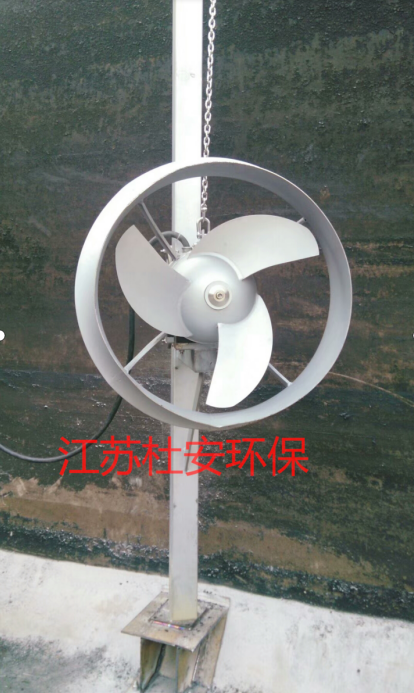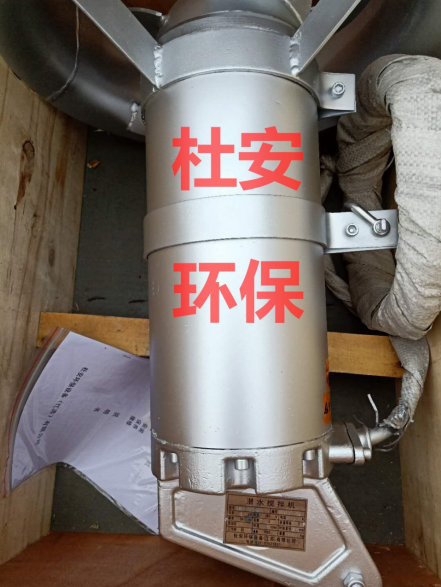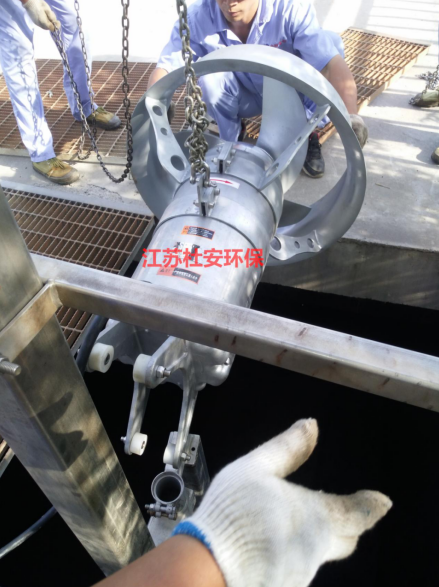

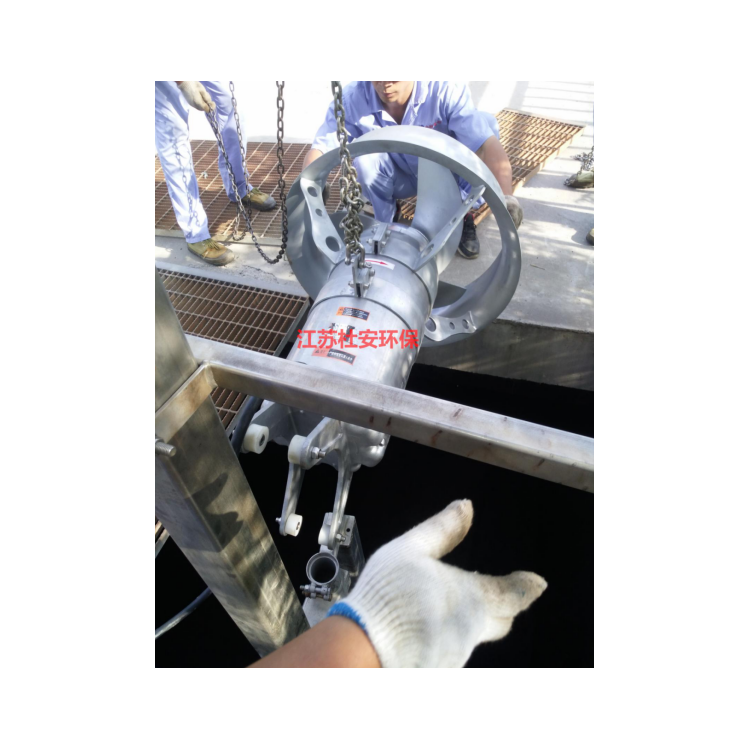








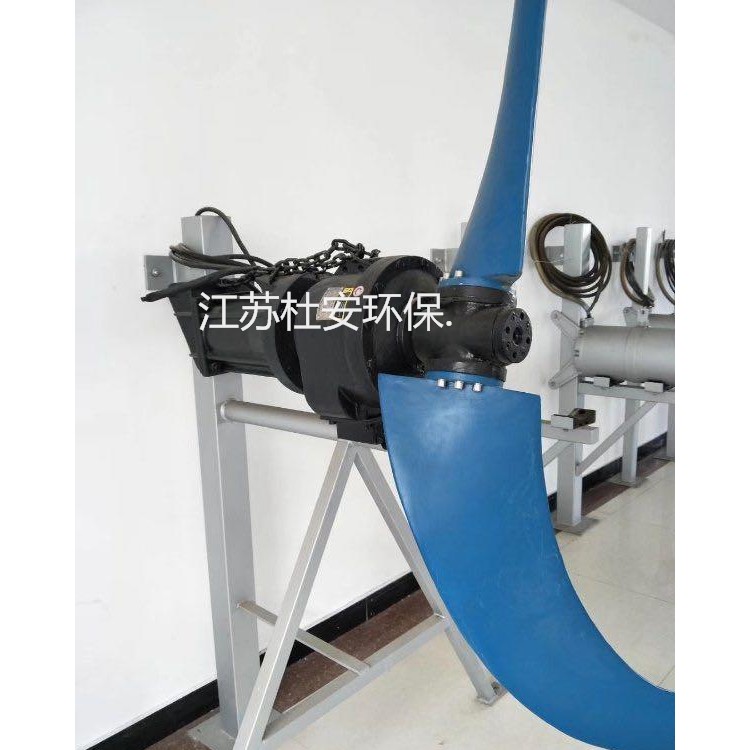
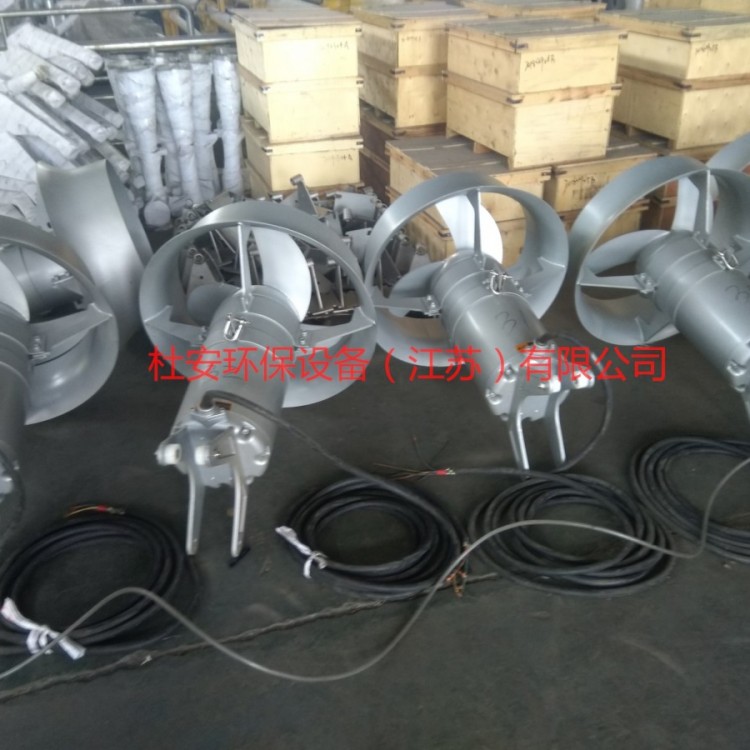
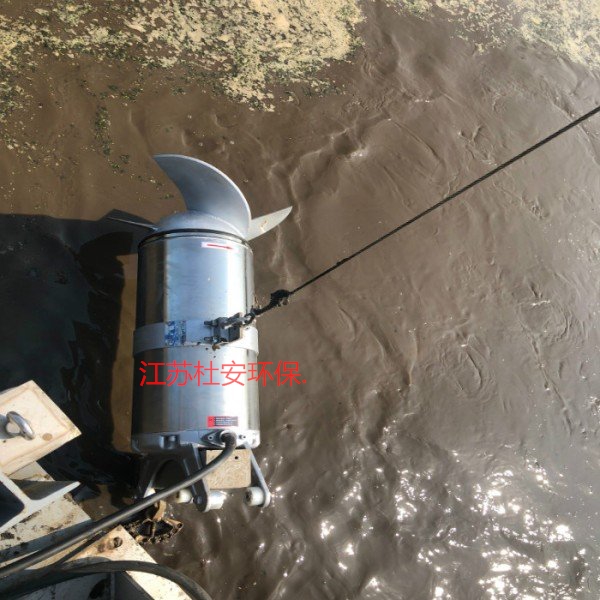
A diving mixer is a device used for underwater mixing and stirring, typically composed of a motor, stirrer, cable, etc. It assists divers in performing mixing and stirring operations underwater and can also be used in underwater construction, marine engineering, underwater mining, and other fields.
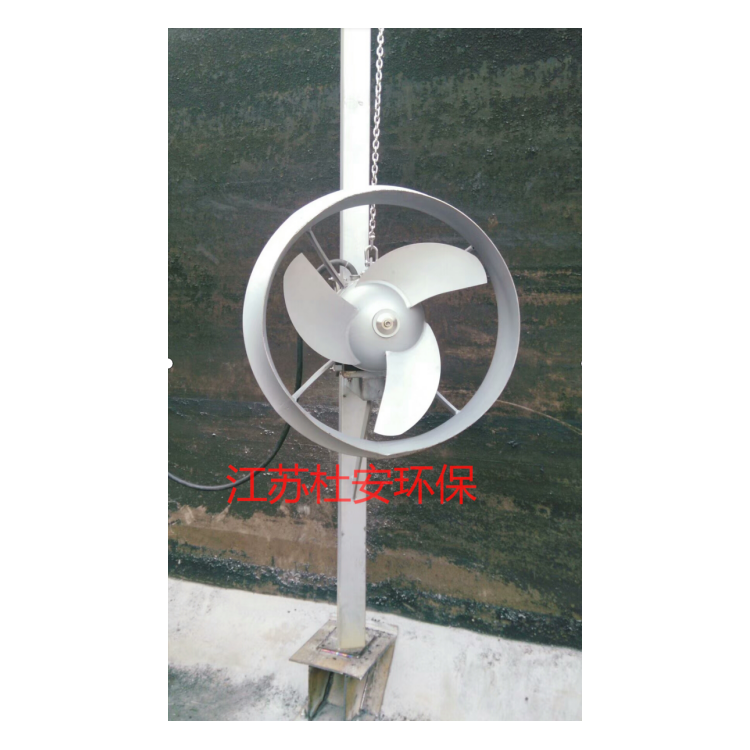
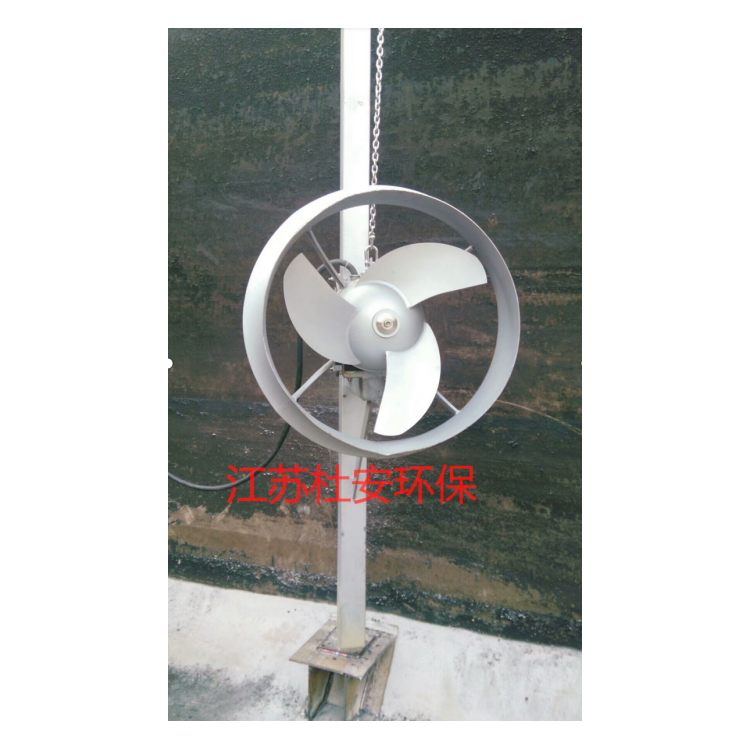
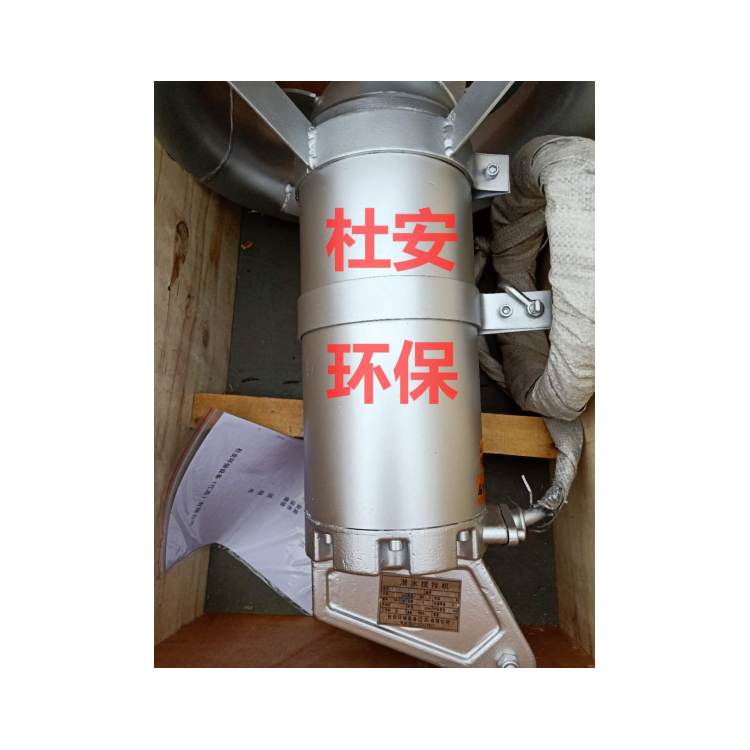
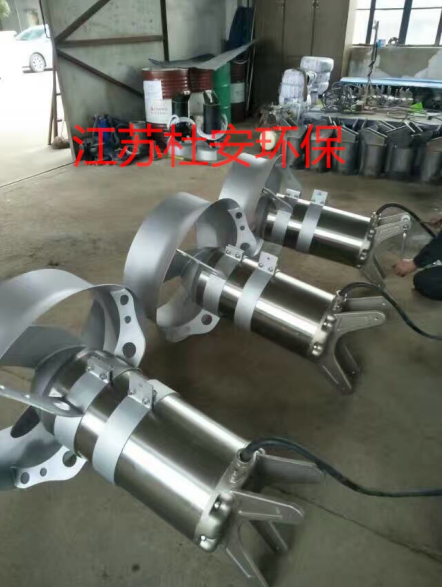
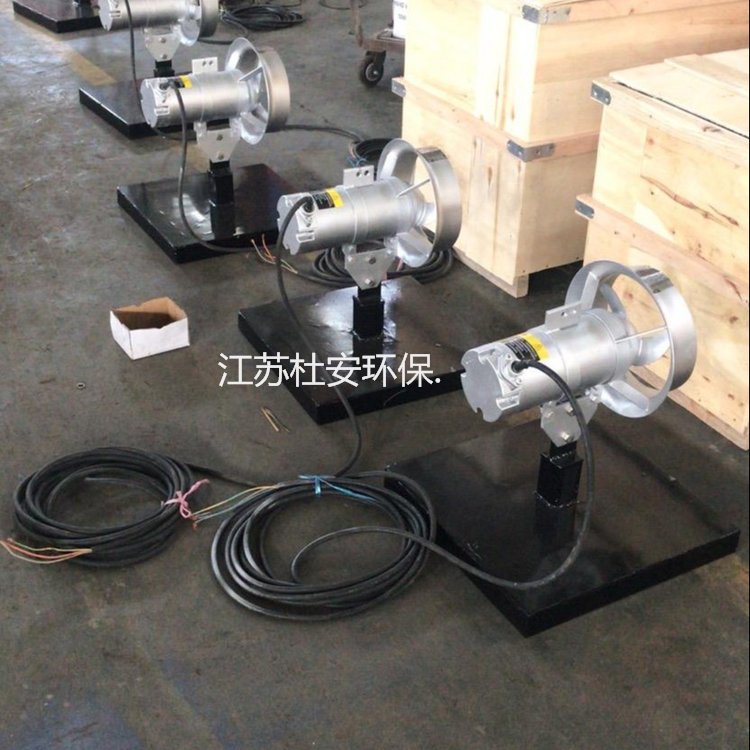
Submersible mixers typically have a shape similar to that of a handheld electric mixer, with some even having a streamlined appearance like an underwater robot. The main components are the motor and the mixer, with the motor providing power and the mixer converting that power into mixing force. The cable is used to transmit electrical power to the submersible mixer.
The motor of a submersible mixer typically uses an AC motor or a DC motor, as both offer stability and reliability. Additionally, the motor must also feature waterproof and corrosion-resistant properties to meet the specific requirements of underwater environments.
The impellers of submersible mixers are usually in the form of propellers, impeller blades, or mixing plates, and the appropriate impeller is selected based on varying mixing and blending requirements. The shape and size of the impeller directly affect the mixing and blending performance of the submersible mixer.
The operation of a submersible mixer is quite simple; divers only need to secure it to their bodies and then control the mixer's speed and direction via the controller. The mixing and stirring effect of the submersible mixer depends on factors such as the shape and size of the mixer, the rotational speed, and the stirring time.
The application fields of submersible mixers are extremely diverse. Besides use by divers, they can also be utilized in underwater construction, marine engineering, and underwater mining. In underwater construction, submersible mixers assist workers in mixing and blending concrete and cement materials. In marine engineering, these mixers aid engineers in cleaning and maintaining subsea pipelines. In underwater mining, they help miners mix and blend ore.
In summary, a dive mixer is a highly practical underwater blending and mixing device that aids divers in underwater mixing and blending operations. It is also utilized in underwater construction, marine engineering, and underwater mining fields. As technology continues to advance, the performance and functionality of dive mixers will also improve, offering better assistance for human underwater exploration and development.
Parts for Submersible Mixers
Propeller: Stainless Steel AISI304
Gearbox: Cast Iron DIN1691 GG25 (ASTM A48 35B)
Motor Housing: Cast Iron DIN1691 GG25 (ASTM A48 35B)
Flow hood: Stainless Steel AISI 304
Shaft: Stainless Steel
Mechanical Seals: Silicon Carbide/Silicon Carbide Fasteners: Stainless Steel AISI 316
Cable jacket: Chloroprene rubber
O-ring: Nitrile or Fluororubber; Stirrer Bracket: Stainless Steel AISI 304
Track System: Stainless Steel AISI 304
Chain Lift: Stainless Steel AISI 3164
Lifting Device Boom: Stainless Steel AISI 304
Chemical Anchor Bolts: Stainless Steel AISI 304
Surface Corrosion Protection: Two-component epoxy resin coating, two layers of primer, each with a thickness 100mFilm thickness 120m。
Duwan Environmental QJB Submersible Stirrer's control
Diving AgitatorThe operation is via on-site manual control. Two methods of PLC automatic control.
Manual control
Submersible mixer equipped with manual control, still operable when automatic control is not achievable.Achieve manual control. That is to say, when the control panel on the cabinet is...“Selector switch”At the manual control position, the machineManual execution through on-site control switches is available, with the handle control buttons allowing separate operation of the equipment.
2. Automatic Control
Please provide the Chinese content to be translated. PLC Automated Operation Mode, Submersible StirringThe machine is automatically controlled by time. The submersible mixer operates continuously or intermittently.
When the switch is set to the fully automatic control position, the machine can operate in the following modes.
(1) By pressing the start button on the control panel.
(2) Time control via the control panel.
.jpg)