
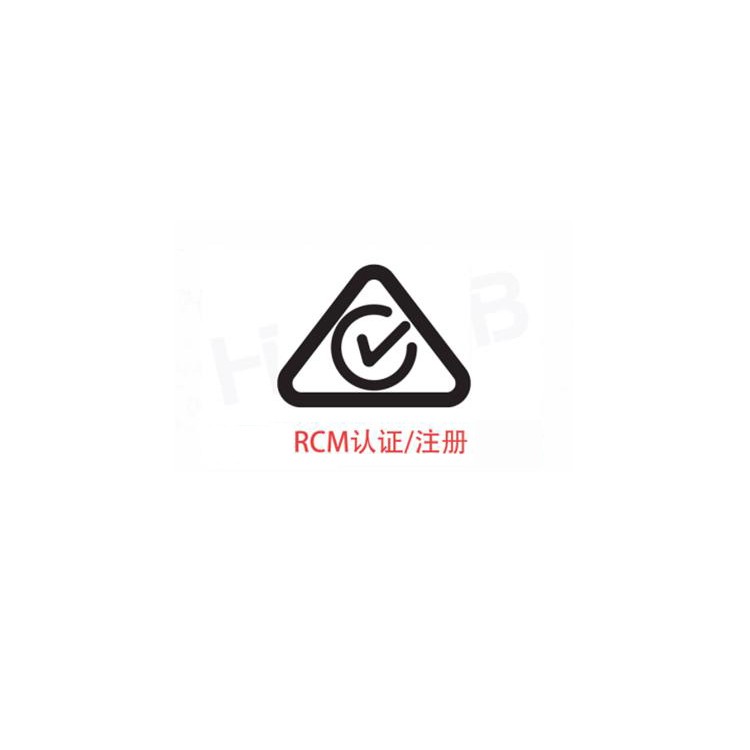







RCM is a registered trademark, owned by the statutory authorities in Australia and New Zealand. The conditions for suppliers to use RCM are stipulated in the standard AS/NZS 4417, essentially requiring suppliers to ensure their products comply with the applicable regulations set by the statutory authorities. It is crucial to remember that suppliers of products that do not meet the statutory requirements may face penalties under relevant acts and regulations. Additionally, the misuse of RCM is governed by the Trademark Act.
RCM Certification Requirements
The new regulations will be officially enforced starting March 1st.
2. SAA certification and C-Tick certification will be phased out, to be replaced by RCM certification, which covers safety regulations and EMC (C-Tick may still apply to some low-power wireless products).
3. All electronic products will be categorized into three types: High, Medium, and Low Risk. We do not have detailed classification criteria, but generally, products powered by batteries and with voltages below 12V are considered Low Risk, products with standard voltage of 240V are Medium Risk, and high-voltage products are High Risk. The buffer period for Low Risk products is 6 months, while for Medium and High Risk products, it is 3 years (this period is recommended by relevant Australian associations, but has not been finally confirmed in specific regulations).
4. RCM certification can only be applied for by local Australian companies, who must obtain an RCM number from Australia. Chinese manufacturers and exporters can apply for IEC or AS/NZS reports in their own name, but these reports must be submitted by the Australian importer to apply for RCM. The registration fee is AUD 75 per product per trademark per year (for illustration purposes, an Australian company owns two trademarks: A and B. It imports a single batch of identical products from China, half branded with A and the other half with B. This means a registration fee of AUD 150 per year is required).
The Australian and New Zealand Electrical Product Testing Certification Body is introducing the RCM mark. This mark, owned by institutions in Australia and New Zealand, serves as a unified identification for electrical products, indicating that the products meet both safety and EMC requirements; it is non-mandatory.
RCM Certification Fees and Duration
The RMC certification fee structure involves adding 6000 yuan to the product's C-Tick certification cost (approximately 1500-3000 yuan for C-Tick certification, not including registration; registration requires an additional 6000 yuan on top of the original cost, and it is recommended for clients to handle it directly in Australia for convenience), with a processing period of 3 weeks.
RCM Certification Application Process
1. Third-party laboratories evaluate products and determine the applicable testing standards.
2. In the event of any non-compliant items during testing, the laboratory will modify the product to meet and comply with Australian standards.
3. Test passed, issue test report.
4. Submit the test report to the Australian certification authority for document review.
5. Australia approved and issued the RCM certificate.
6. Customers can complete the Australian website registration themselves or have it done by a lab.
Our company continues to implement the existing component testing/recipe reconstruction technical service, introduces new service projects, and optimizes the existing projects.