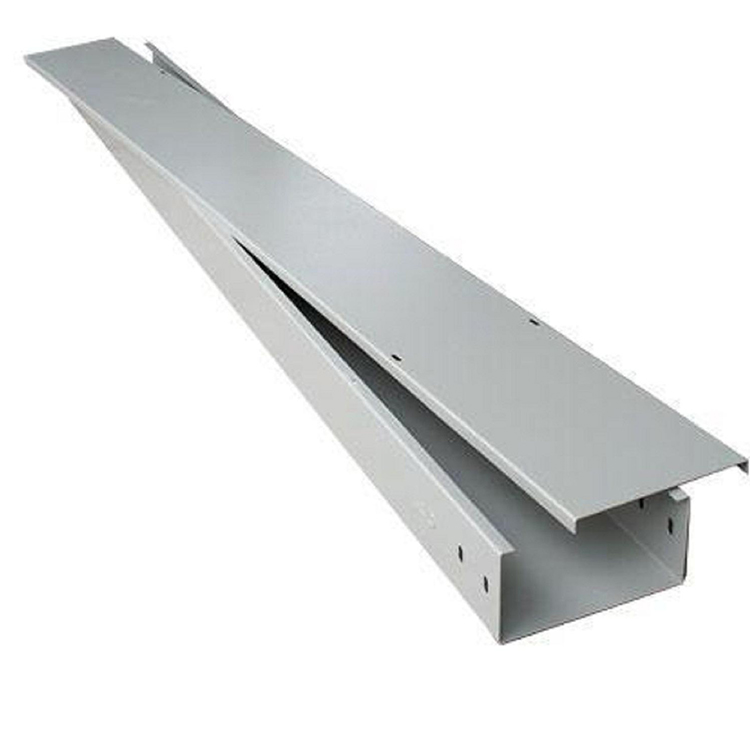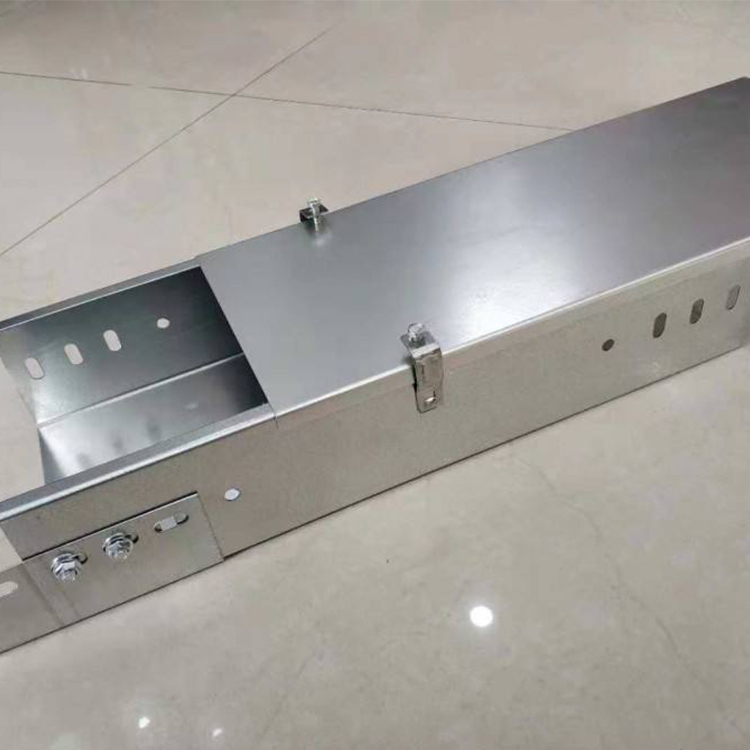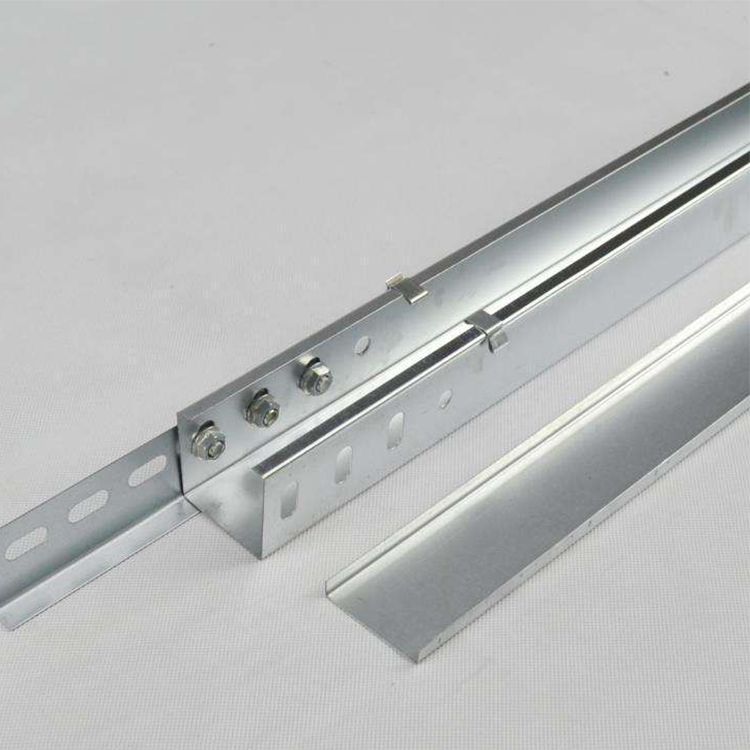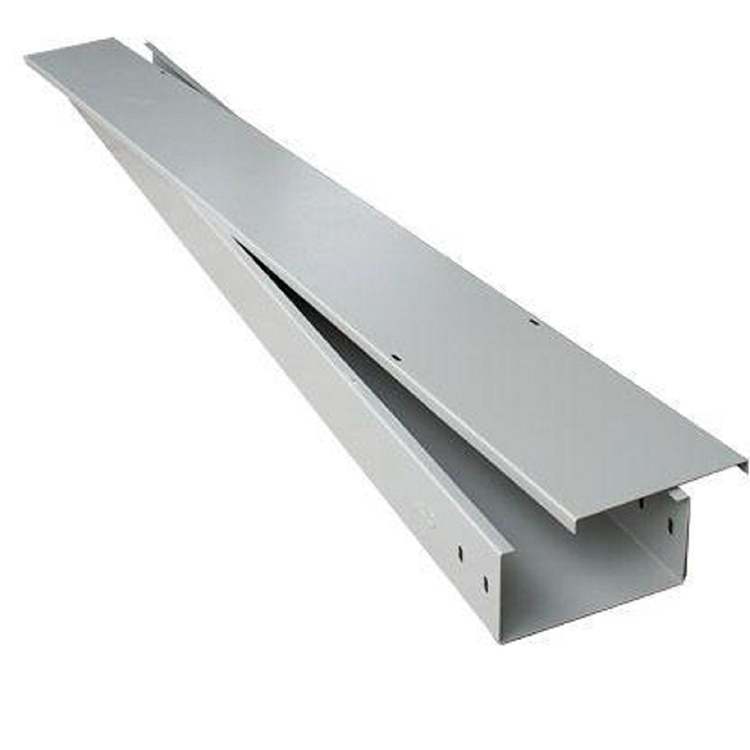

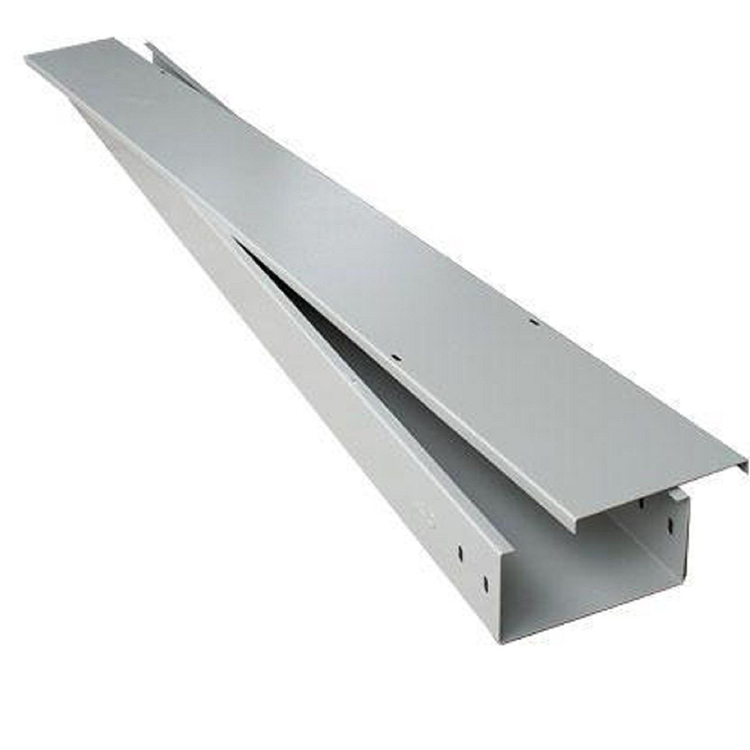











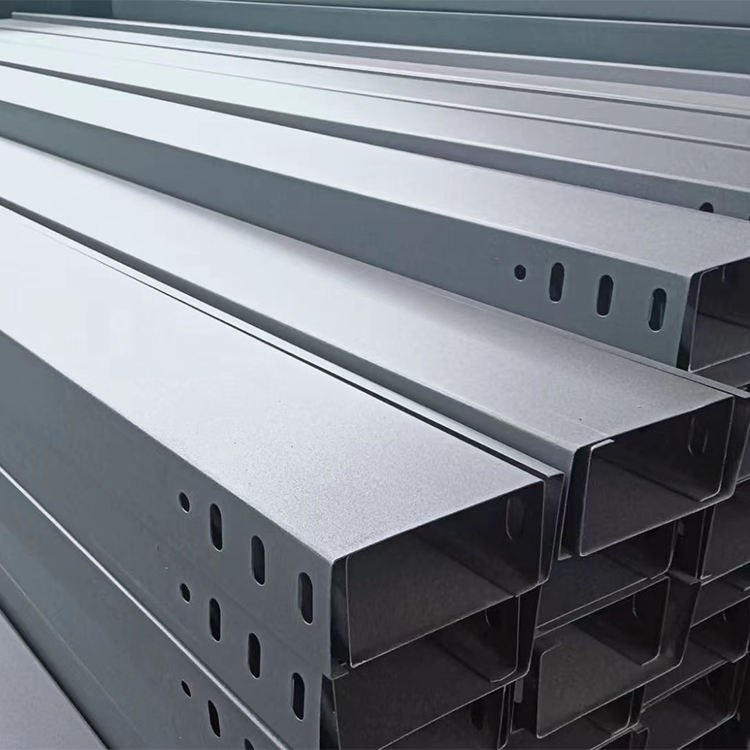

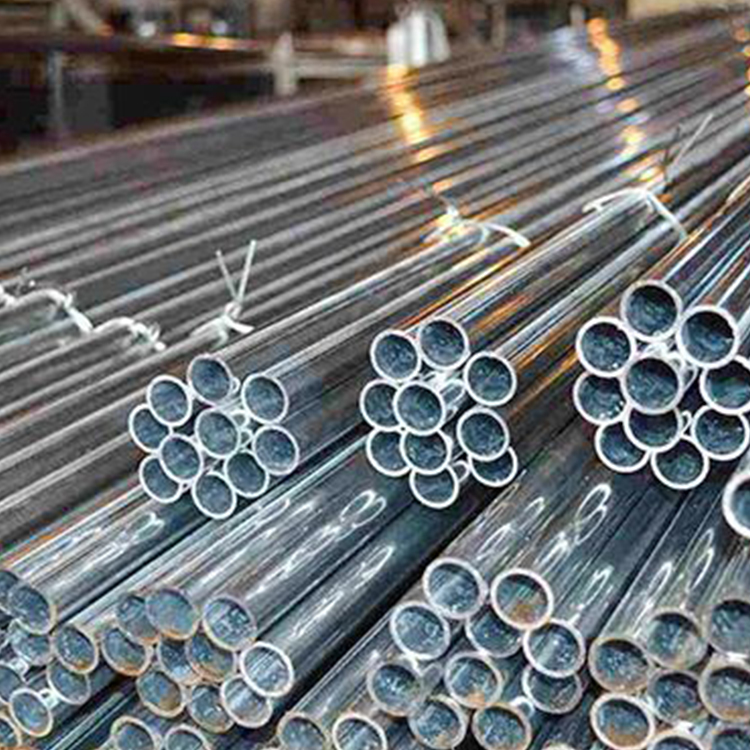
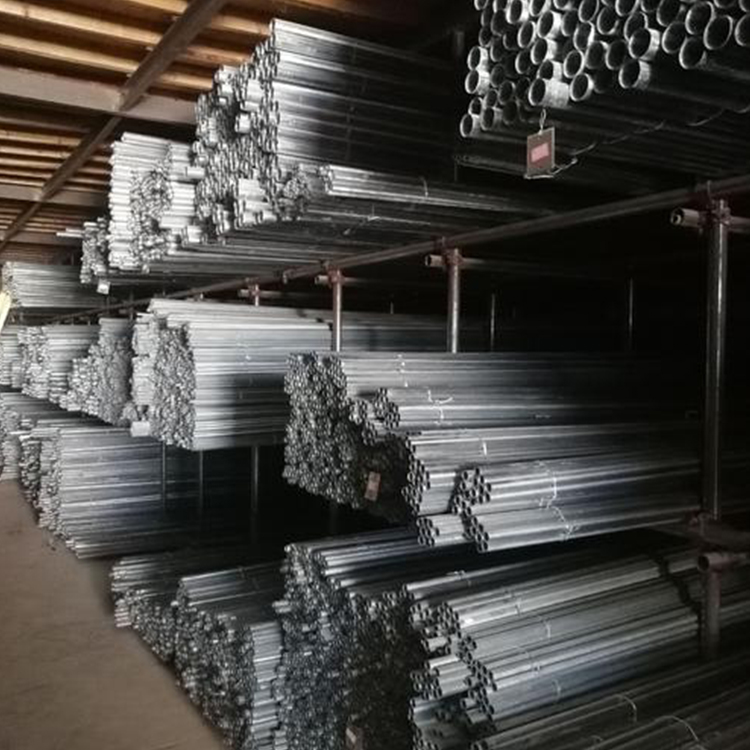
When connecting two sections of a channel bridge, if a jumper wire is not used, then at least two fixed bolts with anti-loosening nuts or anti-loosening washers must be installed at both ends of the connecting plate. The thickness of the channel bridge is directly determined by the material and width of the bridge. For example, the new national standards for bridge channels include JB/T 10216-2013, T/CECS 31-2017, etc. These bridge standards all specify the thickness standards for channel bridges of different materials and specifications. The materials for channel bridges include steel plate, aluminum alloy, and glass fiber, among which the steel stainless steel channel bridge is more expensive, and the glass fiber channel bridge is cheaper. The price of a channel bridge made of the same material increases with the larger the unfolded area of the specification. Below is an introduction to the relevant content:
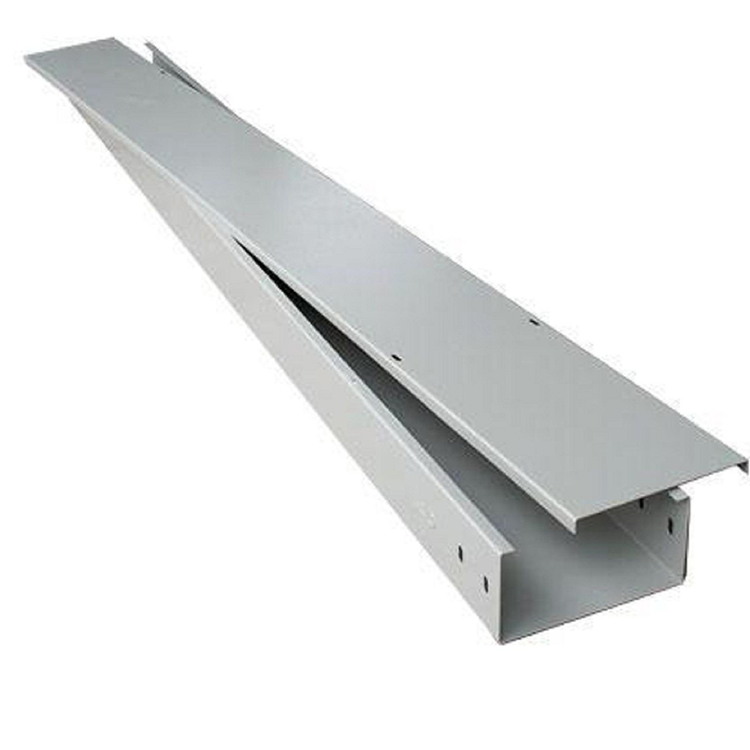
1. Channel Bridge
Channel bridge supports are not suitable for installation above thermal pipeline or below corrosive liquid pipelines. When the density of the pipeline gas is greater than air, channel bridge supports should be installed above it. When the density of the pipeline gas is less than air, they are suitable for installation below it. The uprights of channel bridge supports can be classified into I-beam uprights (LZG), channel steel uprights (LZC), angle steel uprights (LZJ), and special-shaped steel uprights (LZYX).
2. Bridge raceway thickness
Spec 10050-slot bridge channels, according to JB/T 10216-2000 standard, the channel thickness should be 1.0mm; according to JB/T 10216-2013 standard, the channel thickness should also be 1.0mm. The bridge channel standard allows for variation in the cover plate thickness of the slot-type bridge channel, which can be consistent with the channel material thickness or one grade lower. The thickness of the bridge channel connecting plate can be the same as the channel material thickness or one grade higher.
3. Bridgeway National Standard
The 2000 National Standard defines the scope of application, referenced standards, definitions, model codes, requirements, testing methods, and inspection specifications for bridge structures. The 2013 National Standard defines the normative referenced documents, structural requirements, markings, transportation, and storage for bridge structures. The models in the 2000 National Standard are composed of component names, types, and specifications. The specifications in the 2000 National Standard include the width and height of the bridge structure, the bending radius of the elbows, and the dimensions of the support brackets, etc.
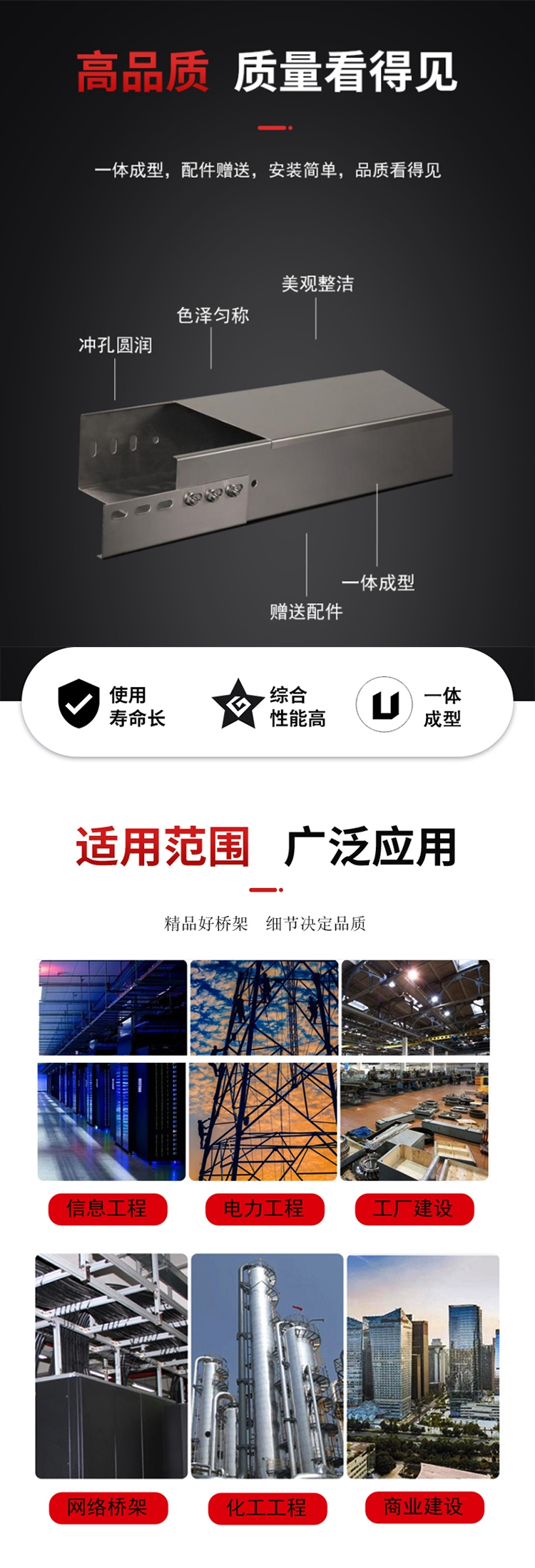
Yunnan Ziyang Zongjiu Industry & Trade Co., Ltd. is a cable tray manufacturer in Yunnan, specializing in tray manufacturing and processing for many years. We offer standard specifications with factory prices, including galvanized, fire-resistant, and installed槽 trays. If you're in need of purchasing cable trays, please feel free to call for detailed discussions!!