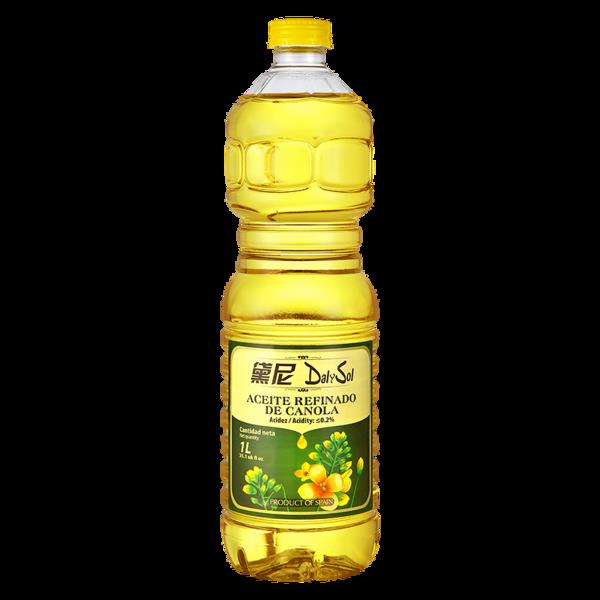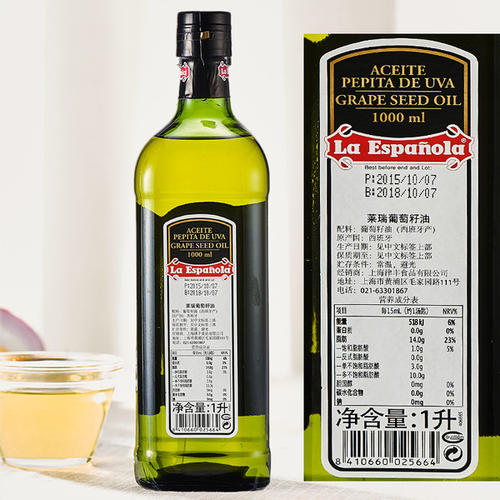


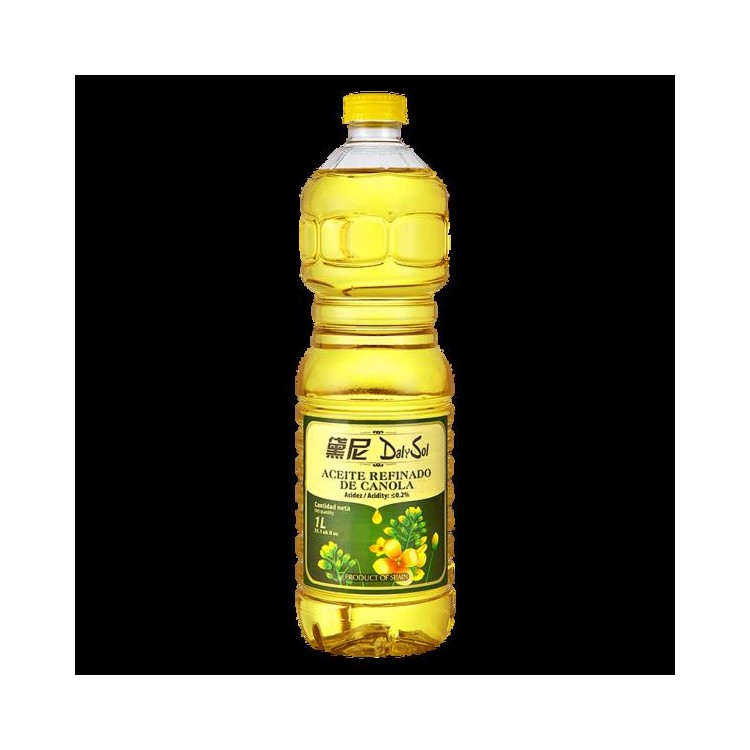
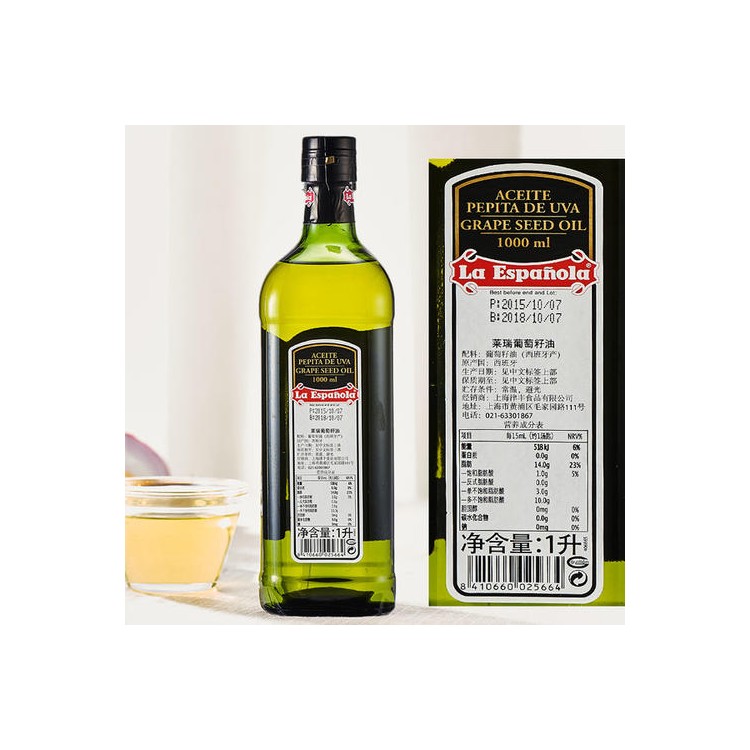
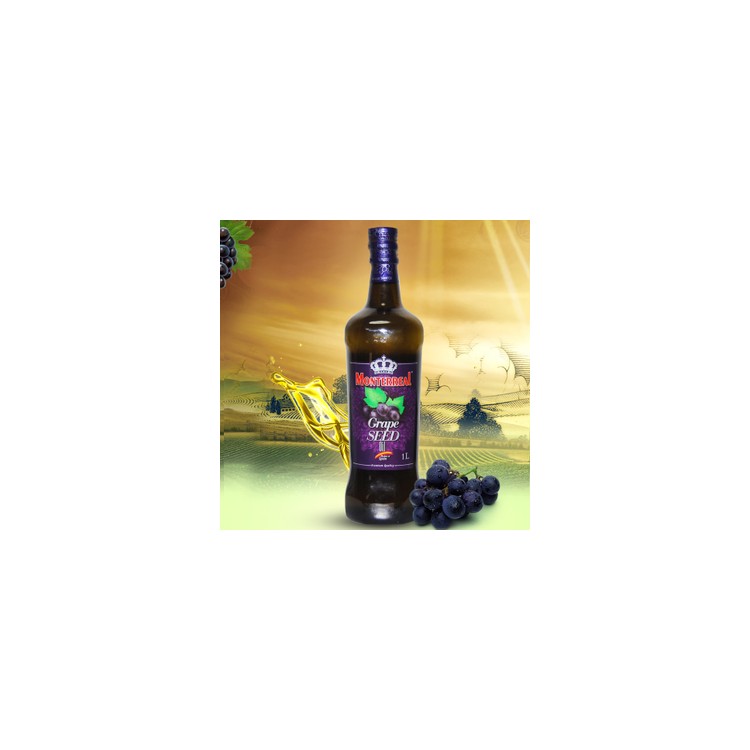








We specialize in customs brokerage for imports, including olive oil, mustard oil, palm oil, castor oil, rapeseed oil, soybean oil, pine nut oil, peanut oil, sunflower oil, tung oil, grape seed oil, Simmondsia chinensis oil, flaxseed oil, coconut oil, neem oil, corn oil, sesame oil, and more.
I. Required foreign documents for importing peanut oil customs declaration:
Certificate of Origin
2. Phytosanitary Certificate/Health Certificate
3. Comprehensive Project Inspection Report
4. Original foreign packaging and translation copies
Section 2: Peanut Oil Import Customs Clearance Process:
Food Receiver Registration
2. Prepare documentation
3. Shipment to Port
4. Port Customs Clearance
5. Taxation, inspection, and sampling inspection
6. Label Registration
7. Provide Inspection and Quarantine Certificate
Section 3: Costs Involved in Import Customs Clearance for Peanut Oil:
1. Reissue fee
2. Customs brokerage fee
3. Terminal Handling Charges
4. Trailer fee
5. Label Registration Fee
6. Regulatory Warehouse Fee
Peanut Oil Import Customs Clearance Process, Peanut Oil Import Clearance Time, Peanut Oil Import Documentation Requirements, Peanut Oil Import Cost Breakdown, Peanut Oil Import Customs and Inspection Procedures, Peanut Oil Import Agent, Call at the top right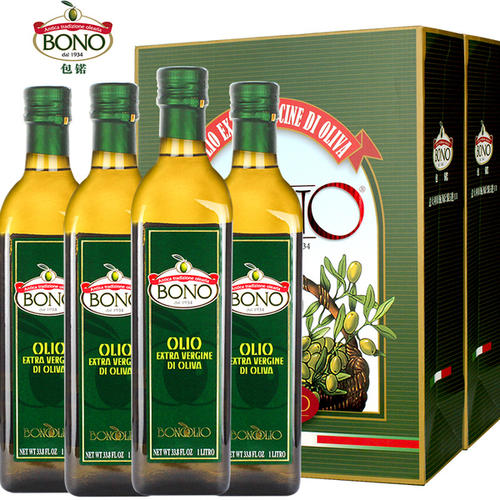
Edible Oil Import Customs Clearance Process, Edible Oil Import Clearance Time, Edible Oil Import Documentation Requirements, Edible Oil Import Cost Breakdown, Edible Oil Import Customs and Inspection Procedures, Edible Oil Import Agent
We specialize in customs brokerage for imports such as olive oil, mustard oil, palm oil, castor oil, rapeseed oil, soybean oil, pine nut oil, peanut oil, sunflower oil, tung oil, grape seed oil, shea butter oil, flaxseed oil, coconut oil, neem oil, corn oil, sesame oil, and salad oil, among others.
Section 1: Required International Documents for Import Customs Clearance of Edible Oils:
Certificate of Origin
2. Phytosanitary Certificate/Health Certificate
3. Comprehensive Project Inspection Report
4. Original foreign packaging and translation copies
II. Edible Oil Import Customs Clearance Process:
1. Food Consignee Record
2. Prepare documentation
3. Shipment to Port
4. Port Customs Clearance
5. Taxation, inspection, and sampling inspection
6. Label Filing
7. Provide Inspection and Quarantine Certificate
Section 3: What are the costs involved in importing and clearing edible oil?
1. Single document fee
2. Customs brokerage fee
3. Terminal Handling Charges
4. Trailer freight
5. Label Registration Fee
6. Regulatory Warehouse Fee
Edible oils, also known as "food oils," refer to animal or vegetable fats used in the production of food. They are typically liquid at room temperature. Due to factors such as raw material sources, processing techniques, and quality, most common edible oils are vegetable oils, including corn oil, rapeseed oil, peanut oil, hemp oil, corn oil, olive oil, camellia oil, palm oil, canola oil, sunflower oil, soybean oil, sesame oil, flaxseed oil (hemp oil), grape seed oil, walnut oil, and peony seed oil, etc.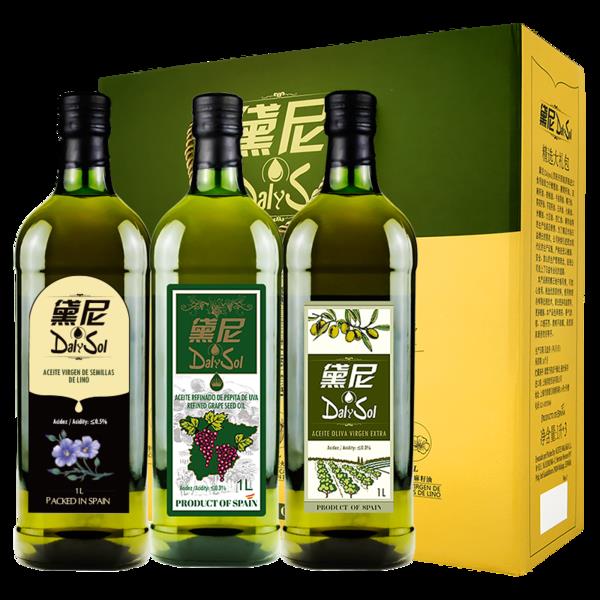
Grape seeds typically account for about 3% to 7% of the total weight of grapes. As a byproduct of the wine industry, they are a source of edible oil. Grape seeds contain 10% to 20% oil, with most grape seed oils having linoleic acid content exceeding 70% of the total fatty acids, some even reaching up to 81%. Varieties with linoleic acid content below 60% are extremely rare. Thus, grape seed oil is classified as a high-linoleic acid oil.
Section 1: Required Foreign Documents for Import Customs Declaration of Grape Seed Oil:
Certificate of Origin
2. Phytosanitary Certificate/Health Certificate
3. Comprehensive Project Inspection Report
4. Original foreign packaging and translation copies
Section II: Grape Seed Oil Import Clearance Process:
Food Consignee Record
2. Prepare documentation
3. Shipment to Port
4. Port Customs Clearance
5. Taxation, Inspection, Sampling
6. Label Filing
7. Issue Inspection and Quarantine Certificate
Section 3: What are the costs involved in importing and customs clearance of grape seed oil?
1. Document Reissue Fee
2. Customs brokerage fee
3. Terminal Handling Charges
4. Trailer Fee
5. Label Filing Fee
6. Regulatory Warehouse Fees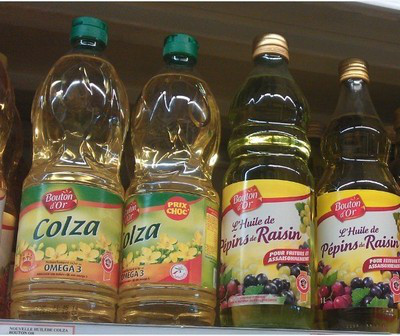
We specialize in customs brokerage for: olive oil, mustard oil, palm oil, castor oil, rapeseed oil, soybean oil, pine nut oil, peanut oil, sunflower oil, tung oil, grape seed oil, shea butter oil, flaxseed oil, coconut oil, neem oil, corn oil, sesame oil, and other imported products.
If the customs code for imported edible vegetable oils requires a "7" to indicate that an "Automated Import License" is needed, how should this license be obtained? When should it be processed? Please refer to the following:
I. Application Process
1. Register an import/export company
2. Registered with the Beijing Animal and Poultry Chamber of Commerce; an electronic key will be issued upon registration.
3. Access the system at the company's registered location using the electronic key.
4. Based on actual import information, input content through the system to apply
5. Approval Granted
2. Processing Time: After the product is shipped and an accurate packing list is provided
Imported Goods Receiver Registration Process
1. Record System Application
2. Submit email application materials
3. Inspection and Audit
4. Re-examination and List Inquiry
Section II: Application Materials for Import Consignee Registration
(1) Import Receiver Registration Application Form
(2) Business License (Three-in-One), Legal Representative's Identity Certificate, Foreign Trade Operator's Record and Registration Form
(3) Corporate Quality and Safety Management System
(4) Organizational structure, departmental functions, and job responsibilities related to food safety
(5) Warehouse Agreement
(6) No Import Declaration
WeChat Official Account

Scan to follow Official Account