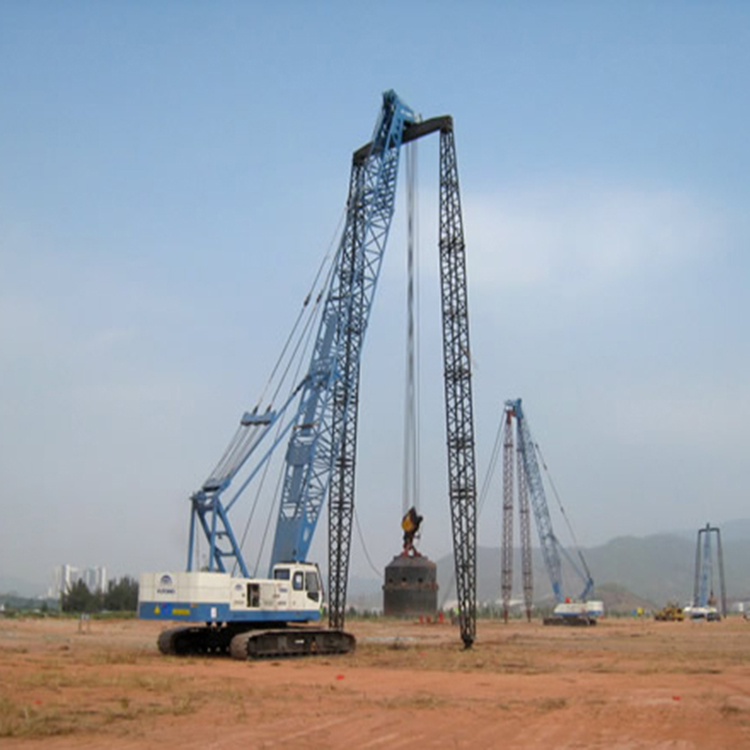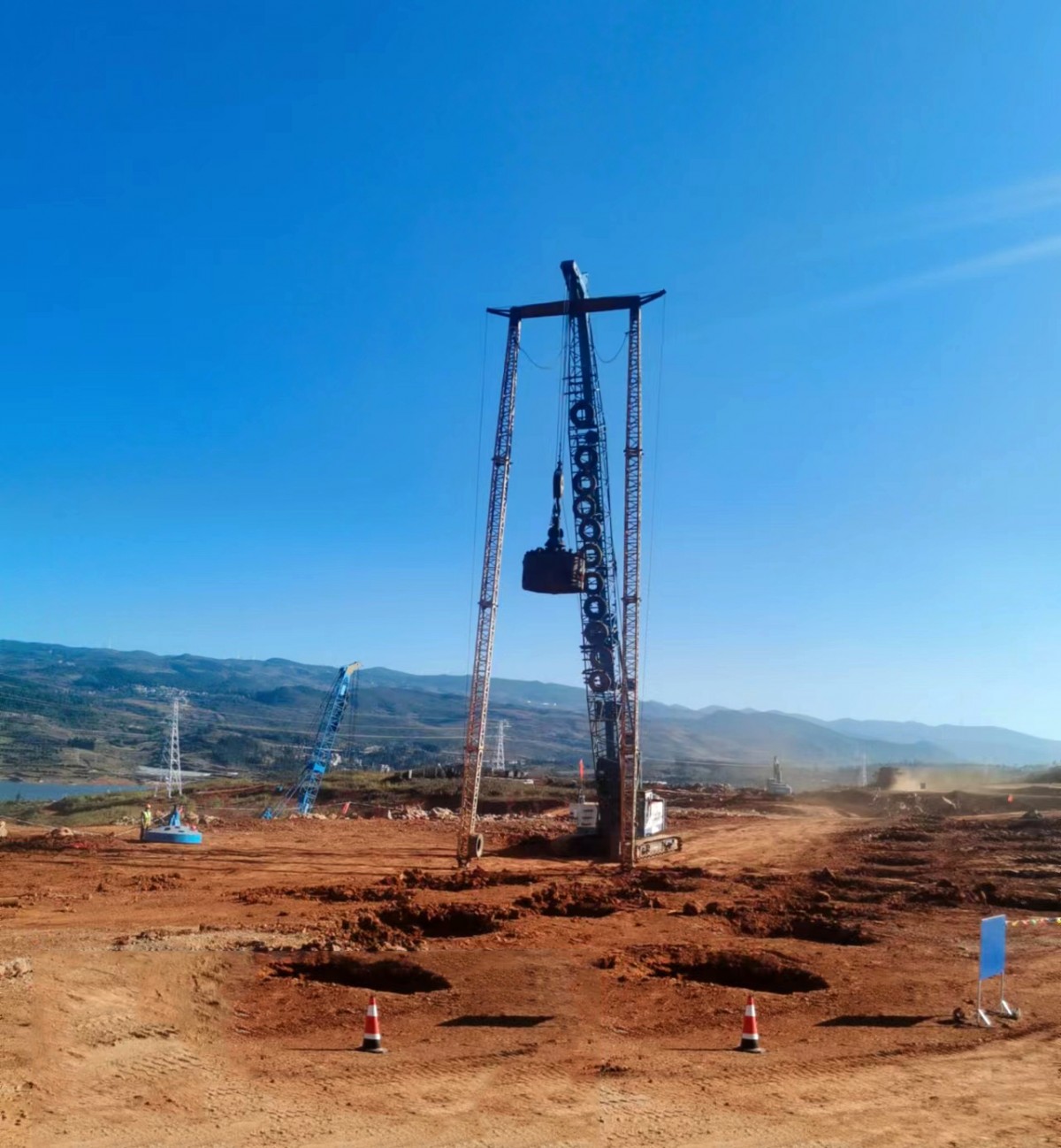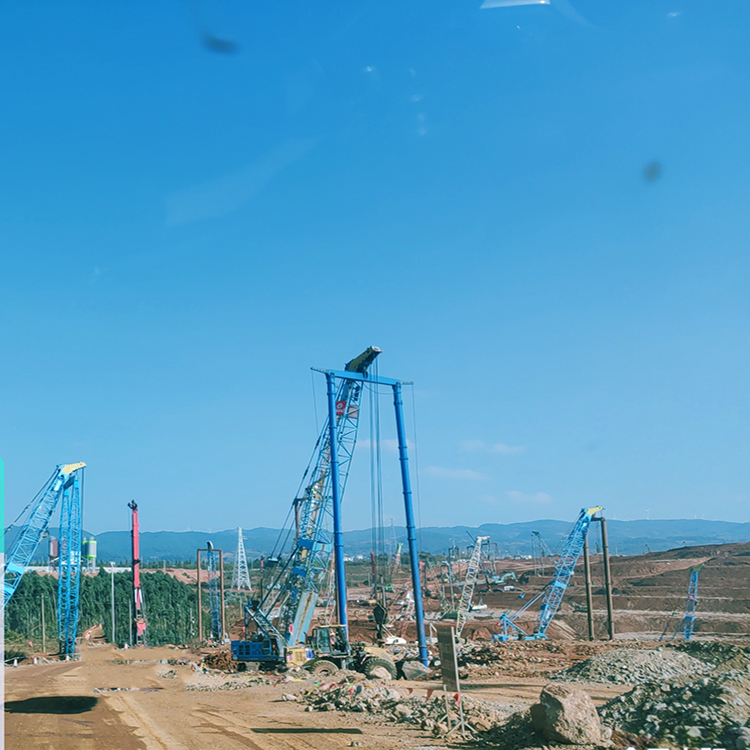











How to determine the treatment scope for the dynamic compaction and dynamic compaction replacement methods?
Due to the fundamental stress diffusion effect and seismic resistance requirements, the compaction treatment area should be larger than the foundation area of the structure. The specific area can be determined based on factors such as the type and importance of the building structure. For general buildings, the width beyond the outer edge of the foundation on each side should be 1/2 to 2/3 of the designed treatment depth below the foundation, and it should not be less than 3 meters. For liquefiable foundation soils, each side should extend beyond the designed treatment depth below the foundation by 1/2, and it should not be less than 5 meters. For collapsible loess foundation soils, the following requirements should be met:
(1) For local treatment, non-self-weight collapsible loess sites should extend 1/4 of the foundation base width on each side, not less than 0.5m; for self-weight collapsible loess sites, each side should extend 3/4 of the foundation base width, not less than 1m.
(2) When treated as a whole piece, the width beyond the outer edge of the building's foundation wall should be no less than 1/2 the thickness of the treated soil layer, and not less than 2 meters on each side.