



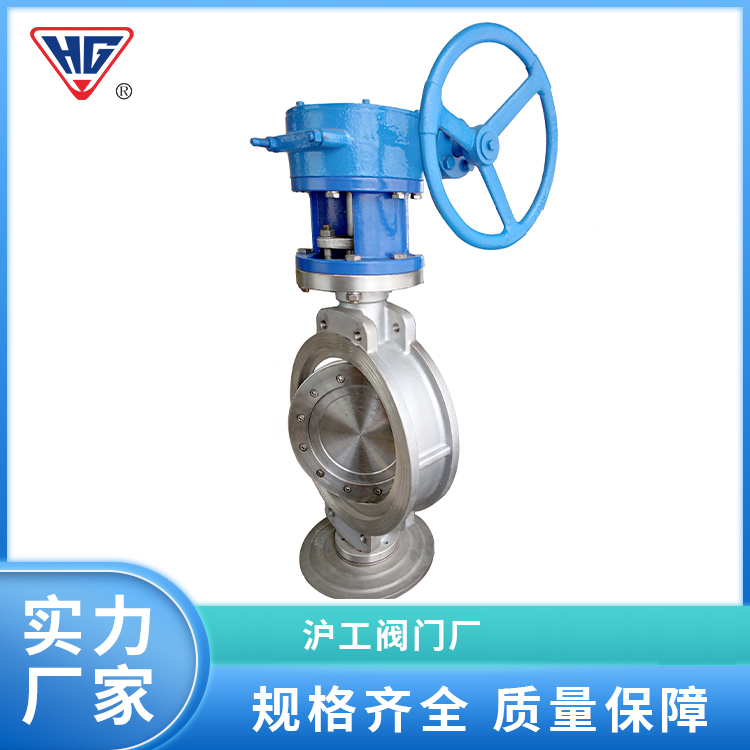
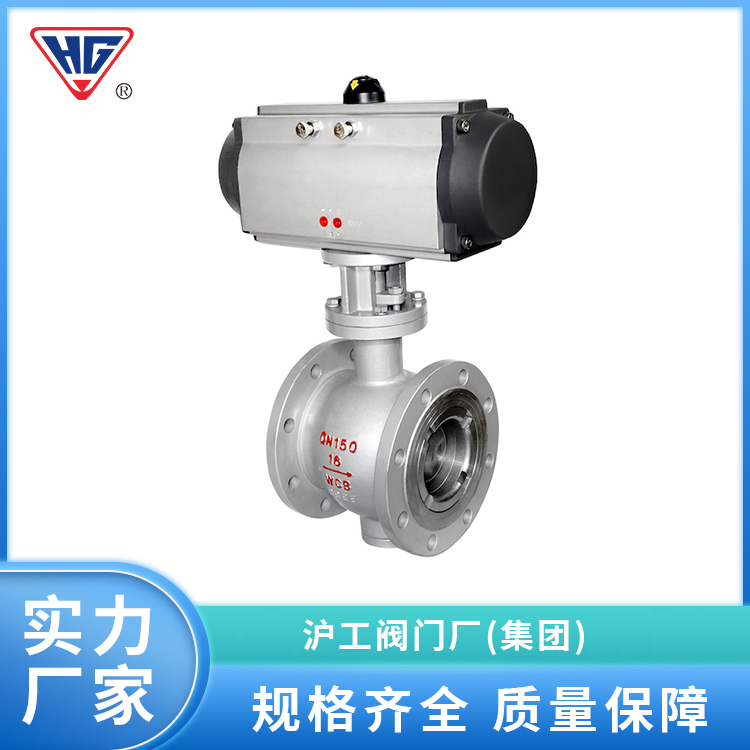







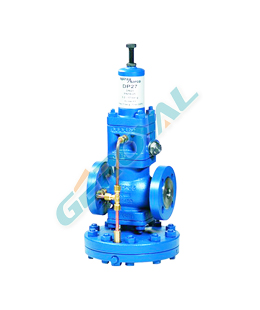
A pressure reducing valve reduces the incoming pressure to a desired outlet pressure by adjusting the bolt and relies on the energy of the medium itself to maintain a stable outlet pressure. From a hydrodynamic perspective, a pressure reducing valve is a throttling element with variable local resistance, which changes the flow velocity and kinetic energy of the fluid by altering the throttling area, resulting in different pressure losses to achieve the purpose of pressure reduction. Then, by controlling and adjusting the system, it balances the fluctuations of the pressure after the valve with the spring force, keeping the pressure after the valve constant within a certain error range.
Pressure reducing valves can be categorized by application into: air pressure reducing valves, steam pressure reducing valves, gas pressure reducing valves, water pressure reducing valves, etc.; and by structural form into: diaphragm pressure reducing valves and piston type pressure reducing valves.