













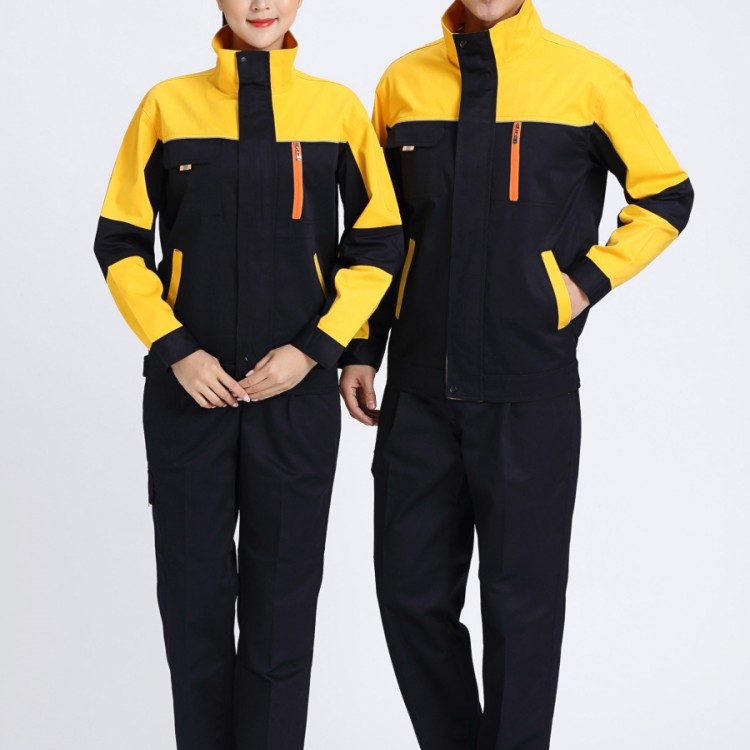

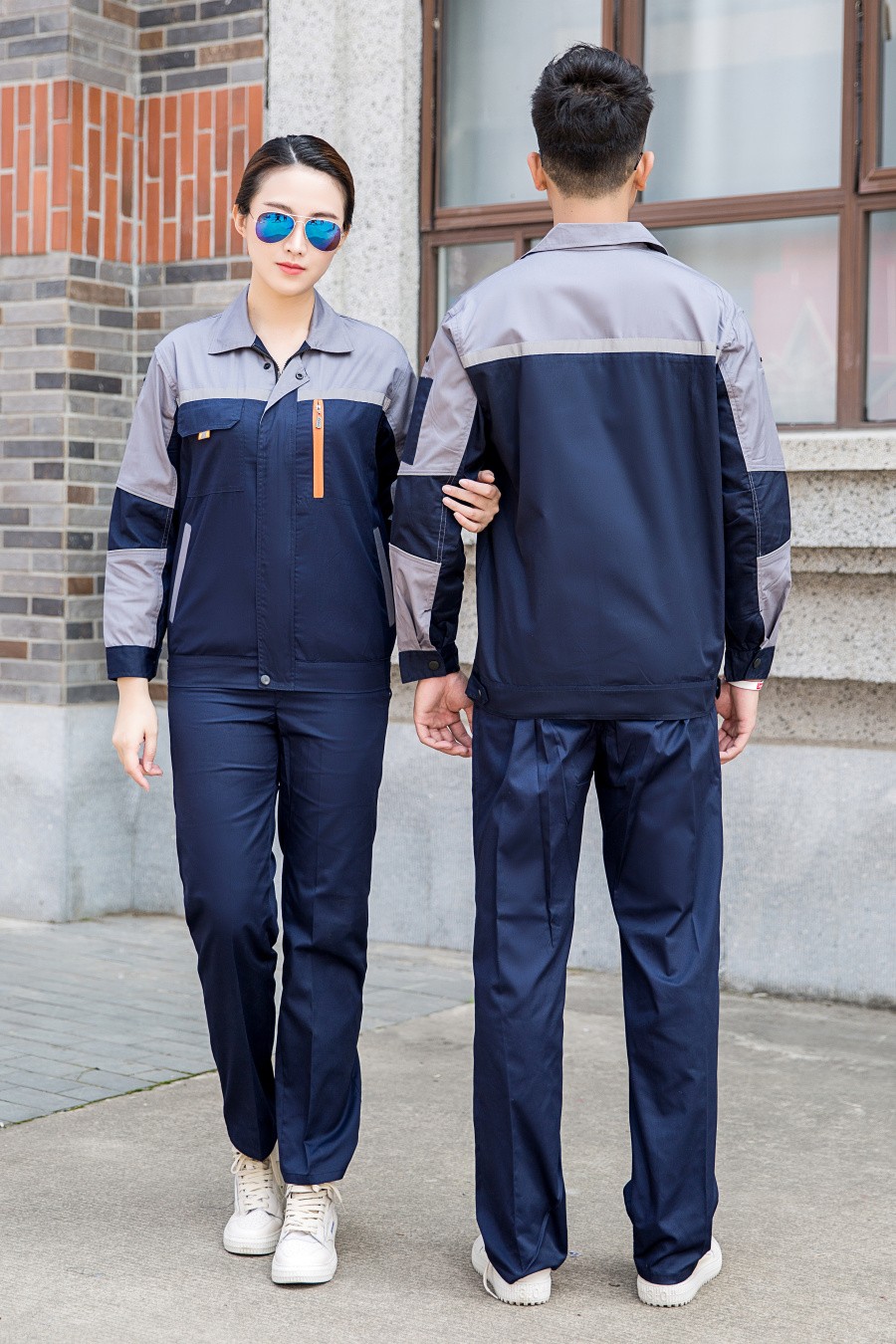
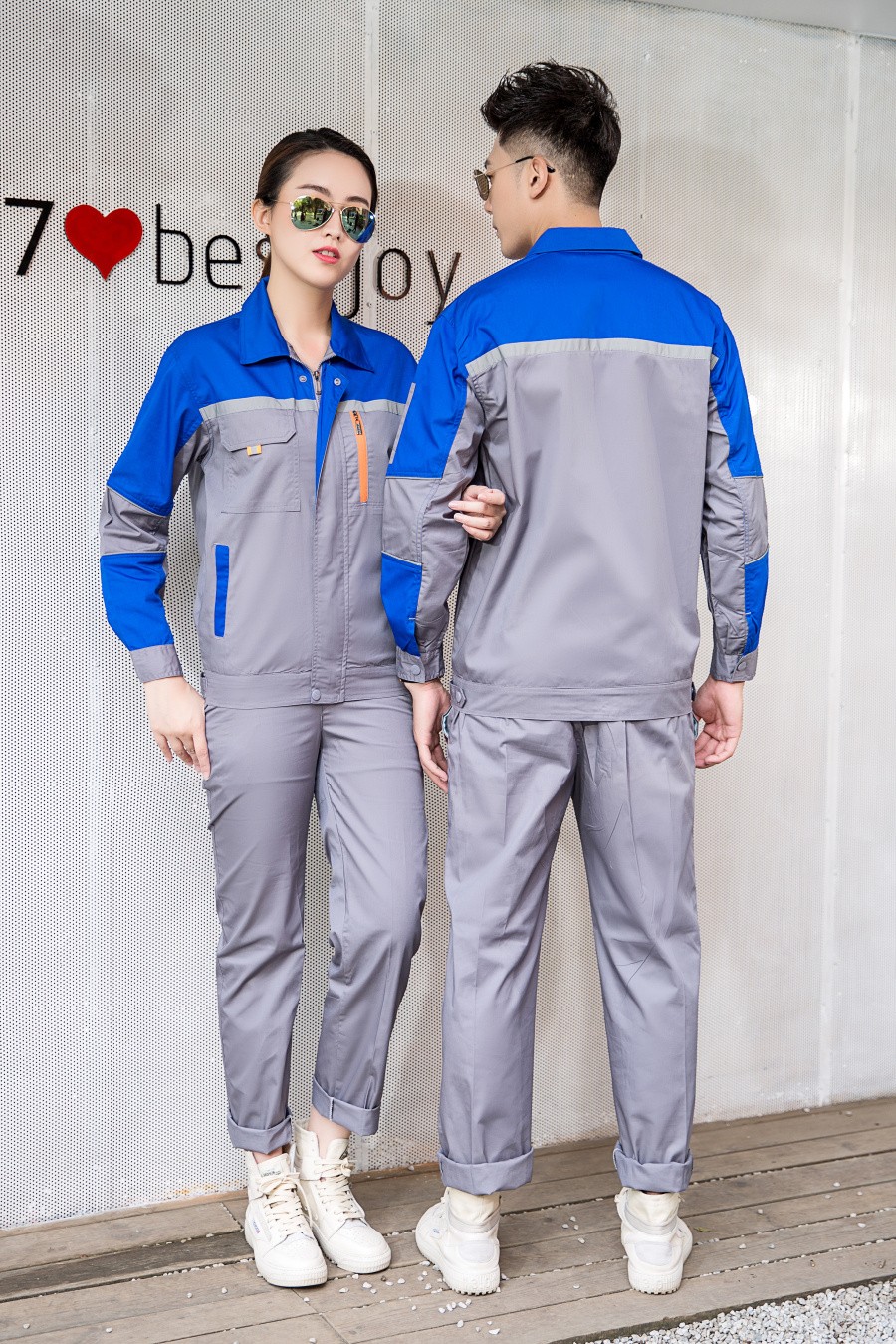
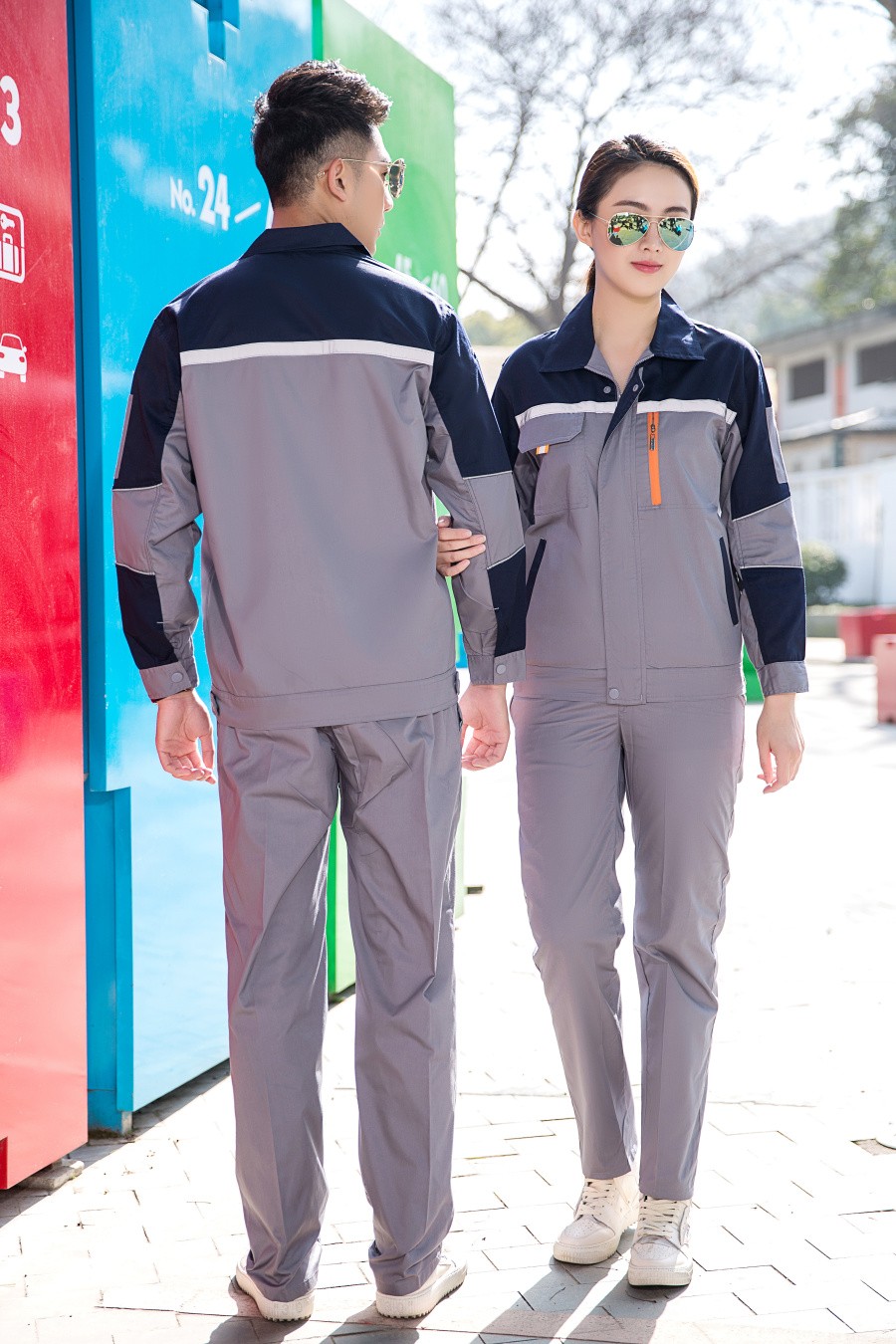
Summer Workwear Fabric Selection Criteria:
Moisture Absorption Properties
Moisture-wicking is one of the essential basic properties for custom summer work uniforms. Good moisture-wicking capabilities ensure comfort while wearing, quickly absorbing sweat and regulating body temperature. From the organizational structure of custom summer work uniform materials, knitted fabrics have better moisture-wicking properties than woven fabrics, with warp-knitted being the best. In actual use, the moisture-wicking of the outer material should be worse than that of the inner material.
2. Insulation performance
Thermal retention is one of the essential basic properties of custom summer workwear materials. The more stationary air contained in the textile fibers, the stronger the thermal retention. For instance, wool yarn is more fluffy than cotton yarn, thus offering better thermal retention. Loosely woven fabrics have stronger thermal retention than tightly woven ones, such as coarse woolen fabric having better thermal retention than fine woolen fabric. Moreover, natural fibers have better thermal retention than synthetic fibers.
3. Elasticity and strength
Elasticity refers to the ability of custom summer workwear materials to return to their original shape after being compressed and deformed. Generally, natural fibers have good elasticity but a weaker ability to restore their shape. Synthetic fibers, especially polyester, have a strong ability to return to their original shape, resulting in more crisp garments. Strength refers to the durability when in use. Typically, the strength of synthetic fibers is much greater than that of natural fibers, making them less prone to tearing.
4. Breathability
Breathability is a property that regulates human comfort and is closely related to health. The strength of breathability depends on the density, thickness, and surface shape of the material, and should be carefully selected based on the design intent.