
















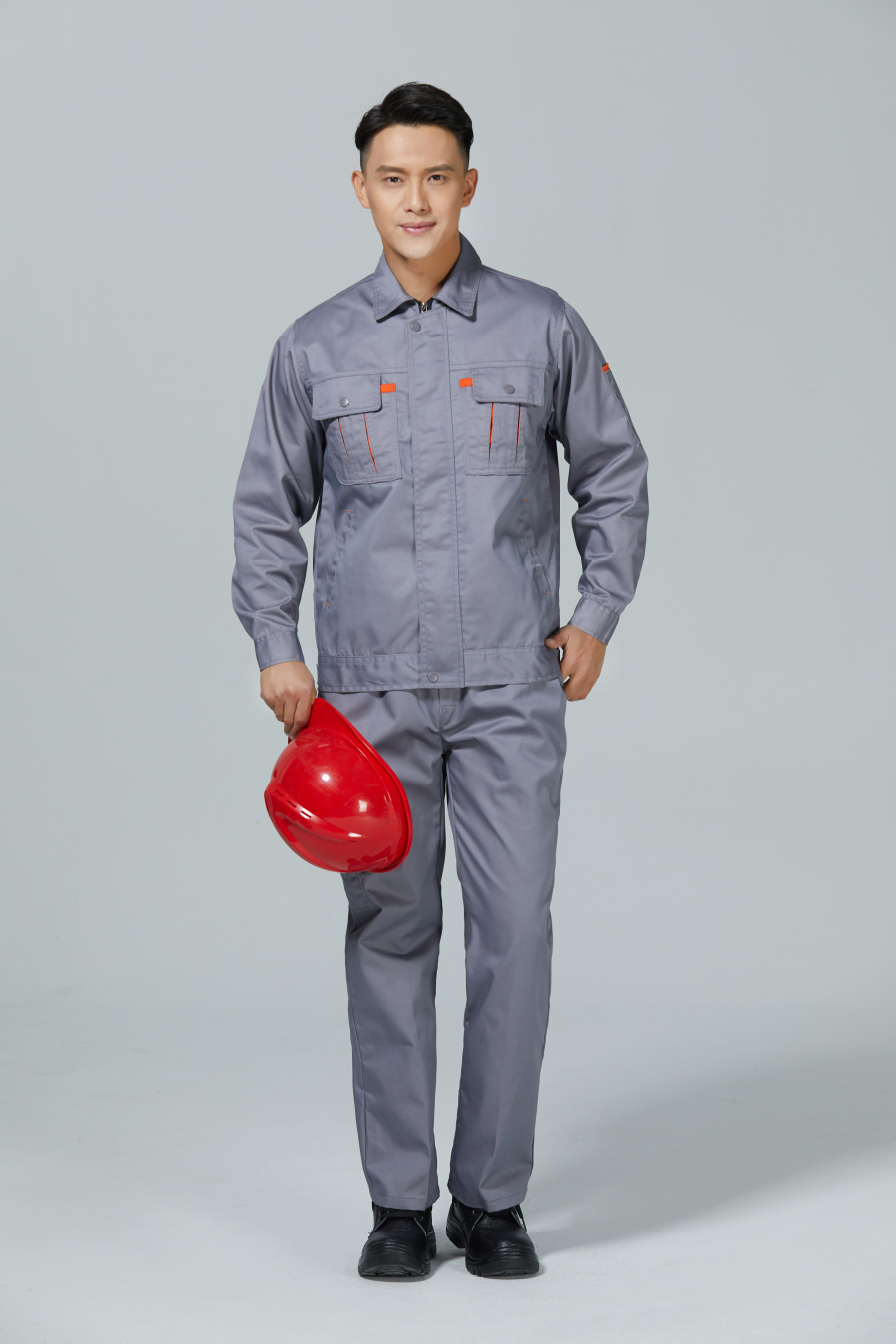
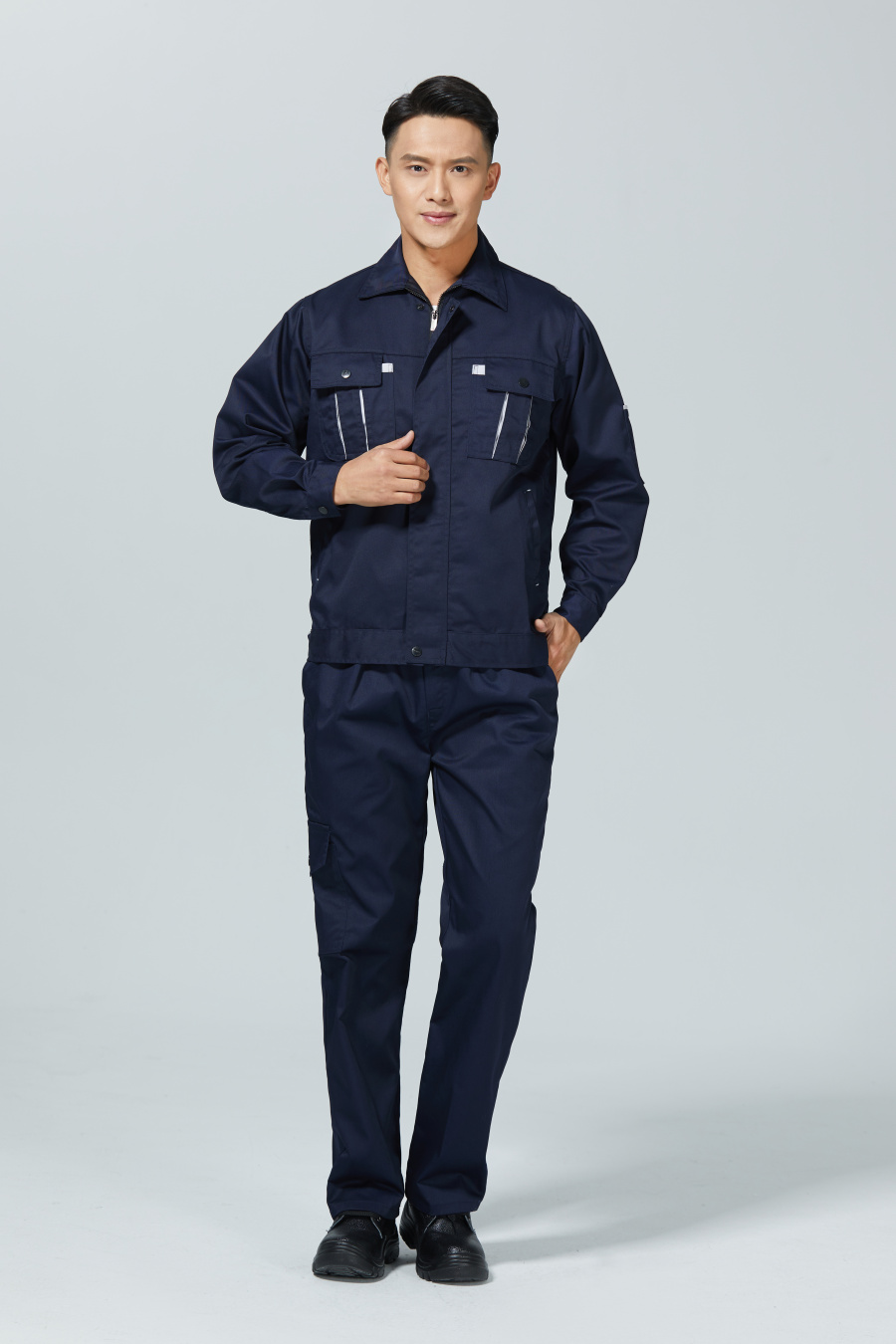
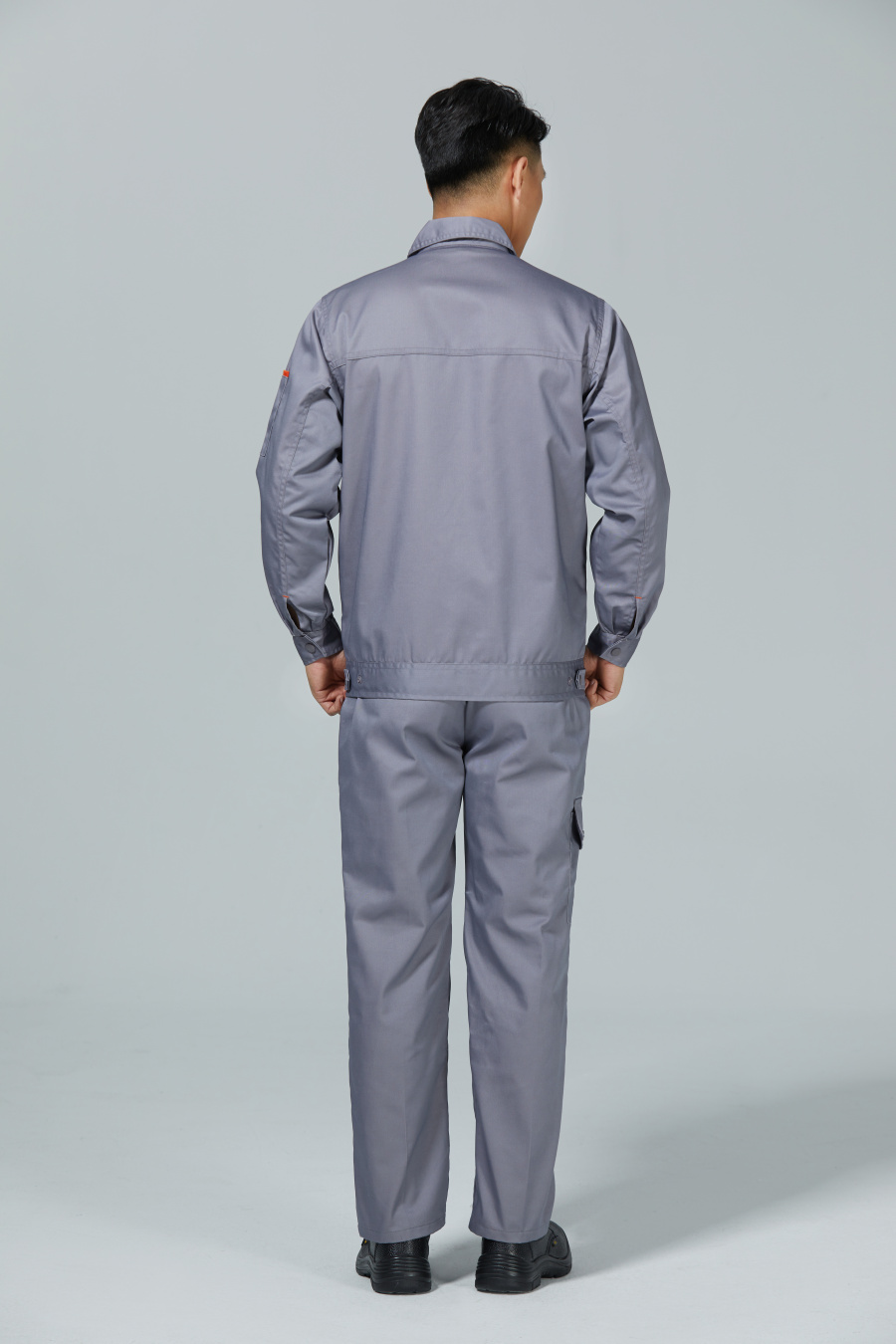

High-quality workwear fabric and dyes
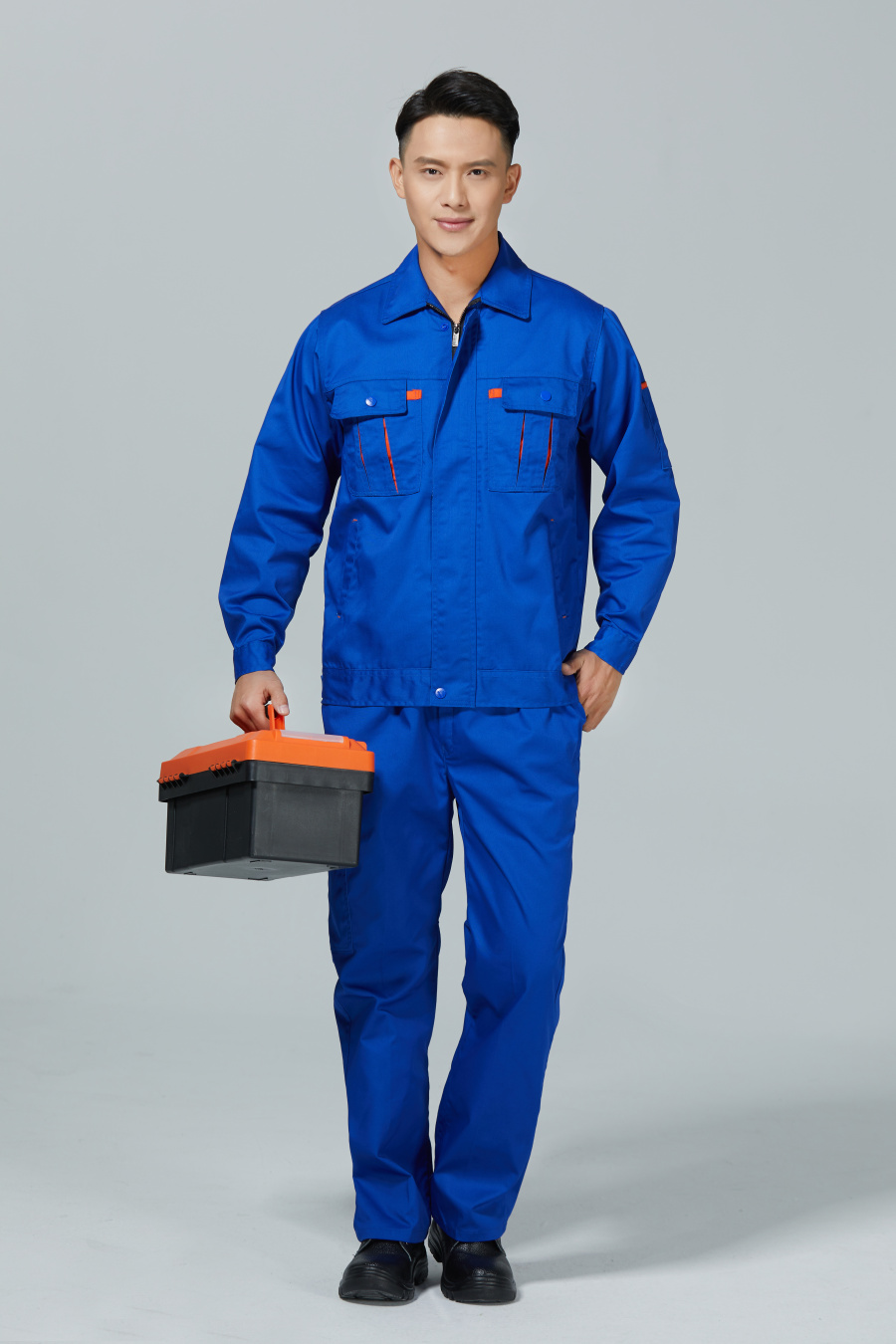
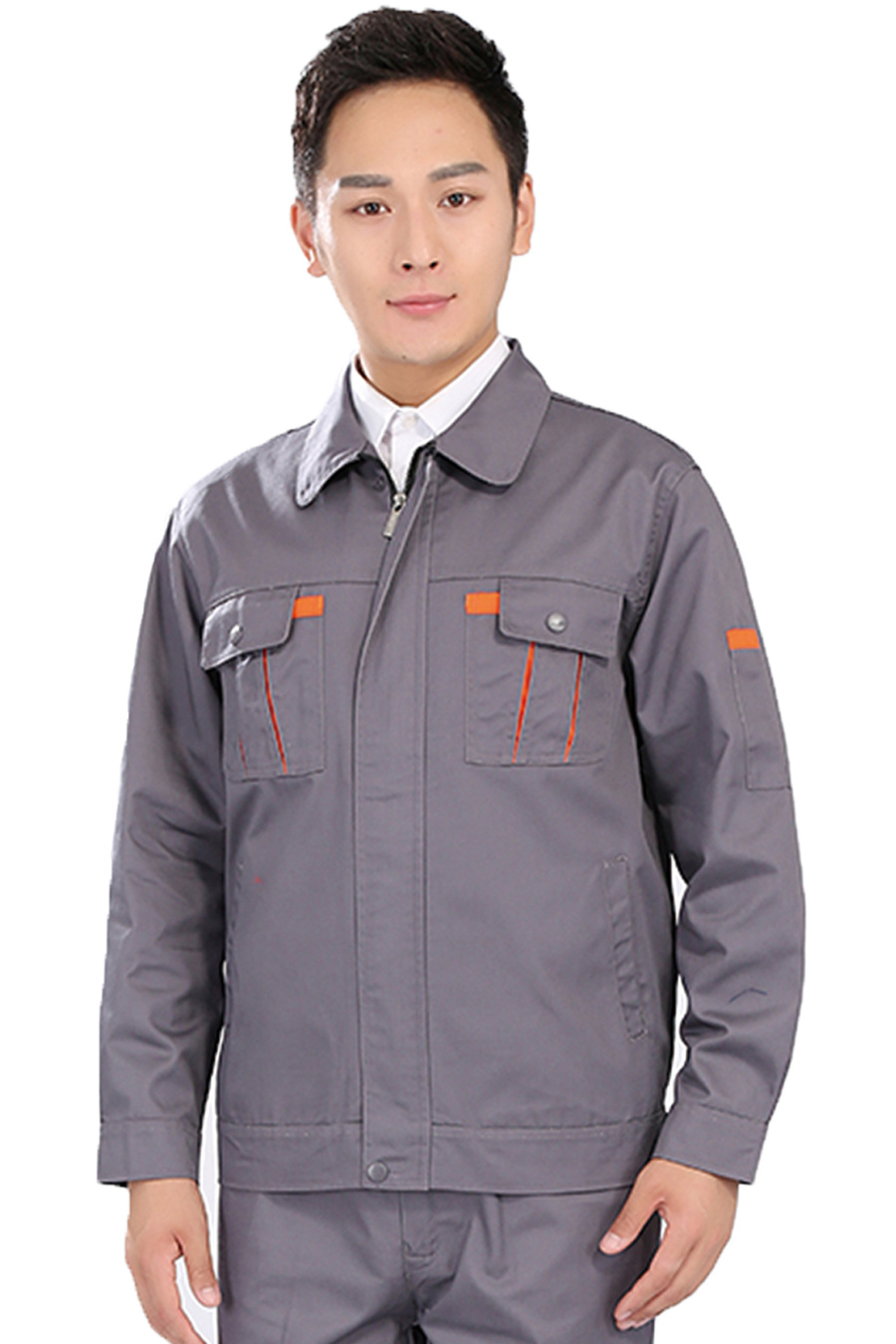
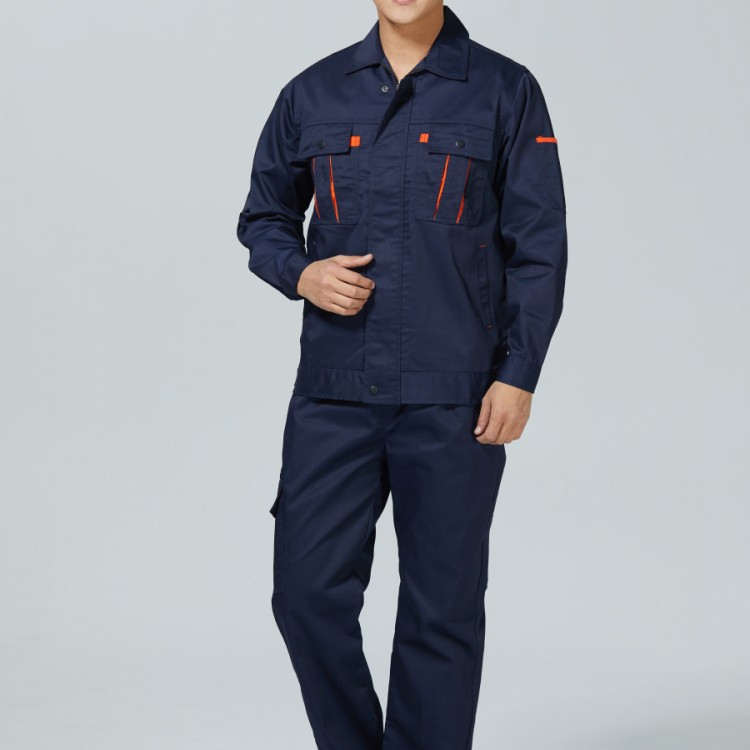
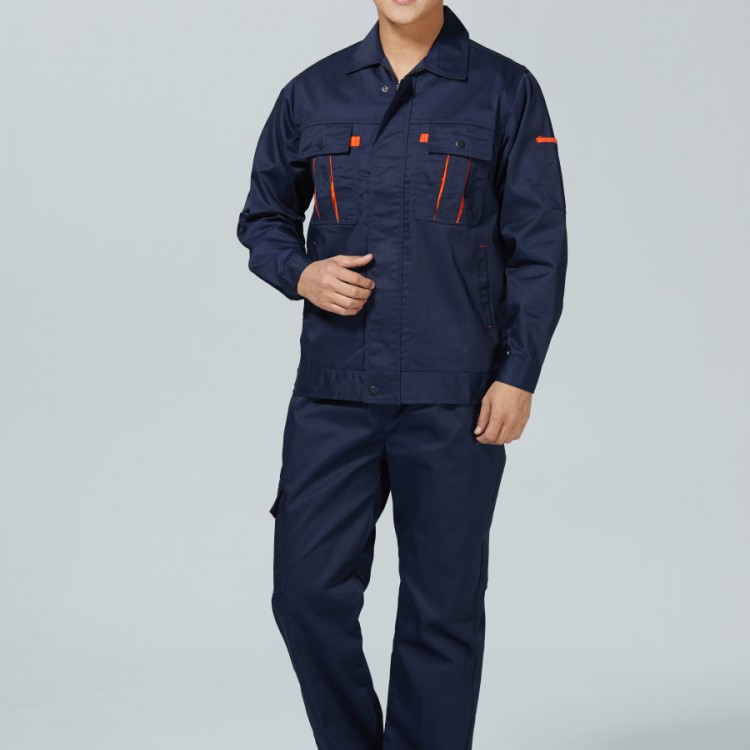
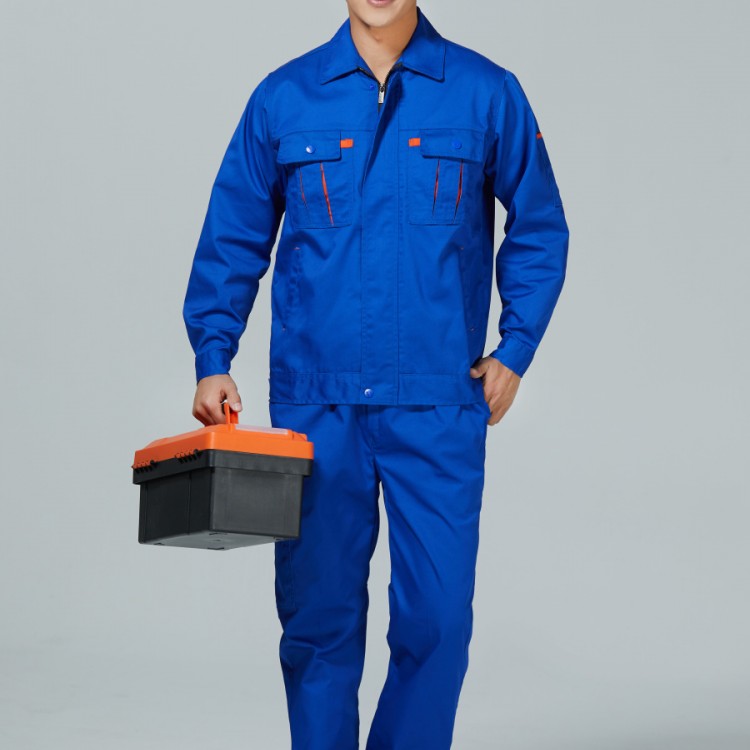
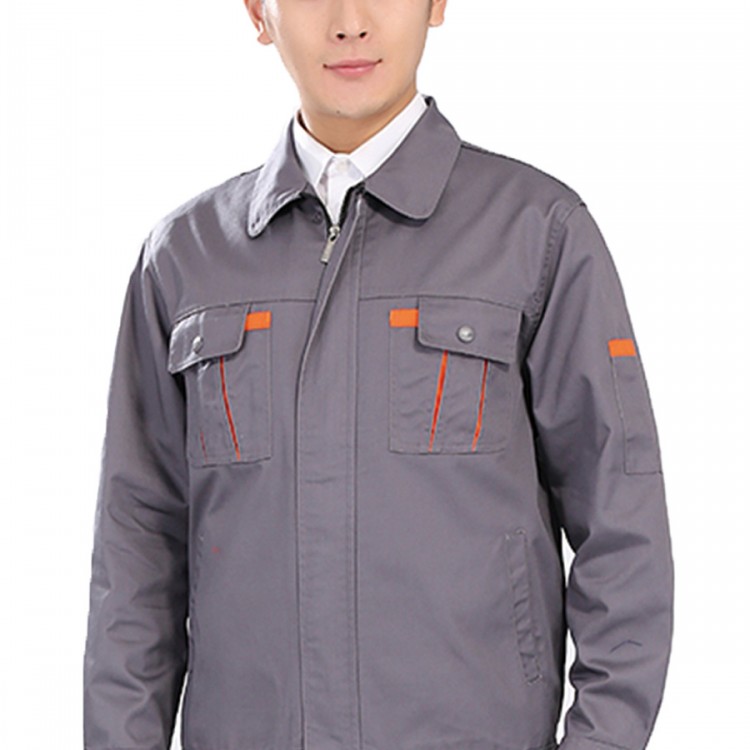
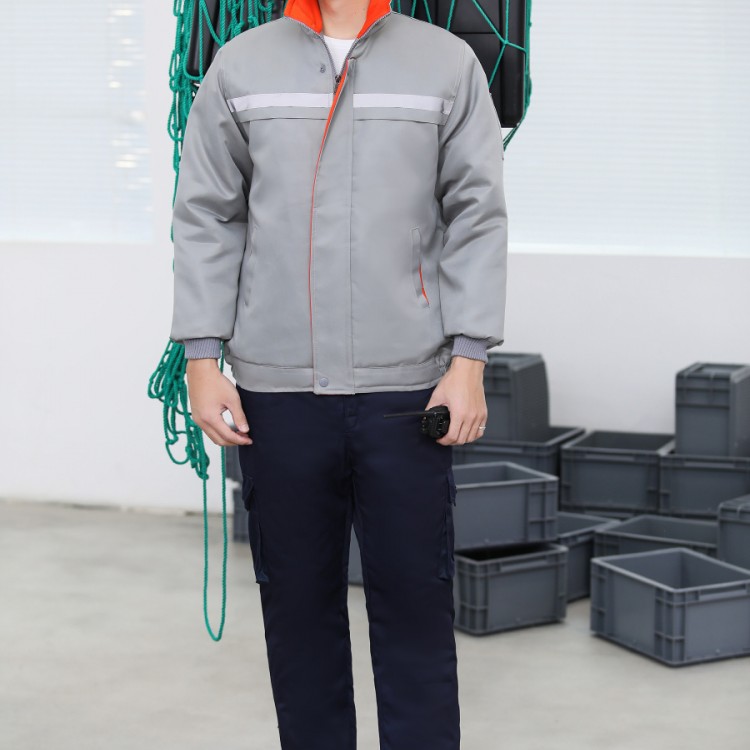
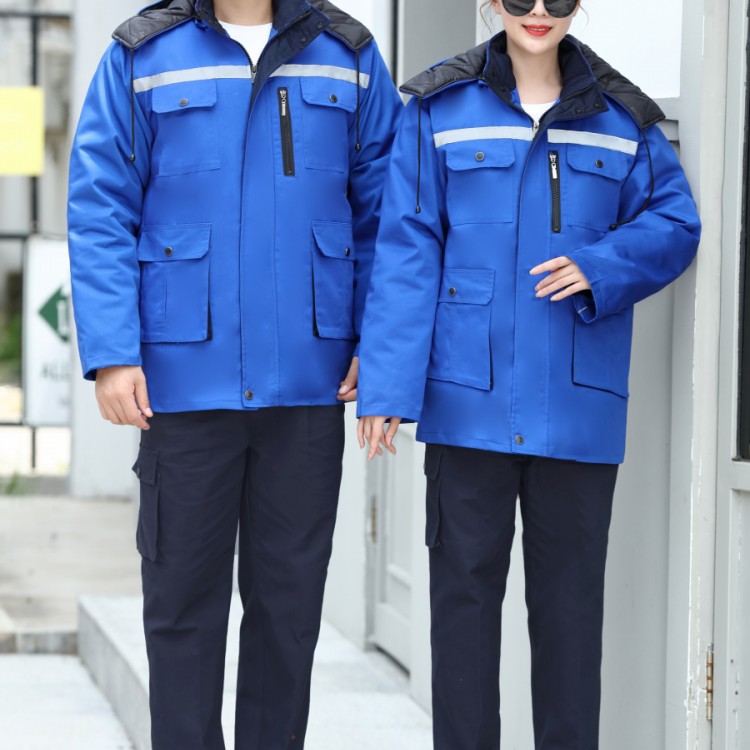
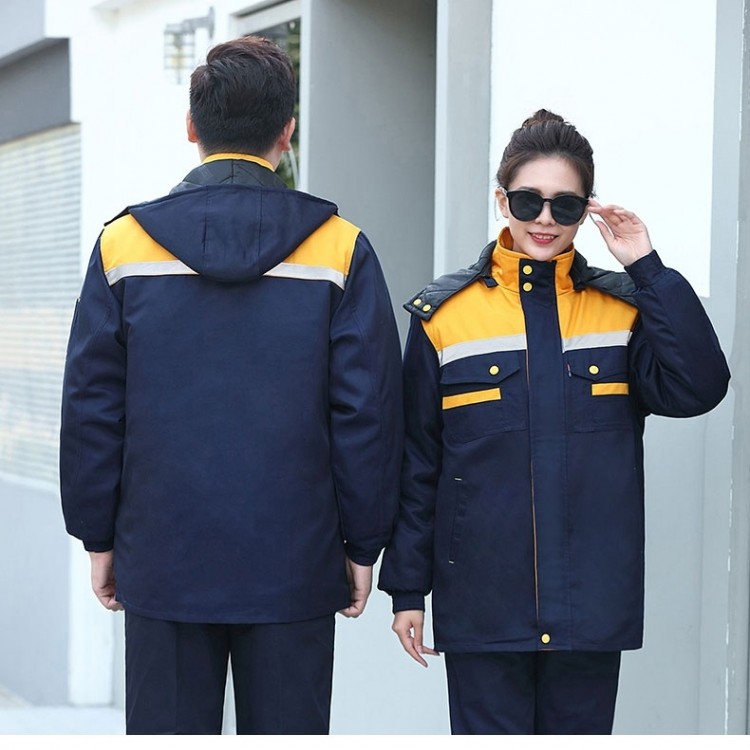
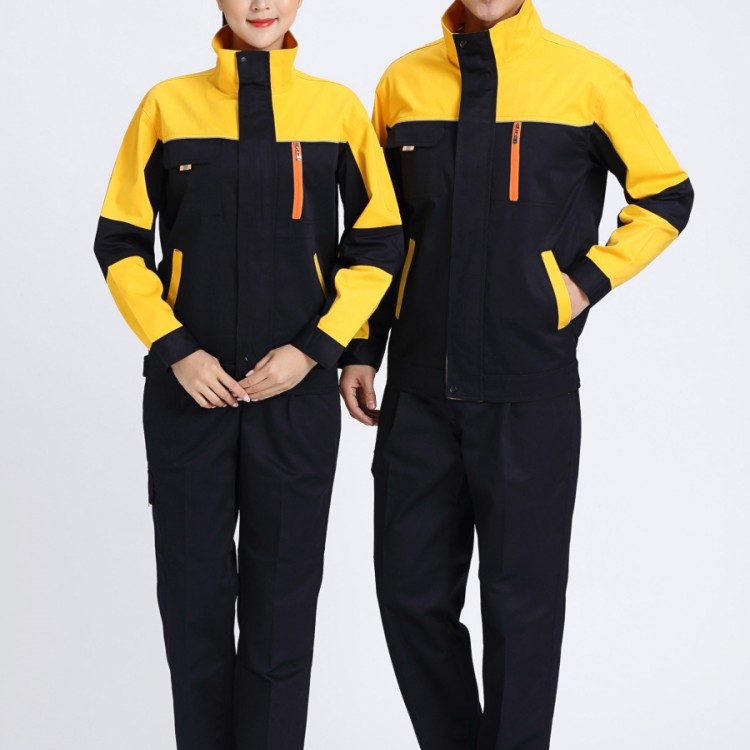
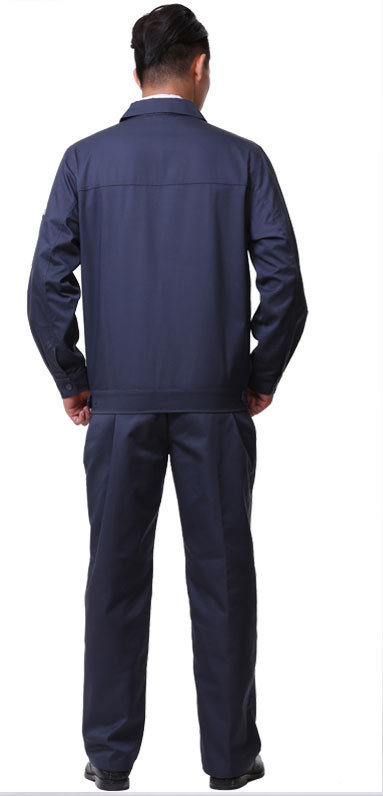
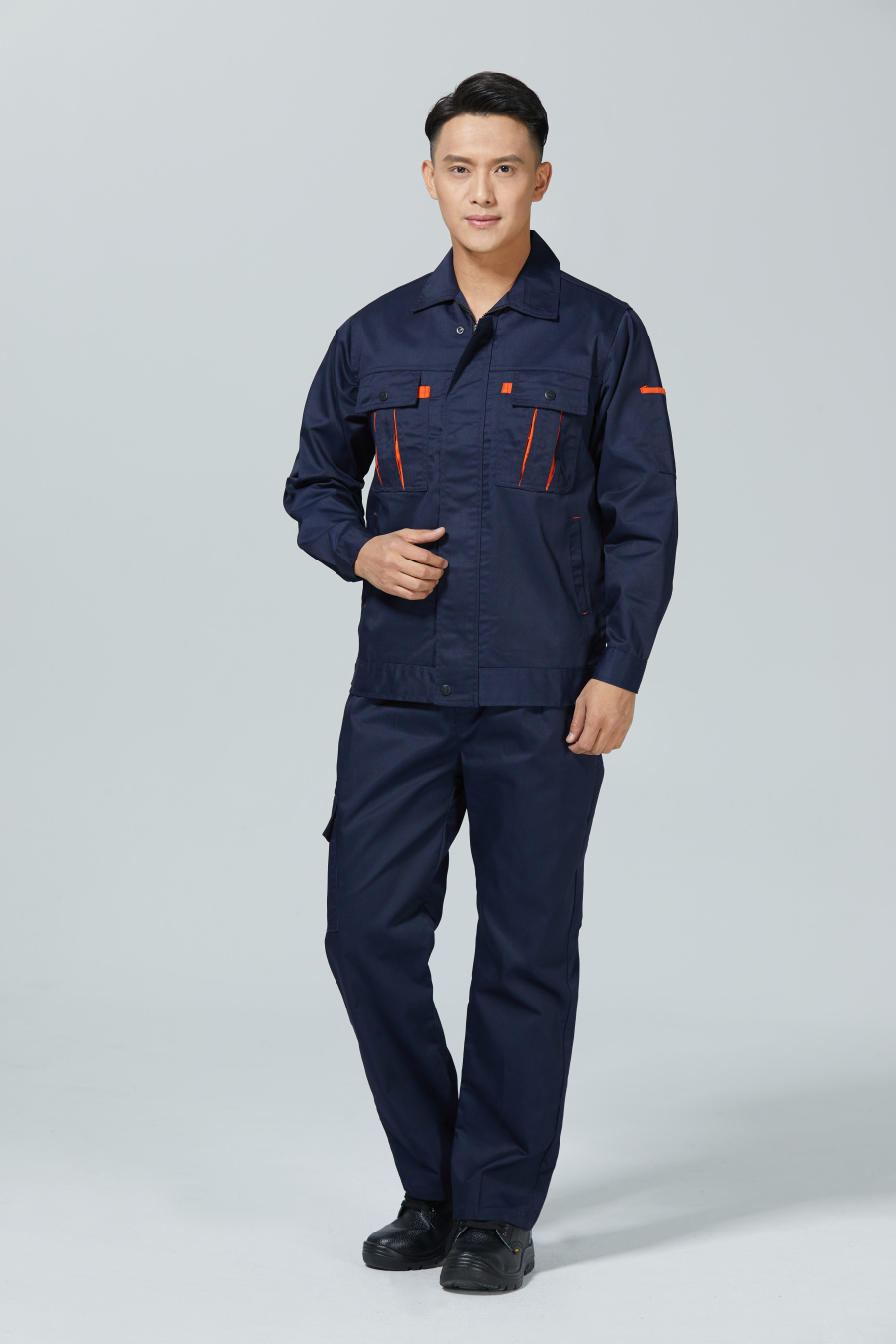
In workwear fabrics, the most commonly used are cotton duck and canvas. High-quality workwear typically uses cotton duck or canvas, which is natural cotton, not synthetic. Only natural cotton fabrics can effectively absorb moisture, breathe, and feel comfortable against the skin. Calling synthetic cotton "cotton" and using it for workwear significantly reduces the cost. Next is the dye and processing of the fabric. High-quality workwear fabrics usually have reactive dyes that do not fade, while poor-quality workwear often bleeds when washed. Moreover, using low-quality dyes can be harmful to health. Therefore, high-quality workwear does not compromise on fabric or dye quality.
2. High-quality workwear craftsmanship
High-quality workwear typically has very few loose threads upon completion, as seen when the customer receives the finished product. Poorly made workwear, however, often has numerous exposed threads and irregular stitching. Good craftsmanship is a sign of quality, and even with superior materials, poor workmanship can detract from the workwear's aesthetics and practicality.
3. High-quality workwear with printed and embroidered designs
When purchasing work uniforms, most companies require the printing or embroidery of their logo. High-quality work uniforms typically feature logos that do not fade or unravel. Screen printing ensures that the work uniforms, like the fabric, use reactive dyes. Computer embroidery determines the logo's durability by the number of stitches, so high-quality work uniforms pay special attention to these details.