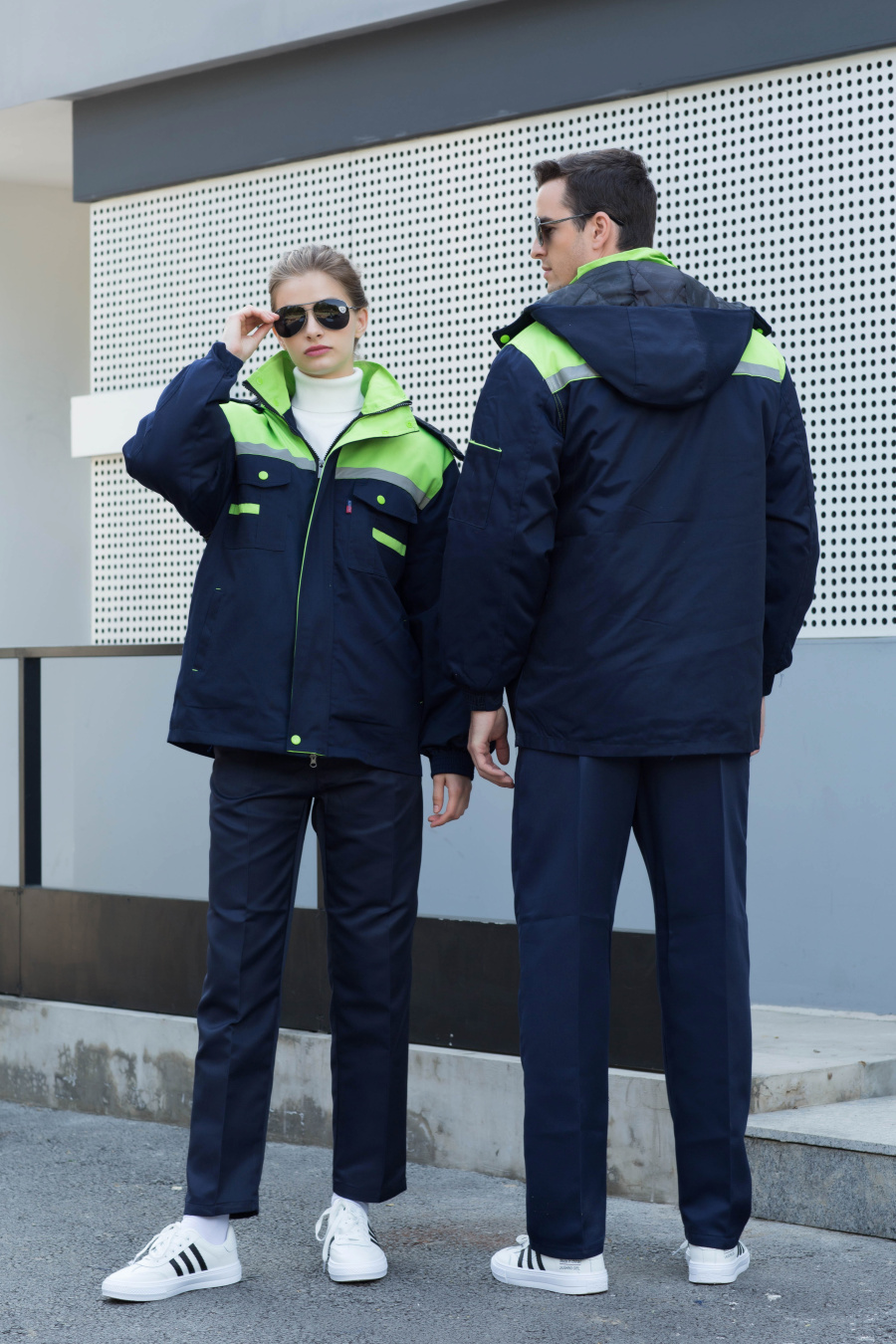

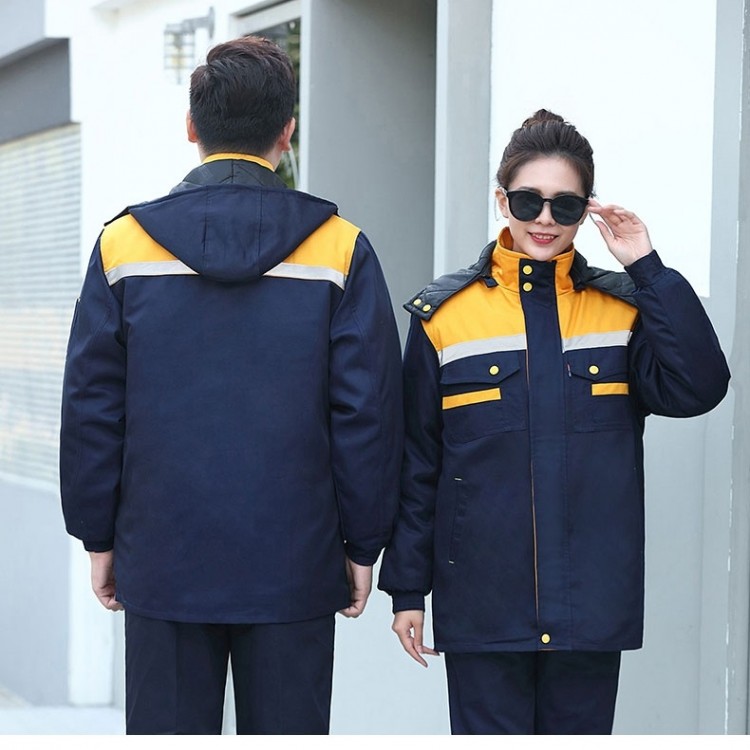

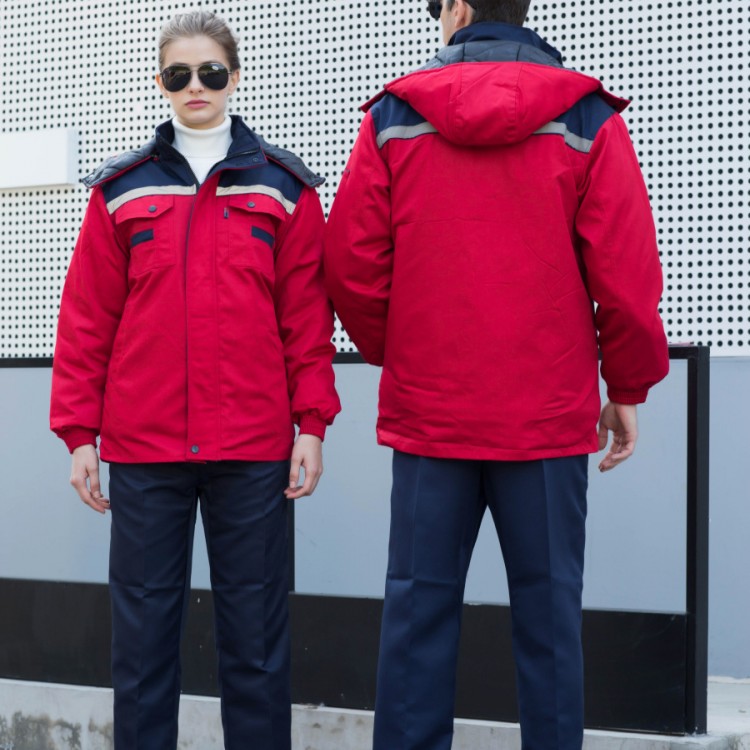














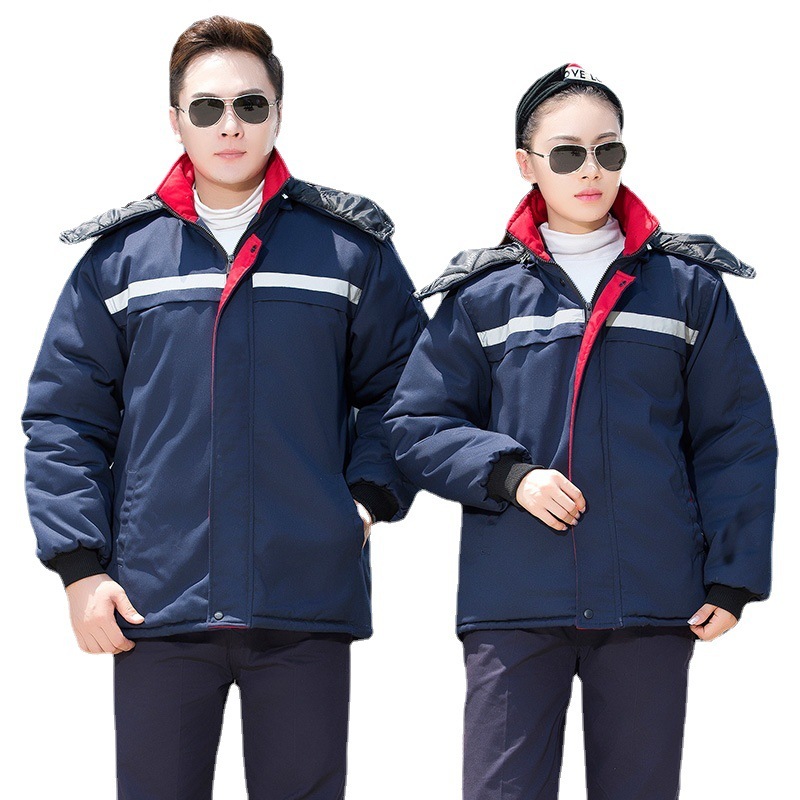


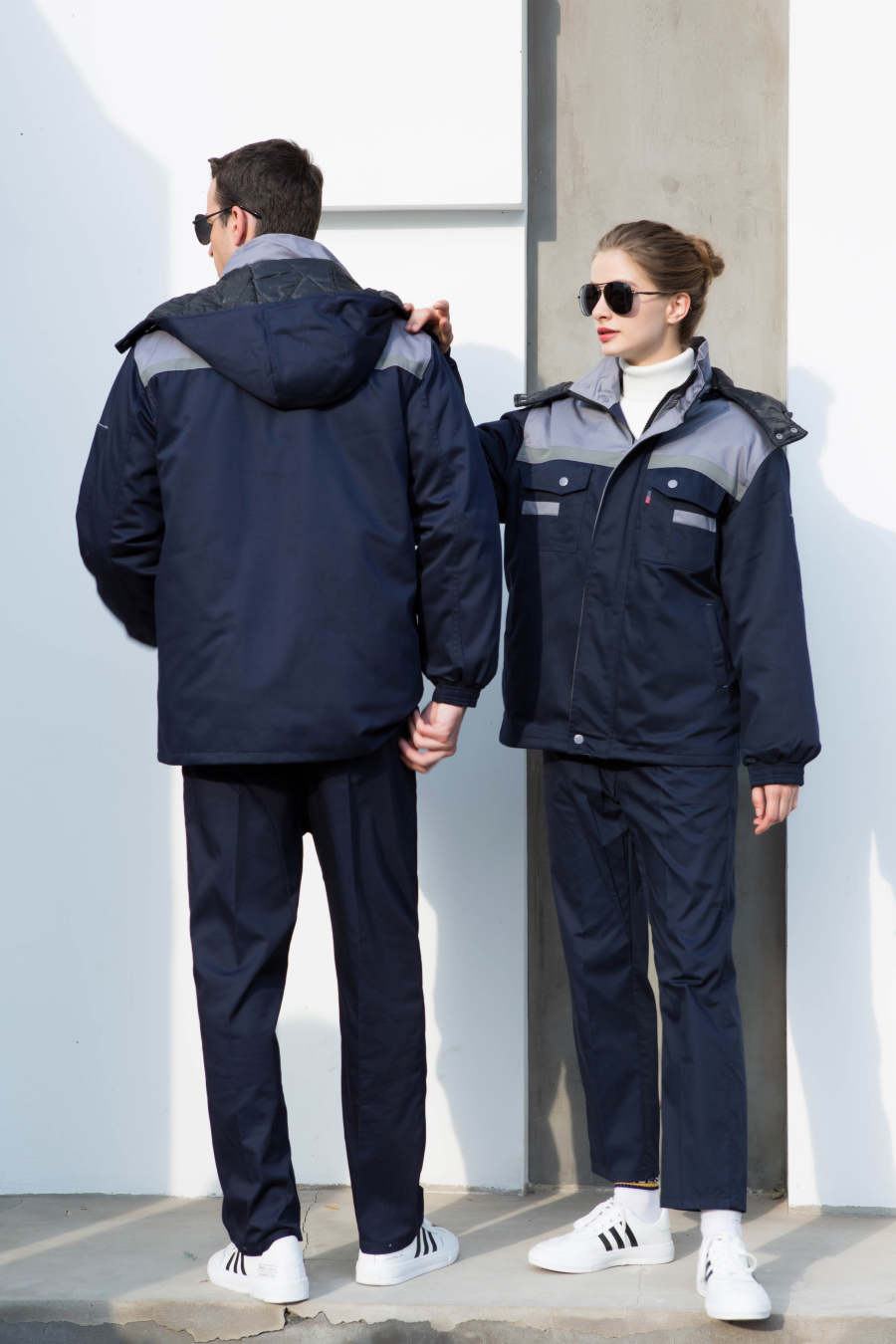
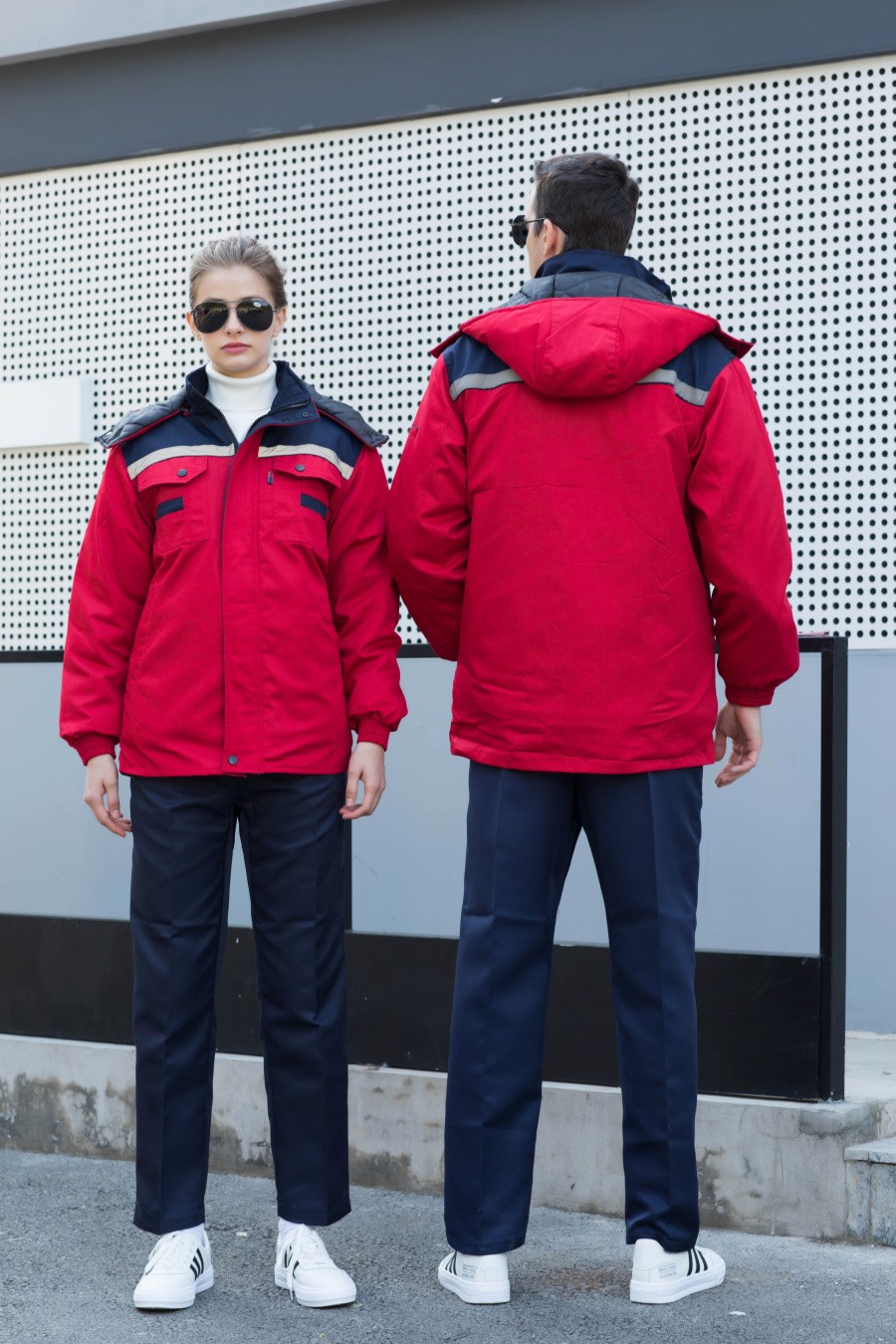

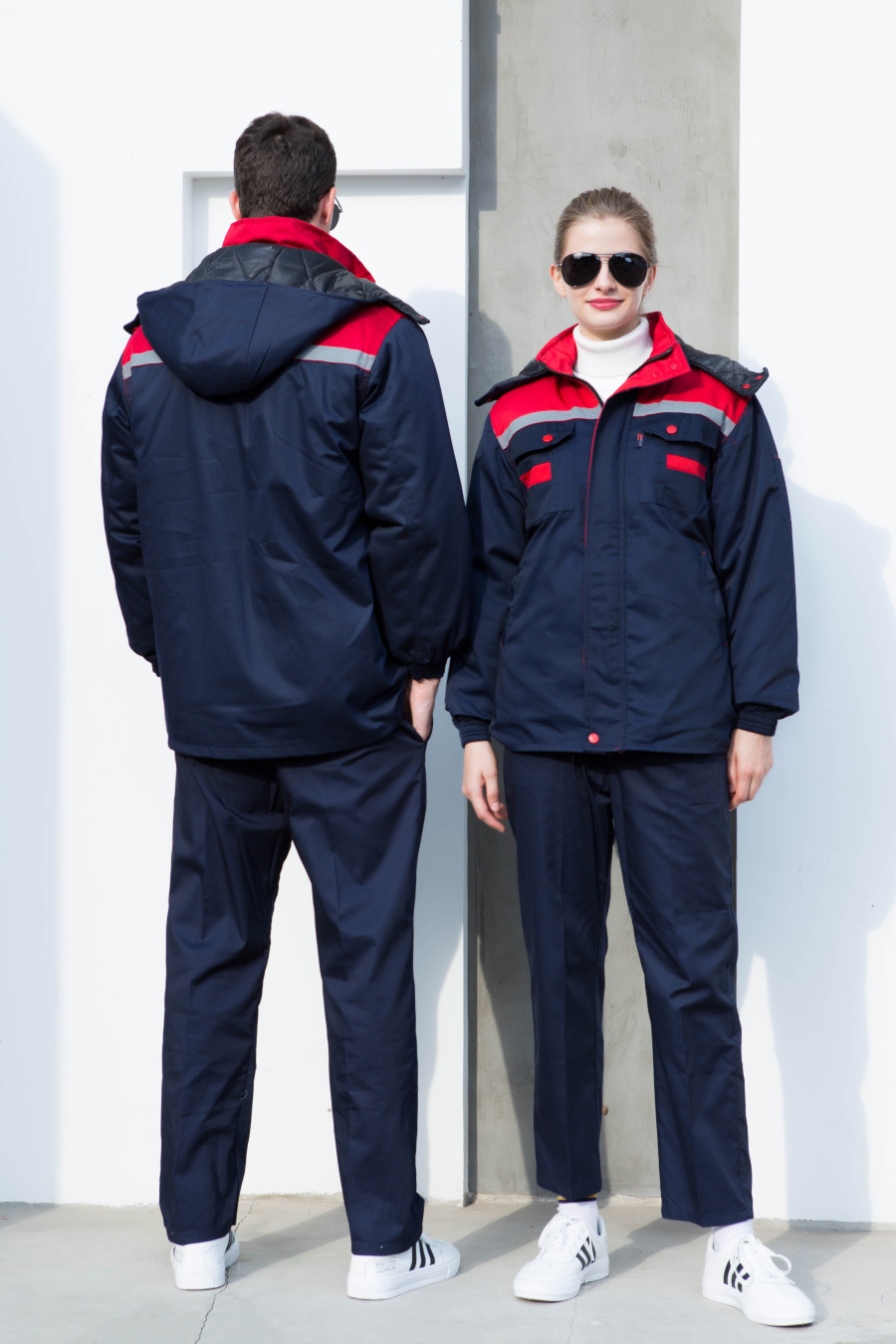
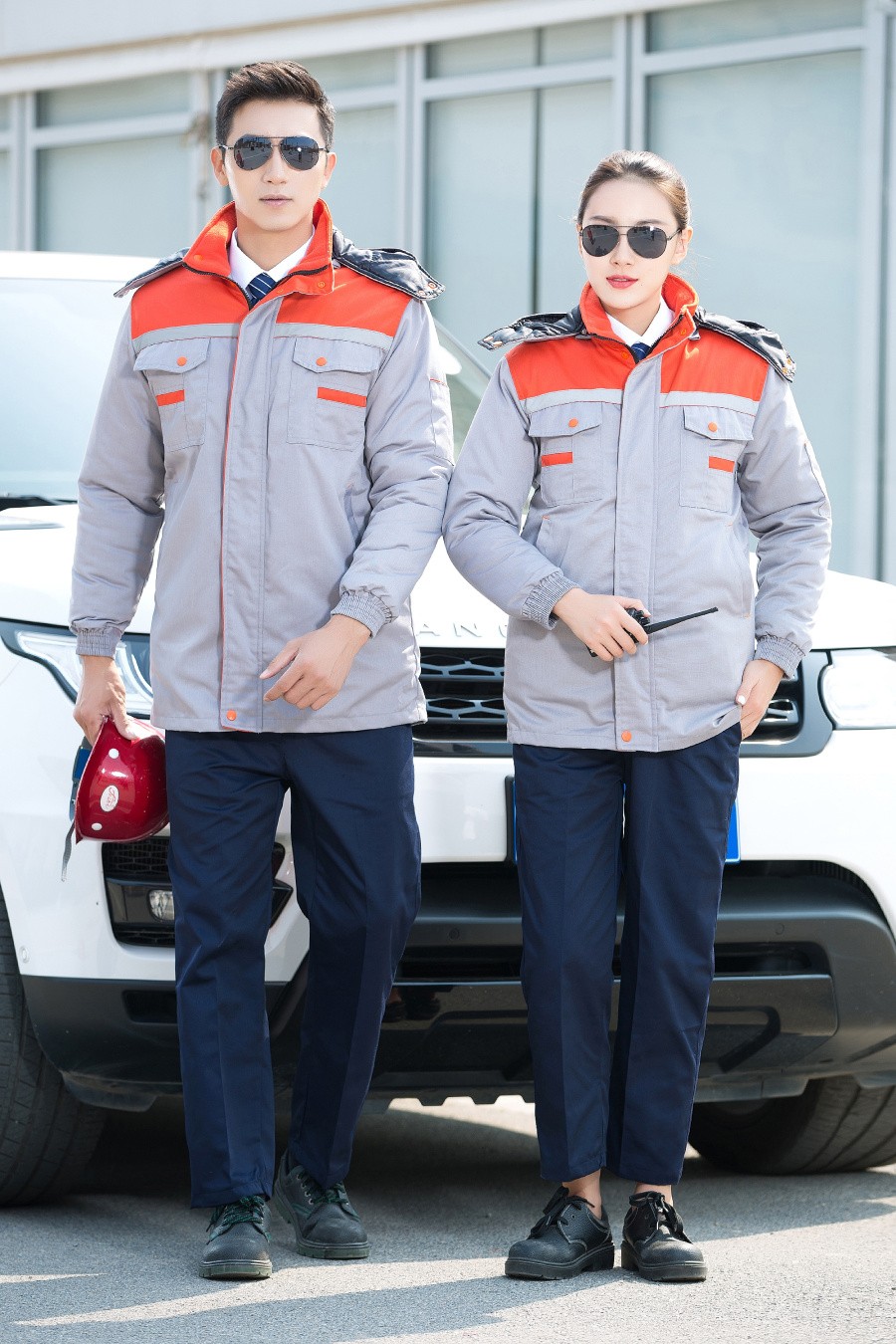
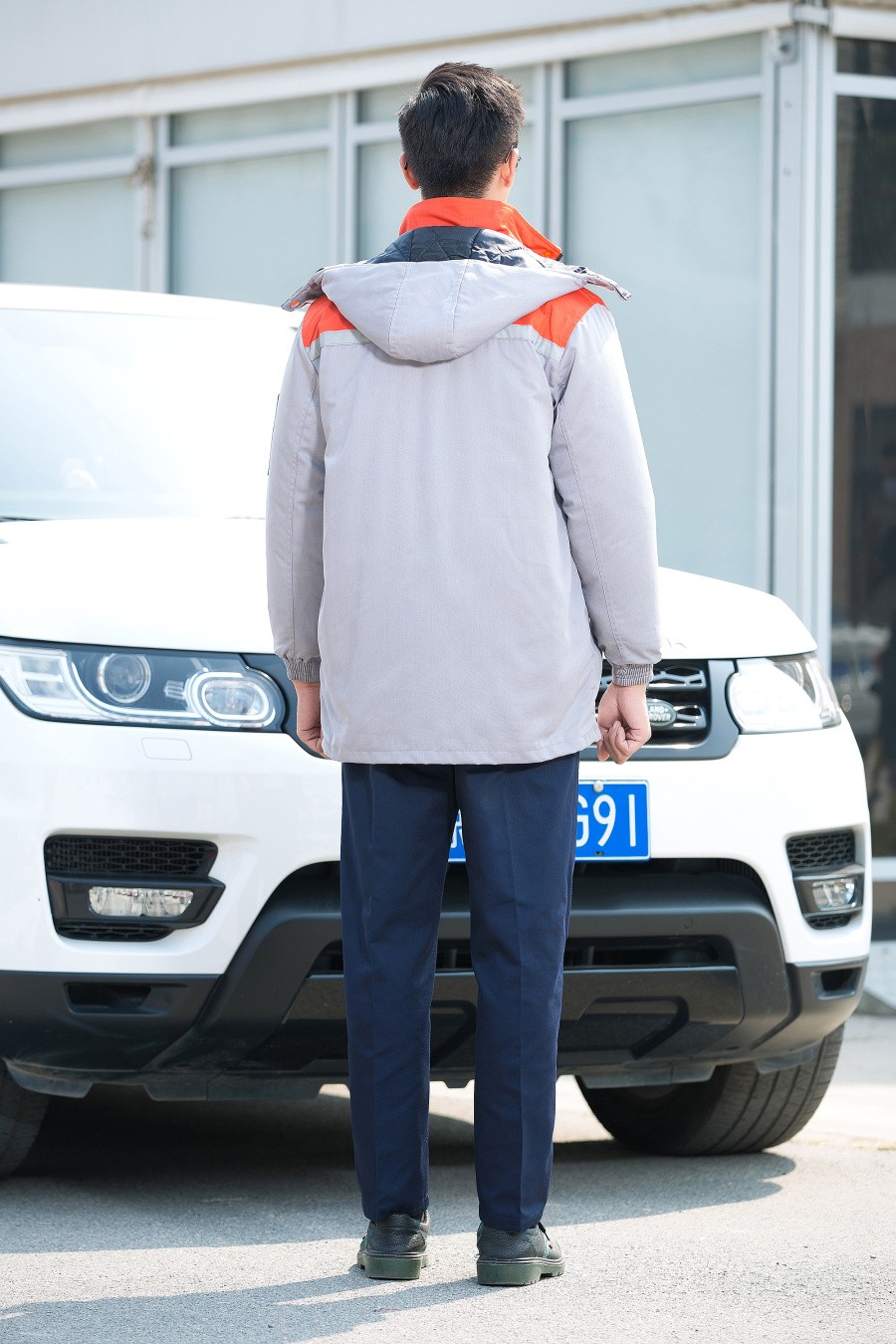
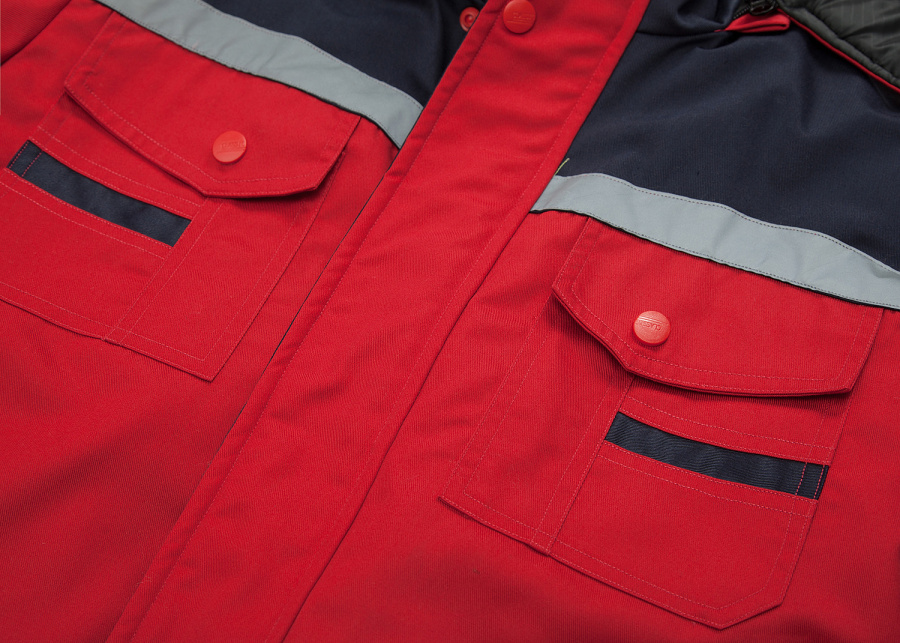
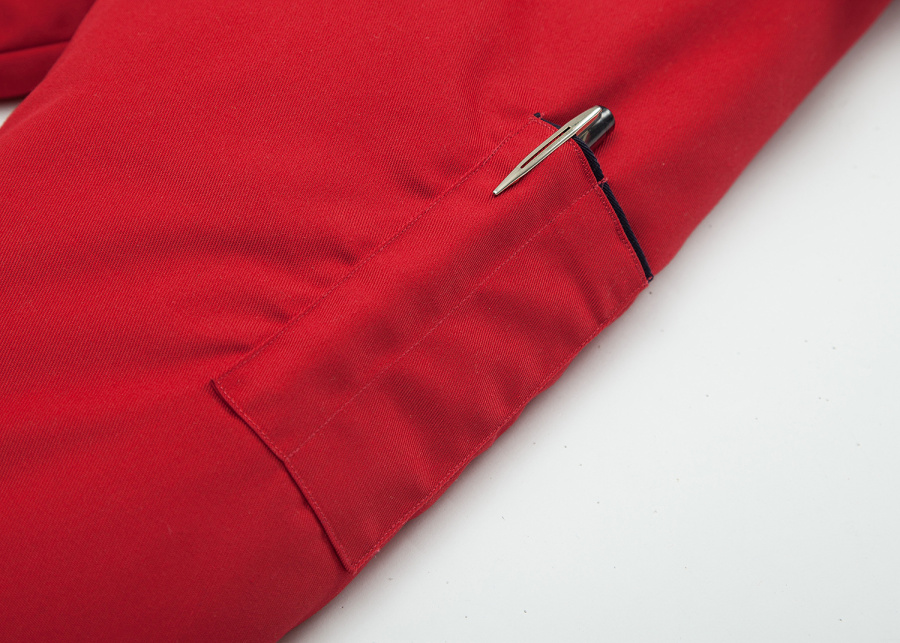
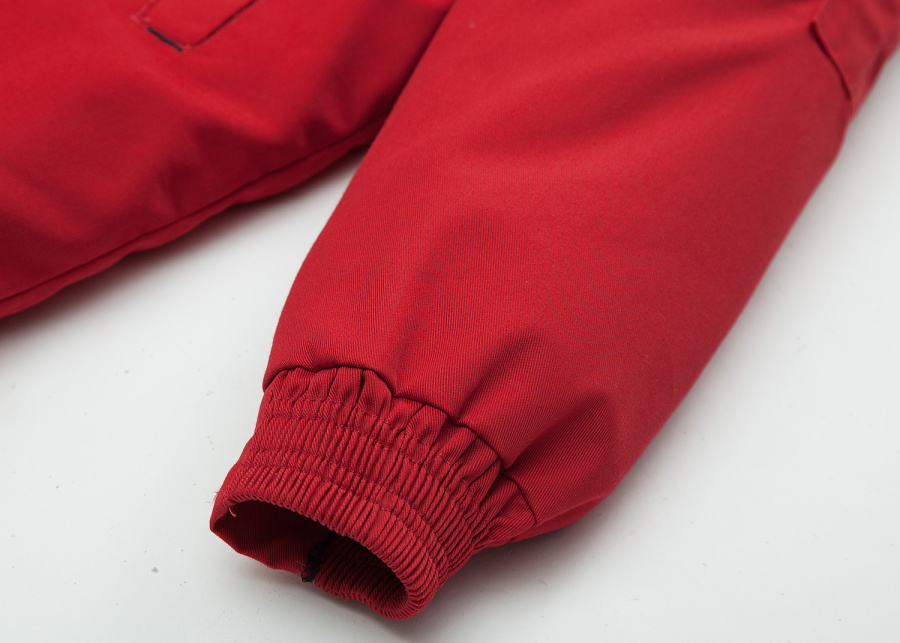

Introduction to the Pros and Cons of涤棉Workwear
We all know that polyester-cotton work uniforms are a blend of polyester and cotton, which feels less comfortable than pure cotton.
Polyester-cotton work uniforms are less absorbent than all-cotton garments. Various fabrics woven from a blend of polyester short fibers and cotton fibers, commonly known as cotton crepe.
Detailed introduction to the advantages and disadvantages of涤棉 workwear fabric:
Composition of cotton-polyester work uniforms, cotton-polyester, also known as cotton duck, is a fabric woven from a blend of 65%-67% polyester and 33%-35% cotton yarn. Hence, it's common for people to ask what "65-35 cotton" means.
Polyester has the following advantages: high strength and elasticity recovery, making it durable and wrinkle-resistant. Poor moisture absorption, but cotton-polyester work clothes dry easily after washing, with minimal decrease in wet strength and no deformation, ensuring good wearability after washing. Heat-resistant fabric in synthetic fibers with thermoplastic properties.
Polyester-cotton work uniforms have a poor resistance to melting, which can easily form holes when exposed to soot, sparks, etc. They have good light resistance, with better sun resistance than fiber fabrics, except for acrylic. Their sun resistance is particularly good behind glass, almost on par with acrylic. They also perform well against various chemicals.
Acids and bases have little effect on it, and it is also resistant to mold and termite infestation.
Polyester-cotton workwear, mixed with 35% cotton, retains the advantages of polyester while mitigating certain drawbacks, such as high chemical content and lack of softness, thus combining the benefits of polyester and cotton.
Polyester-cotton work uniforms are more comfortable to wear, whereas pure polyester is purely a chemical composition, prone to static electricity and sticking to the body, giving a bad feeling.