
















When designing uniforms, the following points should be noted:
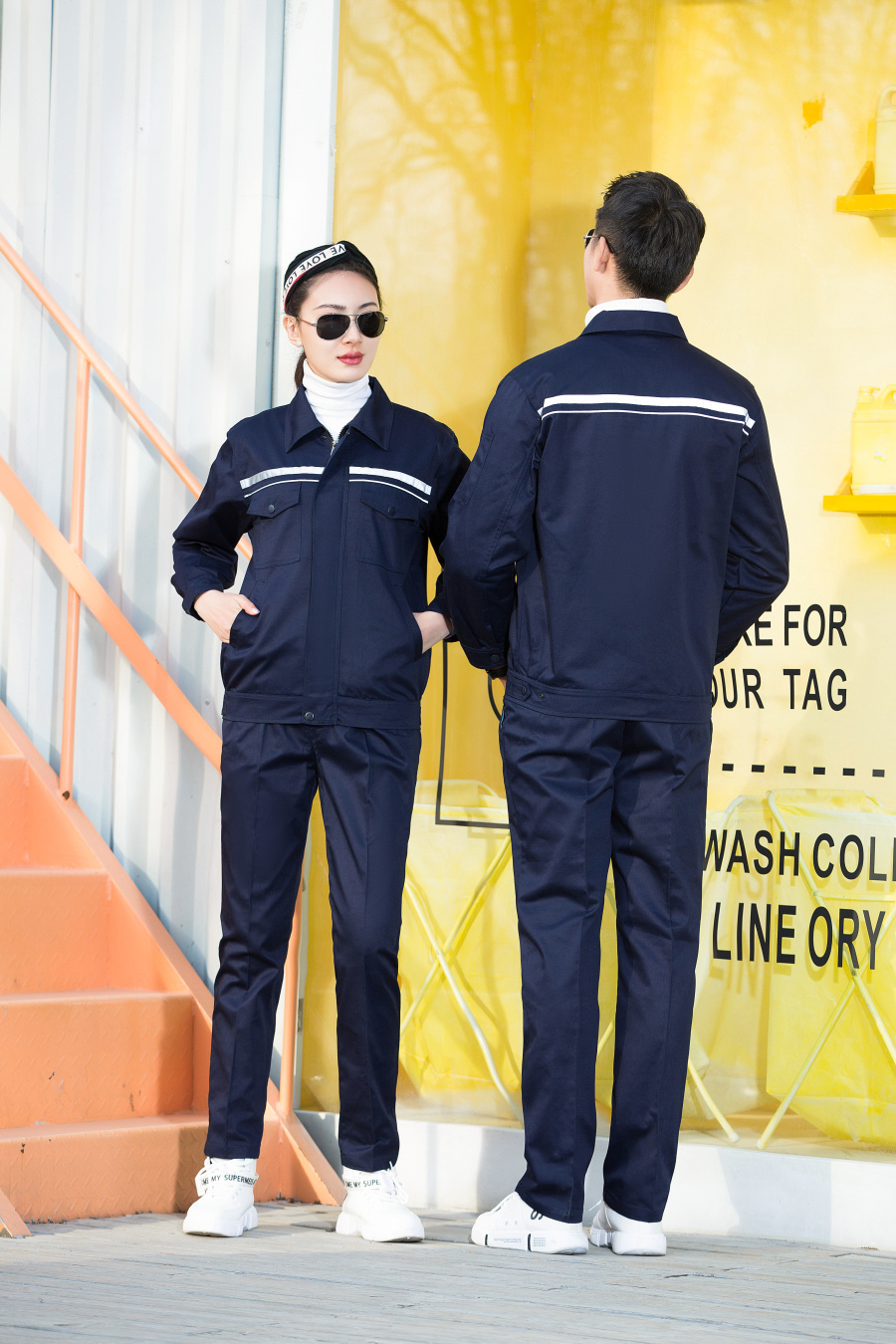
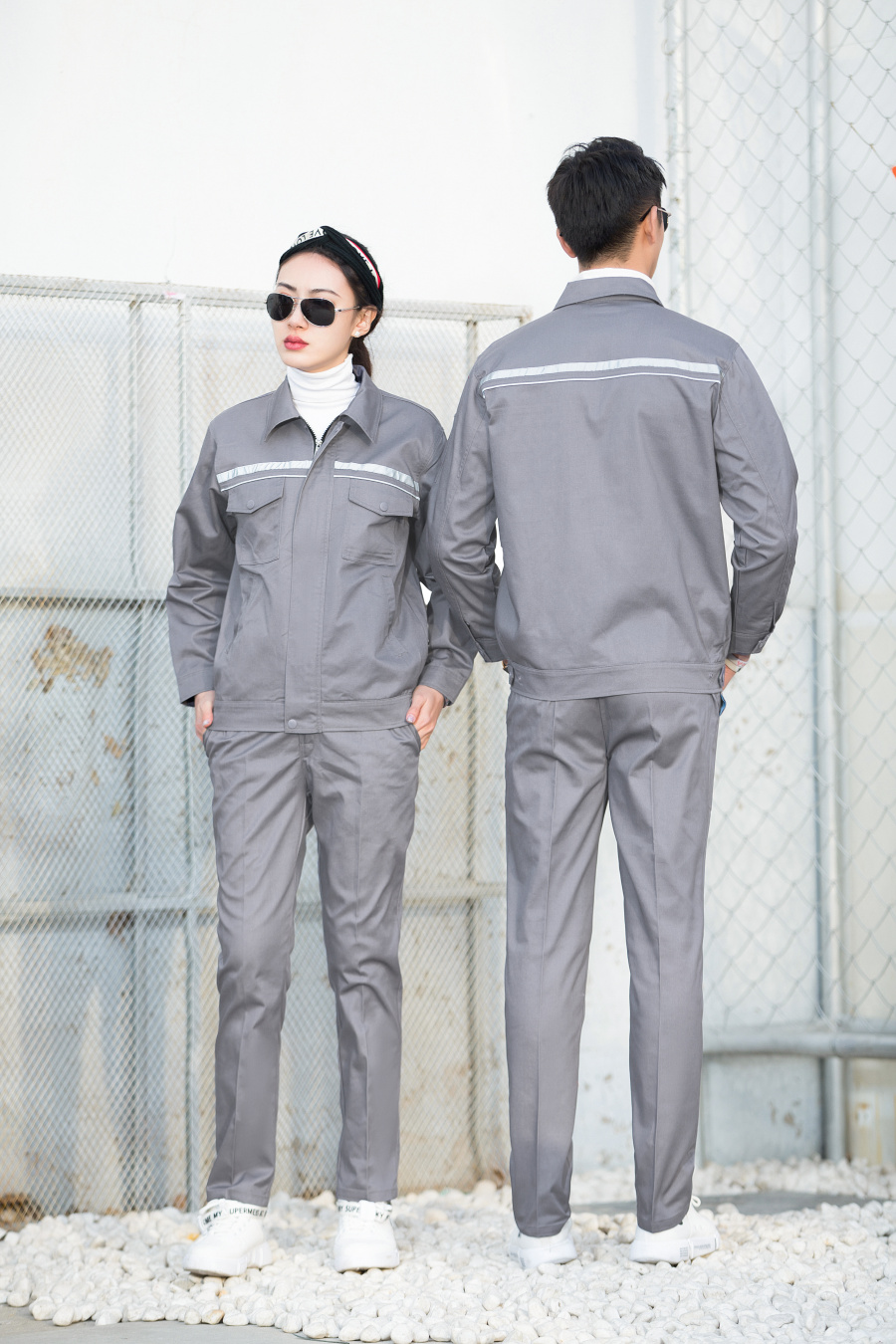
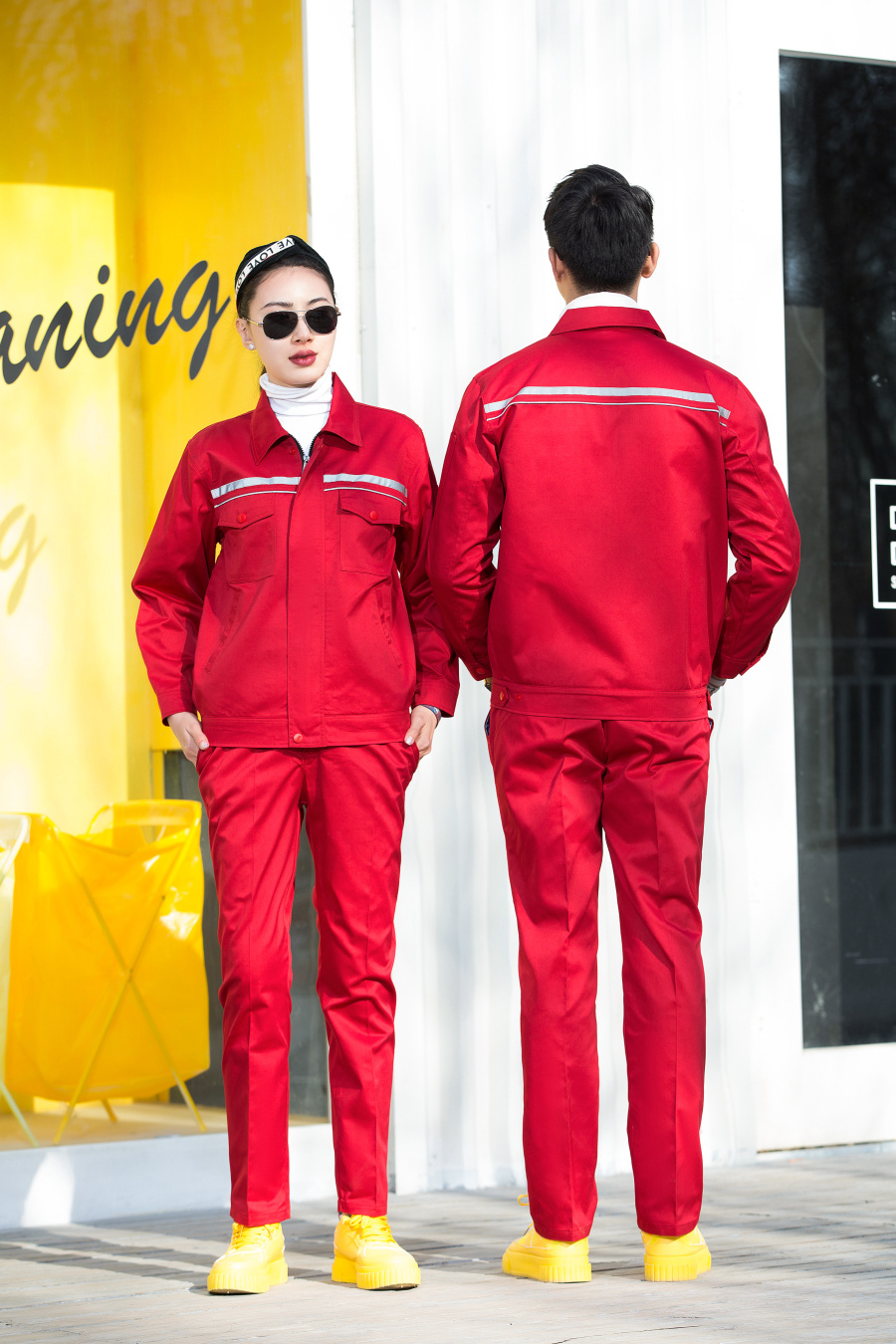
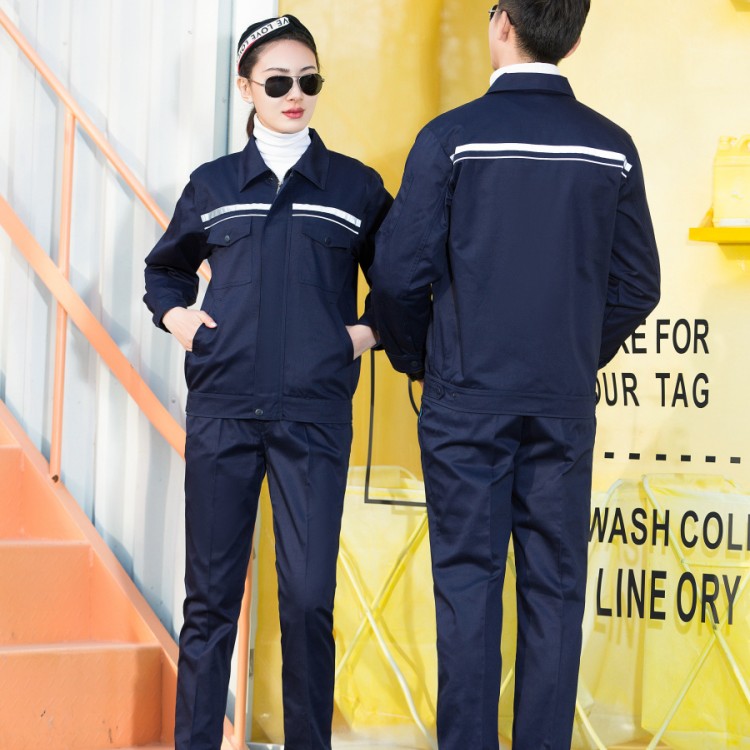
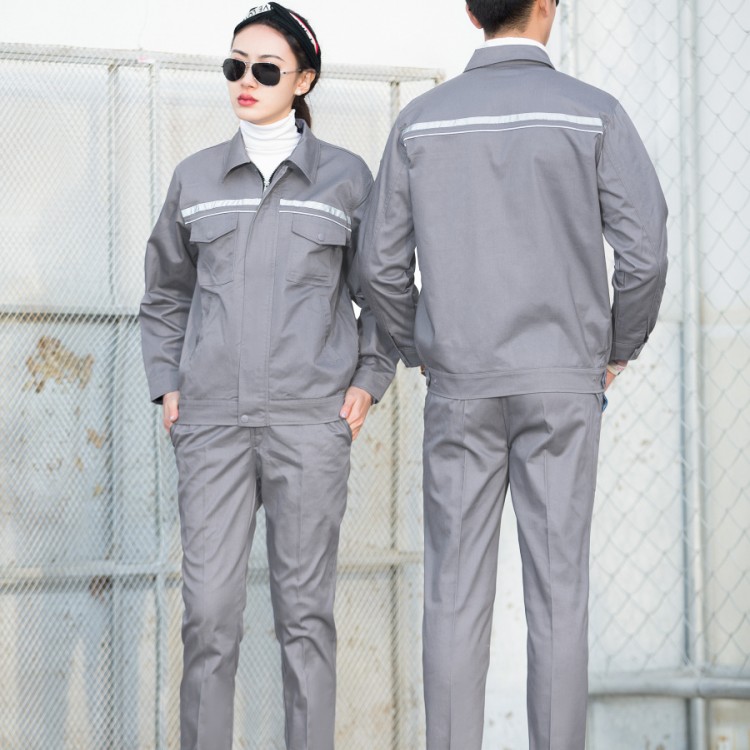
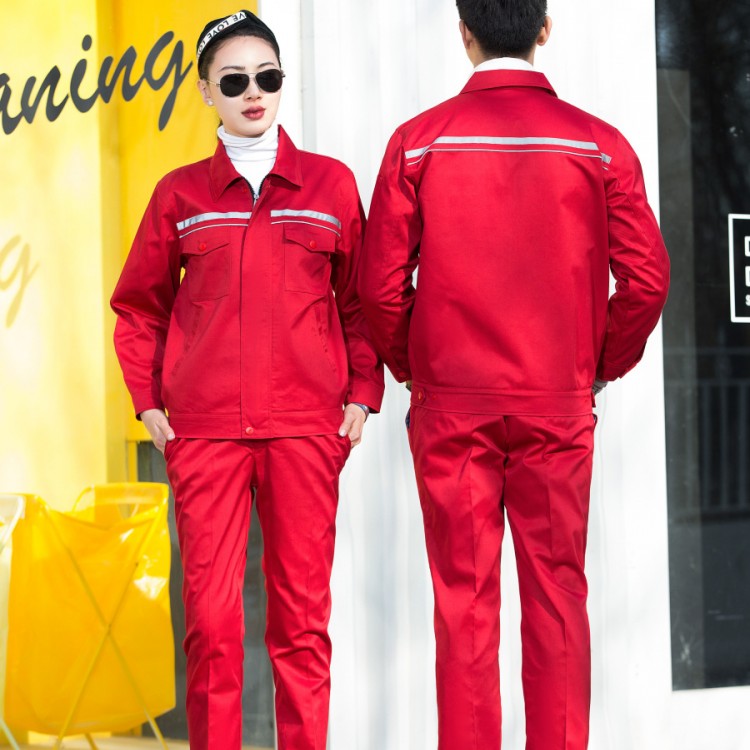
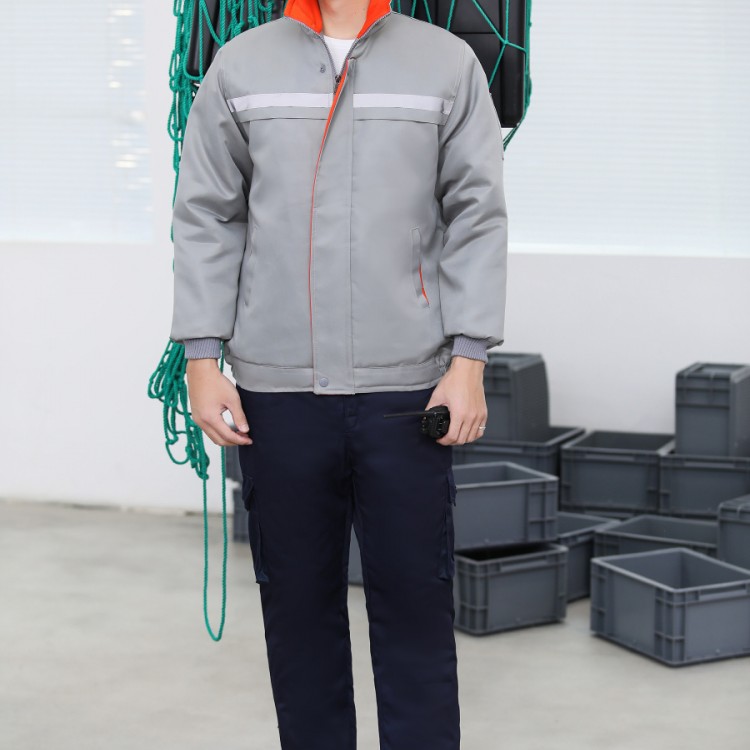
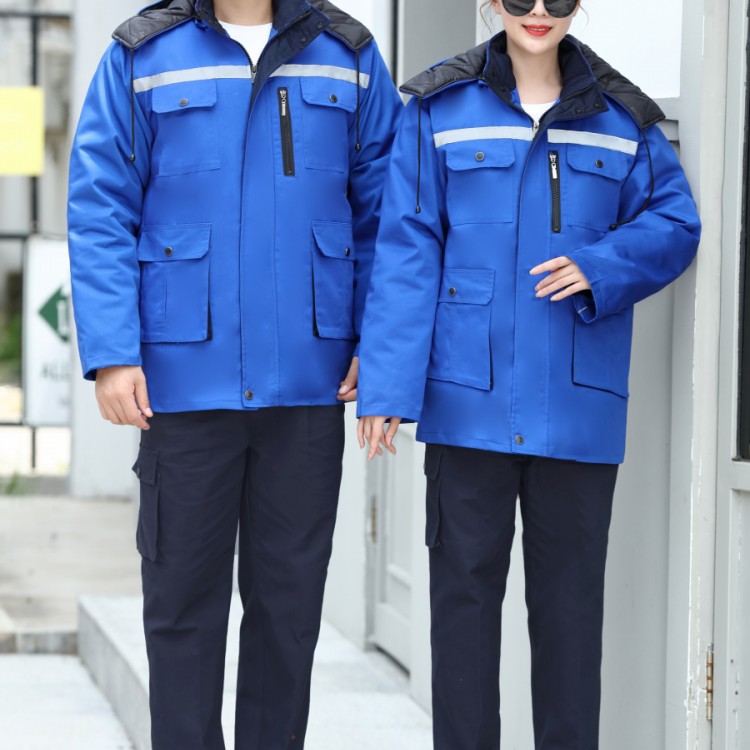
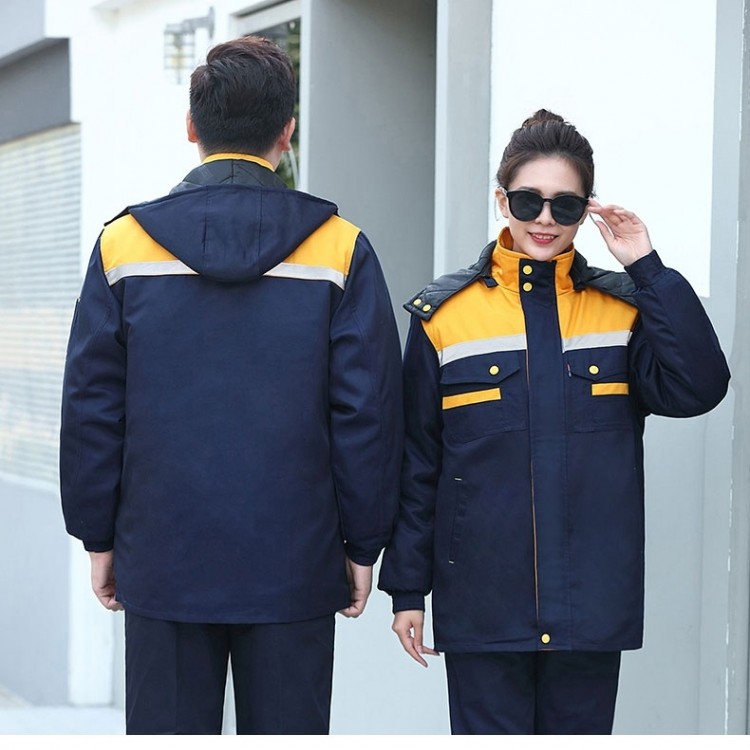
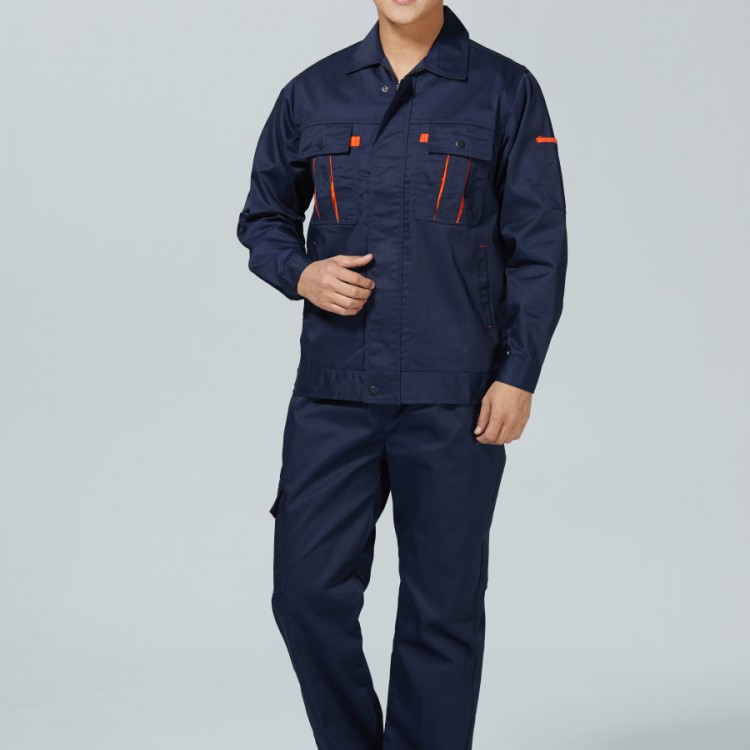
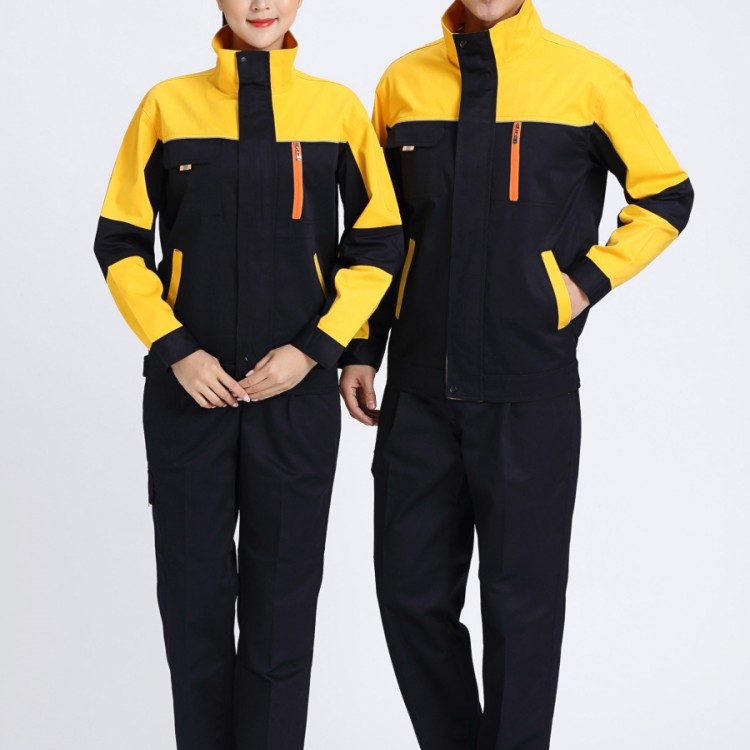
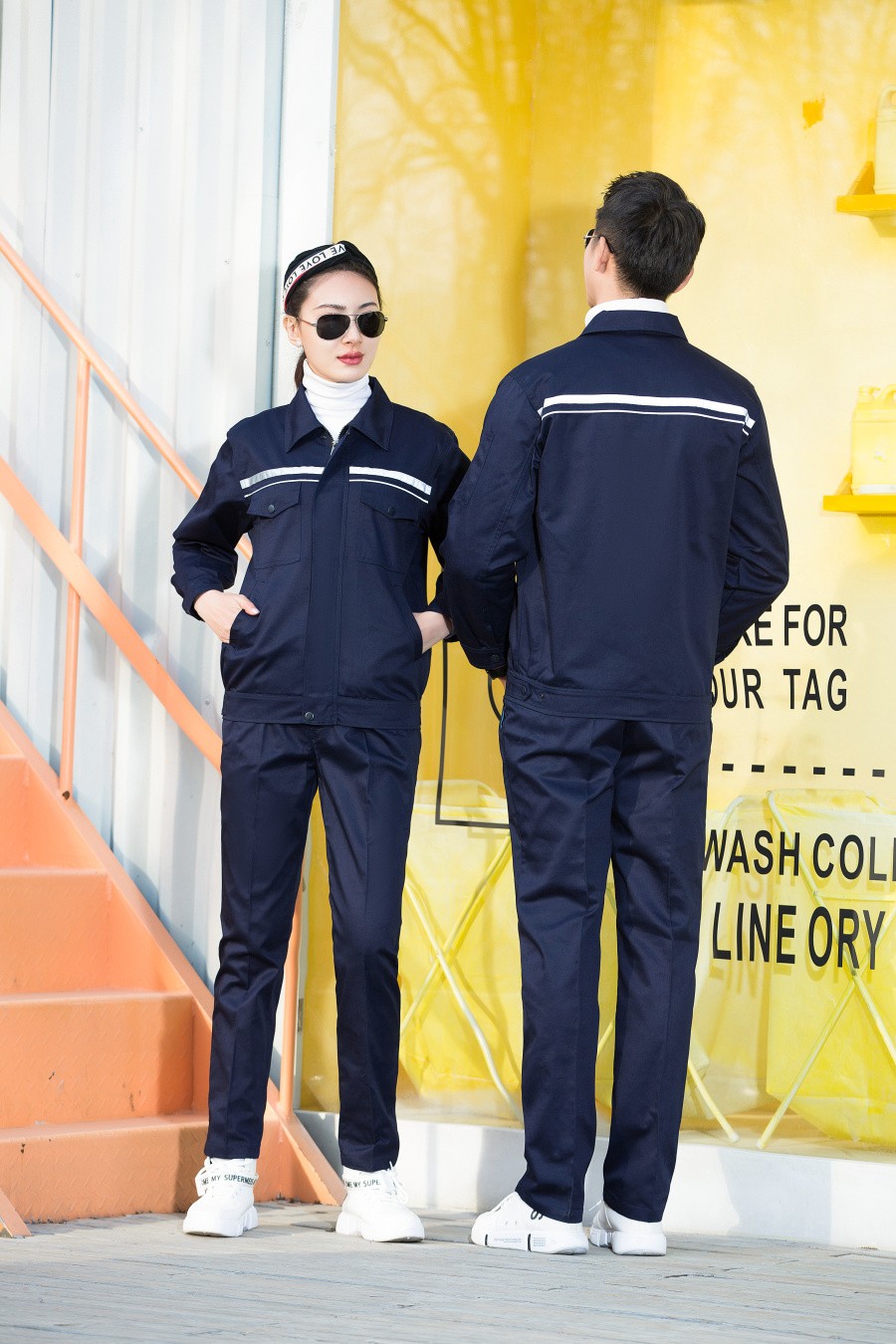
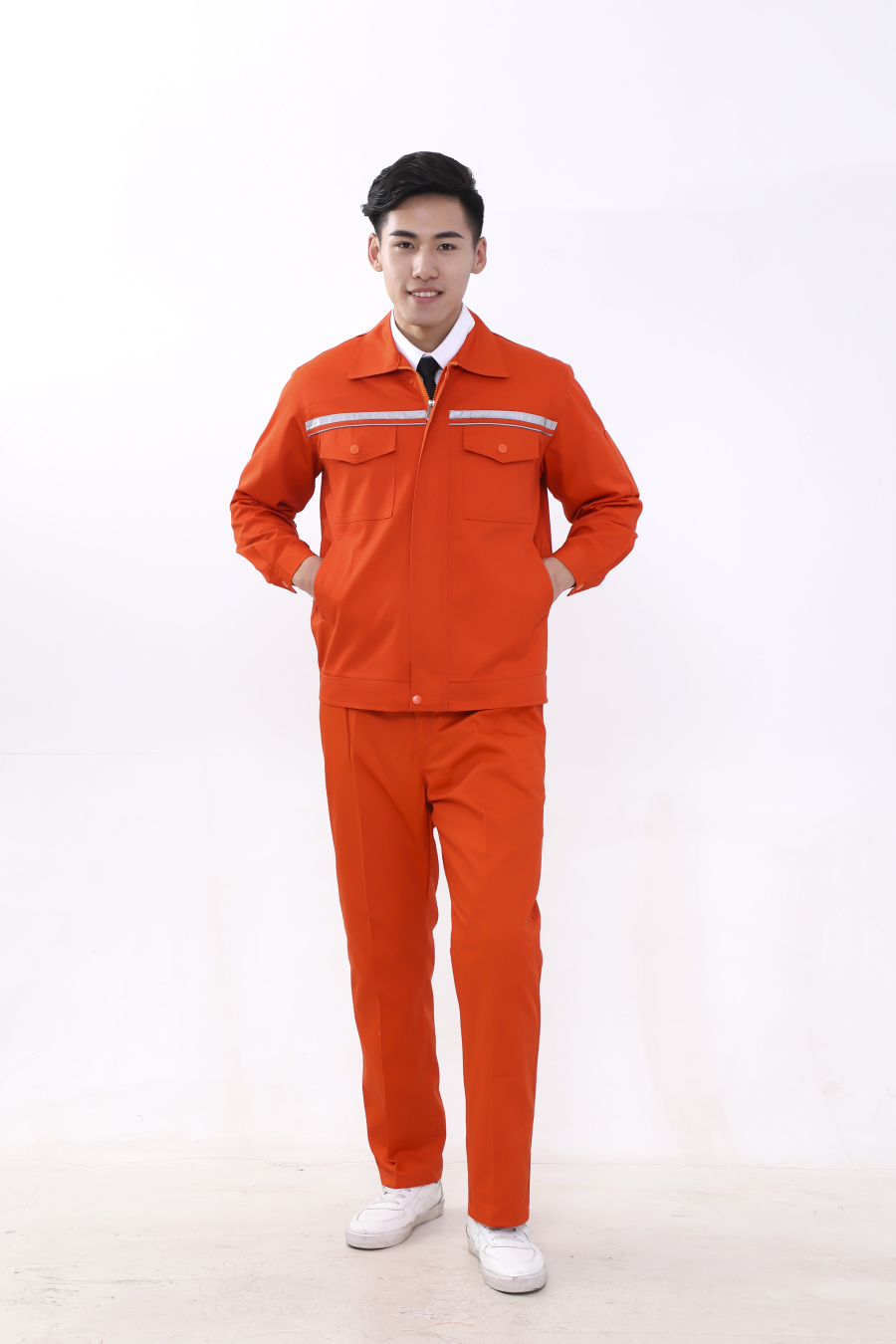
Uniform styles should reflect the characteristics of different professions, allowing people to distinguish between various careers at a glance through their styles and colors. Even those in the same profession but with different job types can be differentiated by their markings. For example, the workwear for telecommunications field workers should be prominently colored for easy identification among a crowd, providing protection for both individuals and the repair of machinery. It should also come with detachable hoods to allow for normal work on both sunny and rainy days. Adding more pockets can store commonly used small tools, threads, walkie-talkies, and other items, offering a variety of functions and ease of use. Of course, while emphasizing functionality, attention should also be given to the style. Features of popular fashion can be incorporated into the local design of the workwear, making it contemporary. In terms of space, different job types and genders can lead to diverse uniform styles, allowing a company to form branches and series while maintaining overall consistency.
The color design of uniforms should prioritize practicality and functionality, even considering the psychological factors of the professional work subjects. The color of professional clothing design should not be overly emphasized on stain resistance without considering the nature of the profession and the environment, nor should it unnecessarily emphasize plain colors. Both approaches are inappropriate and can lead to a monotonous color scheme for work attire. Taking China Telecom as an example, with their logo color being blue, we use blue as the base color in our design, complemented by transitions to other shades of blue and warm tones. This way, the colors of the professional attire are diverse and rich, effectively reflecting the corporate image.
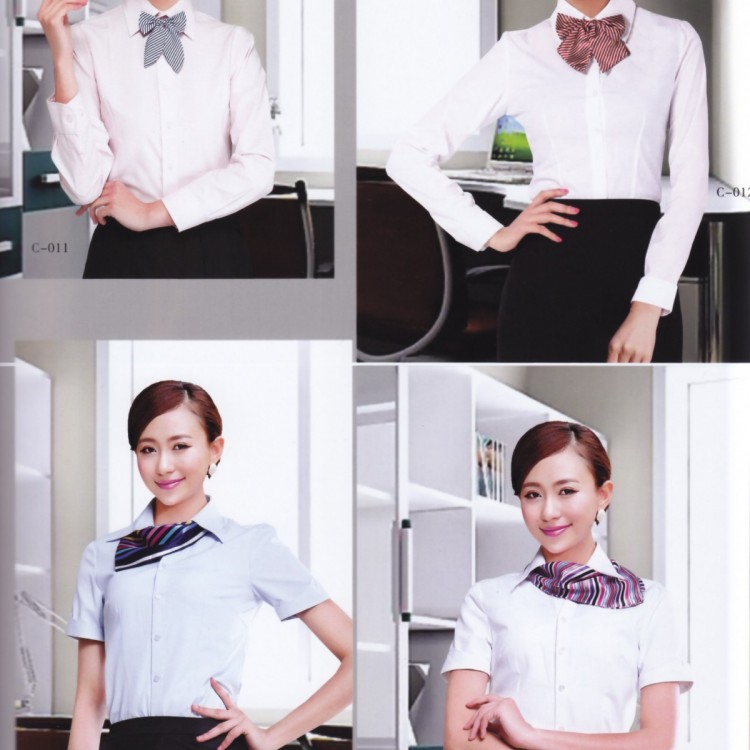
Uniform design styles and colors are crucial, but the choice of fabric should not be overlooked either. The cost-effectiveness of the fabric for the clothing depends on the occasion and the effect it is intended to achieve. Different positions and job types require corresponding fabrics. The properties of synthetic fibers, such as resistance to alkali, corrosion prevention, strength, ease of washing, and wrinkle-free, are beneficial for sewing work uniforms. It is worth noting that while selecting design fabrics for clients, attention should also be given to the design of linings and accessories like ties. These details may seem trivial, but they often add the finishing touch and elevate the style. China Telecom's logo is the double C, and its variations in design, such as belts, buttons, zipper heads, ties, tie clips, badges, and linings, can be fully considered. These details reflect the industry's characteristics, making these uniform styles distinctly different from others and easily identifiable.