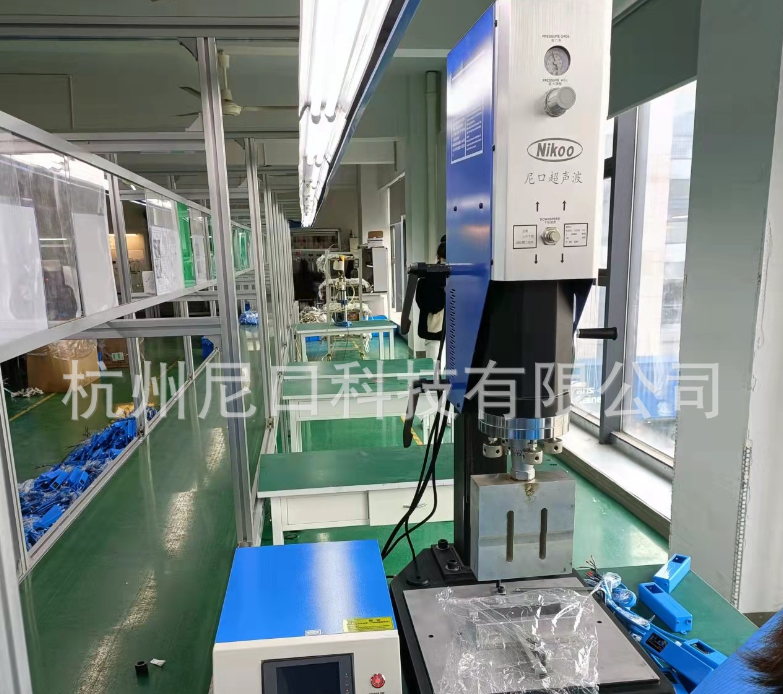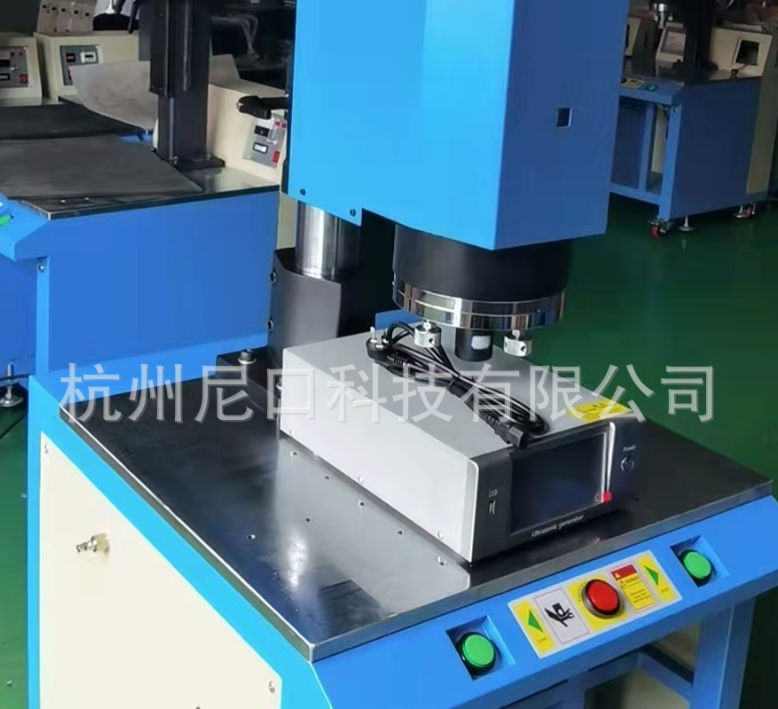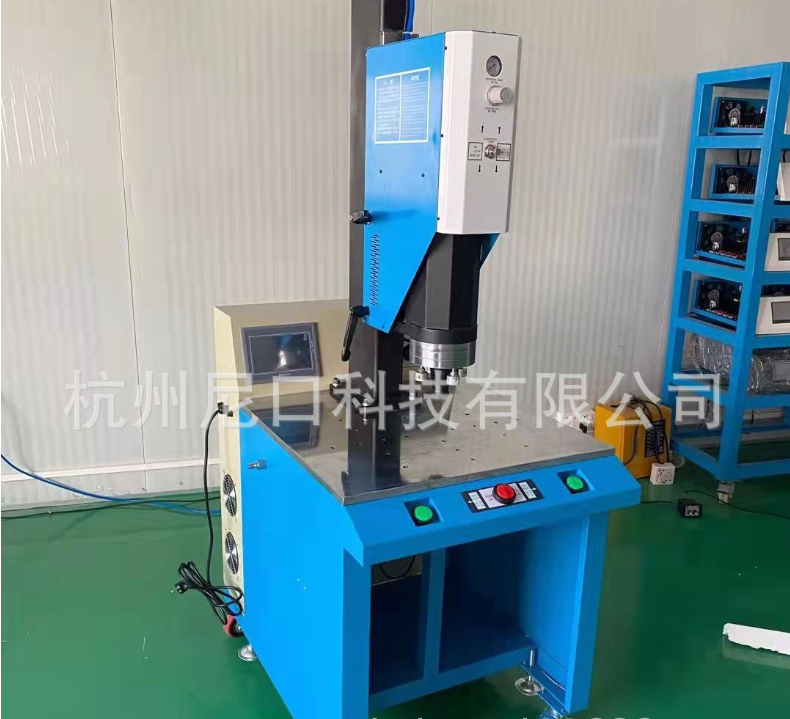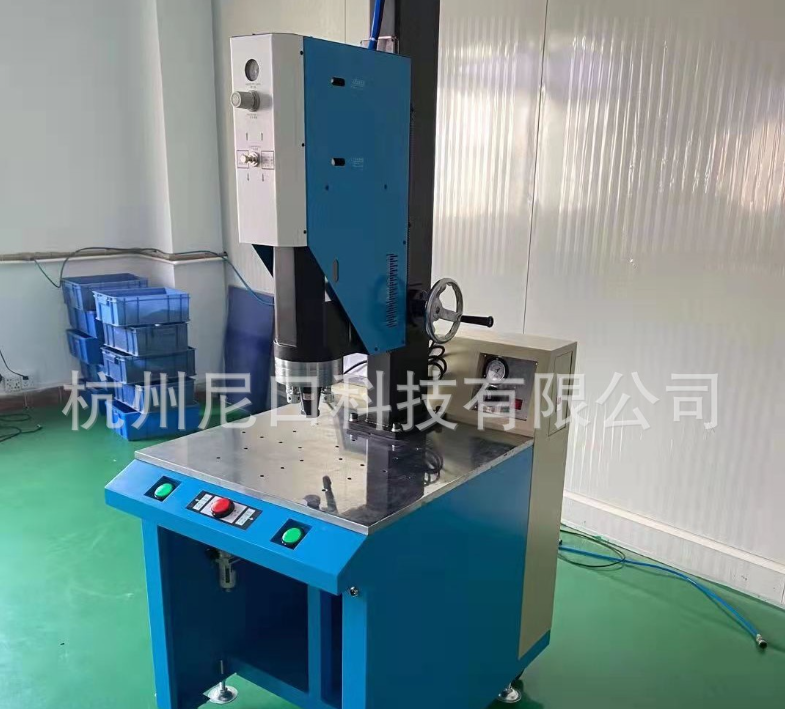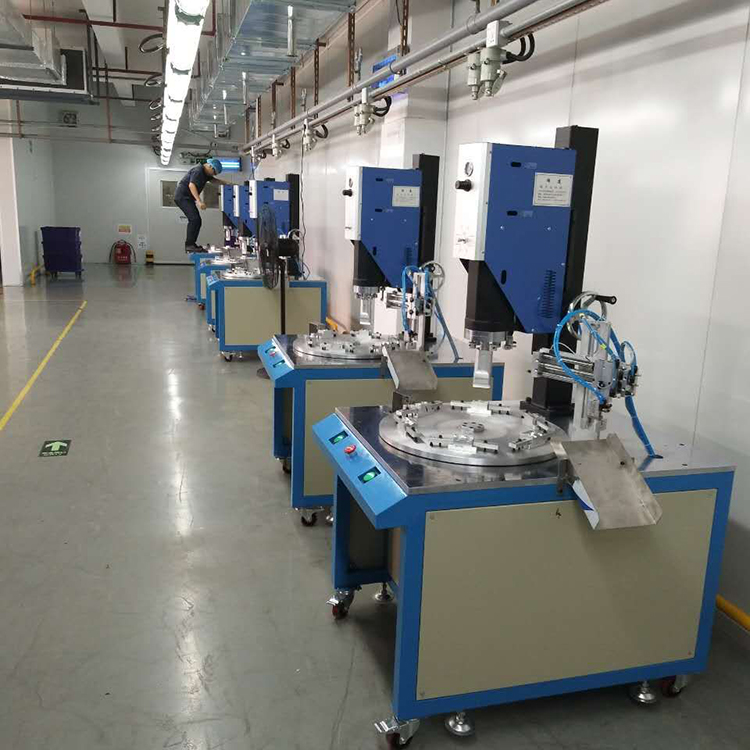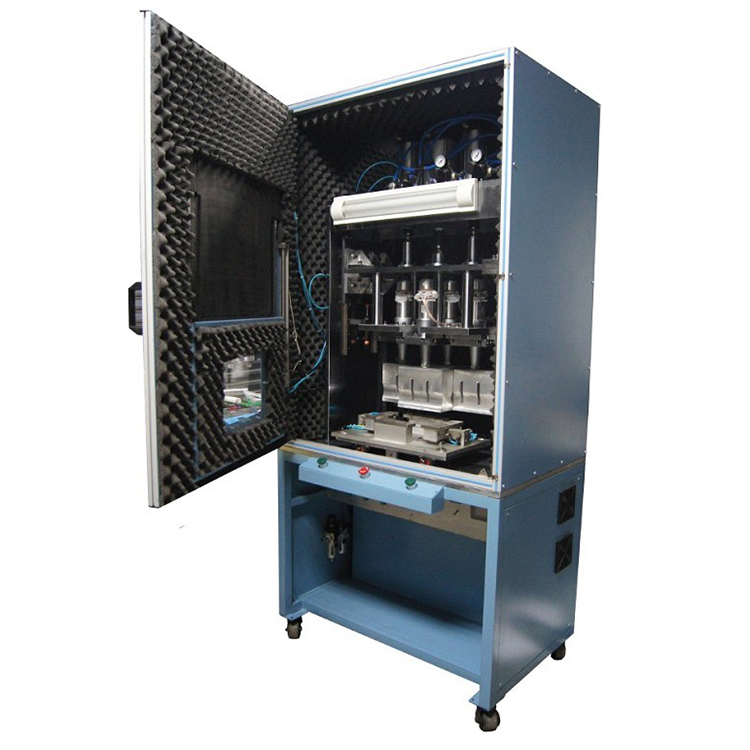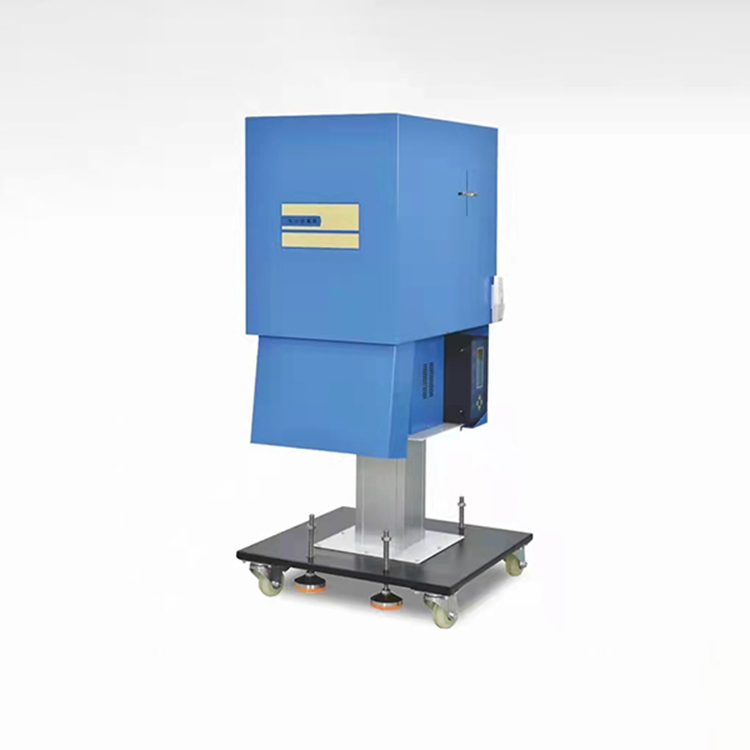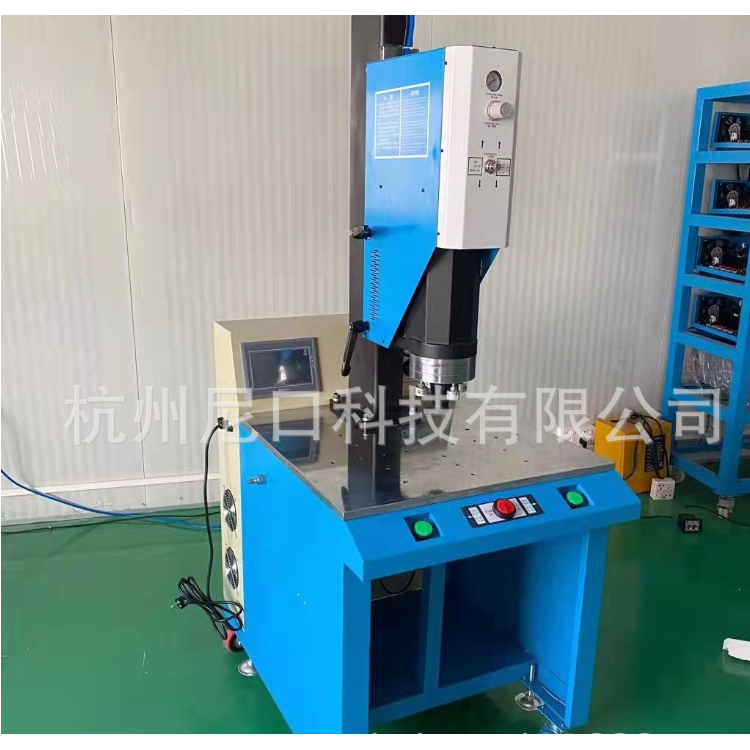
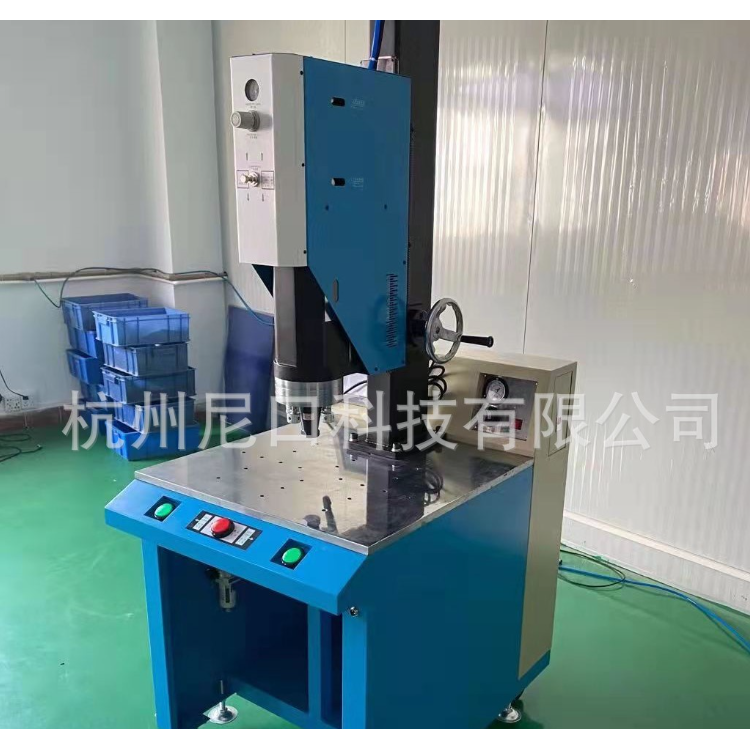
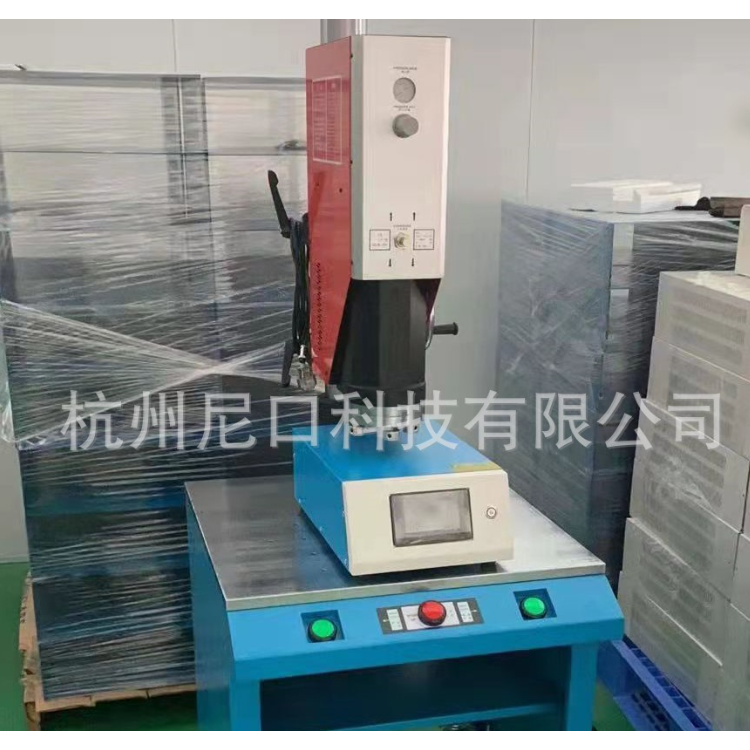


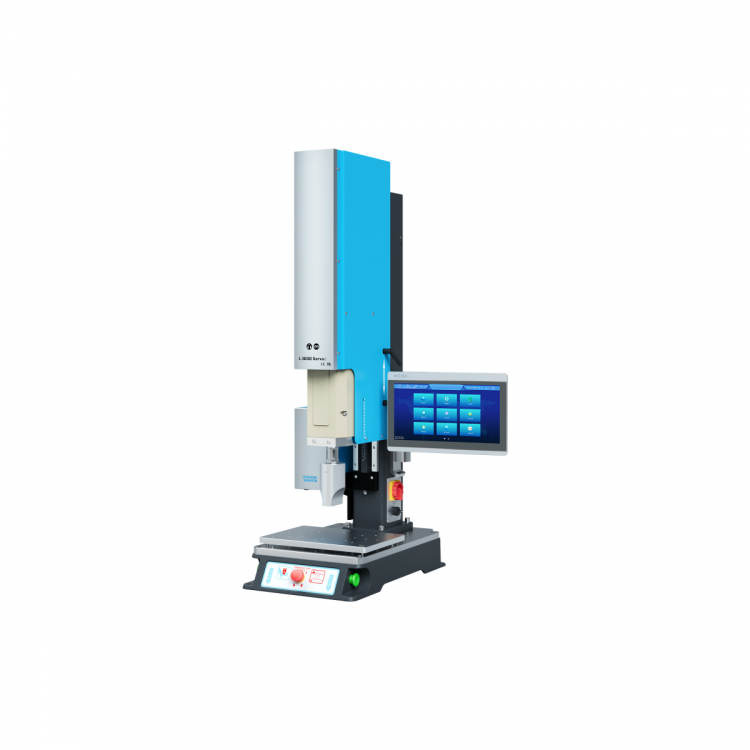
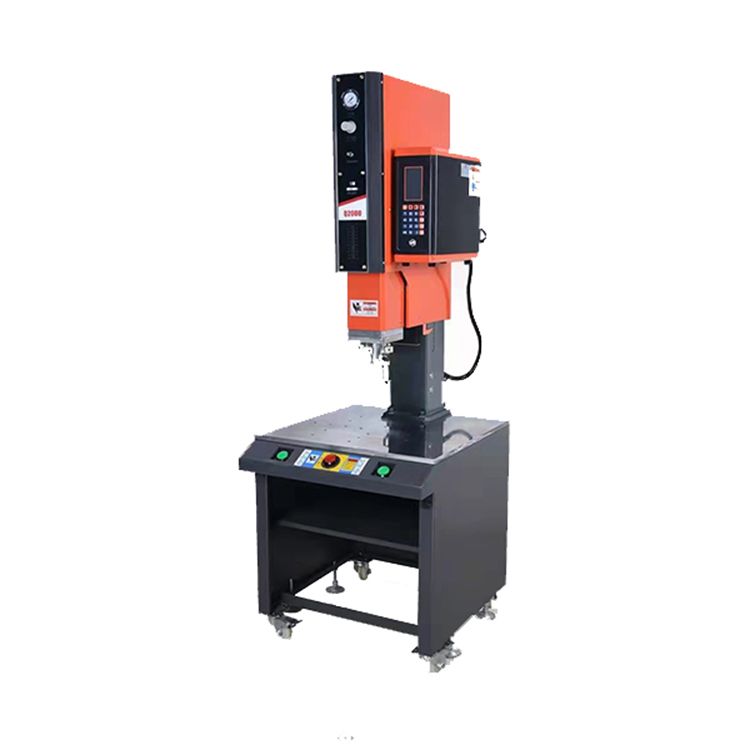







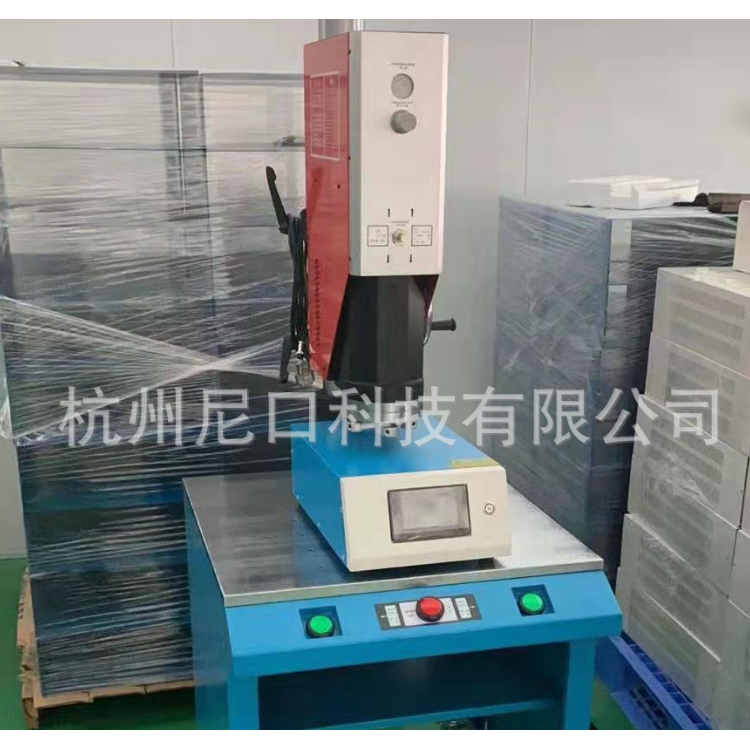
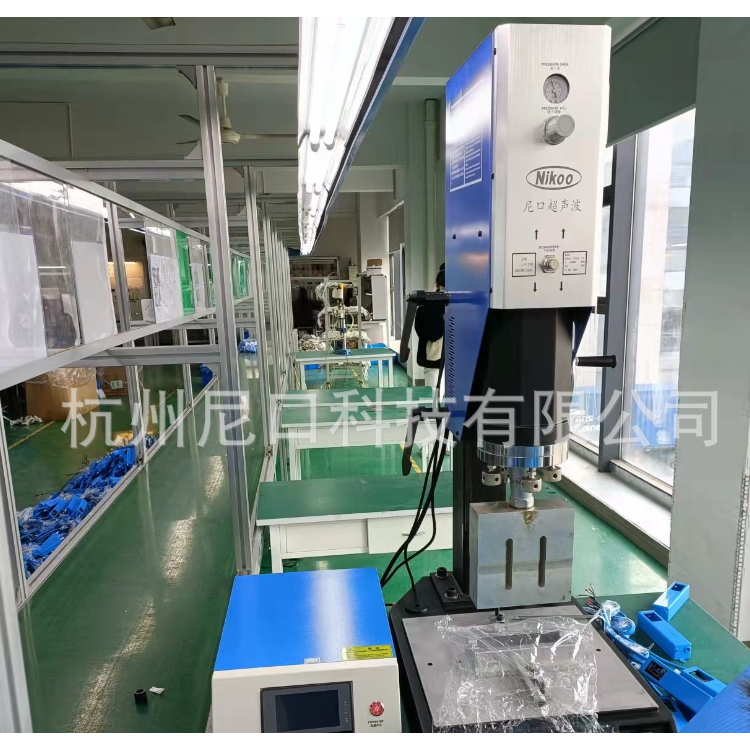

Material is one of the primary factors ensuring the longevity of ultrasonic molds and the effectiveness of welding products, and the process of mold completion is complex. Therefore, it is not only crucial for mold engineers to carefully select materials in design but also to understand the specific material requirements of their products to avoid compromising their performance and quality due to oversight. Below is a brief description of the characteristics of various materials currently available:
One, Aluminum-Magnesium Alloy (7075T651, 2024T651, 6061T651)
1. 7075T651: Ideal for vibration systems and horn manufacturing, this material boasts high mechanical yield strength, hardness, and excellent thermal conductivity, making it perfect for ultrasonic mold production.
2. 2024T651: Used for HORN manufacturing, features excellent elasticity, strong thermal conductivity, moderate hardness, suitable for general plastic products.
3. 6061T651: Used for the production of HORN with lower output, excellent toughness, and softer quality.
SCM8: Commonly used for embedded screws and metal inlays, featuring high toughness and hardness, with better thermal conductivity than 2024.
Titanium alloy: Generally used in machines for continuous vibration, it boasts excellent toughness, heat conductivity, and high hardness, but comes with a high cost.
Four: Domestic Hard Aluminum Alloy: Made in China, used for general aluminum processing, low thermal conductivity, high ultrasonic mechanical wear, cost-effective.
Current mold fixture material:
1. Aluminum alloy, aluminum-titanium alloy: Widely used in metal or plastic products.
Carbon Steel 45C: Suitable for forming tools for teeth shapes in PVC boxes, blister packs, and other harder metals or non-metals, such as plastic steel, PBT, etc.
Section 3: SS41 steel: Suitable for general metal products or harder non-metals.
Four: Epoxy Resin: Suitable for plastic products with irregular shapes.
Five: PUT Resin: Suitable for plastic products that emphasize appearance, low output, and short melting time.
Six: Electric wood, suitable for general flat welding plastic products or ultrasonic vibration disc fixtures.
To manufacture ultrasonic molds, consider the following factors:
Product requirements: Determine the mold's service life and wear rate, thereby deciding on the type of metal to be used.
2. Product Shape: Which melting process is used, the mold size is set, the pressure transmission area is determined, potential deformation during melting, required power and functions. Can the work be completed with a single melting operation?
3. Product's Plastic Properties: Determines the mold's working amplitude, which part should receive ultrasonic energy, the form, position, and size of the conductive lines. How should the contact points be designed when different plastic compositions are used?
Applications of Ultrasonic:
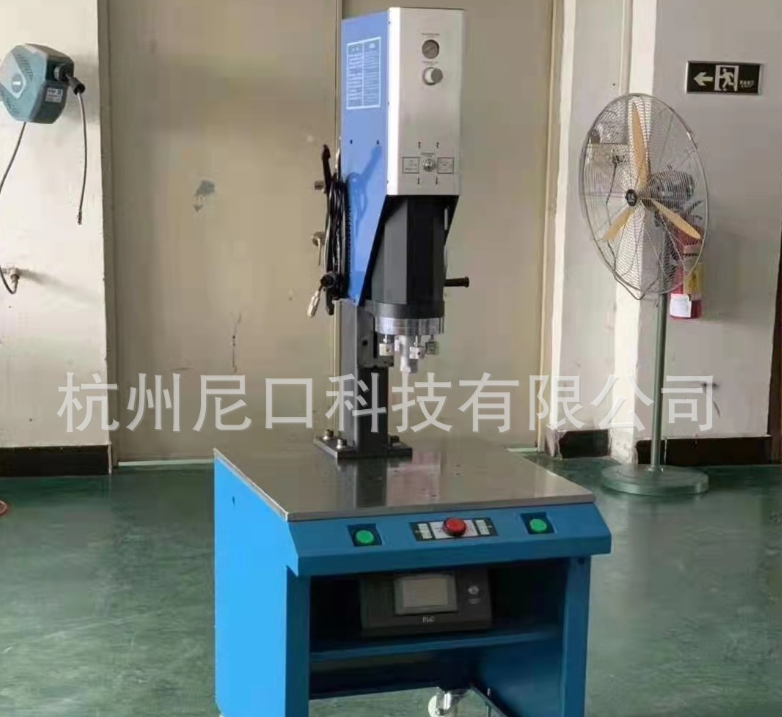
Ultrasonic plastic welding machines are versatile, suitable for welding various plastics such as polypropylene (PP), polystyrene (ABS), AS, polycarbonate (PC), polyformaldehyde (POM), PET, and polyvinyl chloride (PVC); including:
Toys Industry: Including toy guns, water guns, telephones, spoon clips, and general plastic toys welding.
Household Items: Gold Soft Brush, Shower Head, Anti-Counterfeit Cap, Cap, Coffee Pot, Washing Machine, Air Dehumidifier, Iron, Electric Kettle, Vacuum Cleaner, and general containers, etc. Welded Plastic Parts
Electronics Industry: USB connectors, Bluetooth, rubberized cases, mobile phone accessories, phone cases, battery cases, nylon watch bands, calculators, speaker enclosures, chargers, lead-acid batteries, business card holders, folders, photo albums, computer keyboards, printer cartridges, plastic welding for instruments and plastic inserts, etc.
Automotive Industry: Manufacturing plastic parts for body, car doors, vehicle instruments, sun visors, interior components, filters, reflective materials, reflector studs, bumpers, cables, plastic filters for motorcycles, radiators, brake fluid tanks, oil cups, radiators, fuel tanks, air ducts, exhaust purifiers, tray filter plates, car lights, oil cans, ultrasonic welding and thermal welding of injection molded parts such as welding corner lights, rear lights, rearview mirrors, etc., for automotive plastic components.
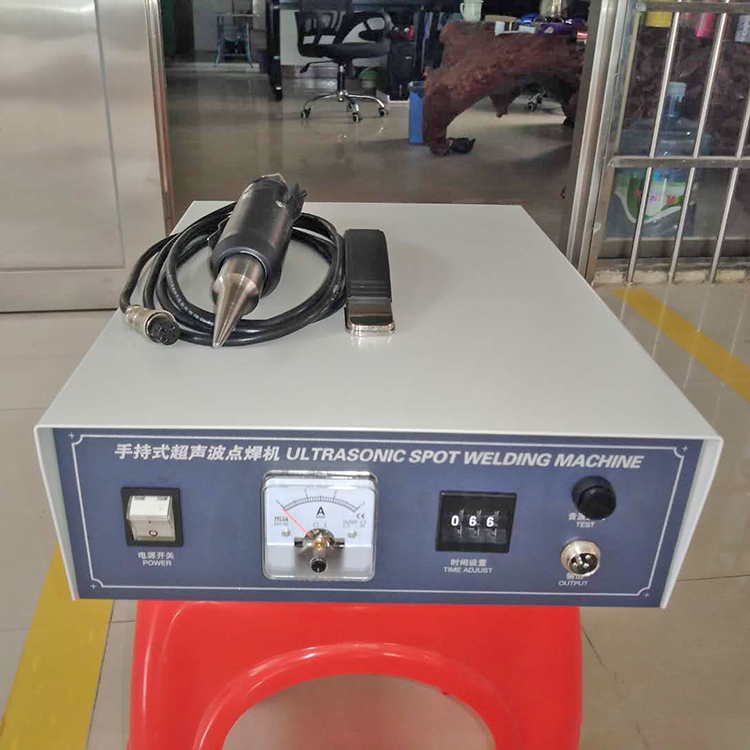
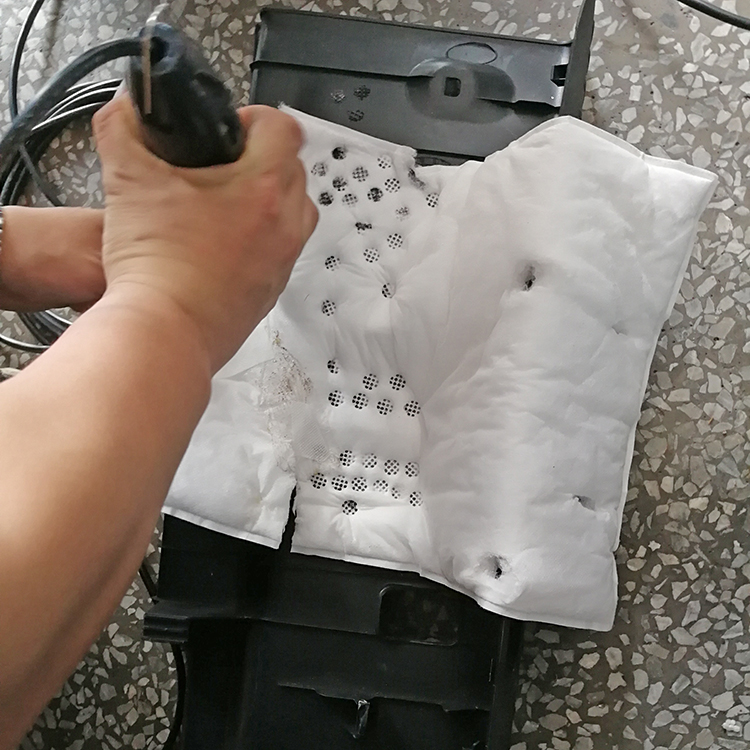
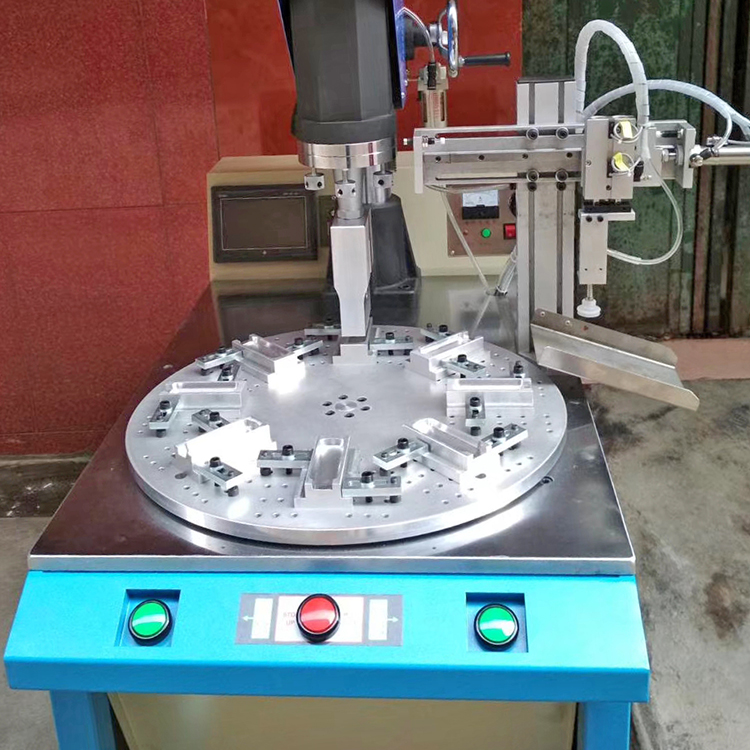
Packaging Industry: cosmetic boxes, PVC packaging boxes, etc. General commercial products: typewriter ribbons, video tape boxes, audio tape boxes, computer disks, etc. Ultrasonic hot plate welding equipment is suitable for non-woven materials and water dispenser welding. Ultrasonic filter core welding equipment is suitable for air filter cores, filter cores, filters, and various other products.

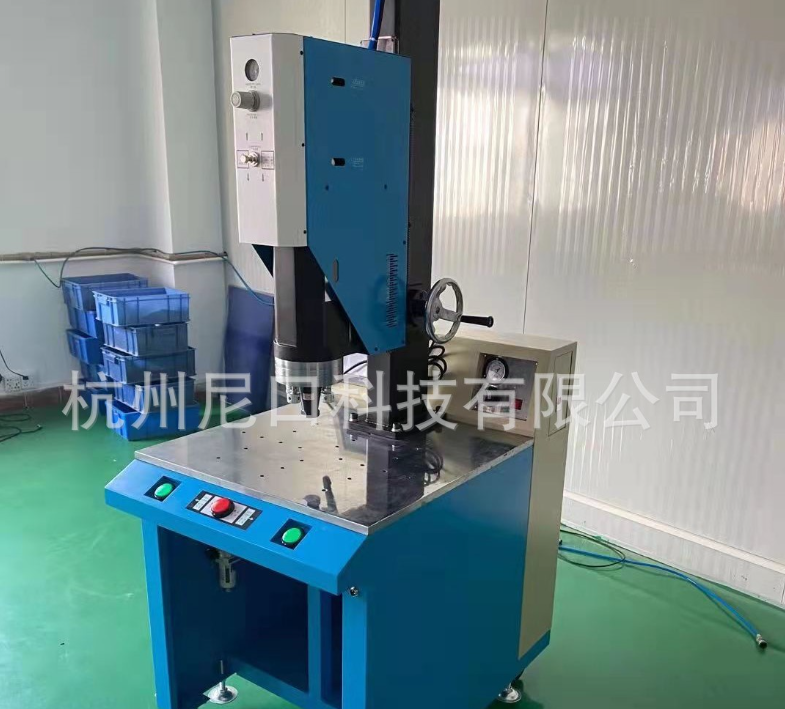
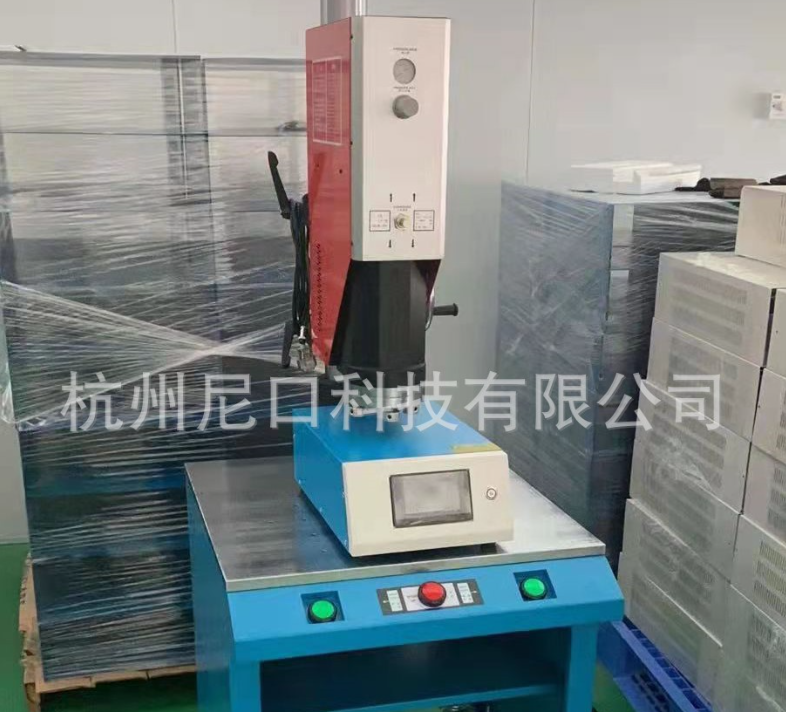
.png)