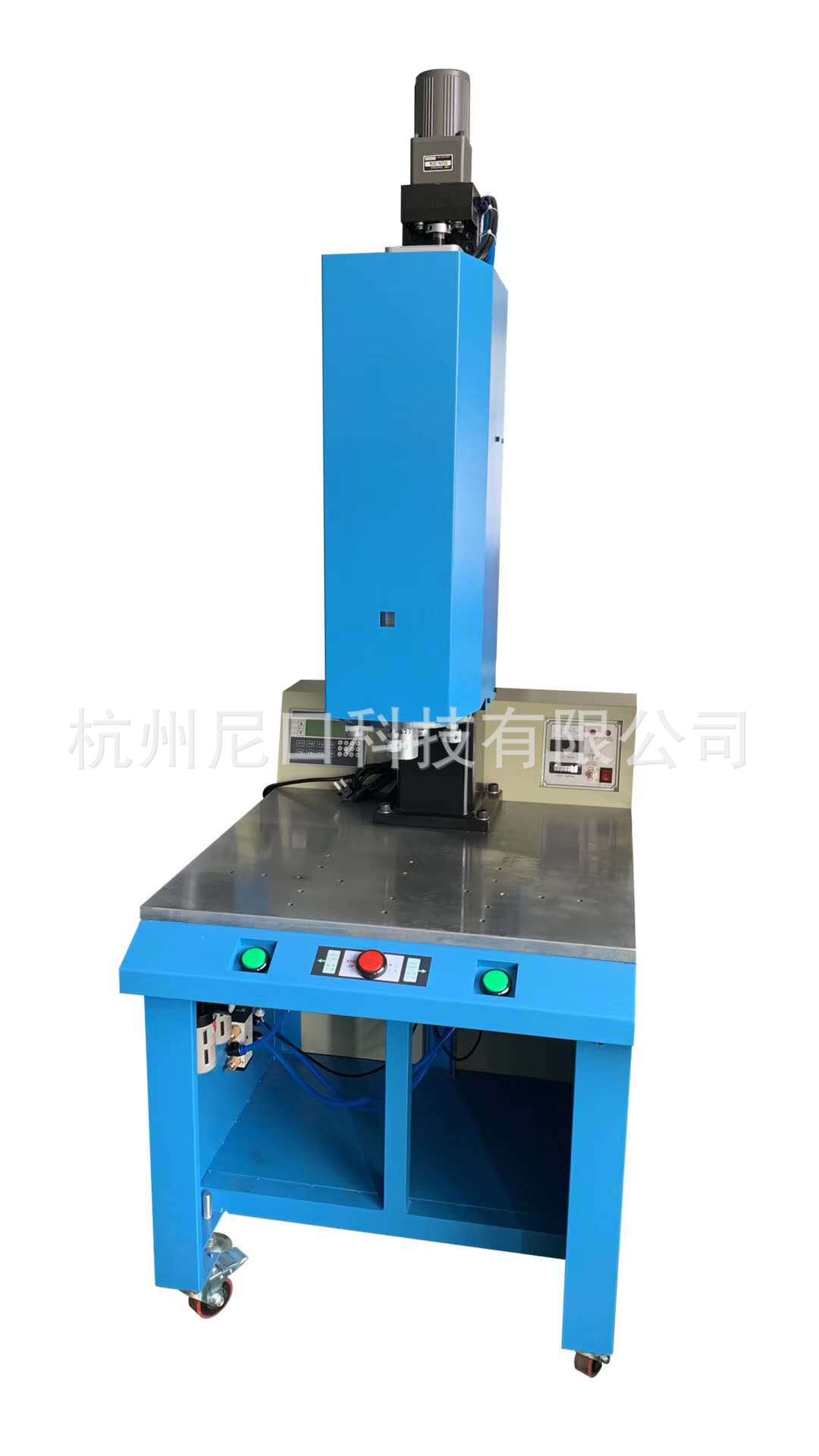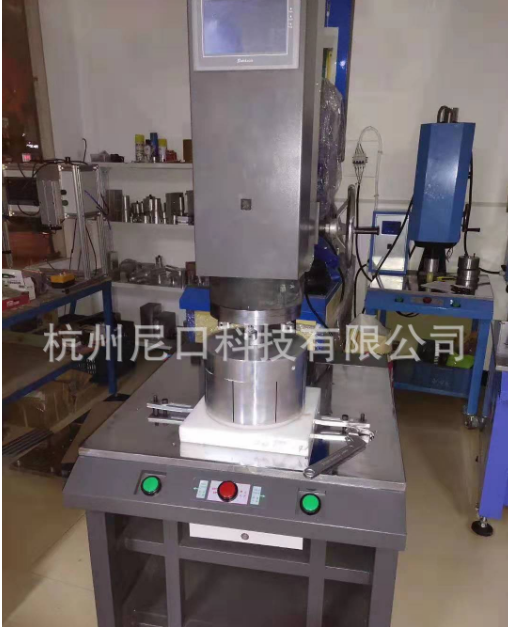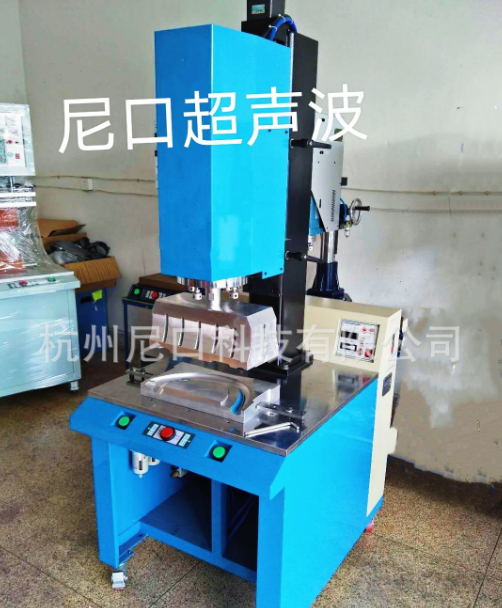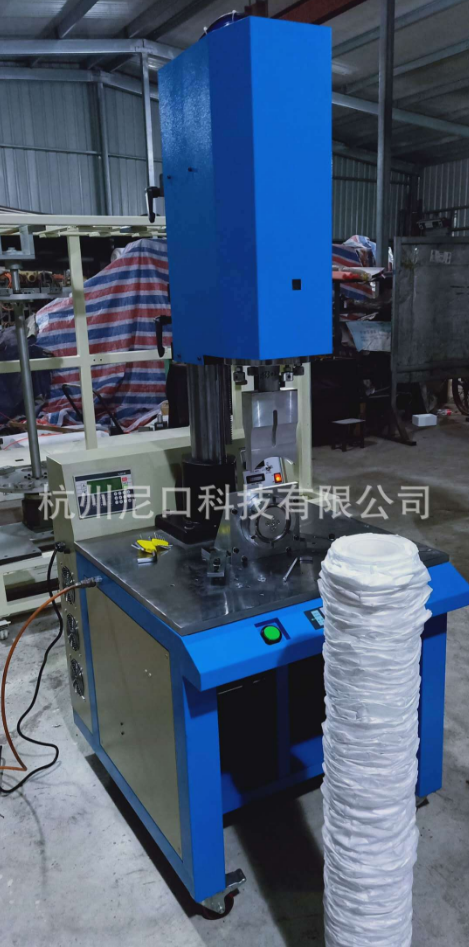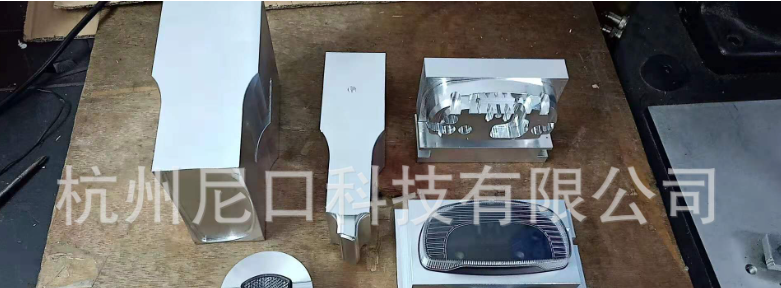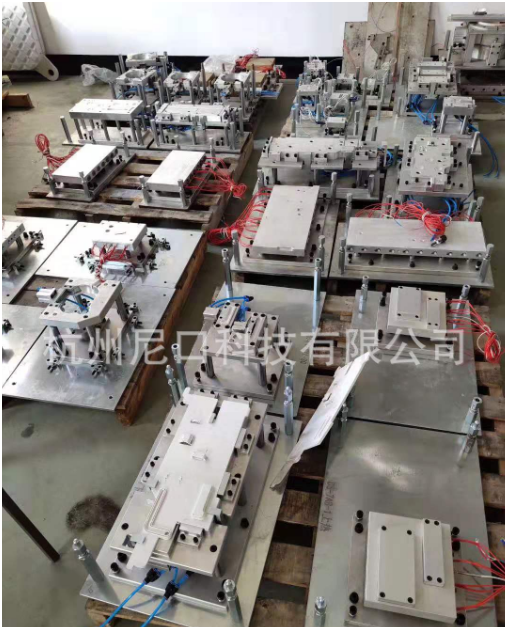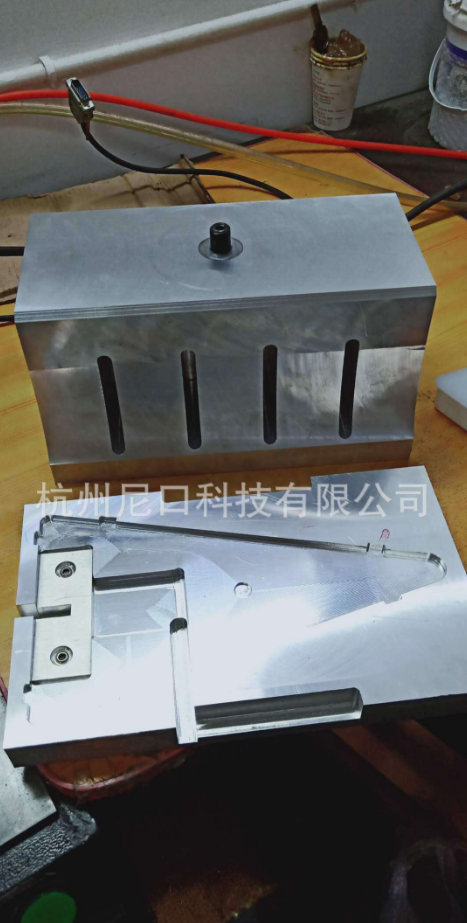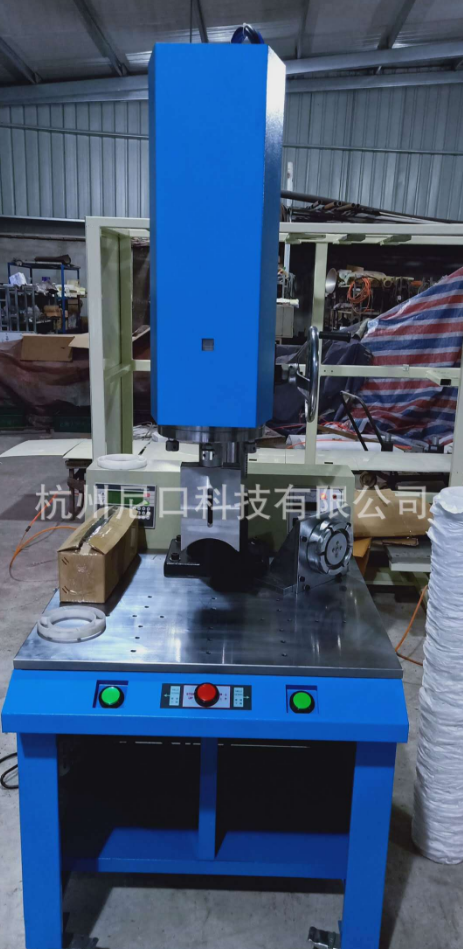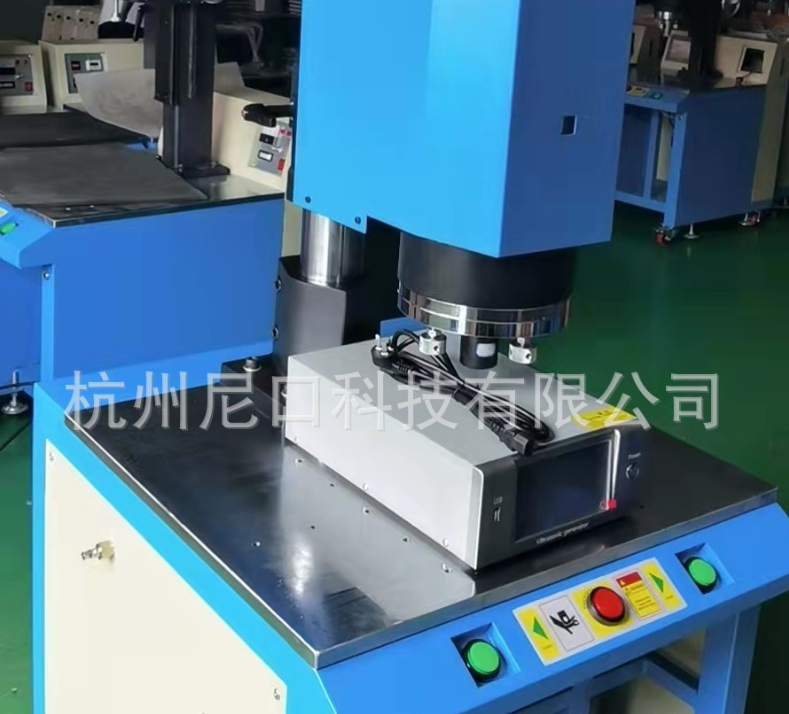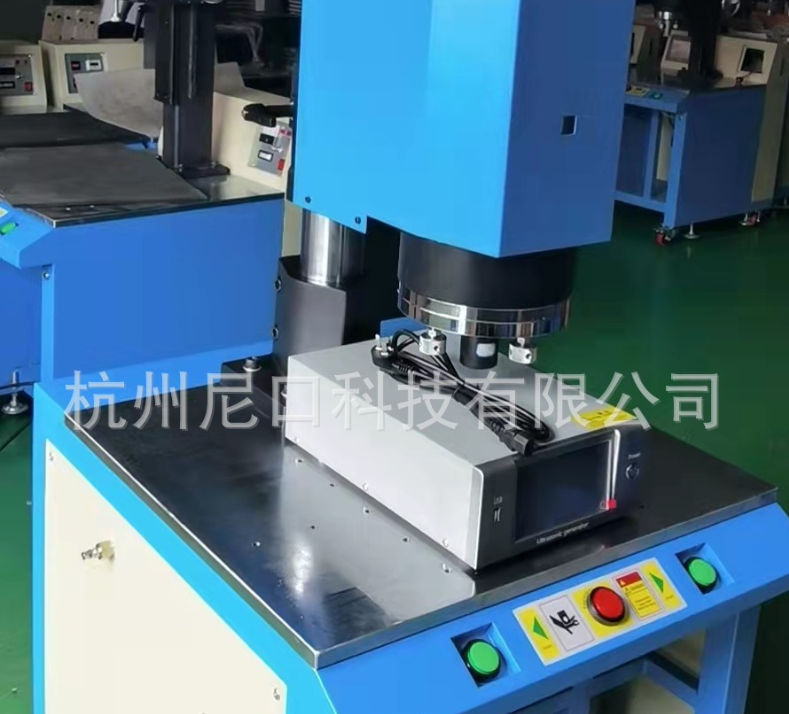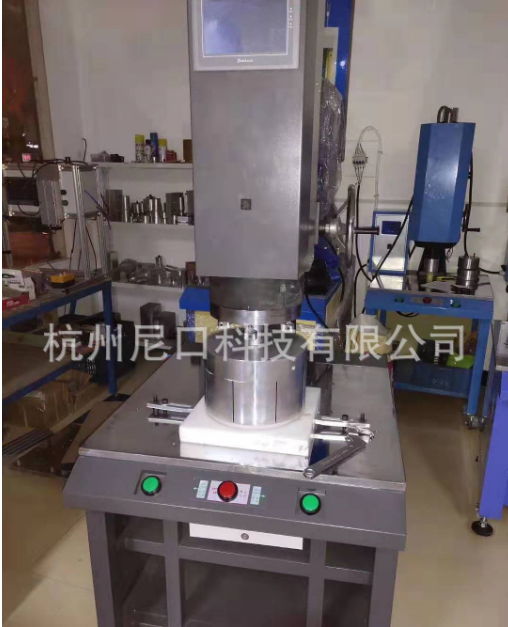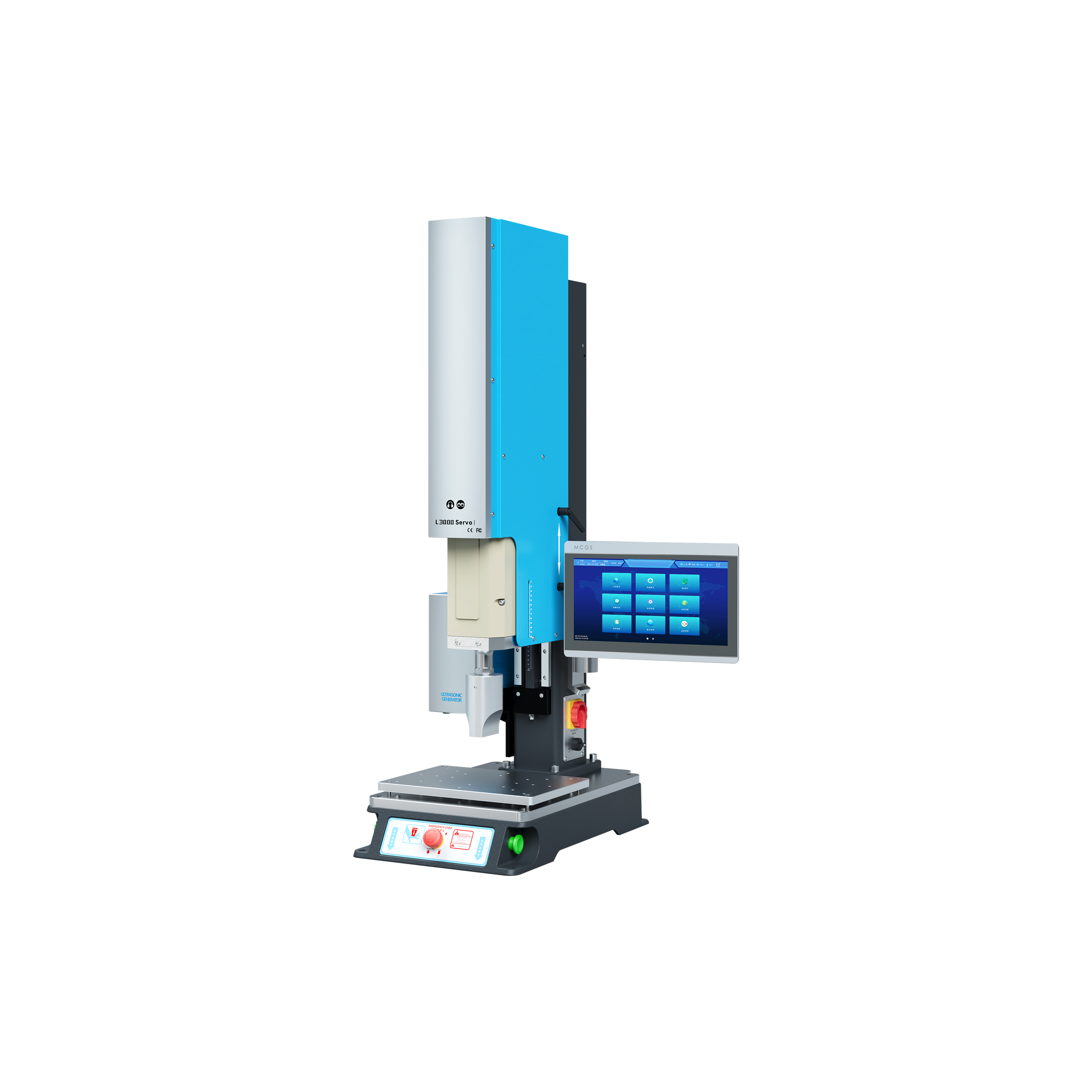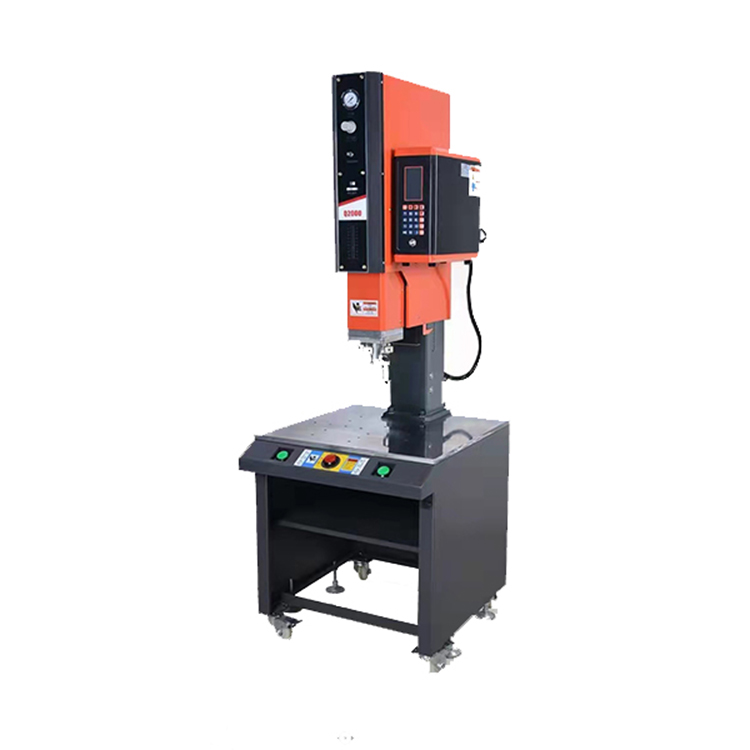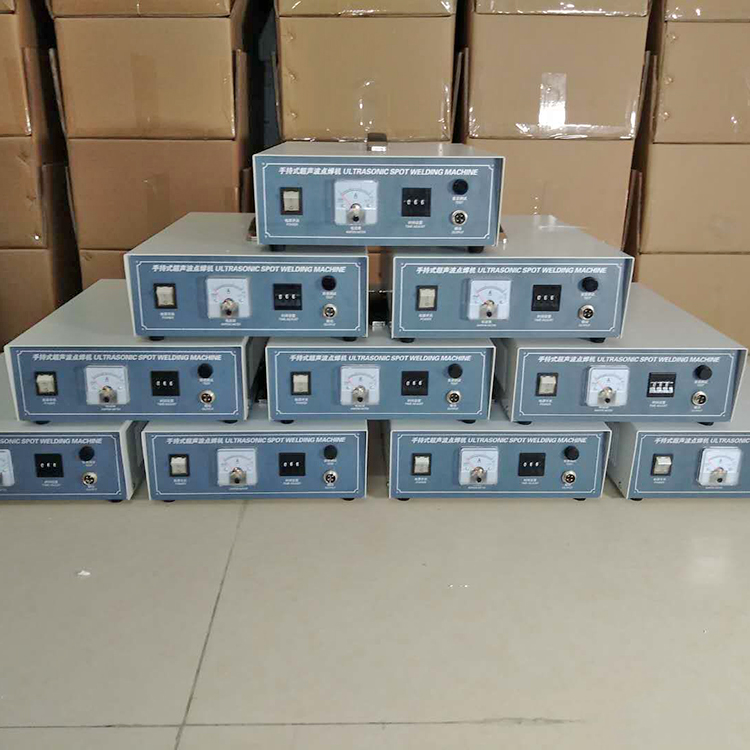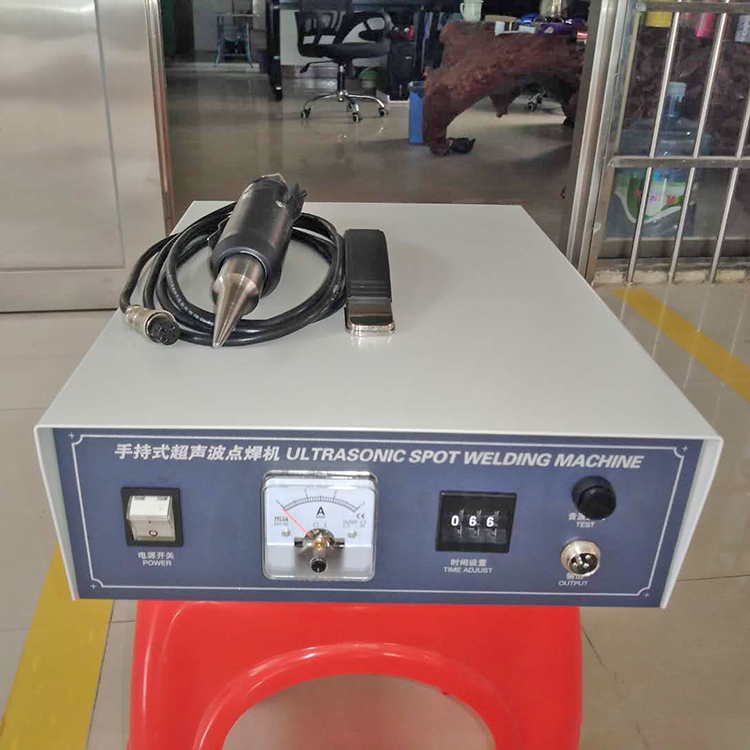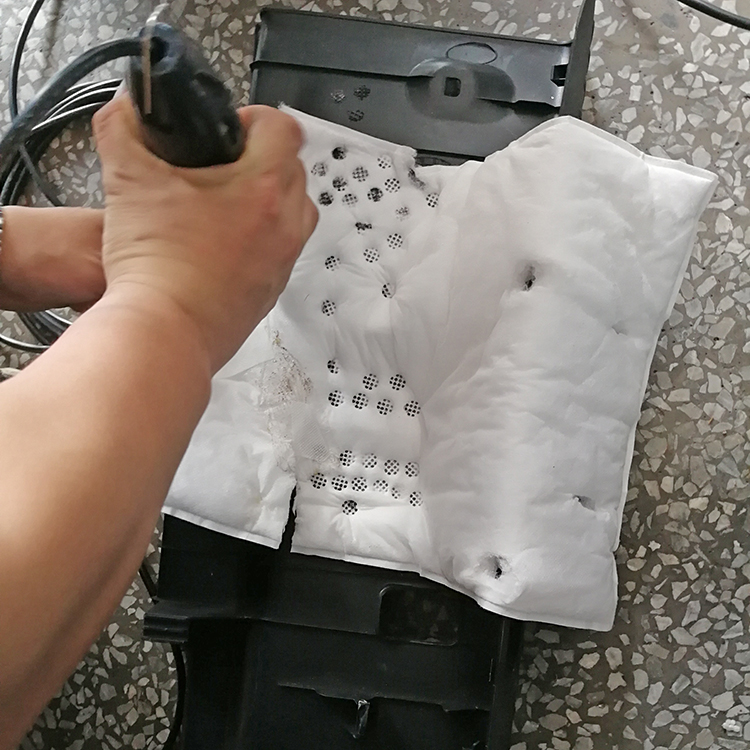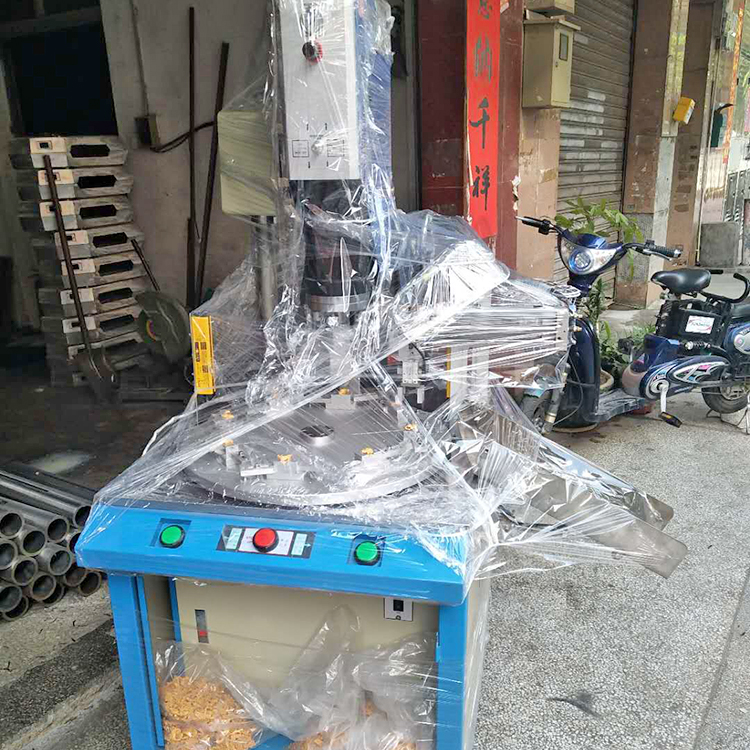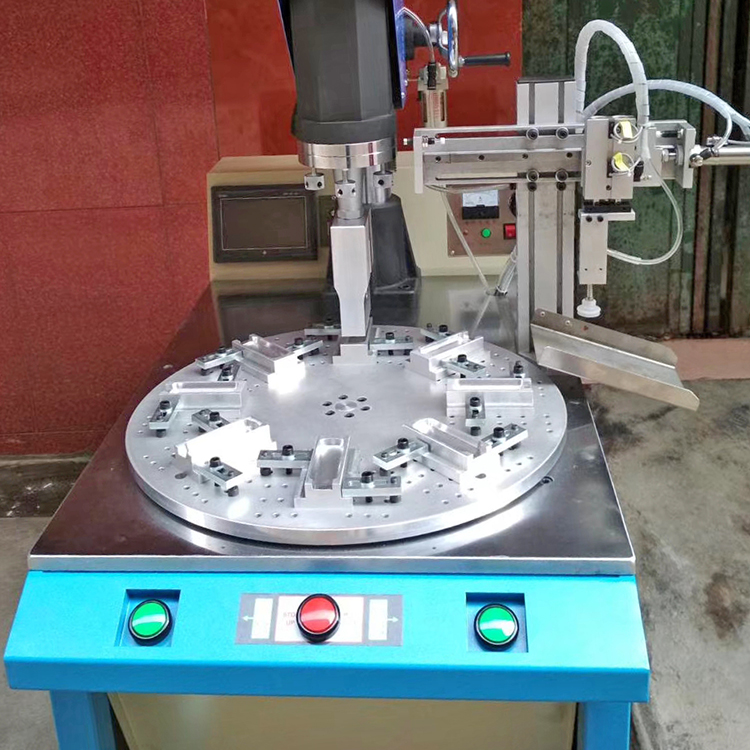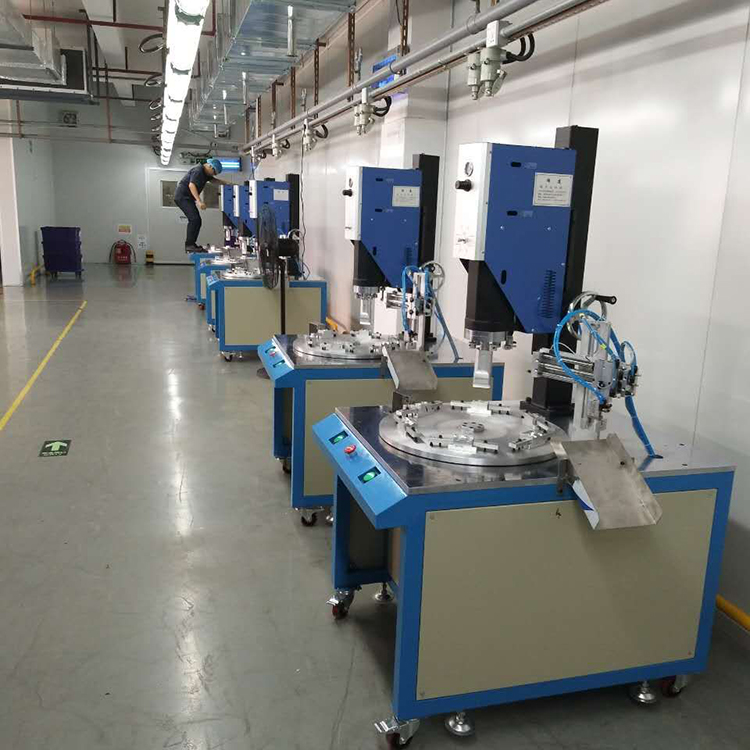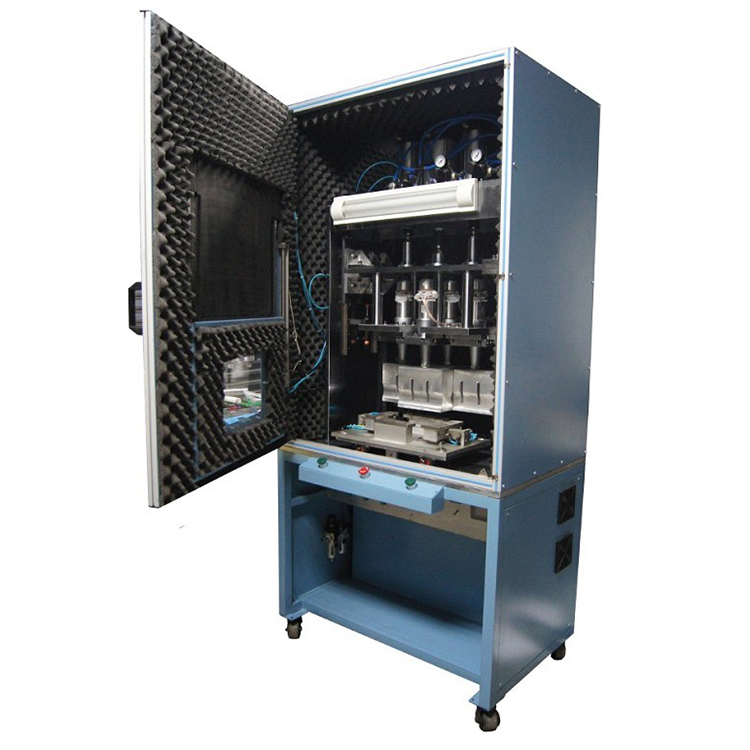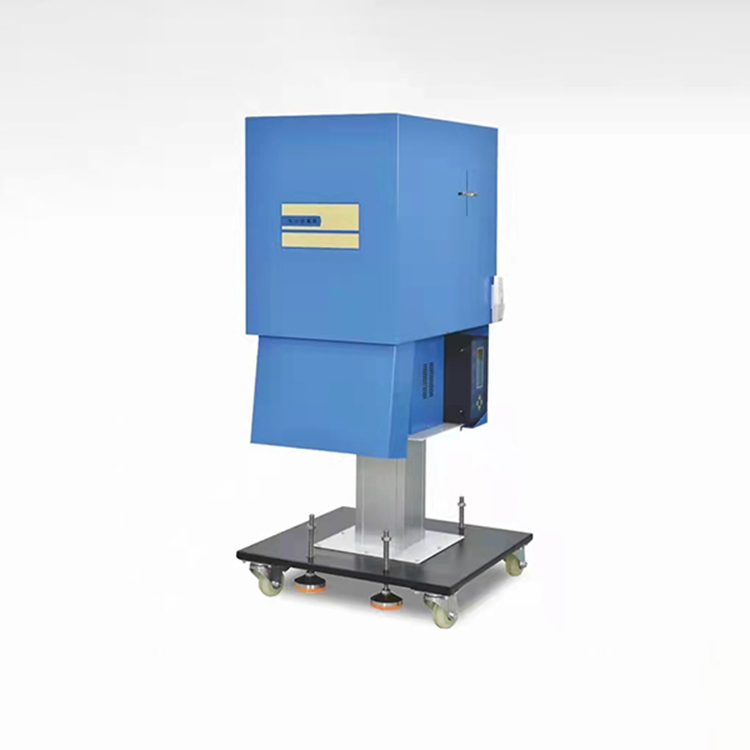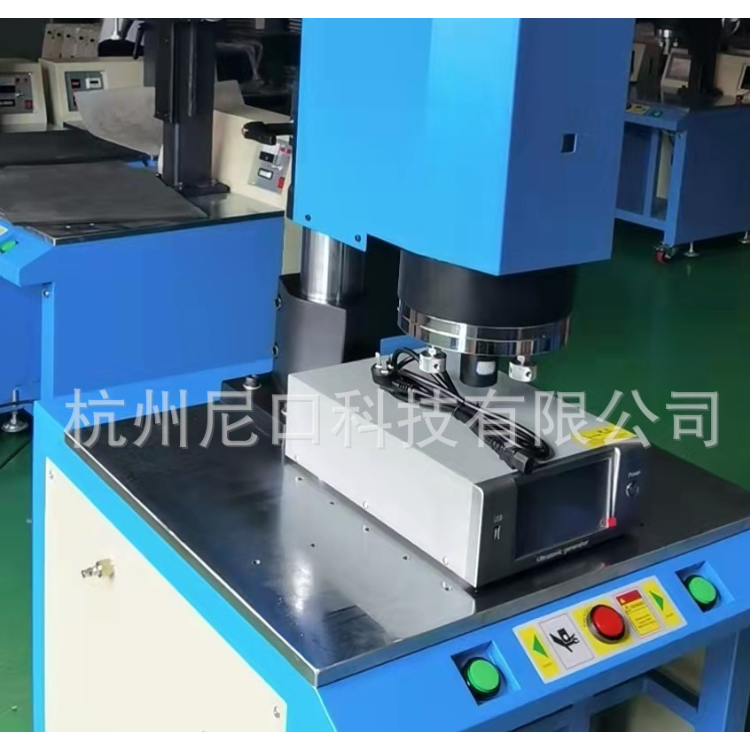


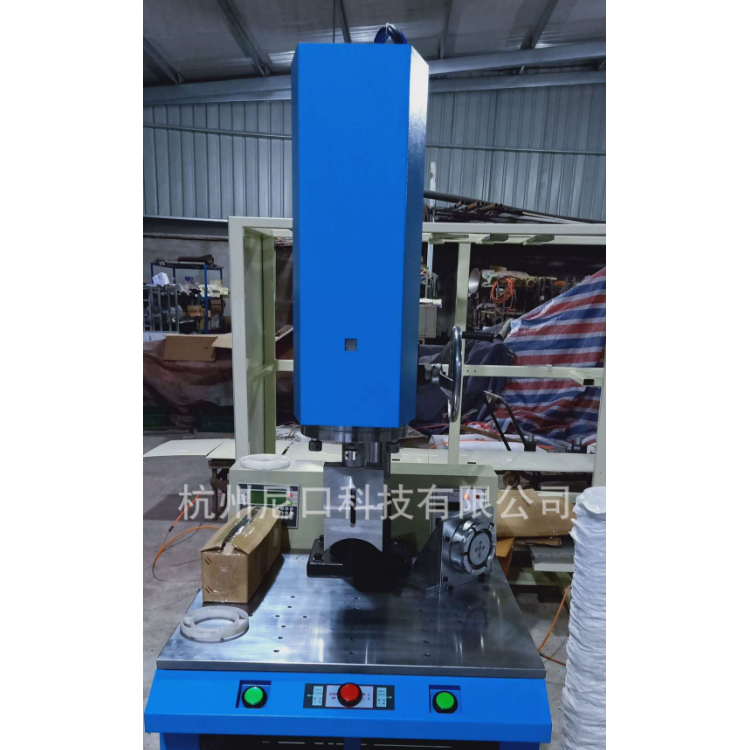


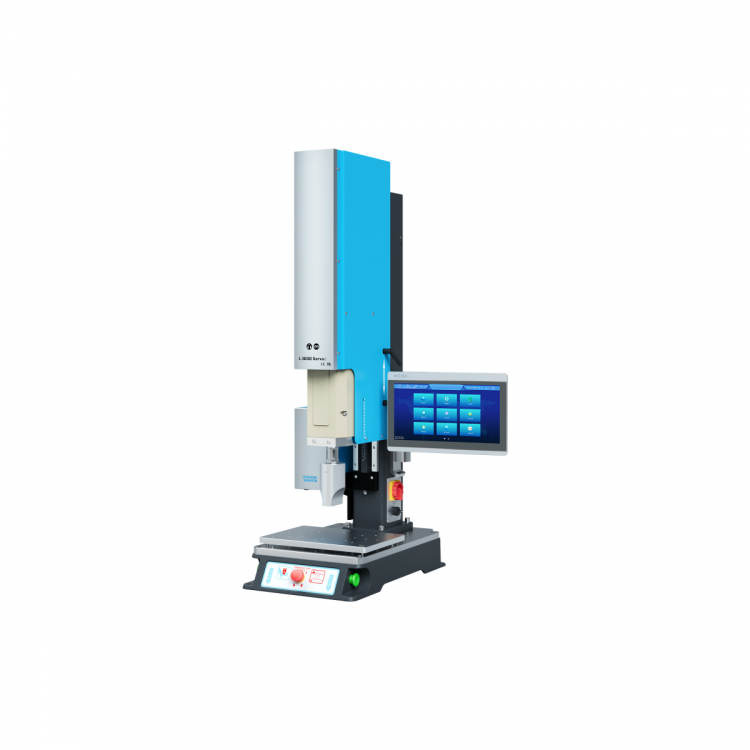
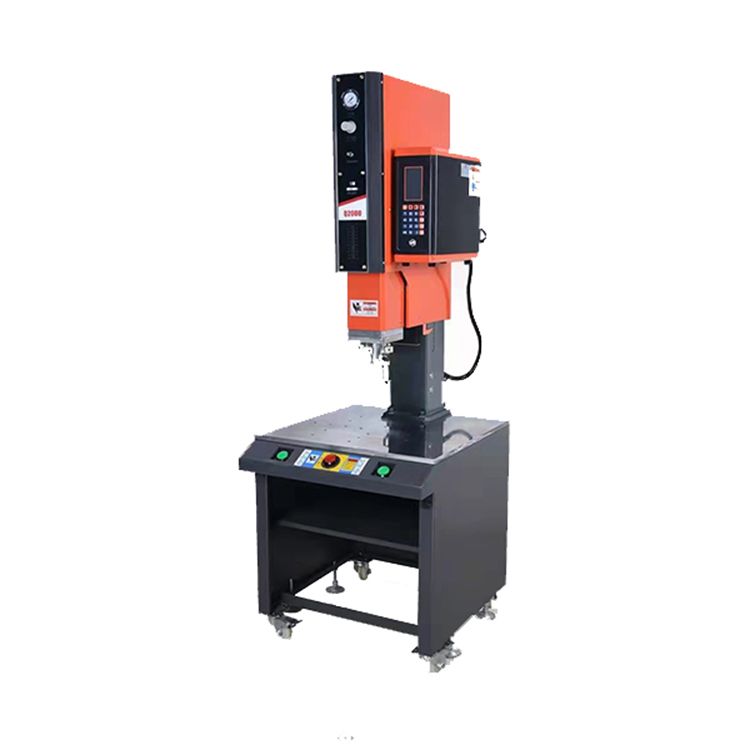
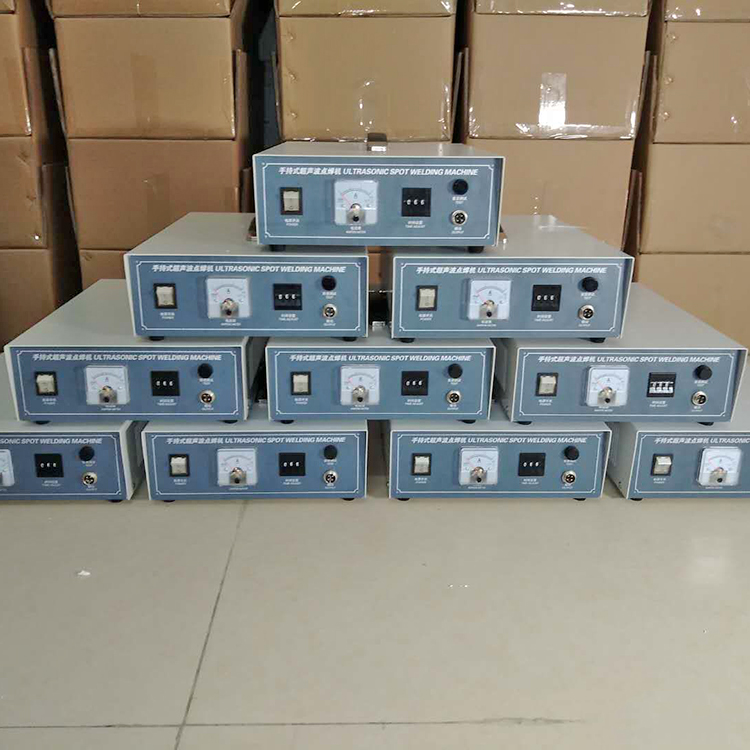

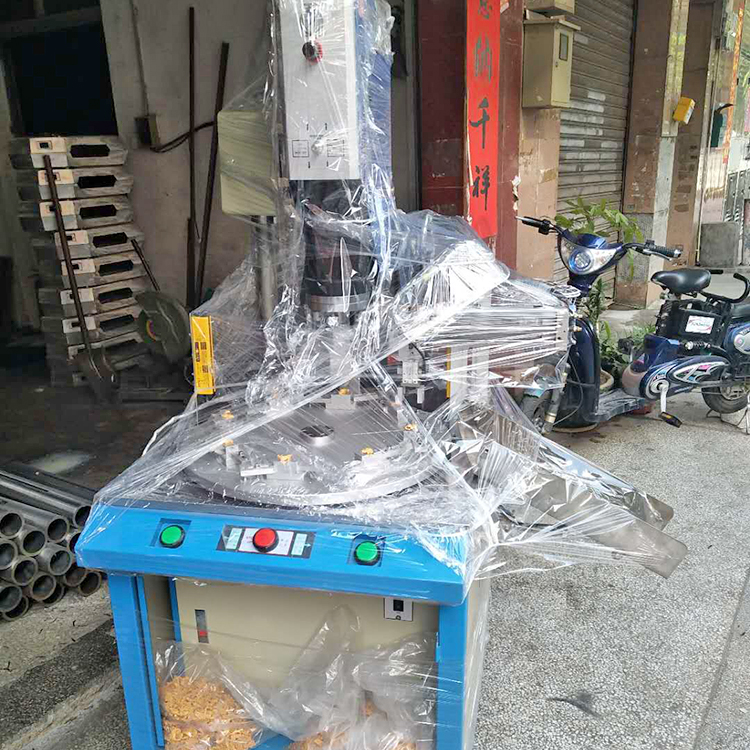






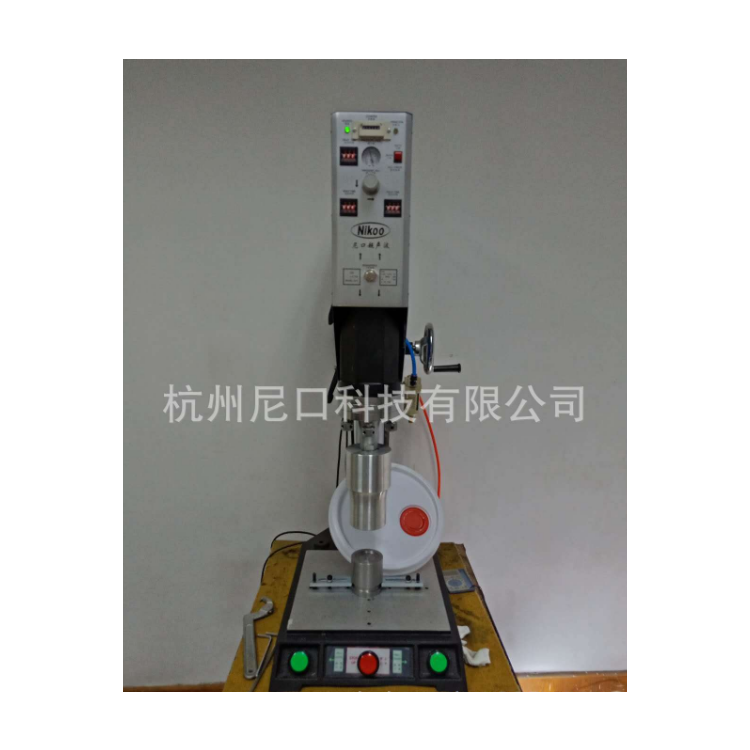
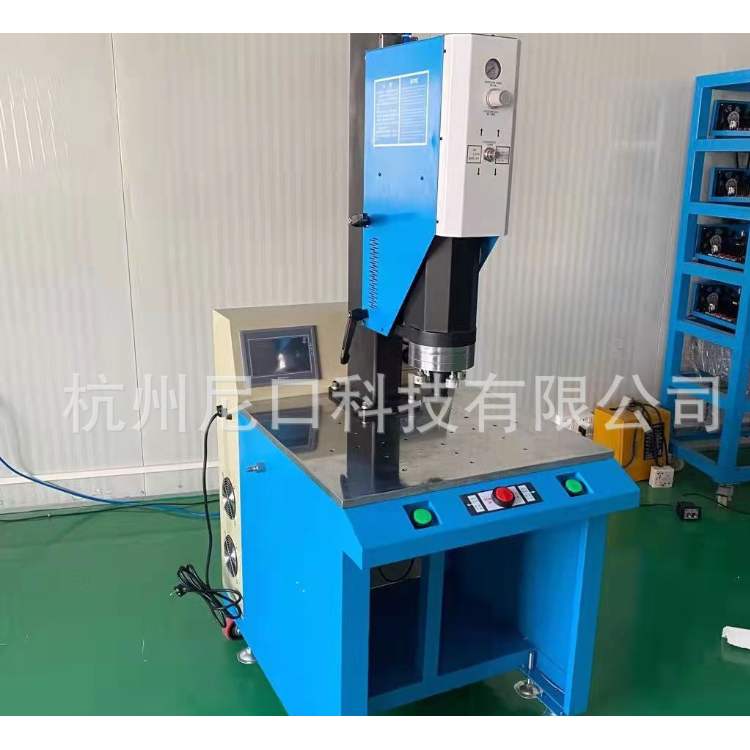
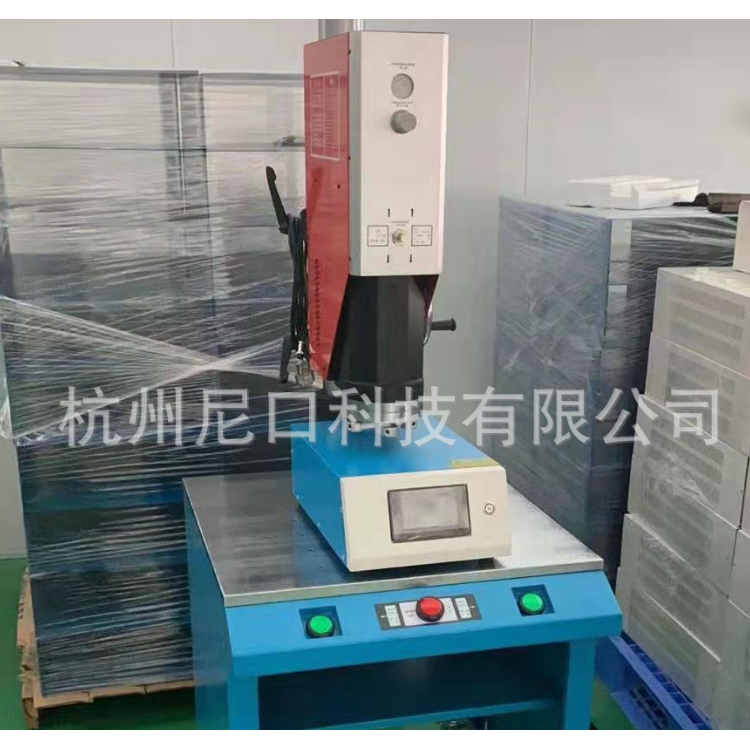
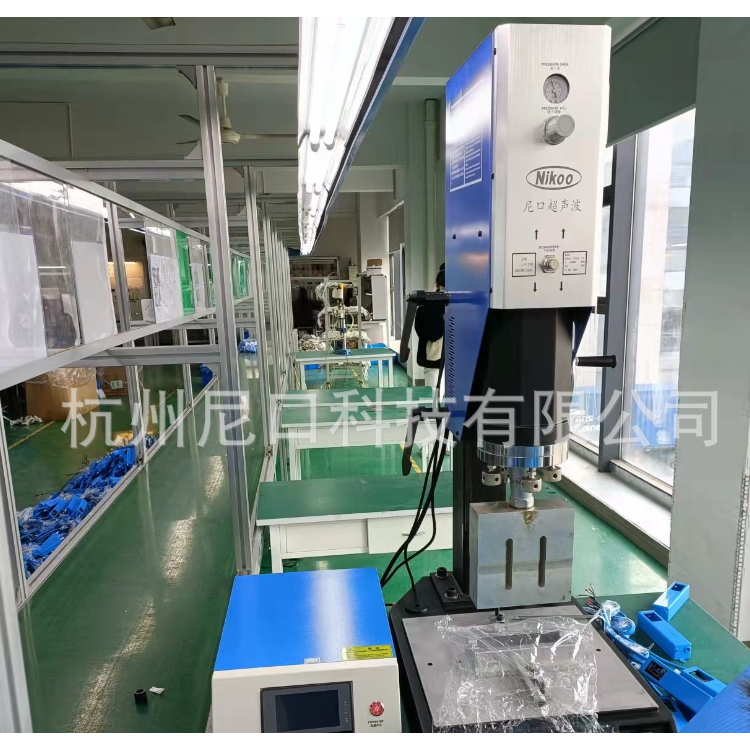

Complete Machine Features:
Original piezoelectric ceramic transducer with powerful and stable output.
2. Multiple options available for aircraft aluminum, ultrasonic steel, and titanium alloy variable pitch rods.
3. IC control circuit design, automatic frequency tracking, overload protection device, stable and reliable. Significantly reduces the likelihood of mechanical damage caused by operation errors.
4. All core components are made of imported parts, ensuring stable machine performance and effectively extending the machine's service life.
5. Horizontal and vertical, with a rational machine structure, weld head limitation ensures that the joint pieces are firmly and evenly welded without displacement, resulting in a sturdy and aesthetically pleasing appearance.
6. Up-adjustable balanced transducer assembly for convenient operation during model tuning.
7. Stable output, aesthetically pleasing and durable, with quick work efficiency.
8. A professional and comprehensive after-sales service system ensures peace of mind in your purchase and comfort in use.
This unit is a single-head integrated ultrasonic welding machine, with the ultrasonic generator connected to the main unit via a cable, which avoids malfunctions caused by vibrations during operation.
Section 3: Basic Principles and Characteristics of Ultrasonic Welding
High-voltage, high-frequency electrical signals at 15KHZ are generated by an ultrasonic generator, which are then converted into mechanical oscillations of the same frequency through the piezoelectric inverse effect of a transducer. These oscillations act on plastic workpieces in the form of audio longitudinal waves, causing friction between the surface and internal molecules of the workpiece, thereby increasing the temperature at the interface. When the temperature reaches the melting point of the workpiece, the interface melts rapidly, filling the gaps between the interfaces. Upon stopping the vibration, the workpiece cools and sets under a certain pressure, resulting in the completed welding.
Section 4: Main Equipment Structure and Component Brands:
4.1 Transducer System: Utilizes domestically sourced chip transducers and our signature steel variable amplitude rods. Offers strong power output, durability, and wear resistance, with 20% higher power than equivalent domestic transducer systems.
4.2 Pneumatic Components: Equipped with large diameter cylinder Φ63*80MM—20, five-way solenoid valve, smooth up and down operation, excellent buffering effect, eliminating the impact force of the welding head on the workpiece and the counterforce on the transducer, more conducive to welding thicker workpieces and effectively protecting the piezoelectric ceramic tiles.
4.3 The in-built fine-tuning mechanism offers a fine-tuning distance up to 0.02mm, with a gauge for indication. The机身height and the descent distance of the welding head are both marked with scales, with increments of 1.0mm.
4.3 Rack: features a rectangular column design with higher mechanical strength, effectively preventing backward tilt during operation. The rack's sheet metal components are all cut and bent using laser cutting machines and CNC shears, ensuring precise assembly. The entire unit is treated with baked paint, offering excellent adhesion and resistance to peeling, with an aesthetically pleasing and generous appearance.
4.4 Motion Structure: Equipped with Taiwan linear guide rail, which is superior to the traditional guide rod and linear bearing (unmatched), and boasts durability and wear resistance. This ensures smoother descent of the welding head without any drift, making it more suitable for welding products requiring precision.
4.5 Balanced Mechanism: The transducer components can be freely rotated, and the transducer components are equipped with a horizontally adjustable structure. The workbench is also equipped with an adjustable structure. These two adjustment structures make it more convenient, quick, easy to operate, and easy to learn for debugging molds.
4.6 Electrical System: Full import component assembly, improved design for power amplifier section, additional amplification components to share the load.
Reduce transistor temperature rise and damage rate; feature no programmed board design; replace mechanical time setting switches with OMRON time relays for more reliable time control.