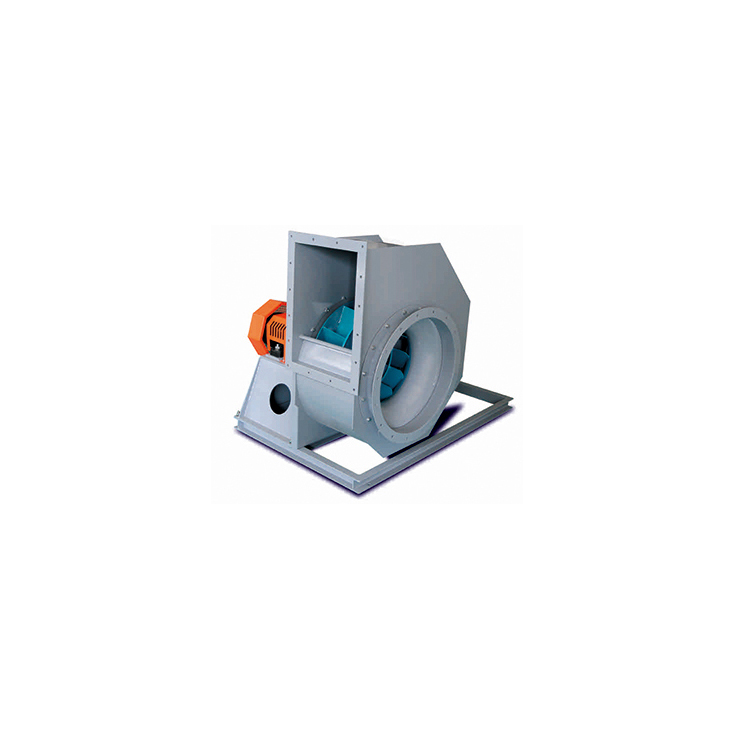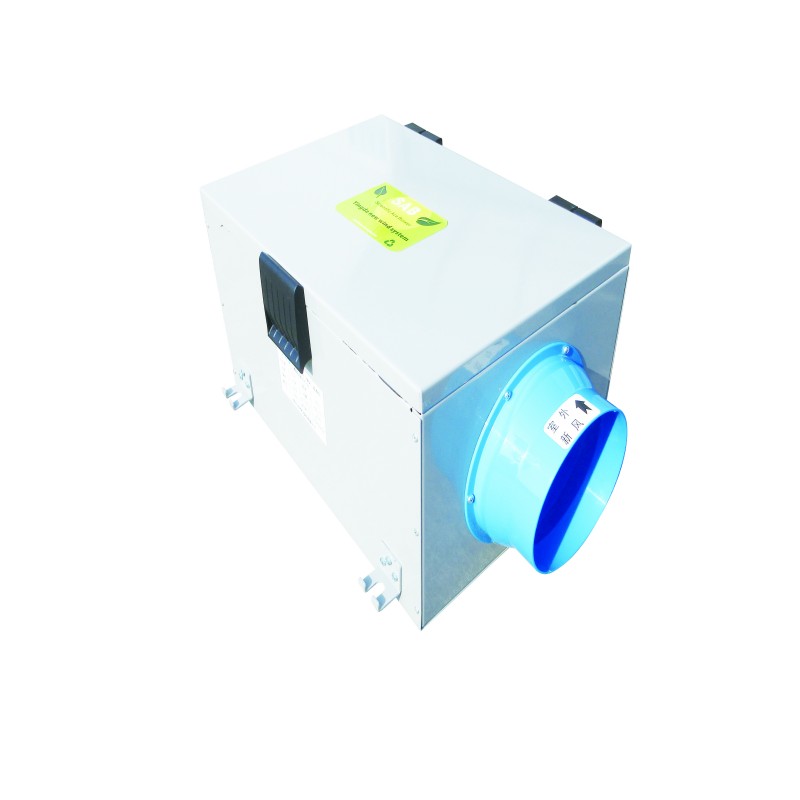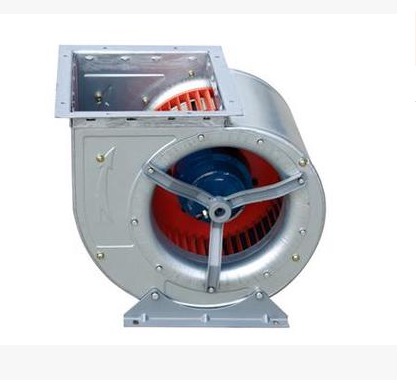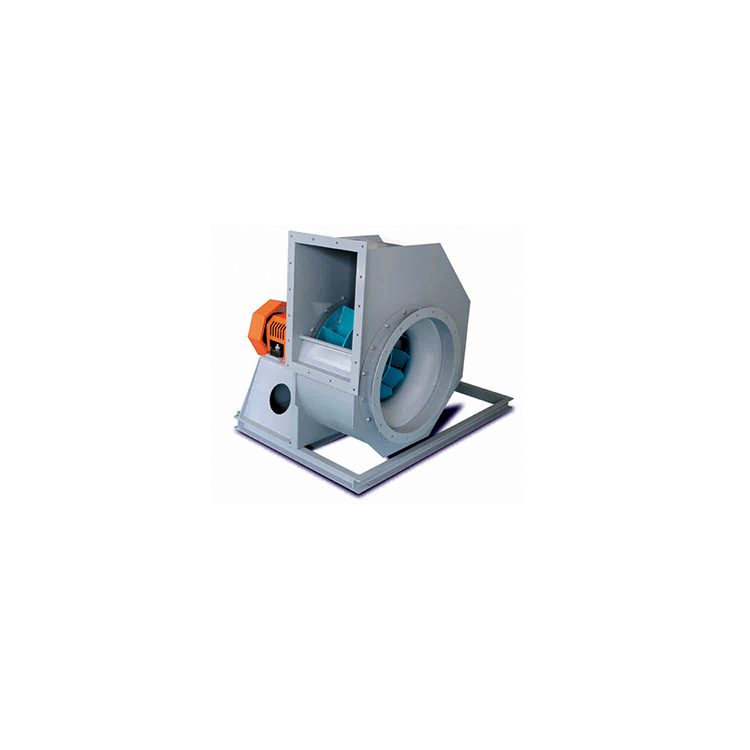

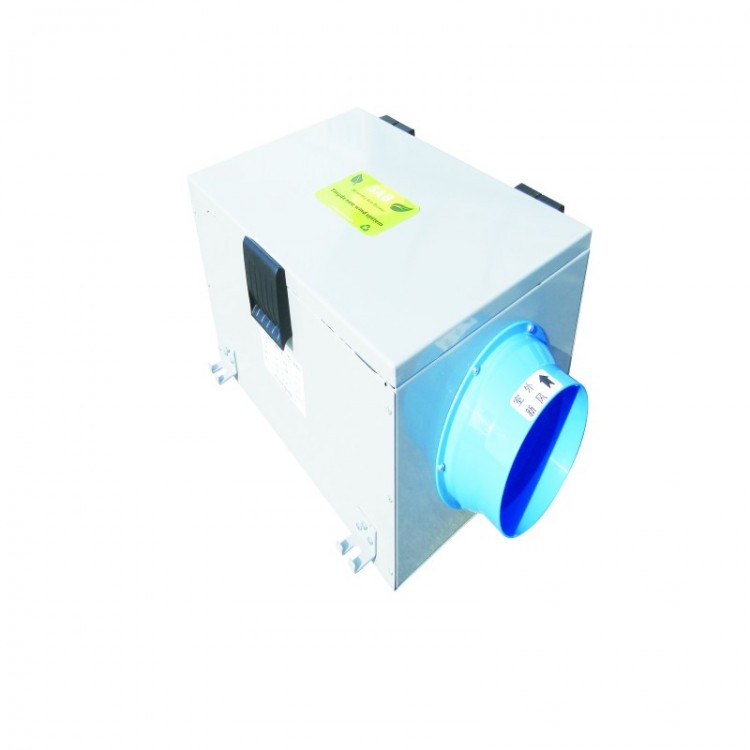
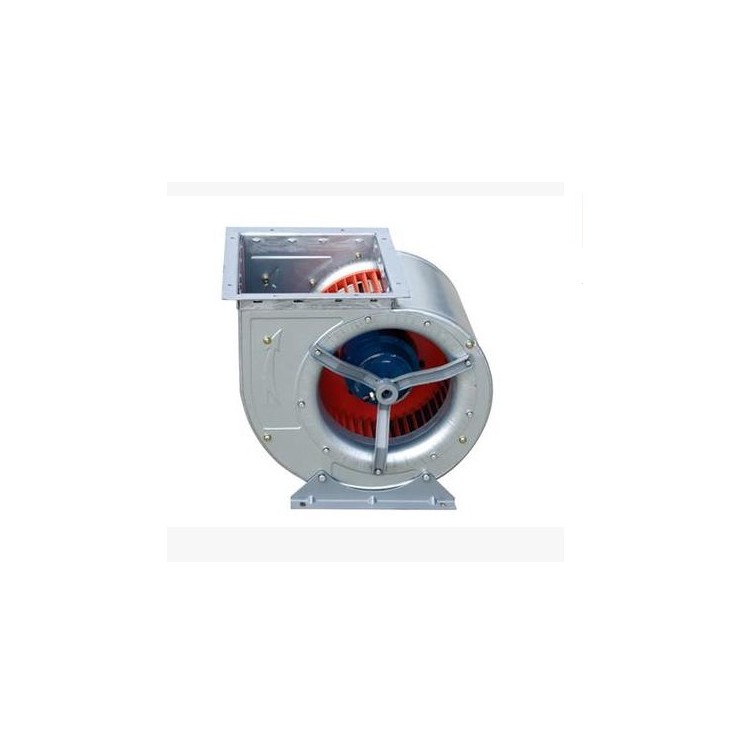











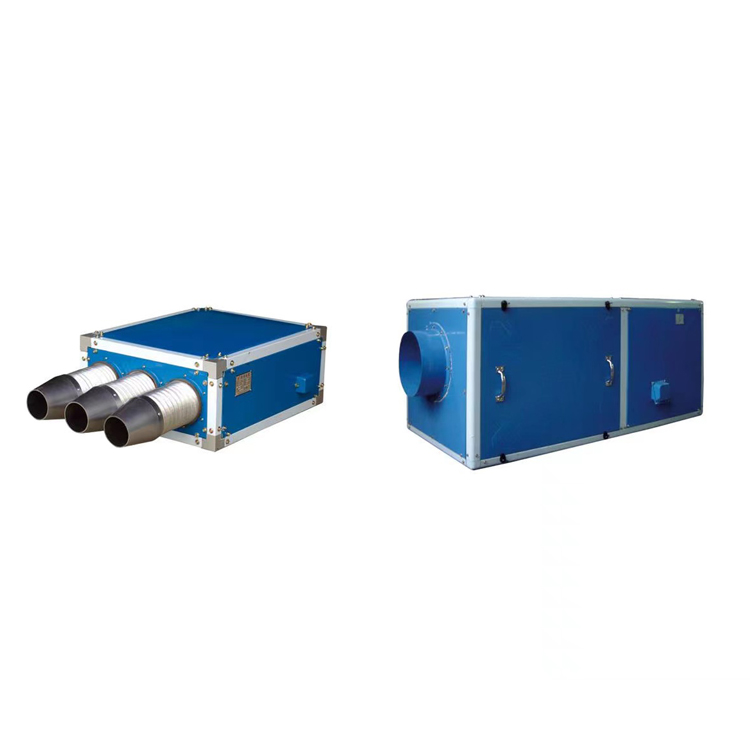
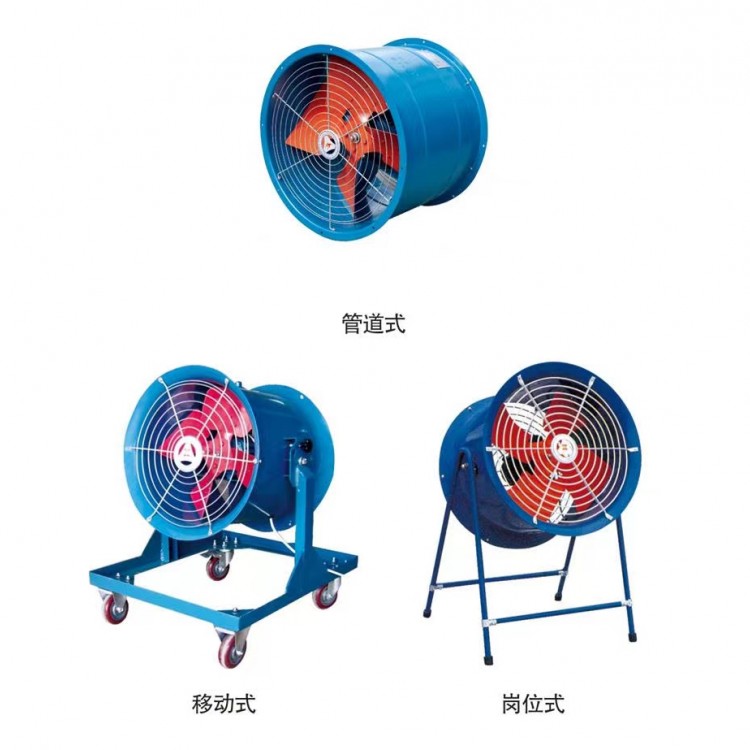
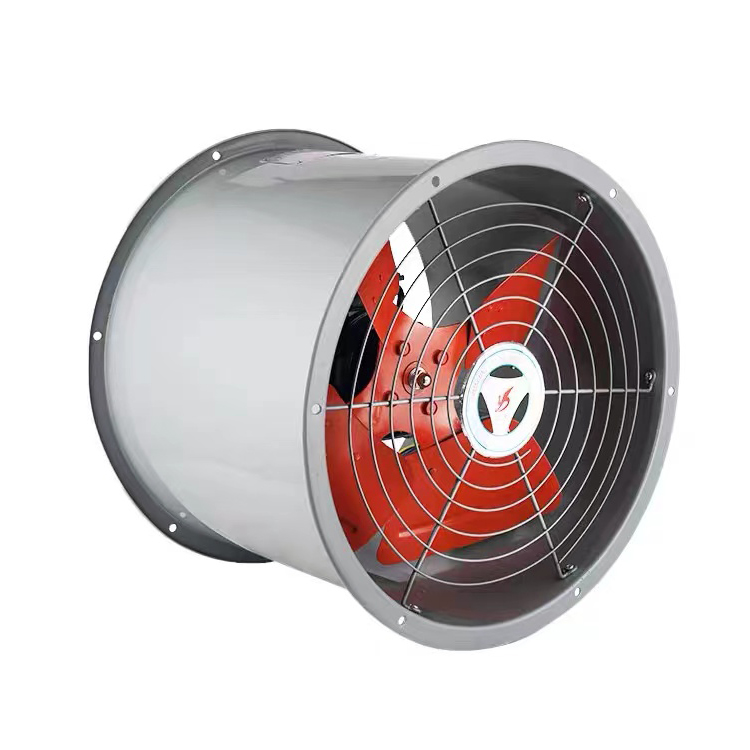


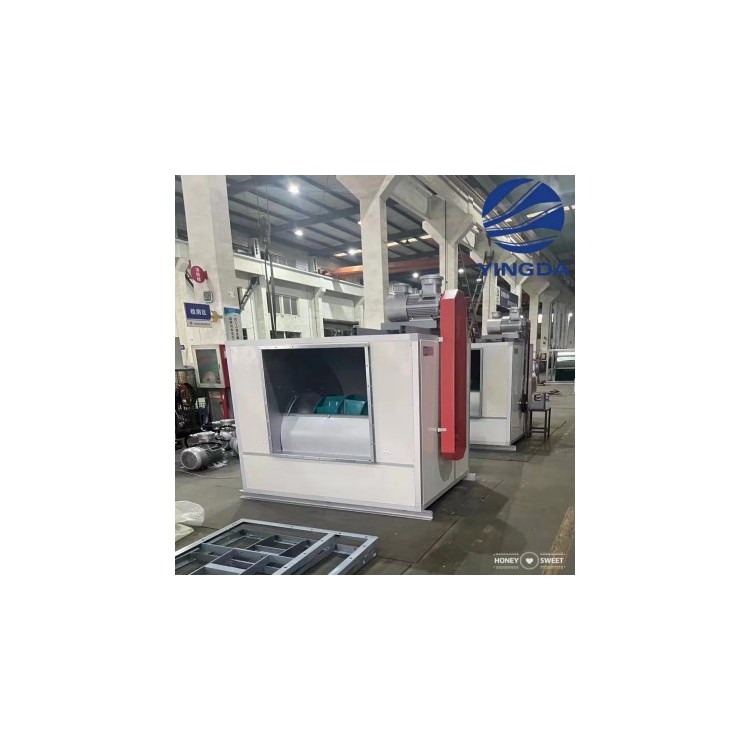
Stainless steel fans are a common industrial equipment, but in everyone's habitual cognitive ability, centrifugal fans are generally used for natural ventilation in engineering construction. Below, we'll briefly introduce the installation and usage of stainless steel fans.
1. Pre- and post-installation tilt-adjustable stainless steel fan
All components of the stainless steel fan should be inspected. Check if the machine is complete, if the rotation direction of the impeller matches the housing, if all connections are secure, if the main components like the impeller, main shaft, bearings, etc., are damaged, and if the gear box assembly operates smoothly. If any issues are found, they should be repaired and adjusted immediately.
2. Install stainless steel fans
Please ensure a thorough inspection. No tools or debris should fall into or remain in the stainless steel fan. On certain joint surfaces, to prevent rust and ease disassembly, apply some lubricant or machine oil to the stainless steel fan and base. When aligning the connection joints, adjust the intake pipe and tubes to fit naturally. Do not force the connection. Avoid adding weight to the pipe on the components of the stainless steel fan, and ensure the fan is level.
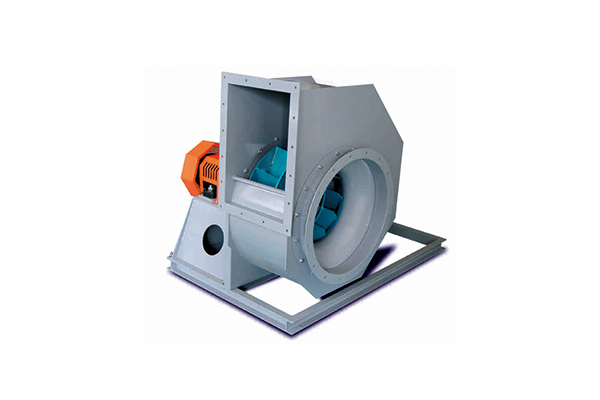
3. Installation Requirements for Stainless Steel Fans:
(1) Install according to specified location and size. To achieve maximum efficiency, it is particularly important to ensure the gap size between the inlet and impeller.
(2) For belt drive, the corresponding grooves on the main shaft driving pulley and the motor driving pulley must not be misaligned. After applying the tape, the safety cover should be installed.
(3) For coupling drive, the shaft misalignment between the stainless steel fan main shaft and the motor shaft, as well as the parallelism deviation at both ends of the coupling, must not exceed 0.05mm.
(4) When installing the adjustable door, please do not install it backward and ensure that the air intake direction is consistent with the rotation direction of the impeller.
(5) After the stainless steel fan installation is complete, please try shifting the transmission set to check if it's too tight or colliding with fixed components. If found unsuitable, it must be adjusted.
4. Stainless Steel Fan Pilot Run
All installations must be completed before trial operation can be conducted after routine inspections. To prevent motor burnout due to overload, the stainless steel fan must be started and tested without any load (by closing the damper or regulating gate in the air intake). If conditions are favorable, gradually open the flue or regulating gate to conduct continuous operation tests under full-load normal operating conditions (*full pressure and full flow).
The trial operation time for new equipment must not be less than 2 hours, and for repair equipment, it should be at least half an hour. If no abnormal phenomena occur, it can be officially used.
The selected power for the stainless steel fan refers to the power consumption of the self-cooling fan and the reserve amount to be added to the mechanical loss under specific operating conditions. When the damper is fully open, it is not the driving force of the stainless steel fan. Do not fully open the damper during use, except for pipeline resistance. The current should be strictly controlled during operation and must not exceed the rated value of the motor; otherwise, it may cause the motor to burn out.