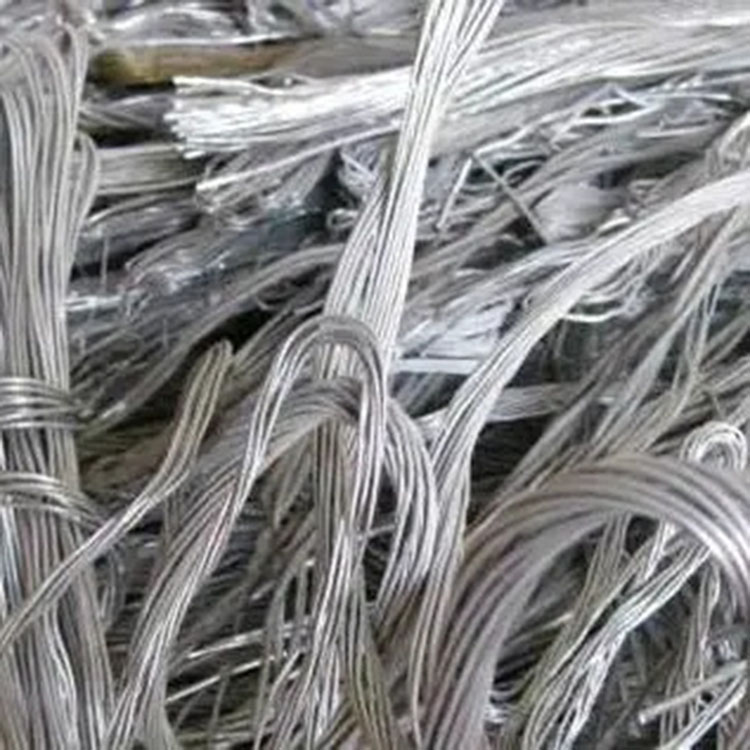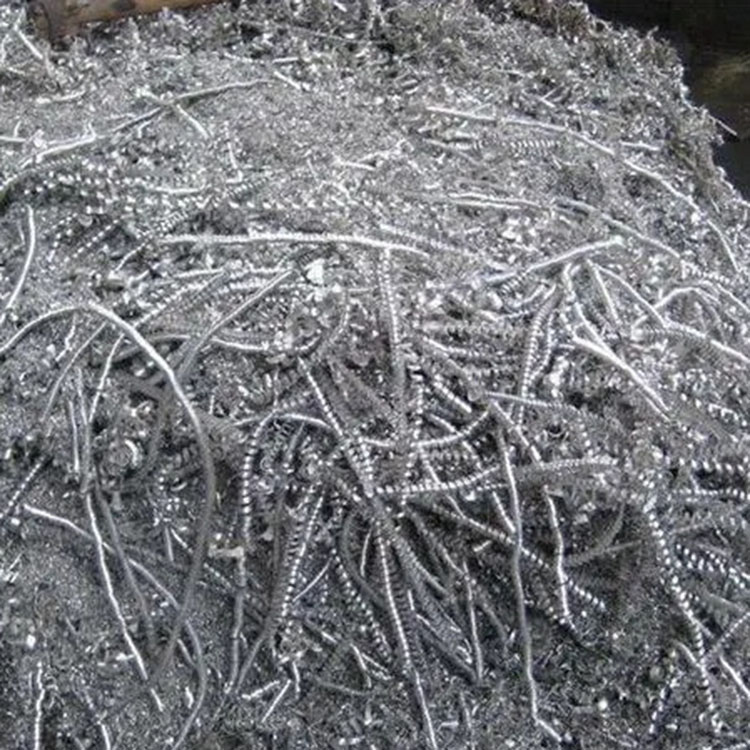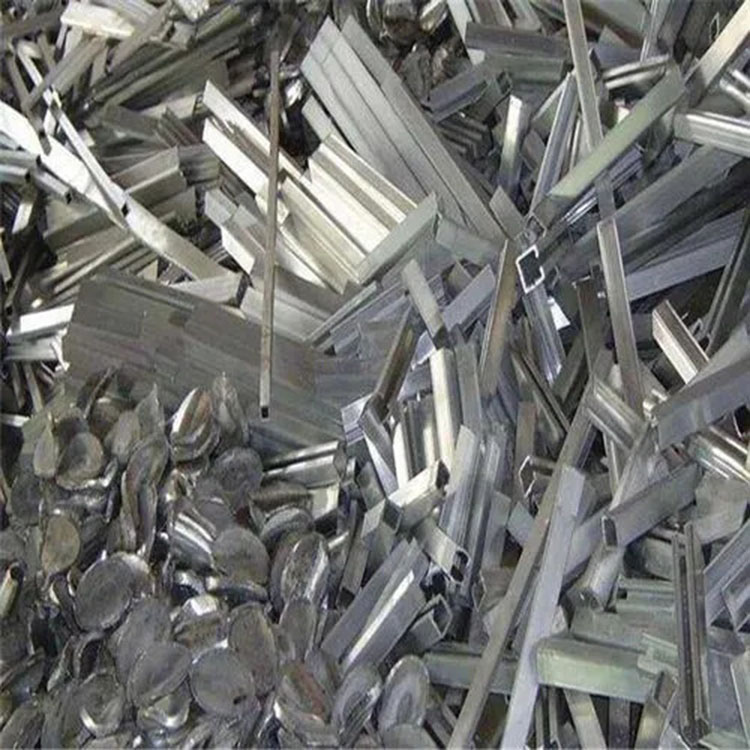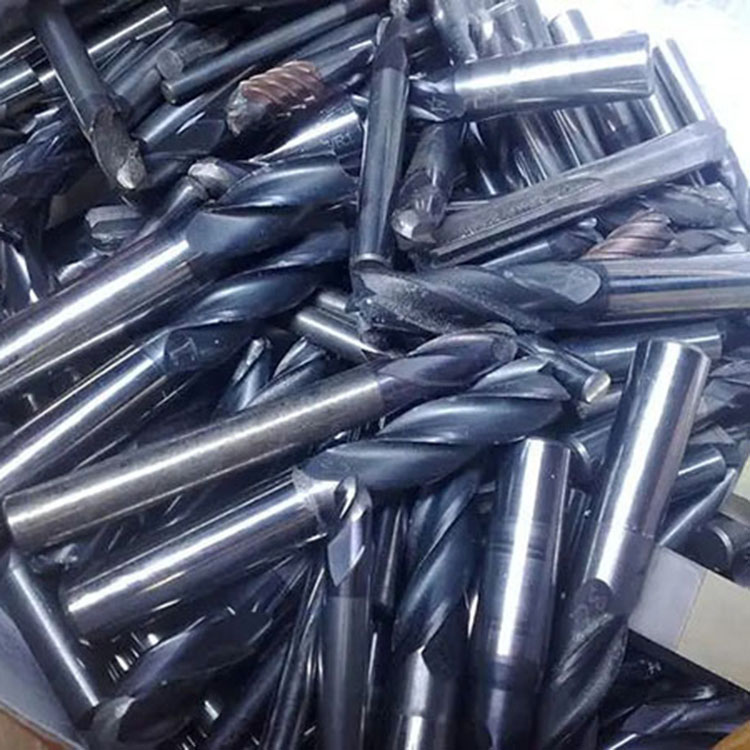










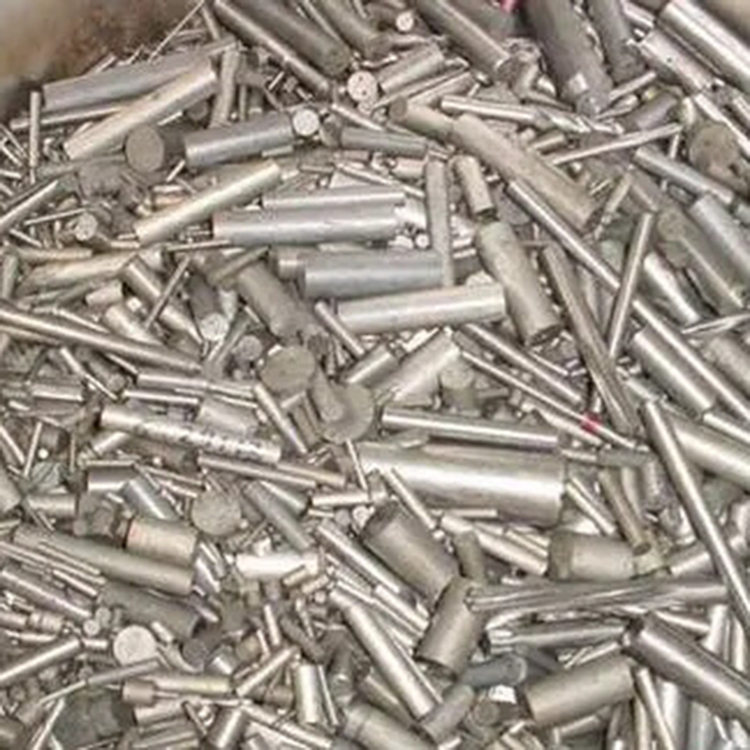

The process of scrap aluminum recycling primarily involves remelting in a furnace, followed by casting, and then forming aluminum ingots. Alternatively, it can be directly transformed by utilizing a small amount of scrap aluminum to adjust the alloy composition, which is typically done in an electric furnace. The furnace has two compartments: a preheating chamber and a melting chamber.

Refining is a crucial step in the recycling of scrap aluminum, involving the addition of flux to cover the surface of the molten aluminum or alloy to prevent oxidation by air, introducing a liquid for stirring to separate impurities and hydrogen. Gases requiring refining include chlorine, nitrogen, hydrogen, and other mixed gases.
During the recycling of scrap aluminum, classification is particularly important. Aluminum can be effectively recycled based on its different characteristics. Aluminum alloys with different compositions have varying densities, allowing for classification by heavy medium. Heavy medium separation is considered an effective separation method, as it yields finished products with lower initial investment and operating costs. Generally, the densities of aluminum-magnesium alloys and aluminum-magnesium-silicon alloys are lower than those of aluminum-zinc, aluminum-copper, and aluminum-silicon alloys.