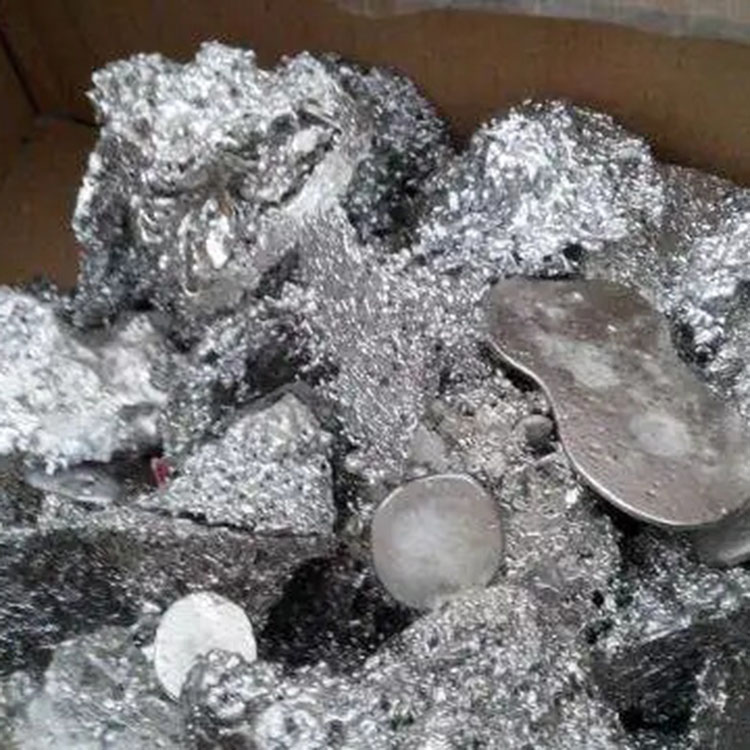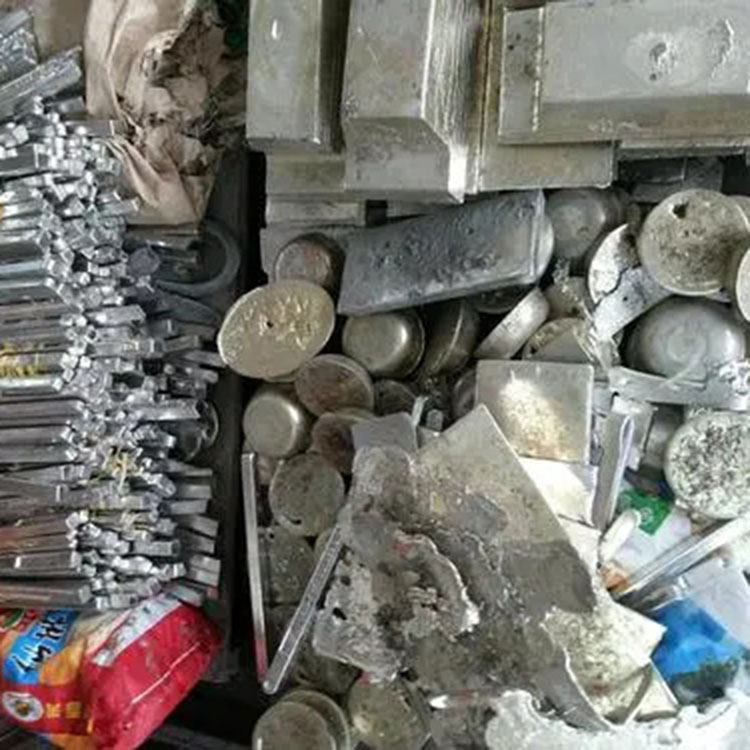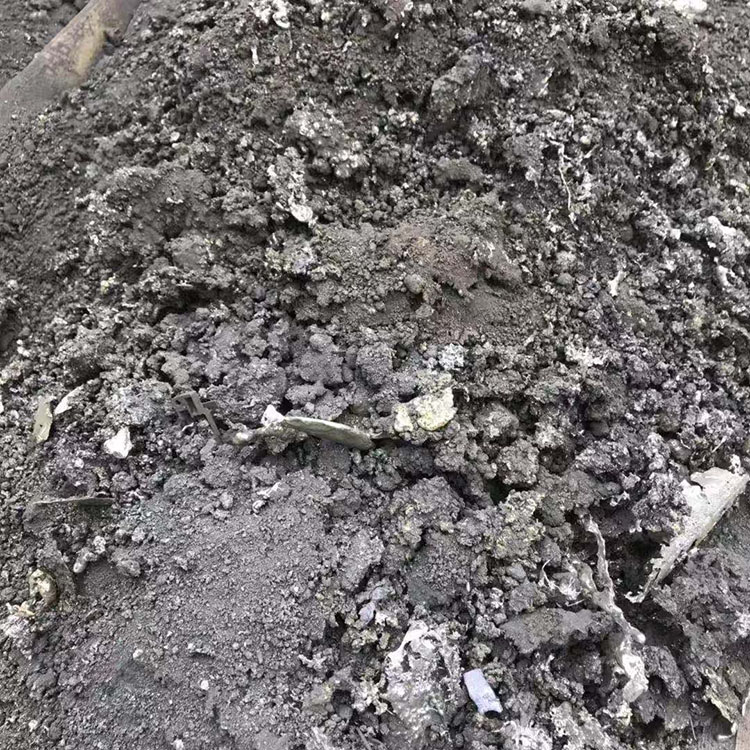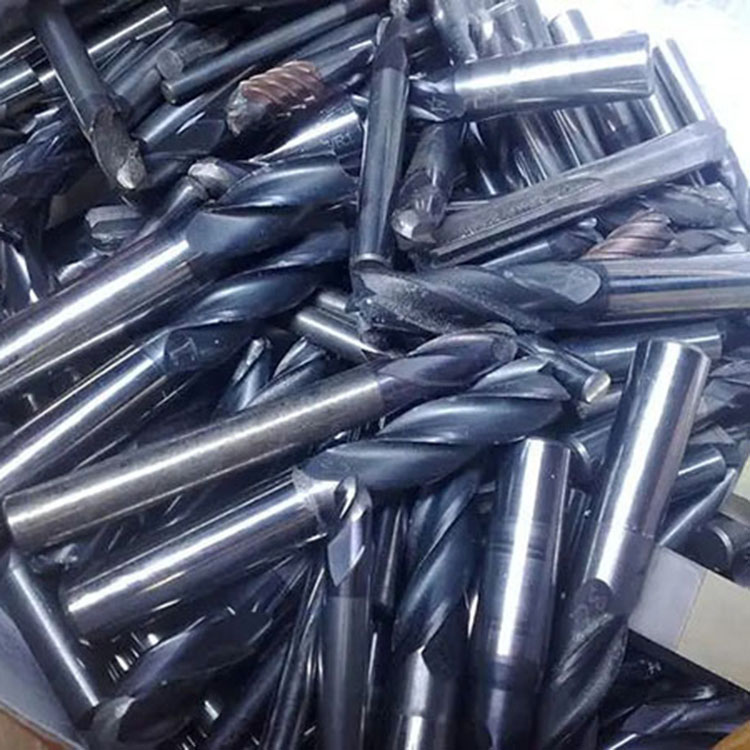

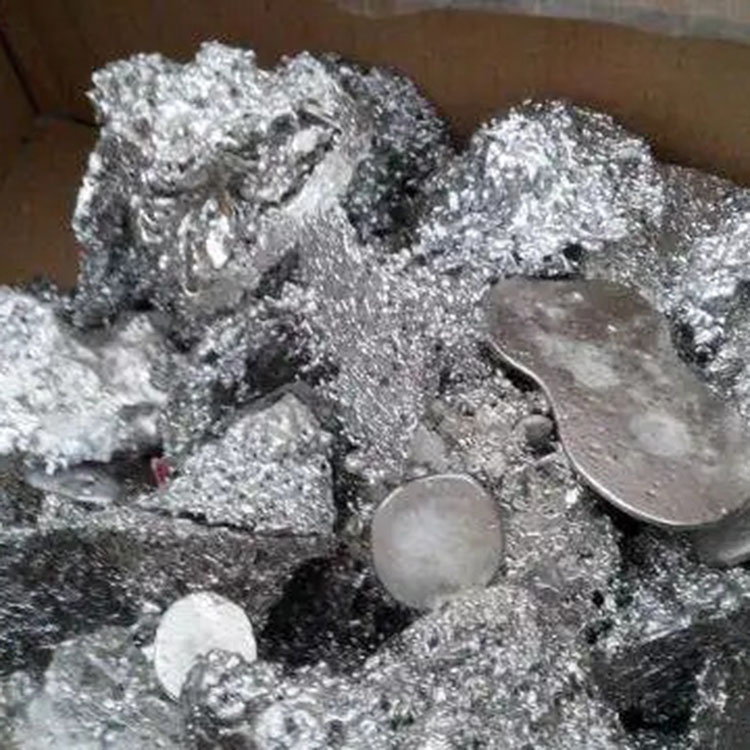

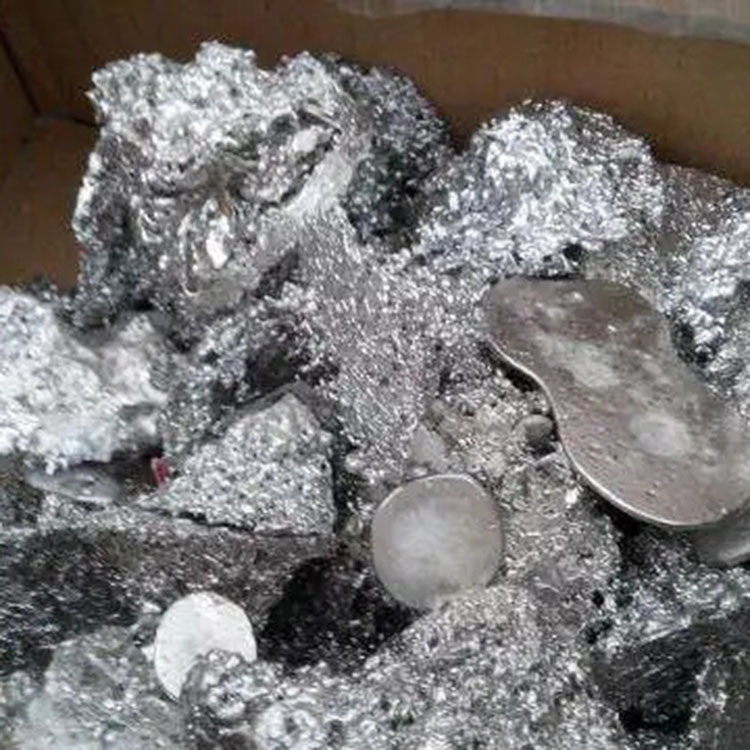










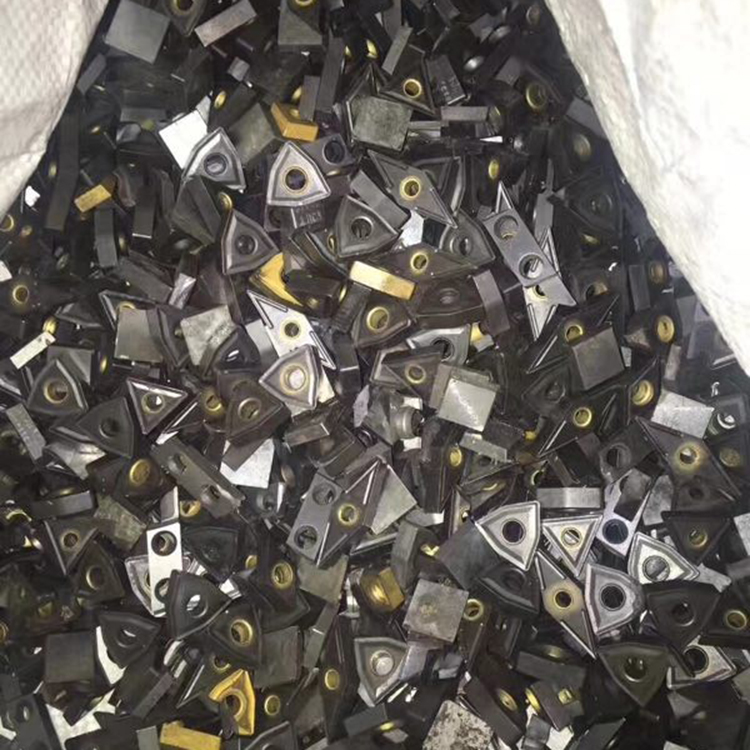
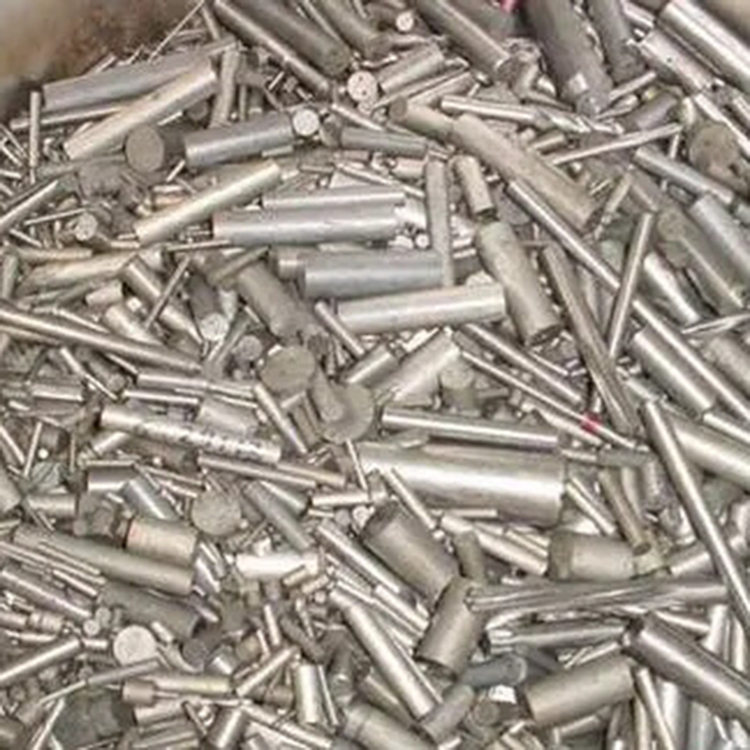

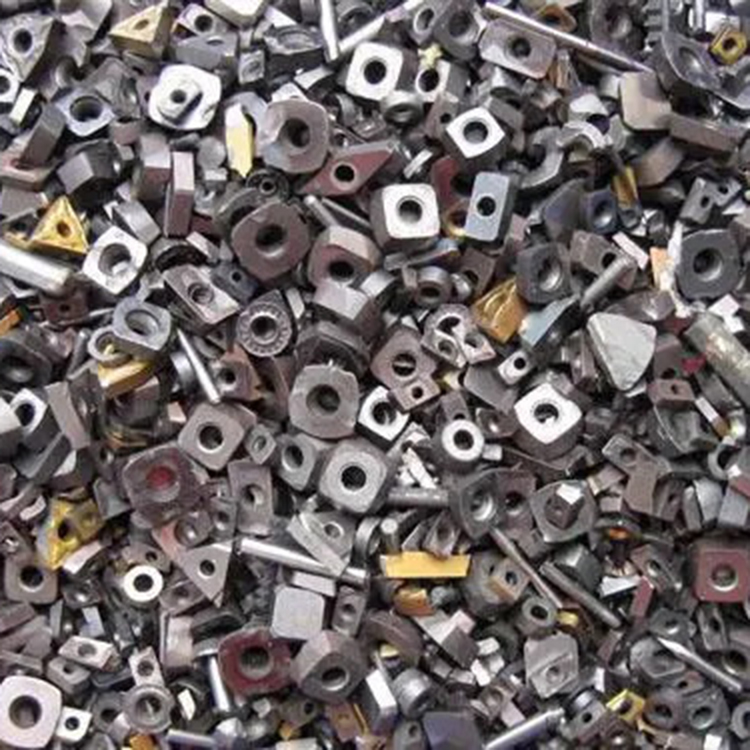
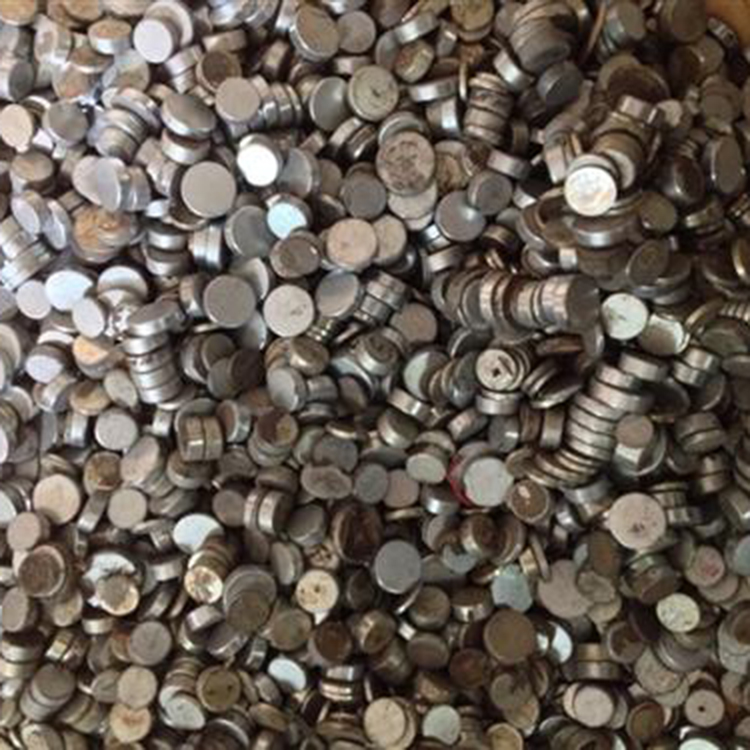
Tin scrap recycling refers to the recovery of tin waste from daily life and industrial production, including discarded tin metal. Recycled tin is a product obtained from the metallurgical process of recovering tin waste, with three types of refined recycled tin waste: iron scrap, tin-bearing alloy scrap, and hot-dipped tin slag.
Tin content in iron scrap is low (0.5%~2%), with large quantities, as the annual consumption of tinplate reaches 18 million tons; there are many types of tin alloy scrap, including various bearing alloys, easily fusible alloys, solders (collectively known as lead-tin alloys), and tin brass scrap, etc., generally containing more than 2%~5% tin, and also containing lead, copper, antimony, zinc, and other recyclable components; hot-dipped tin slag has a high tin content, but in smaller quantities.
Industrially, tin is typically recovered from the aforementioned waste materials. The tin recovered from tin-containing waste is known as recycled tin, which differs from primary tin produced directly from ore. The quality of recycled tin is continuously improving with the refinement of recovery methods, and the electrolytic process using additives is currently considered a more ideal method.