













Welding Methods
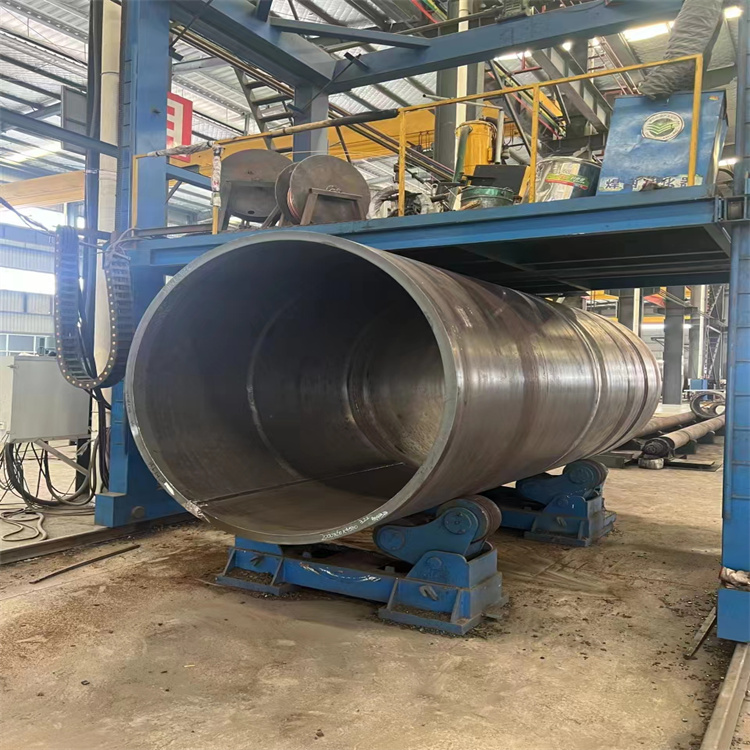
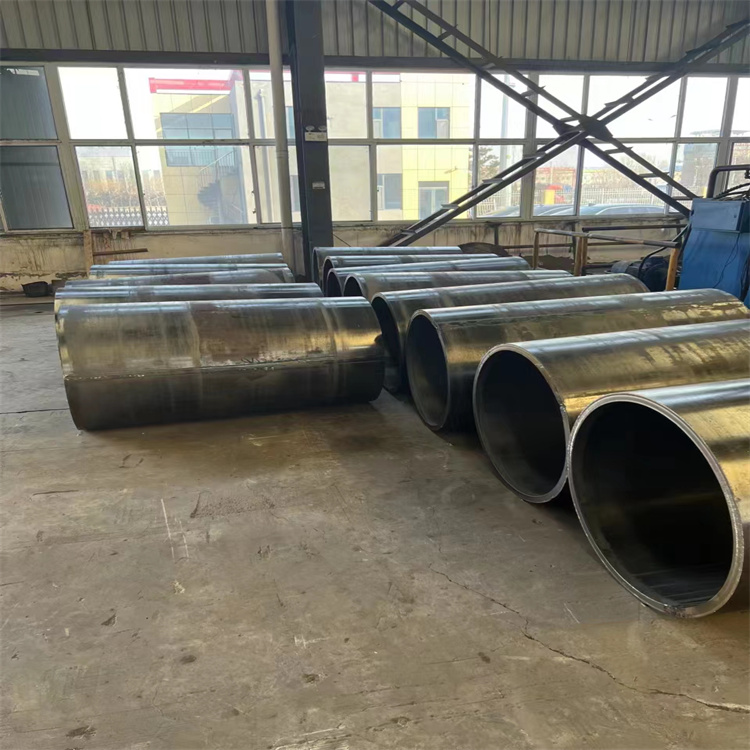
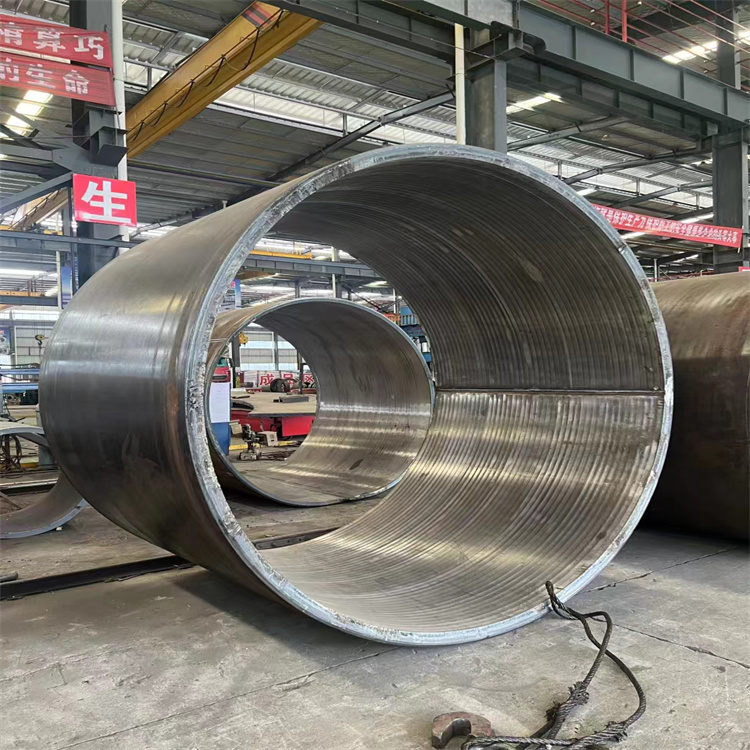
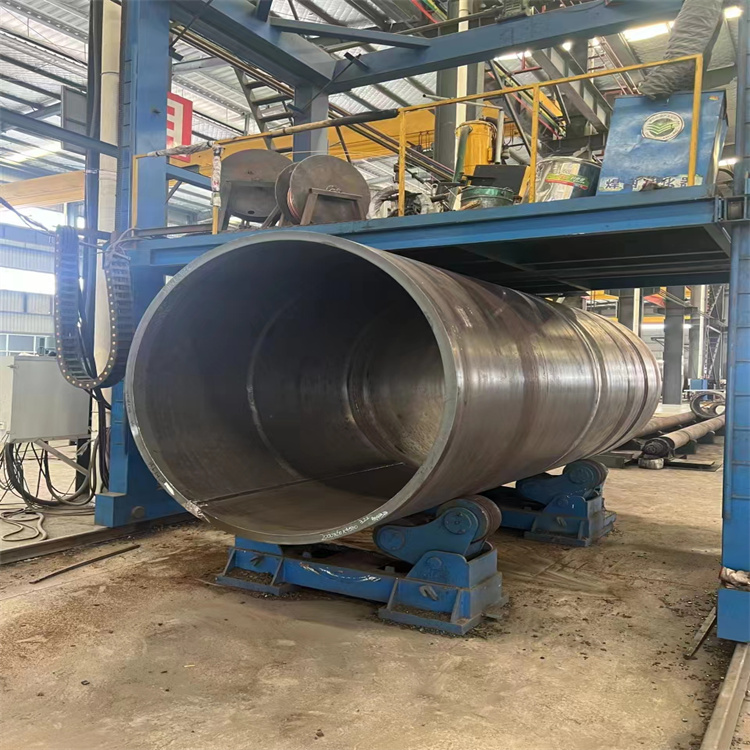
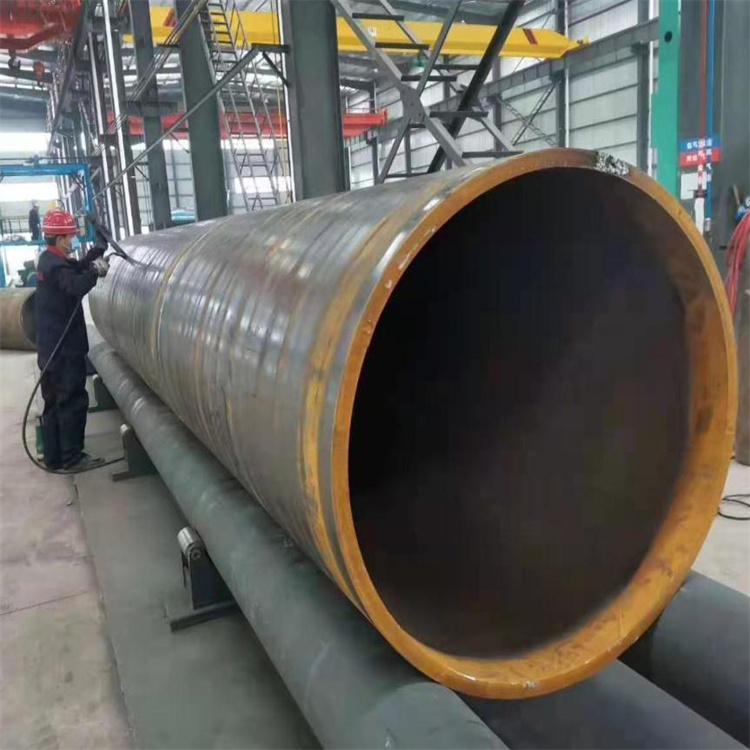
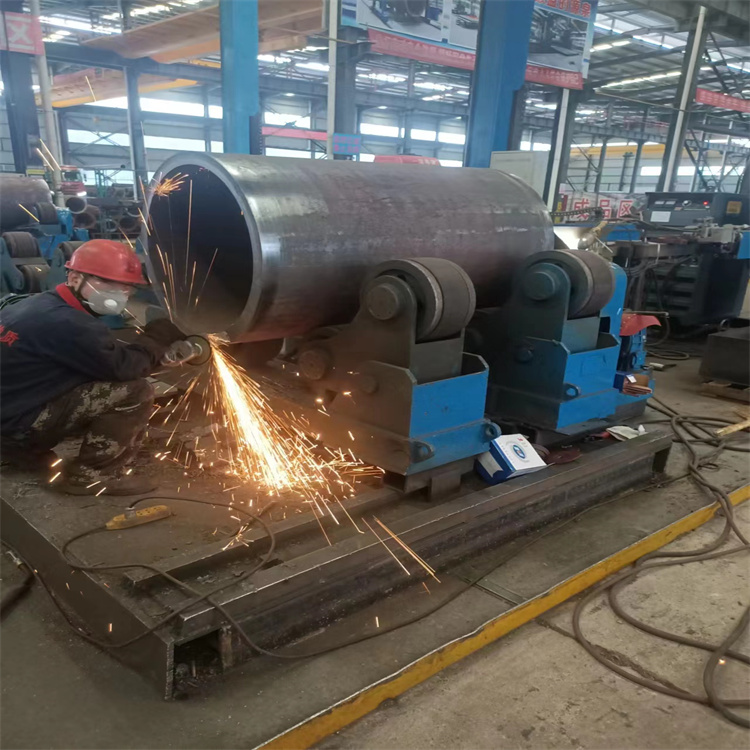
Weld thick-walled steel pipes first by cleaning the weld joint of oil, paint, water, and rust, then bevel the edges according to the wall thickness – wider for thicker pipes and narrower for thinner ones (using an angle grinder). Next, adjust the gap between the bevels, usually 1-1.5 times the diameter of the welding rod or wire. If the bevel is accidentally too wide, make it slightly smaller. Secure the weld with at least three points, but four points are preferable for ease of work. Weld in half-steps starting from the center. The starting point should be about one centimeter beyond the bottom point for a better connection from the opposite side. If the pipe has a thick wall, layer the welds – at least two layers, with the first layer completed all around before starting the second layer.
Process Flow
Round billet → Heating → Piercing → Three-roller oblique rolling, continuous rolling, or extrusion → Tube removal → sizing (or reducing diameter) → Cooling → Straightening → Hydrostatic test (or flaw detection) → Marking