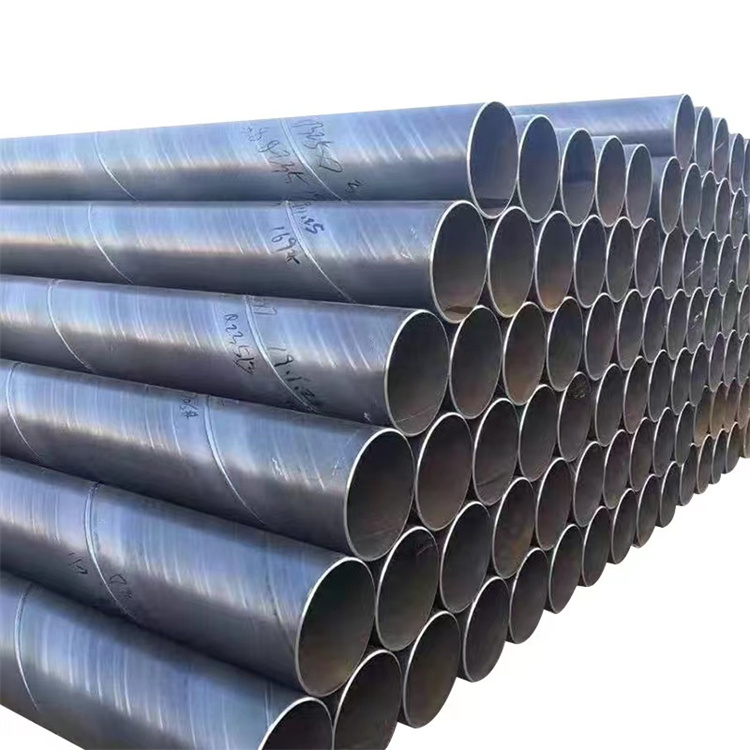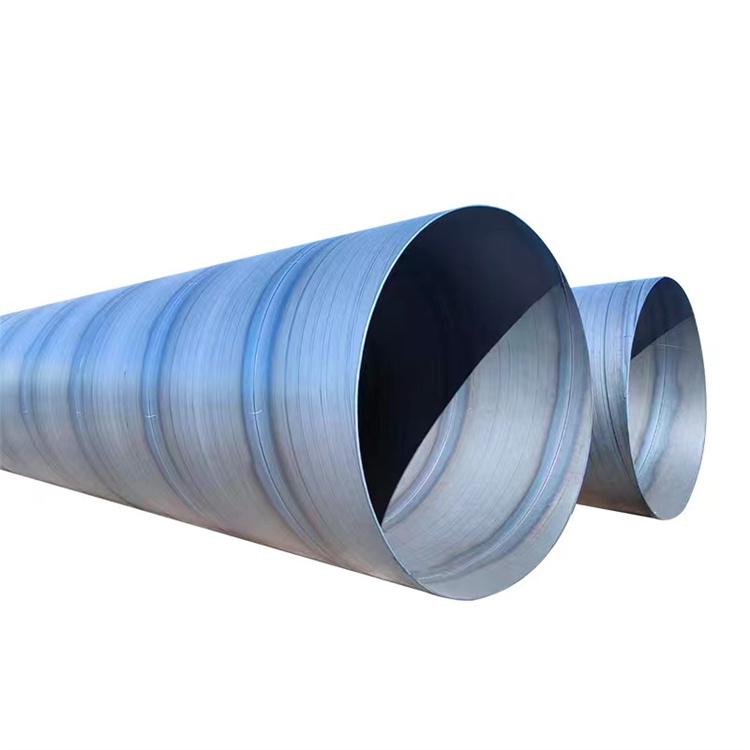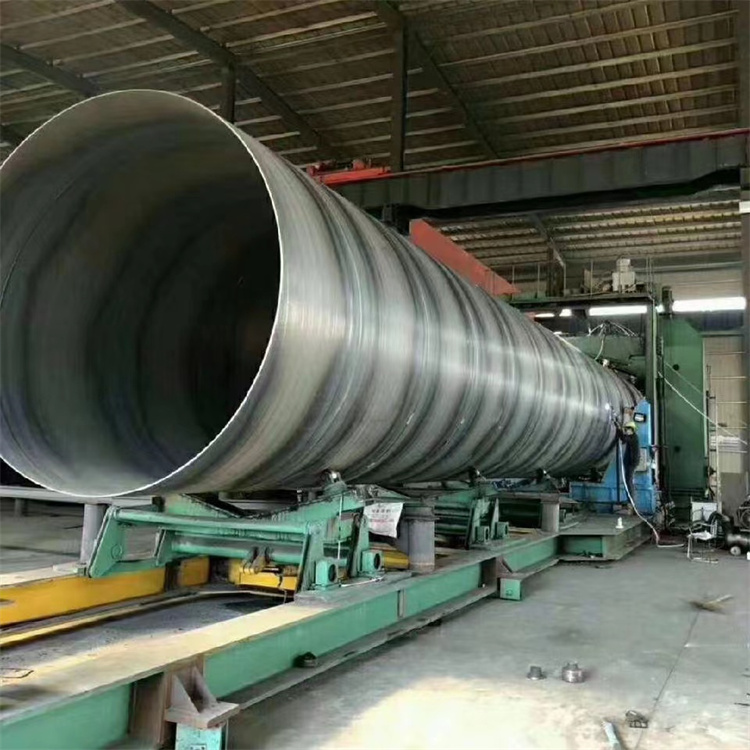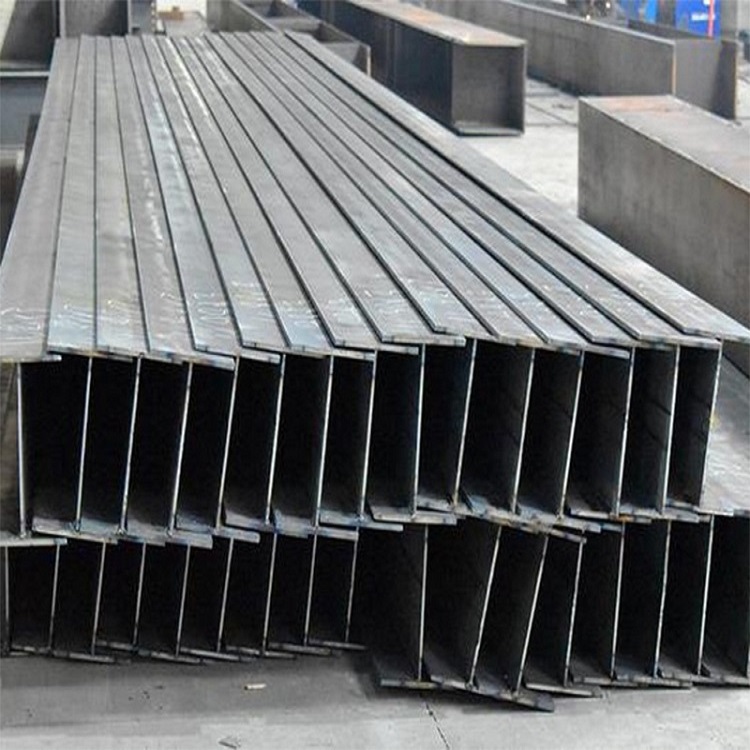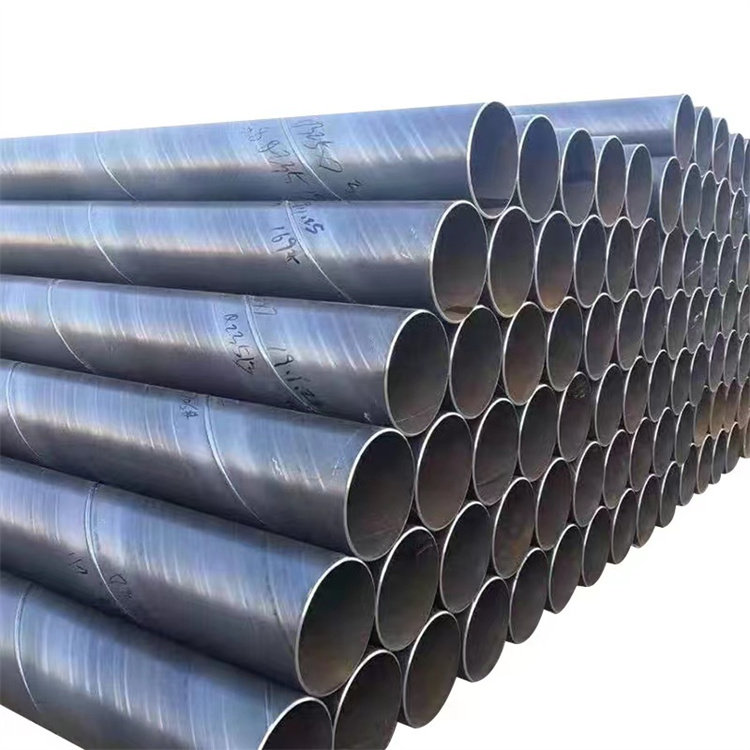

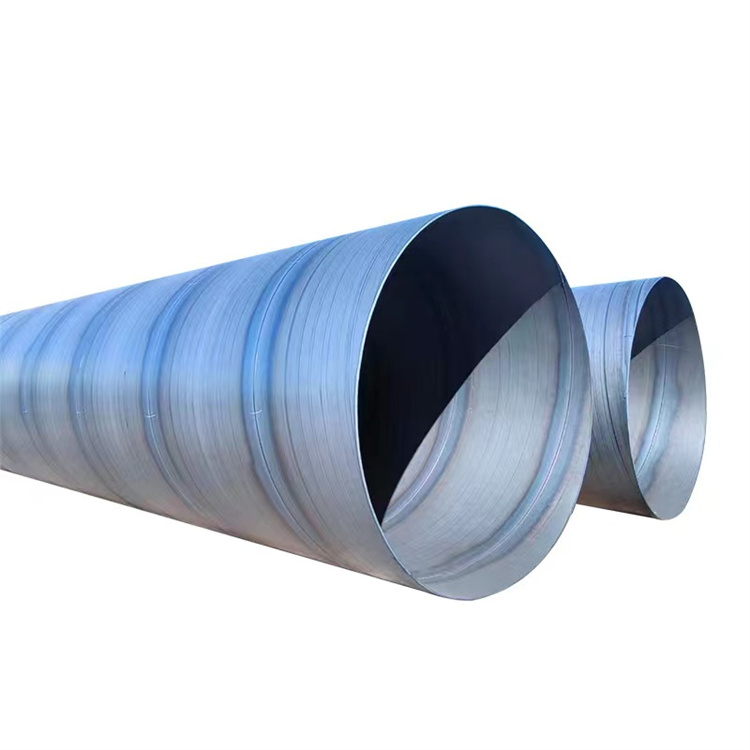
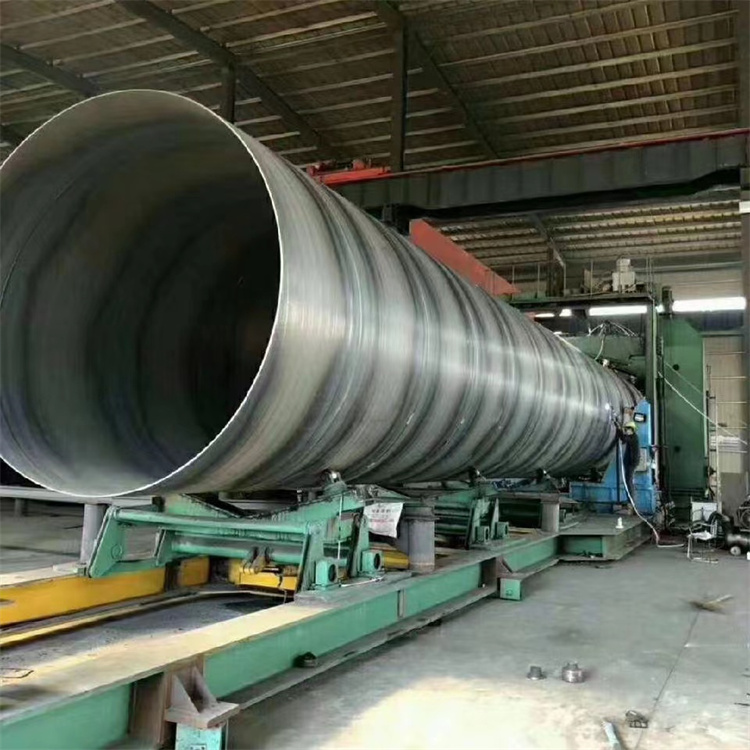












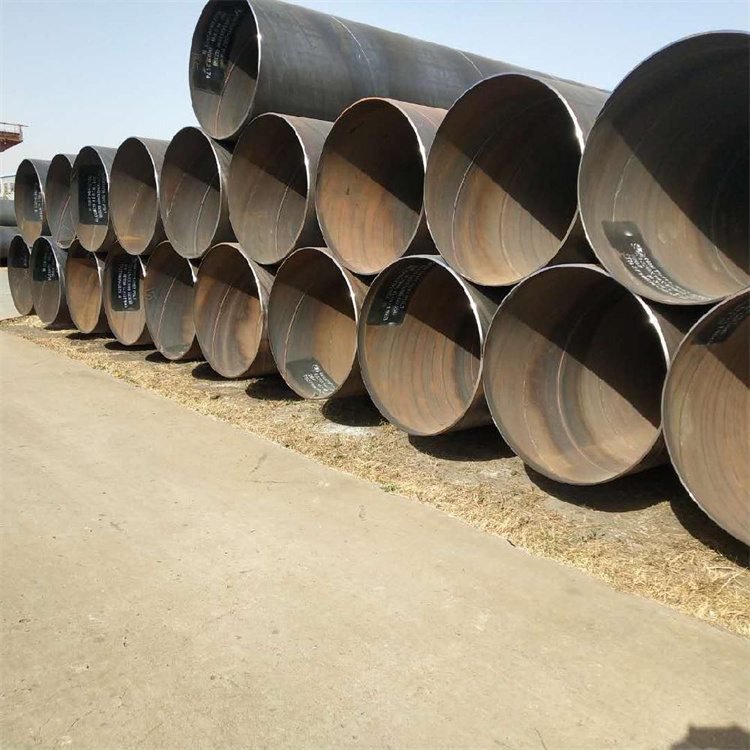
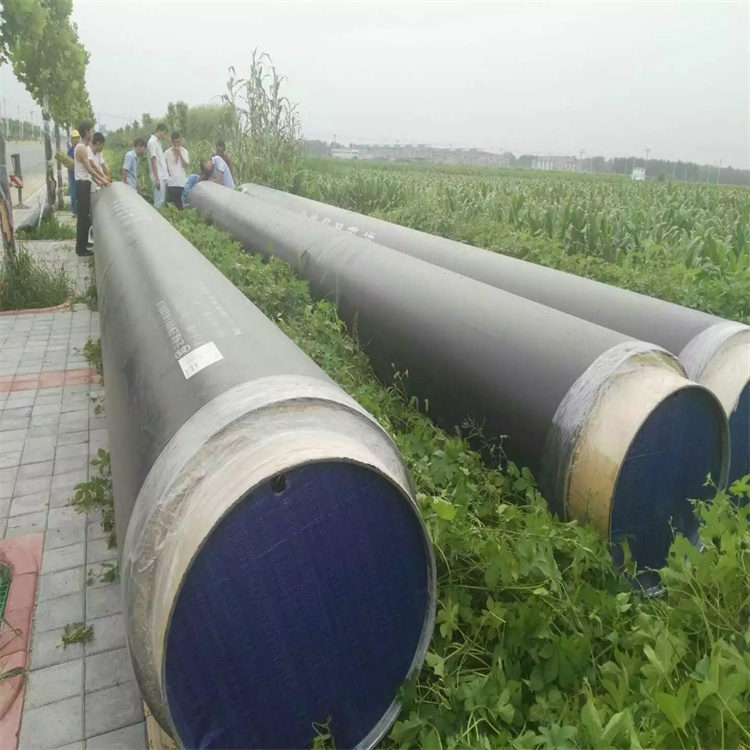
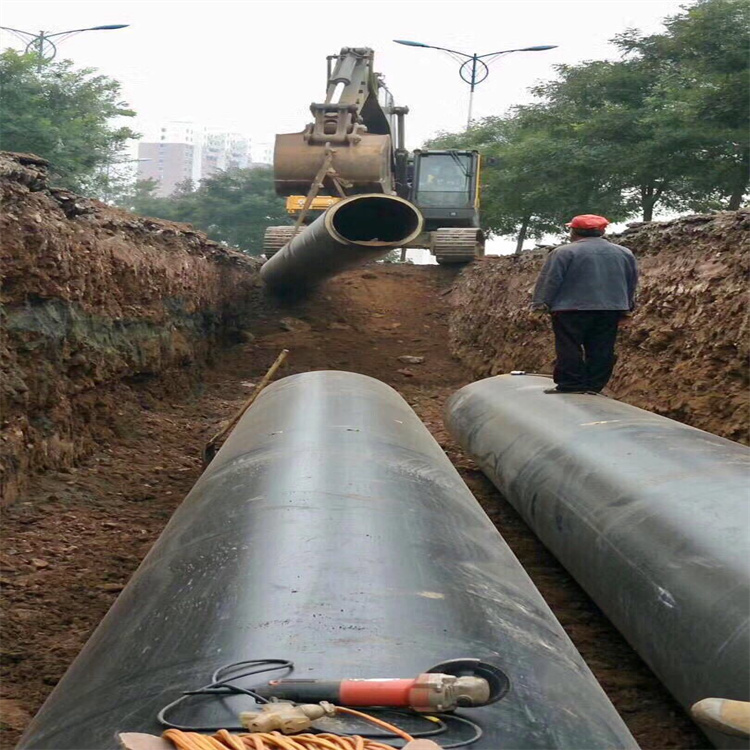

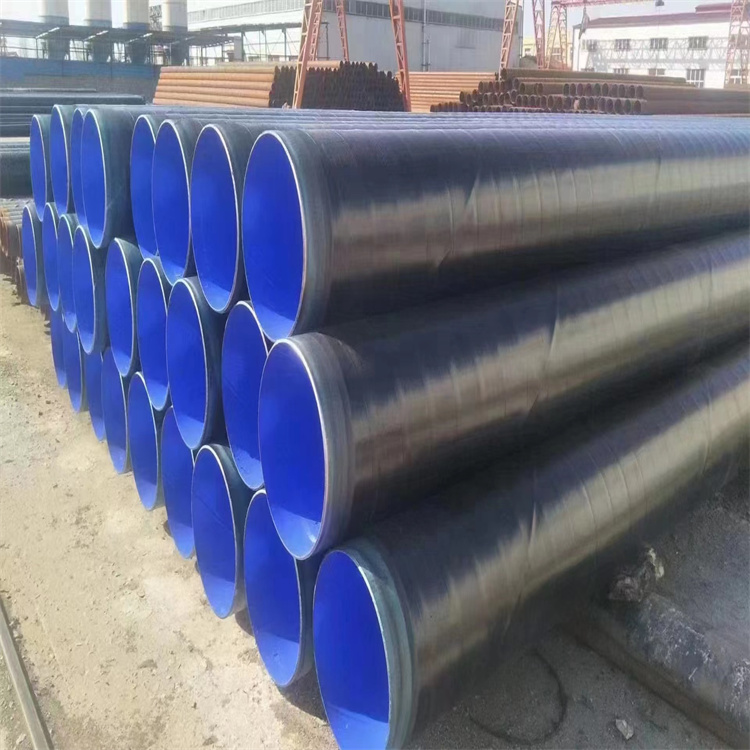
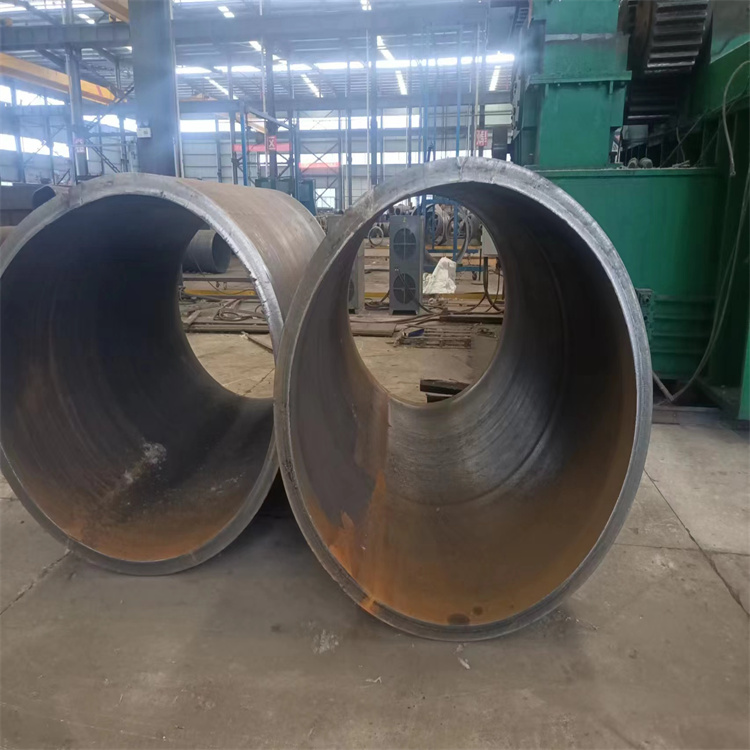
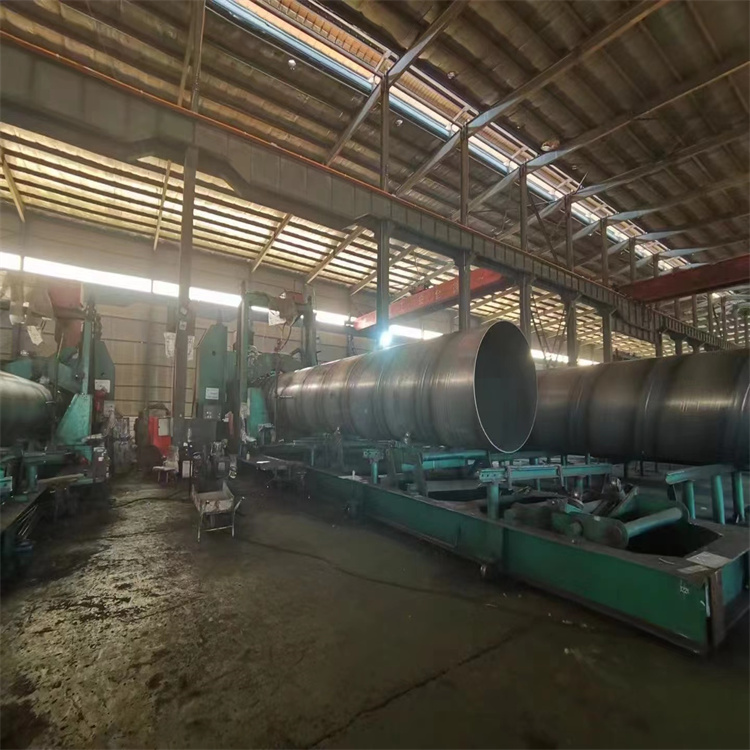
In recent years, many cities in our country have constructed wastewater treatment plants. In urban wastewater treatment projects, the water conveyance pipelines are mostly buried steel pipelines, which face significant corrosion issues, a major challenge in wastewater treatment. The quality and lifespan of the buried water conveyance pipelines directly impact the entire project.
1. Characteristics of buried pipelines
1.1 Corrosion Characteristics
In urban sewage treatment projects, the corrosion of buried pipelines is primarily due to soil corrosion, characterized by scattered pipeline layouts and complex soil conditions, thus resulting in a complex corrosion mechanism.
Soil corrosion is caused by electrochemical corrosion between the soil's salt, water, oxygen, and steel pipes, as well as microbial erosion. Due to the dense concentration of urban underground electrical facilities and cables, the corrosion from stray currents is also severe. Pipelines passing near factories may even be subject to chemical corrosion from acidic or alkaline mediums.