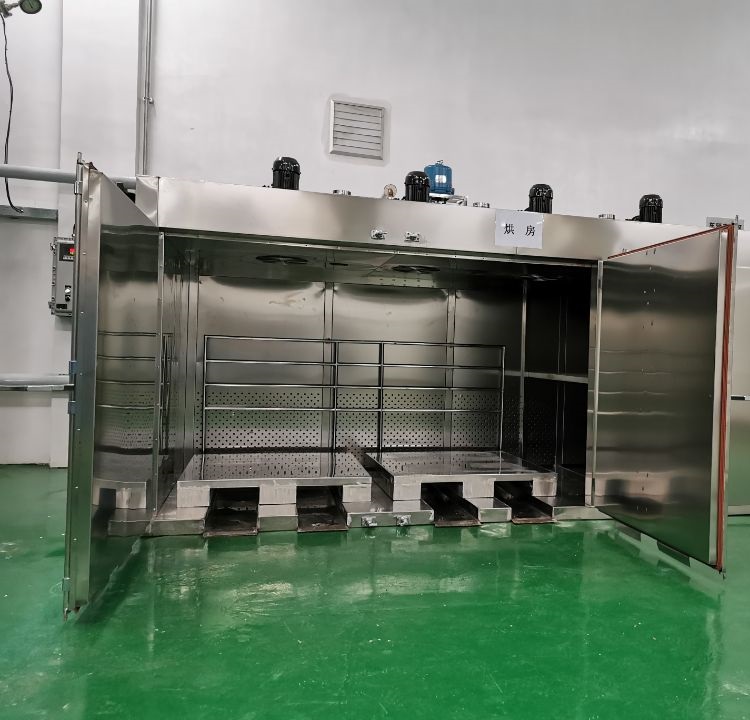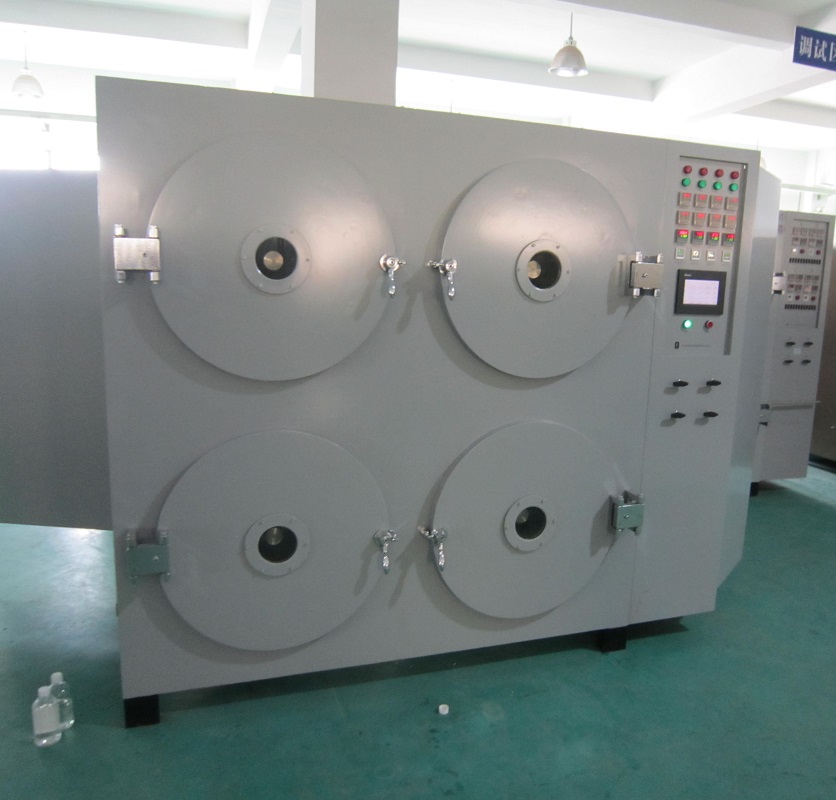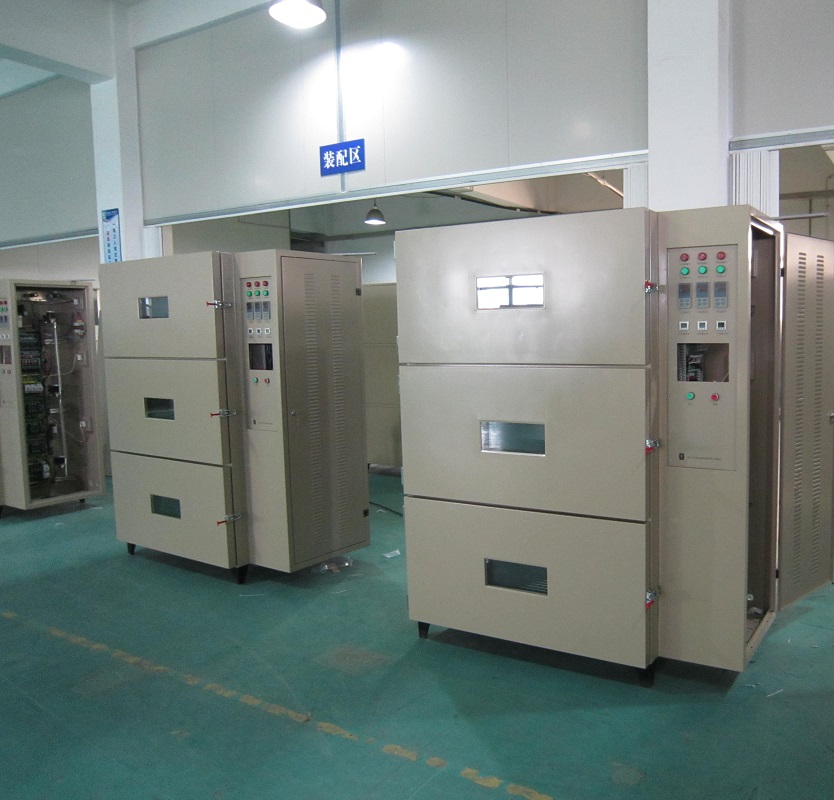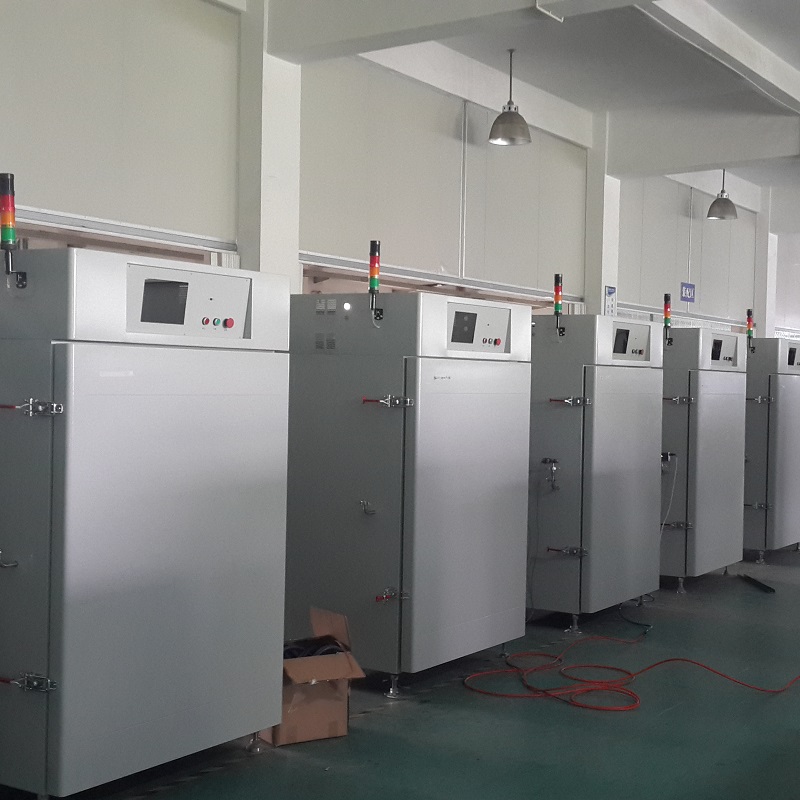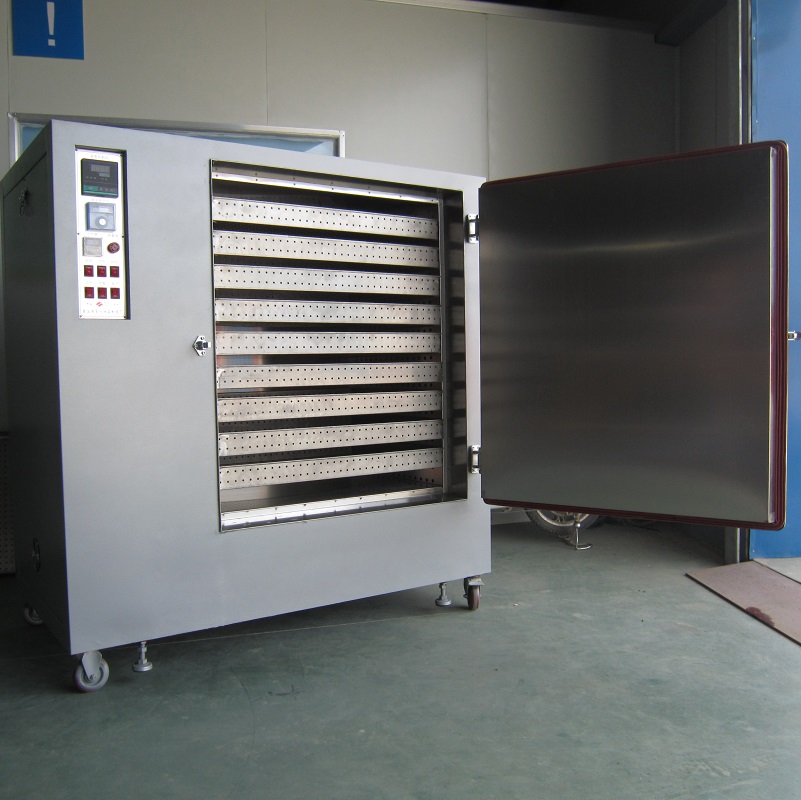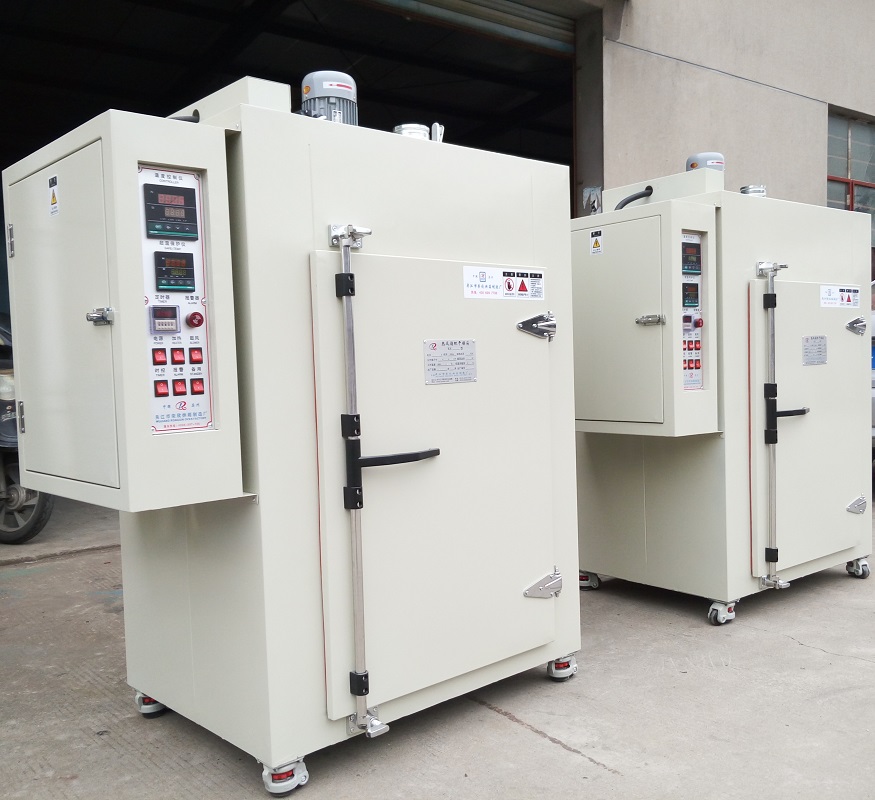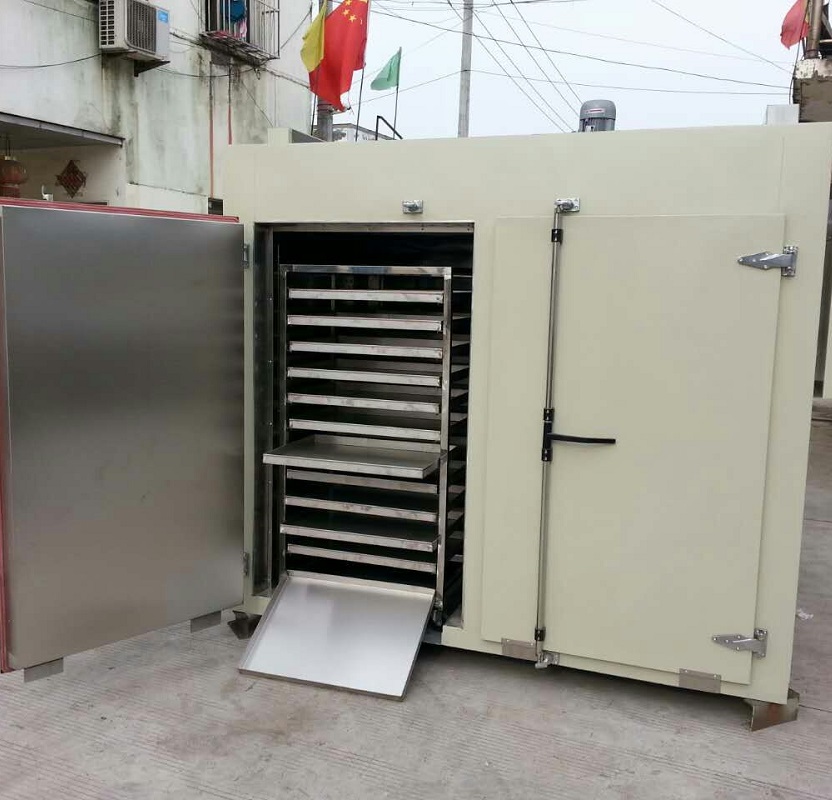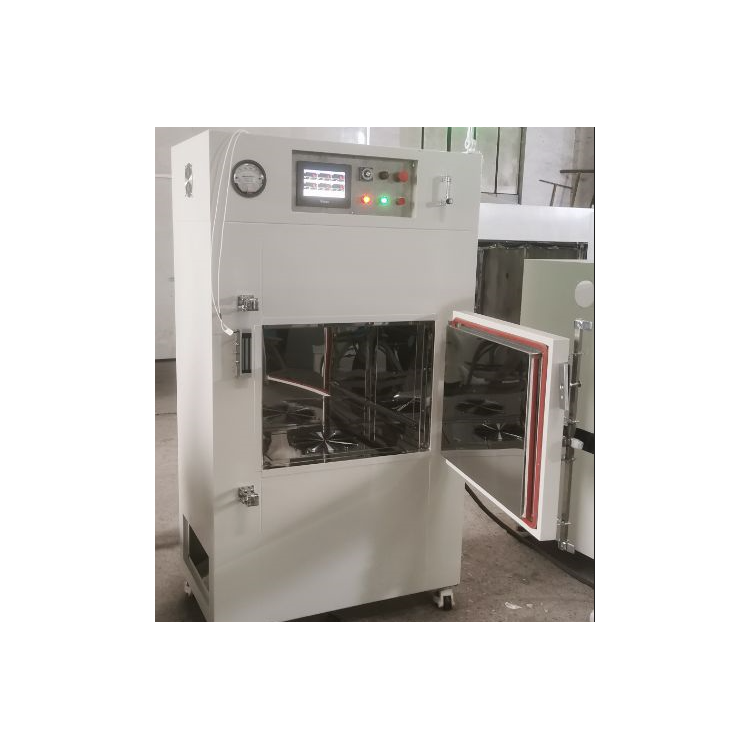

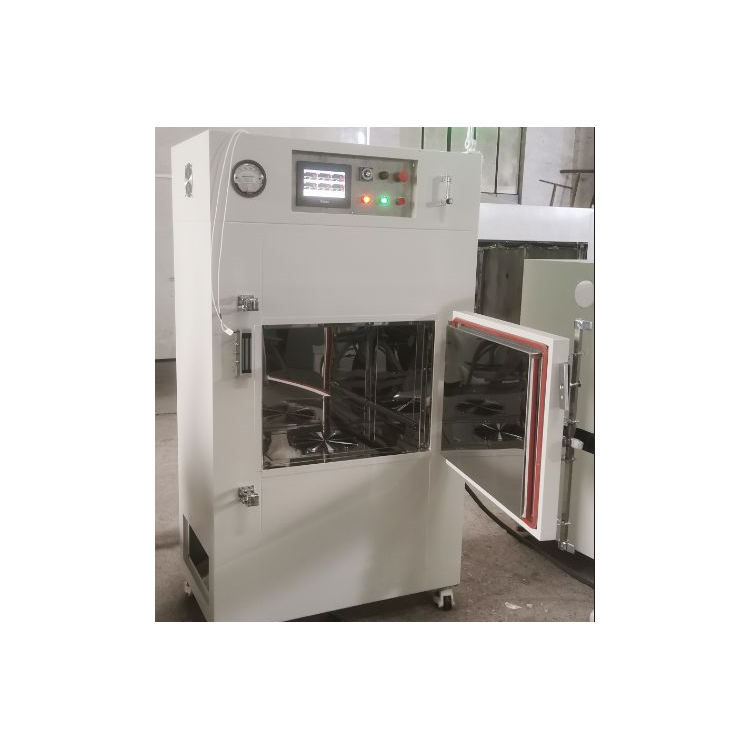
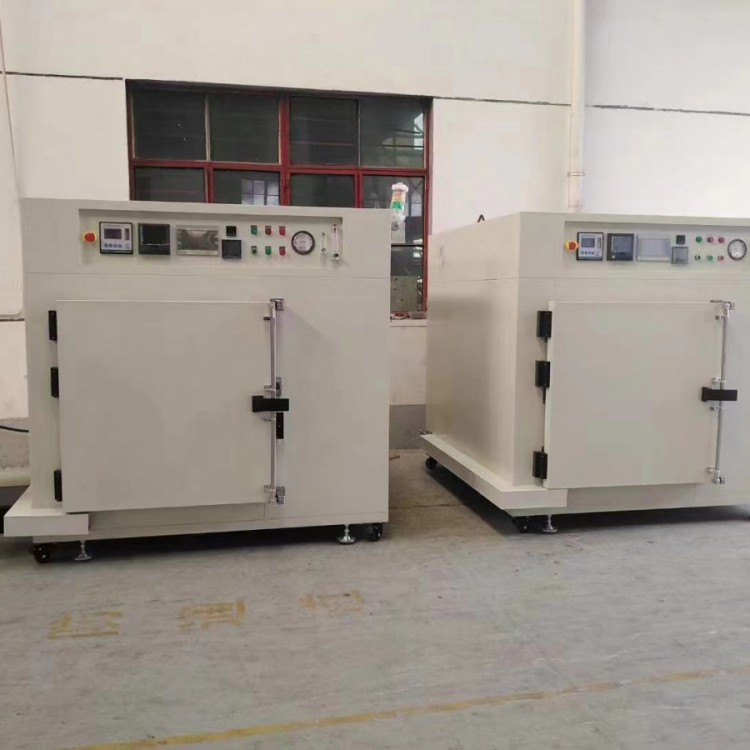
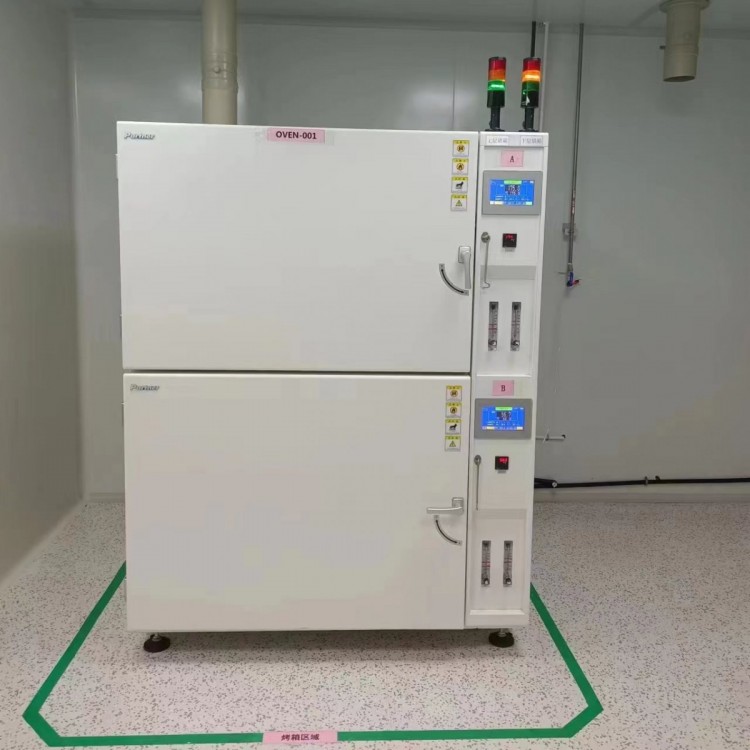


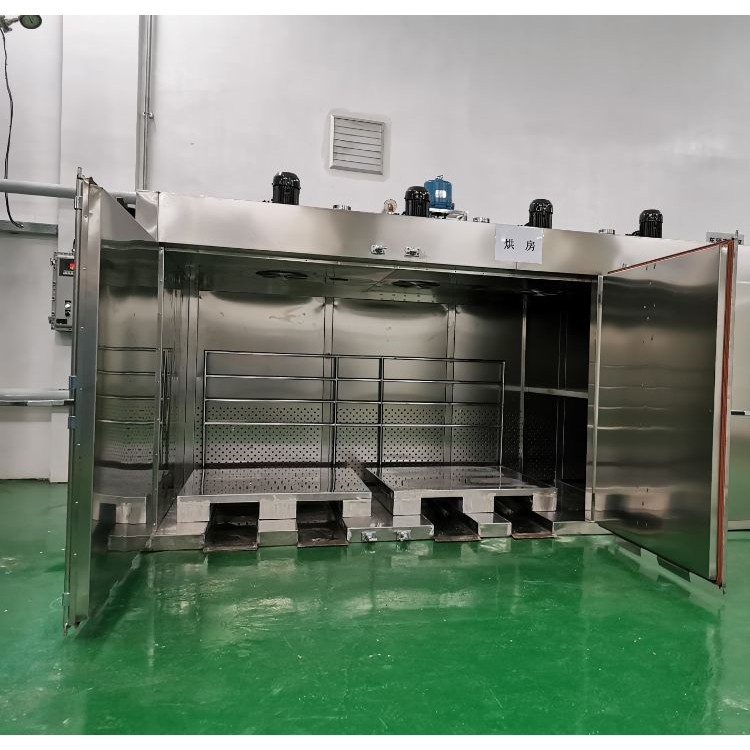
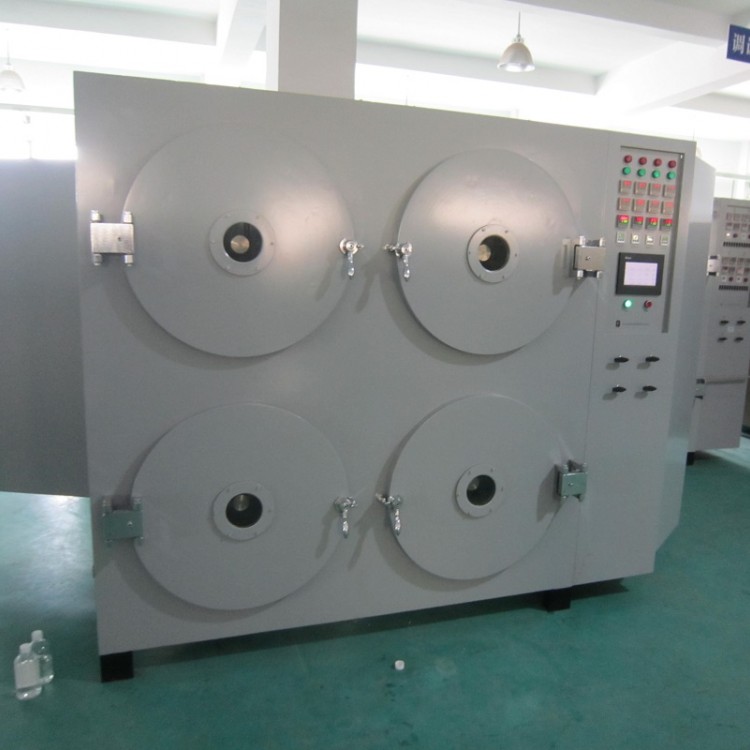
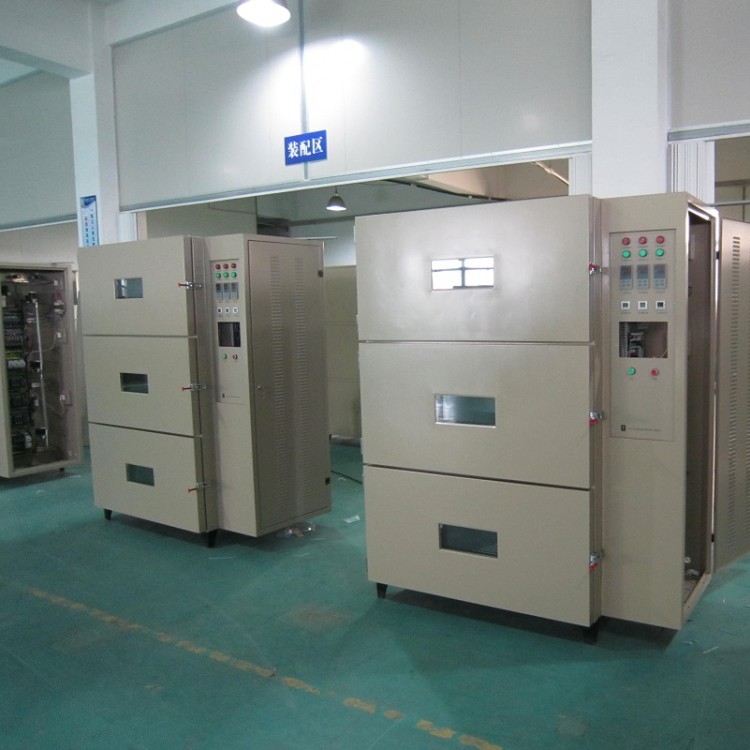





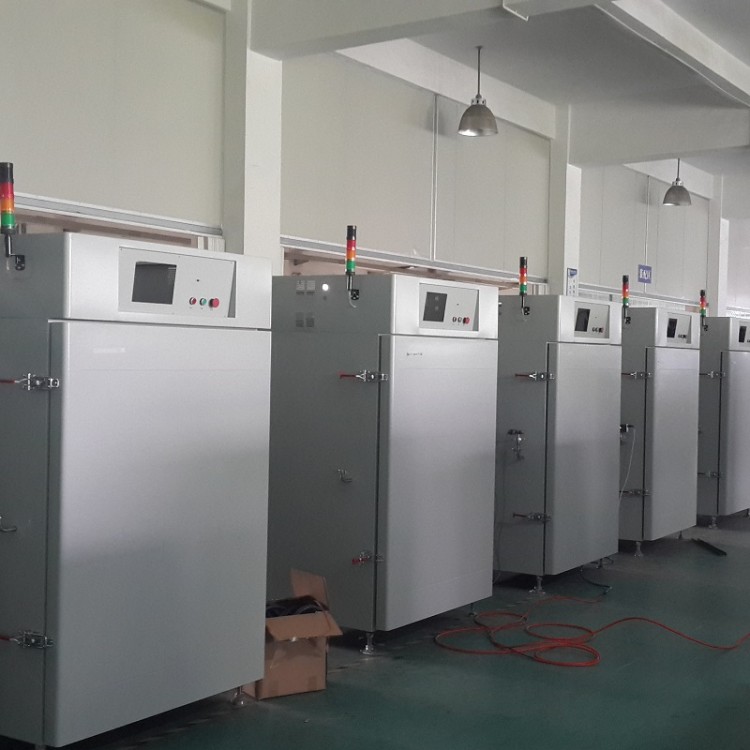
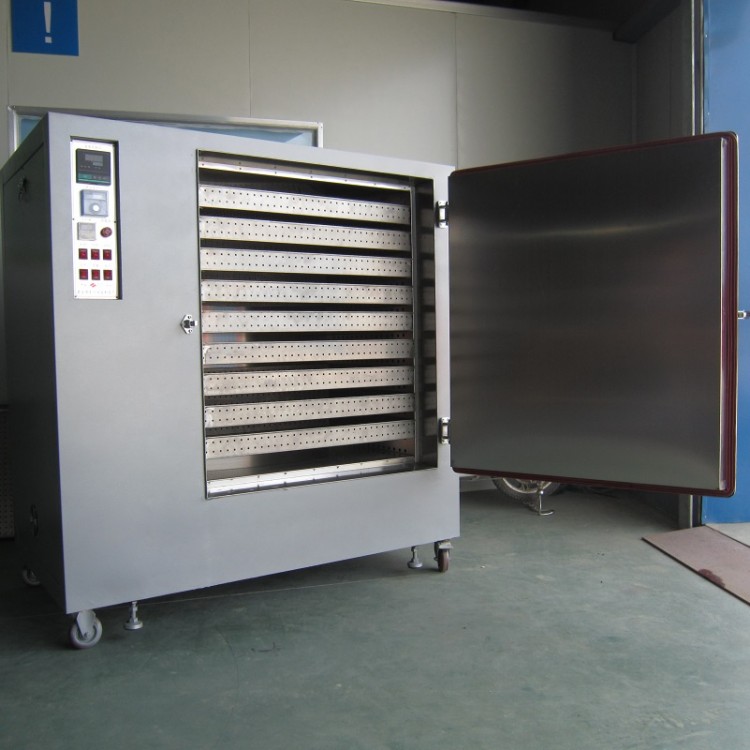
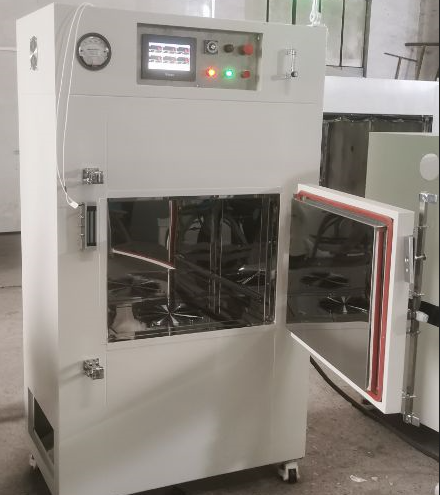
Oxygen-Free Dual Control Oven/Oxygen-Free Drying Oven Features:
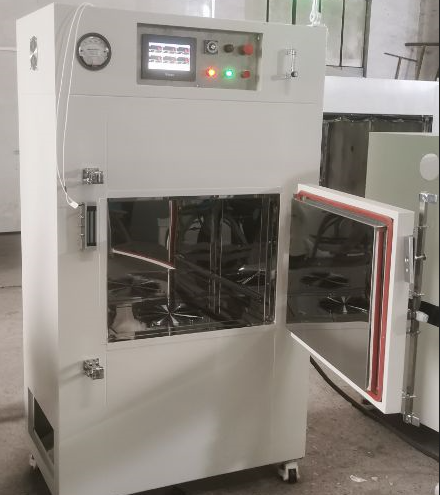
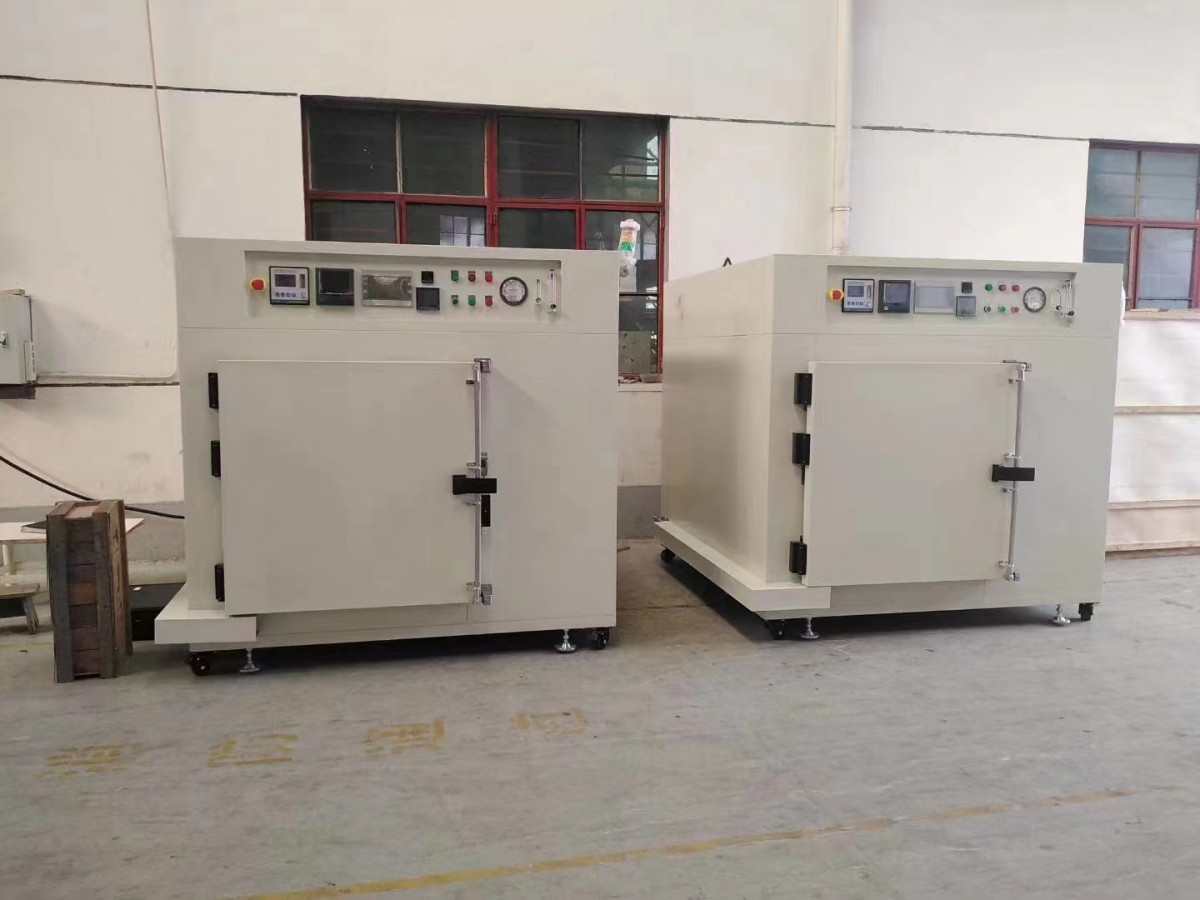
The manufacturing of oxygen-free ovens involves using argon arc welding for all stainless steel interior lining seams, ensuring excellent sealing properties. This design facilitates rapid deoxygenation or cooling, thereby enhancing product quality.
Main Application: Satisfies the non-oxidative drying requirements of departments such as electronics, sanitation, instruments and meters, factories, colleges and universities, and scientific research.
I. Equipment Features
1. Full tungsten arc welding on the inner wall, high-temperature resistant silicone clamp, good airtightness.
2. High-temperature resistance, clean.
II. Compliance and Standard Conformance
GB/T 11158-1989 Technical Conditions for High-Temperature Test Chambers
GB2423.2-1989 Test B
Section 3: Equipment Usage
The anaerobic oven is suitable for electronic liquid crystal displays, LCDs, CMOS, ICs, and laboratory production and research departments.
The oxygen-free oven can also be used for drying, heat treatment, aging, and other high-temperature tests for non-volatile and non-flammable, non-explosive items.
Section 4: Equipment Technical Specifications
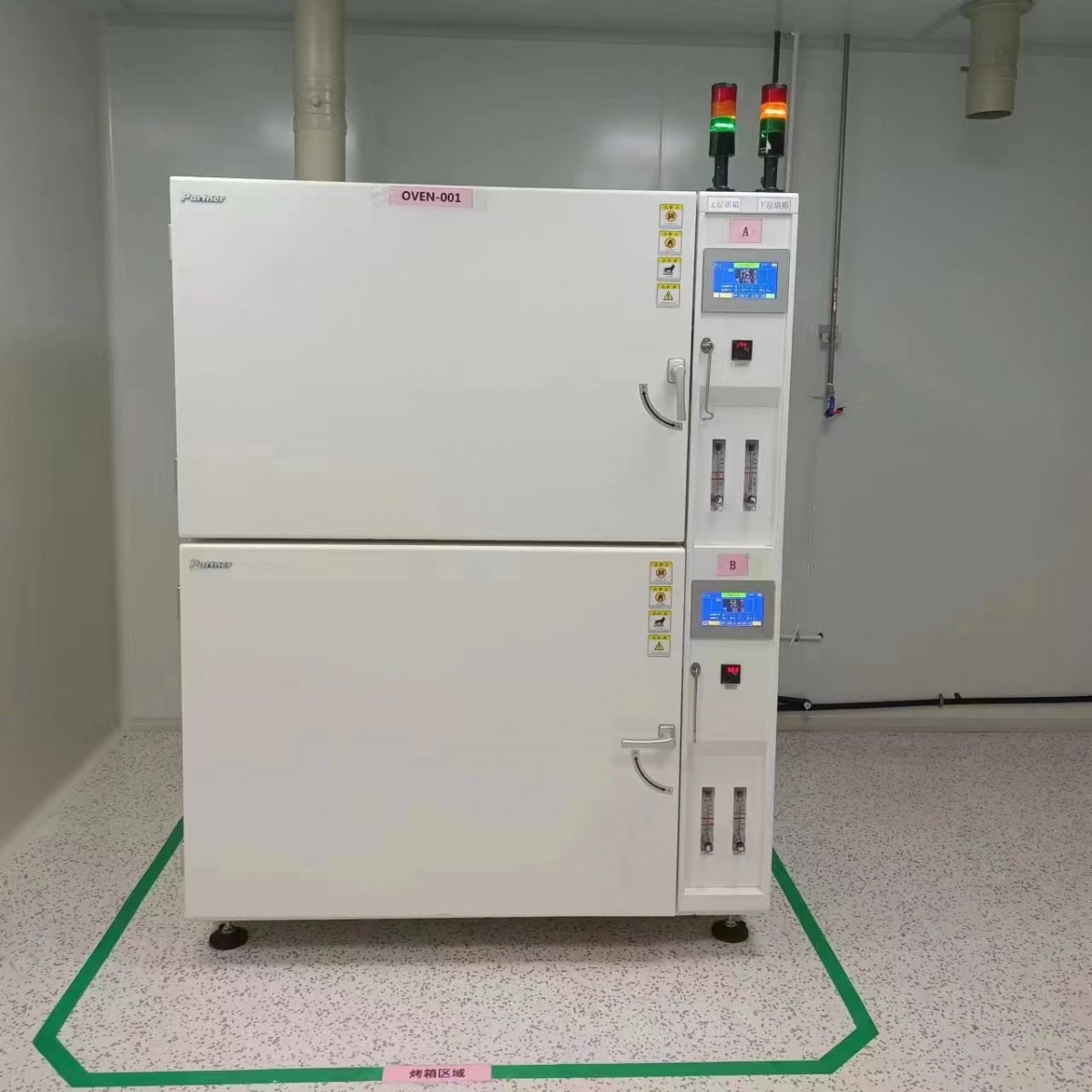
Name and Model: Oxygen-Free Oven
2. Key Technical Specifications:
2.1 Oxygen Concentration: ≤0.5%
2.2 Temperature Range: RT (Room Temperature) +10 ~ +250℃
2.3 Temperature Deviation: ≤±2.0℃
2.4 Heating Rate: ≥3~5℃/min (average measurement over the entire process under no-load condition)
3. Enclosure Structure:
3.1 Container Material: Outer box made of SS41# medium carbon steel plate, treated with phosphate skin salt, and coated with two layers of light-blocking paint after baking varnish.
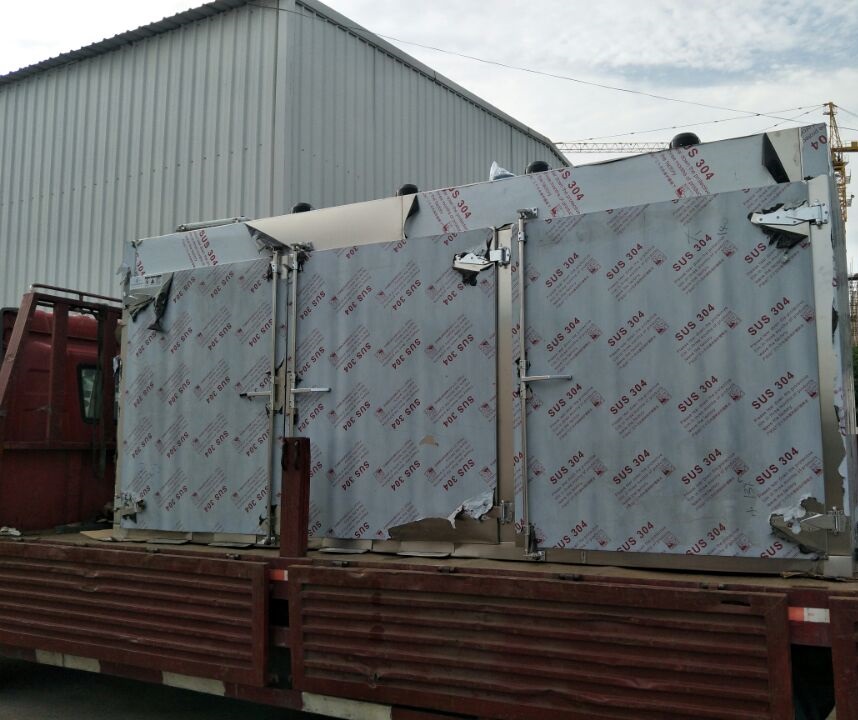
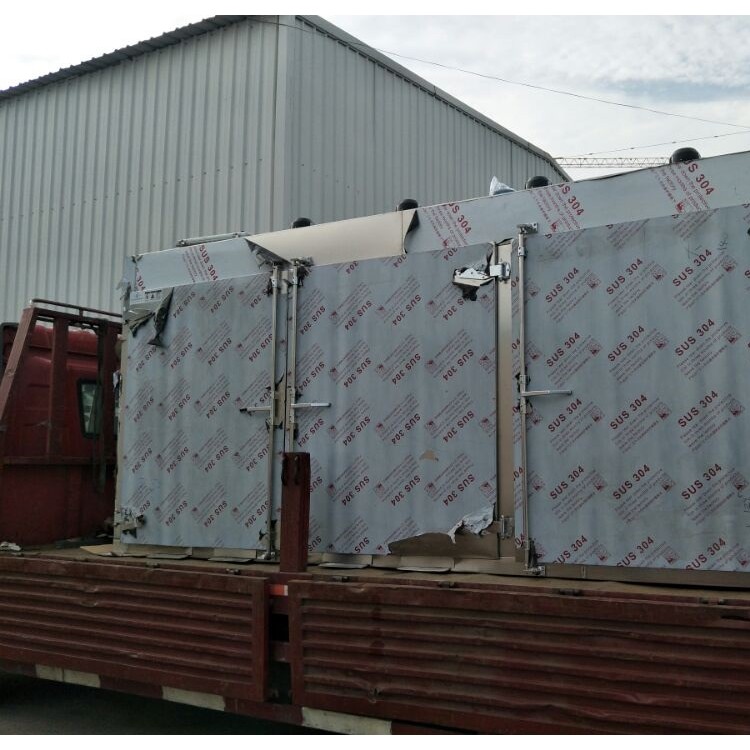
3.2 Interior Materials: SUS304# magnetically non-magnetic mirror stainless steel.
3.3 Insulation Materials: Super-fine glass wool
3.4 Exhaust Port: φ50
3.5 Separator: 2 layers, stainless steel rectangular tube, load-bearing capacity of approximately 30KG.
3.6 Air Circulation Unit: High-capacity axial flow motor
3.7 Heating Method: Stainless steel electric heater
4. Temperature Control System
4.1 Temperature Measurement Sensor: Pt100 Platinum Resistance
4.2 Control Instrument: Imported digital temperature controller with PID adjustment, control accuracy of 0.1℃.
4.3 Over-temperature Protection Gauge: An independent over-temperature protection system from the main control of the workroom, ensuring the safety of the test samples.
4.4 Control System: Major electrical components are equipped with imported components from Schneider, Omron, and other brands.