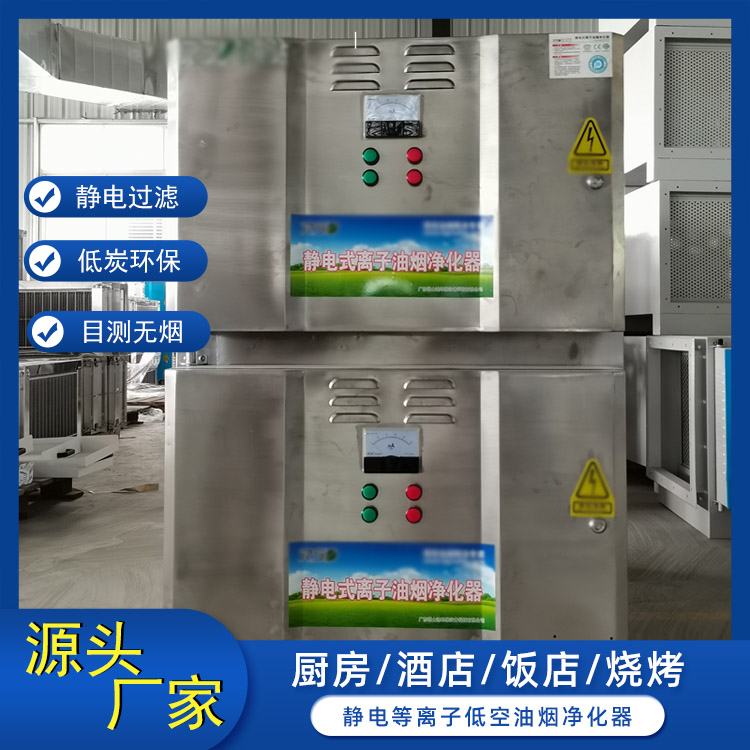
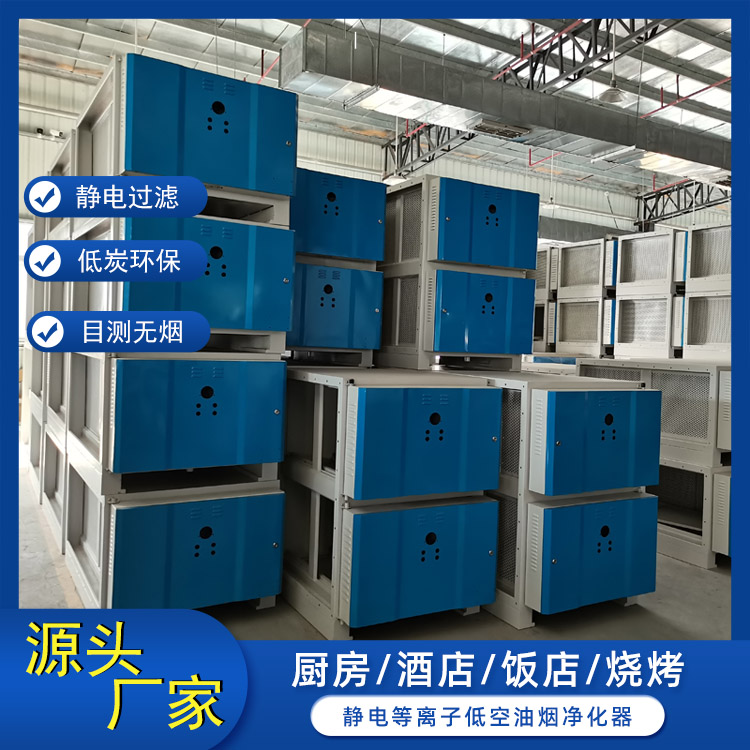
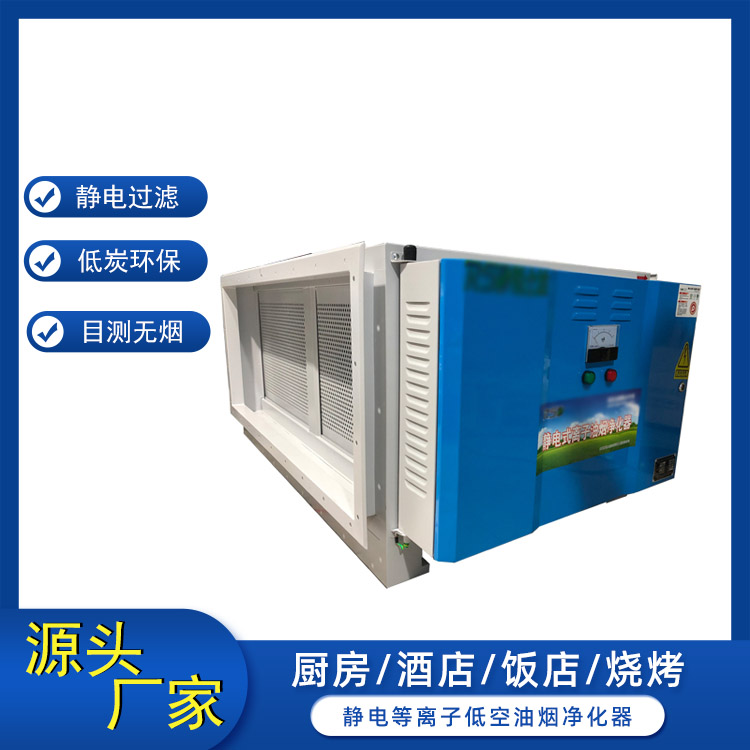







uvPhotolysisWaste GasEquipment Processing Overview
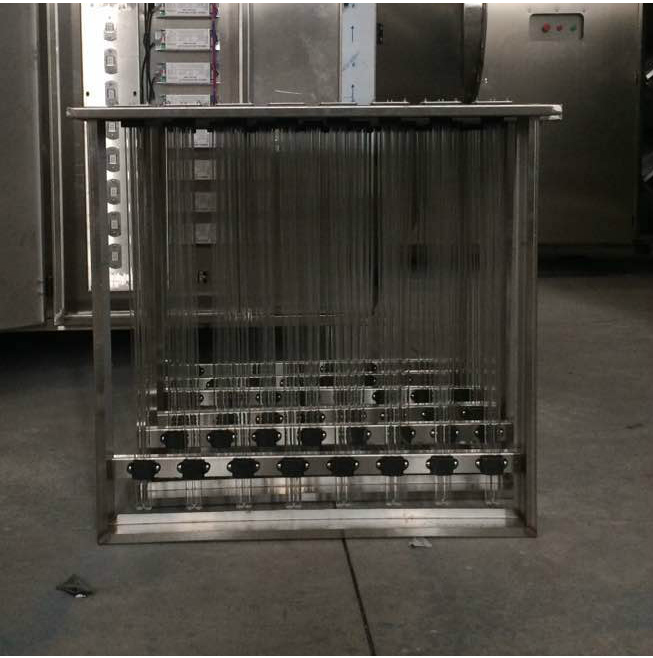
UV photodecomposition waste gas treatment equipment is a very common device in waste gas treatment. UV stands for ultraviolet light, and in our daily conversation, we often use "UV" as a shorthand for UV photodecomposition equipment. However, there is a misconception here. In UV equipment, there is also a device called UV photodecomposition equipment. Both can be used to treat pollutants, but there are significant differences. Simply put, UV photodecomposition is a more advanced and efficient treatment device, and its photocatalytic reaction requires ultraviolet light to照射semiconductors (the most widely used semiconductor is titanium dioxide, TiO2). Waste gas passes through a titanium dioxide grid, and pollutants are oxidized and decomposed.
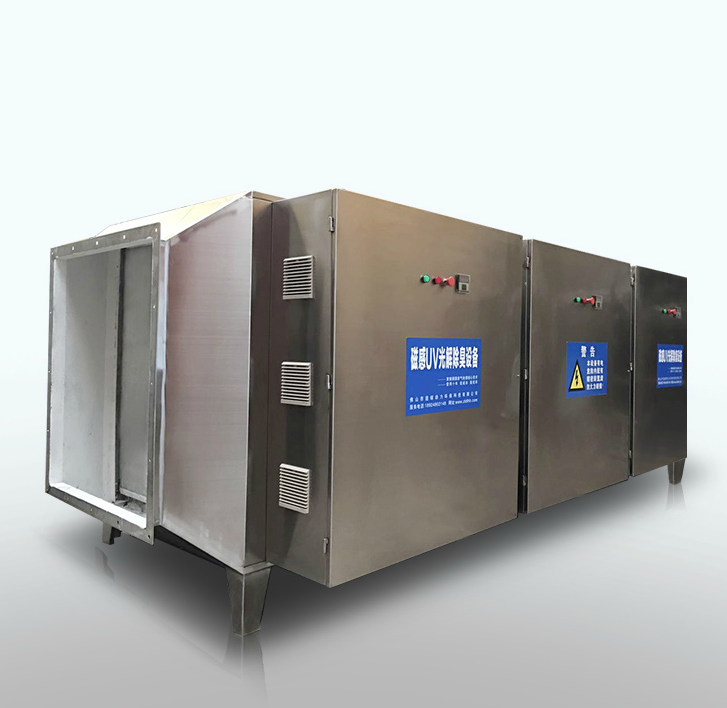
uvPhotolysisTechnical Features of Waste Gas Treatment Equipment:
1. Free of any toxic side effects. It surpasses traditional treatment devices, capable of continuous sterilization in occupied environments without harming humans. It can broadly capture and kill various bacteria in the air, with tests showing a kill rate of over 95% for Bacillus subtilis, black variant endospores, and natural bacteria. It effectively removes inhalable particles, achieving cleanliness levels from 1 to 100,000.
2. Effectively eliminates harmful and malodorous gases. Primary electrons are accelerated in the electric field, colliding with oxygen molecules in the air. When the energy exceeds the ionization potential of oxygen molecules, they rapidly ionize. Oxygen molecules that lose electrons become positively charged oxygen ions (O2+), while the released electrons combine with another neutral oxygen molecule to form negatively charged oxygen ions (O2-). The result is the polarization of oxygen ions and the adsorption of neutral oxygen molecules to form ion clusters such as O2+, O2-, and O2, which are oxidative and can oxidize and decompose harmful components in polluted air into harmless products and water in a very short time.
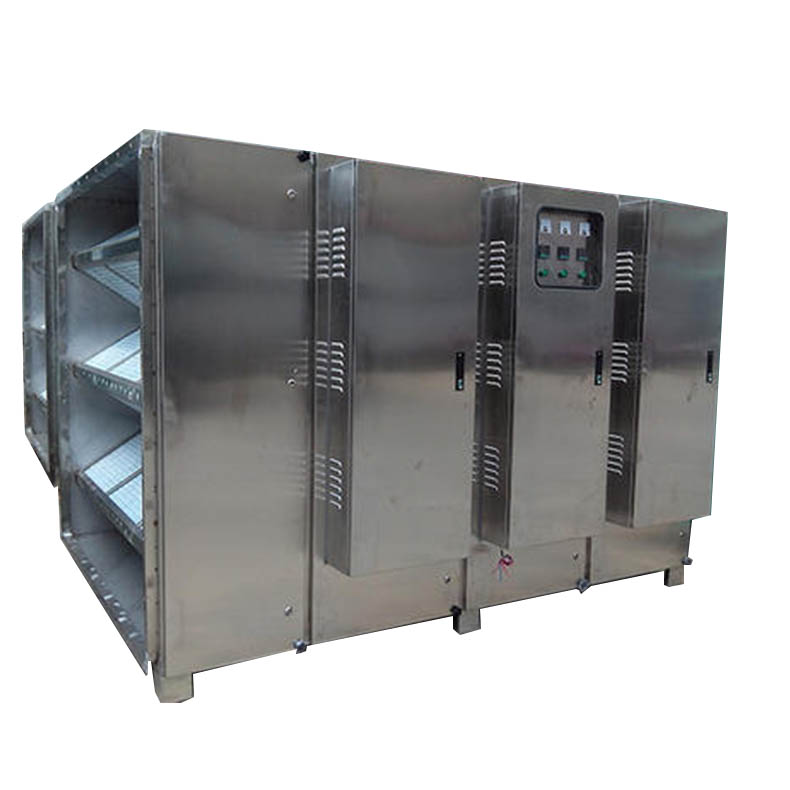
uvPhotolysisPerformance Advantages of Waste Gas Treatment Equipment:
1. Eliminate Odors: Capable of removing volatile organic compounds (VOCs), inorganic substances, and various malodorous gases, with a deodorization efficiency exceeding 98%. The deodorization effect far surpasses the national odor emission standards (GB14554-93) issued in 1993 and the Comprehensive Emission Standard for Air Pollutants (GB16297-1996) promulgated in 1996.
2. No additional substances required: Simply set up the corresponding exhaust ducts and fans to facilitate the deodorization, decomposition, and purification of noxious industrial waste gases through this equipment. No substances need to be added for any chemical reactions.
3. Versatile: UV photo-decomposition exhaust treatment can accommodate low, medium, and high concentrations as well as varying air volumes, and is suitable for deodorization and purification of industrial waste gases. It can operate continuously 24/7.
4. Low operational costs: The photo-catalytic catalytic exhaust treatment equipment has no mechanical movement, no noise, and does not require dedicated management or daily maintenance. Only regular inspections are needed. The equipment has low energy consumption and low wind resistance ≤400pa, which can save a significant amount of exhaust air power consumption.
5. The UV photodegradation exhaust treatment equipment has a small footprint, lightweight, and is suitable for special conditions with compact layouts and limited space.
6. Material Manufacturing: High fire and corrosion resistance, equipment performance is safe and stable, made of stainless steel, with a service life of over 15 years.
7. Utilizes cutting-edge international technology concepts to decompose toxic and harmful substances in industrial waste gases, achieving deodorization and purification effects. The decomposed industrial waste gases can be completely rendered harmless for排放, without causing secondary pollution, and also serves the purpose of disinfection and sterilization.
8. The UV photooxidation waste gas treatment equipment features safety and explosion-proof properties, has passed the explosion-proof qualification certification from the National Quality Supervision and Inspection Center for Explosion-Proof Electrical Appliances, and can be widely applied in industries with high explosion-proof requirements such as oil (gas) fields and petrochemicals.