













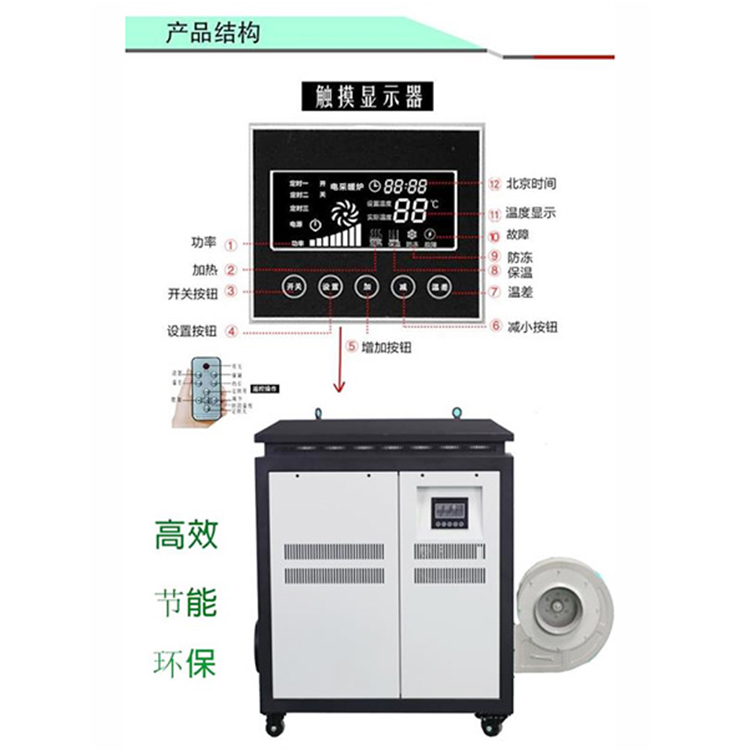
Principle of electromagnetic heater:
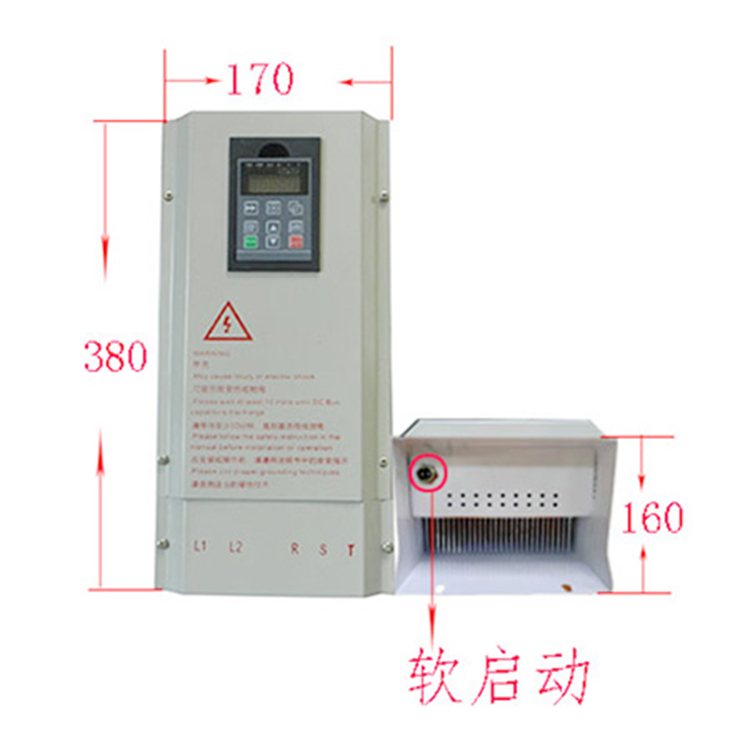
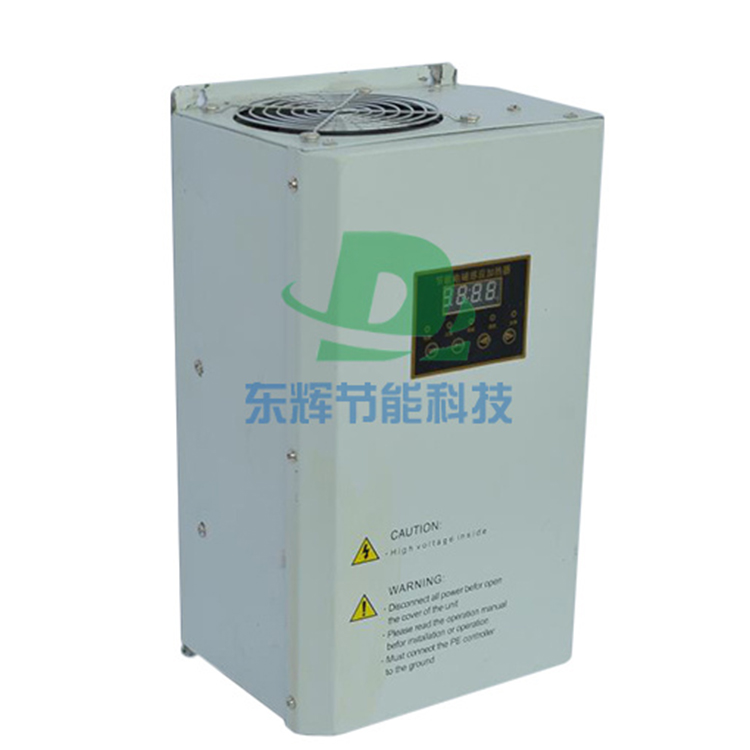
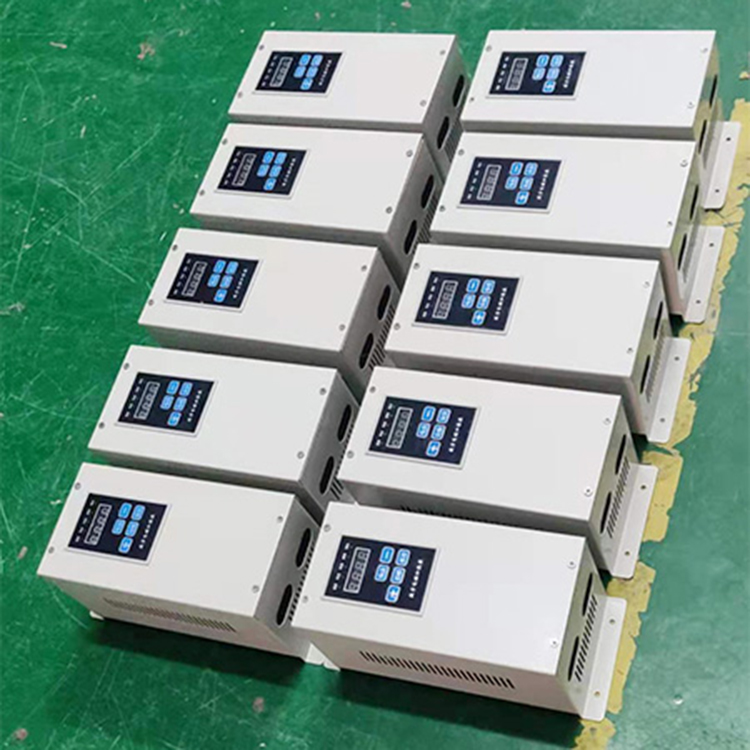
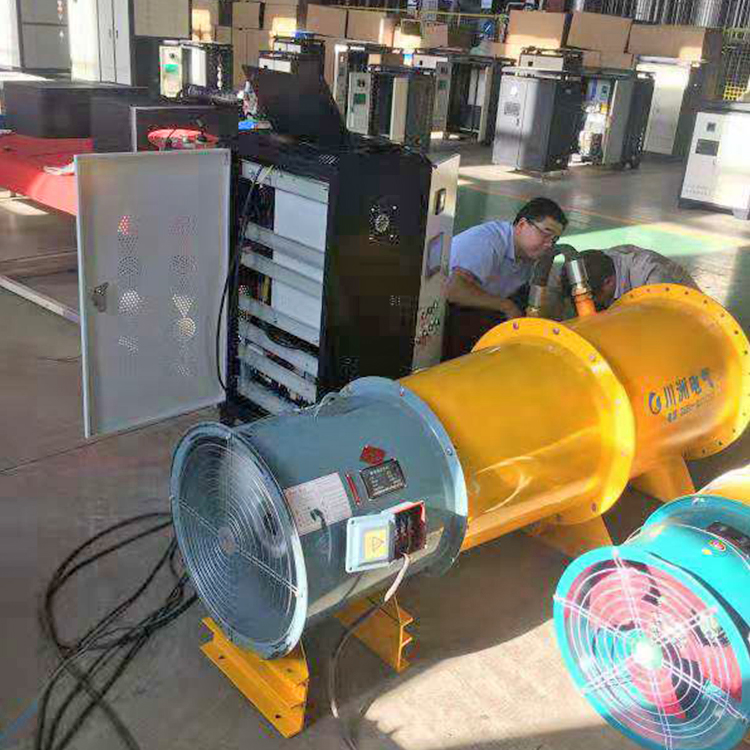
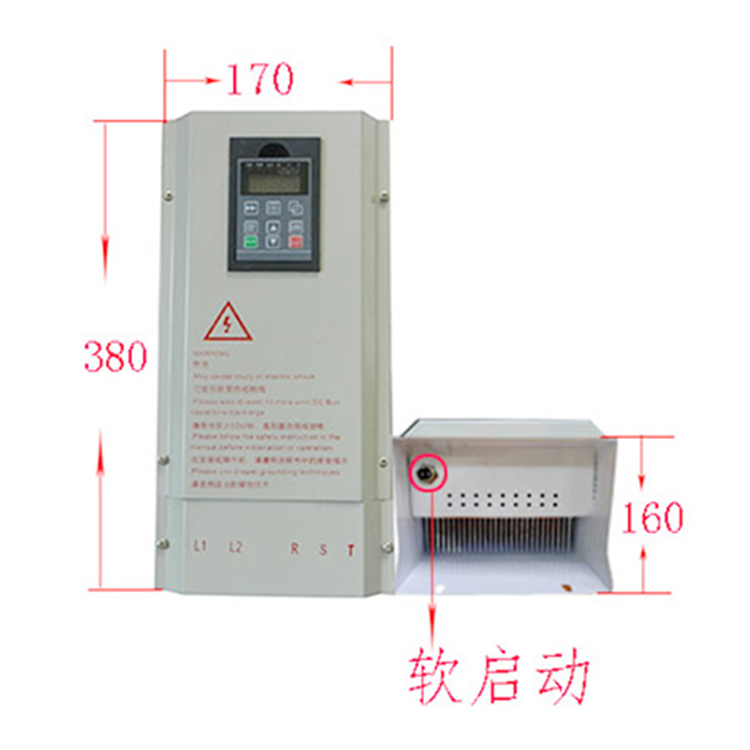
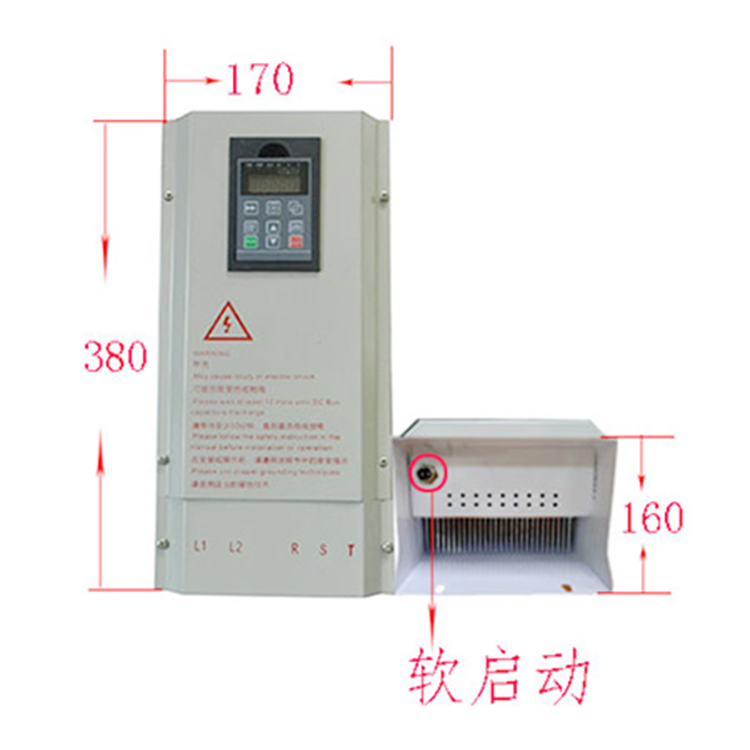
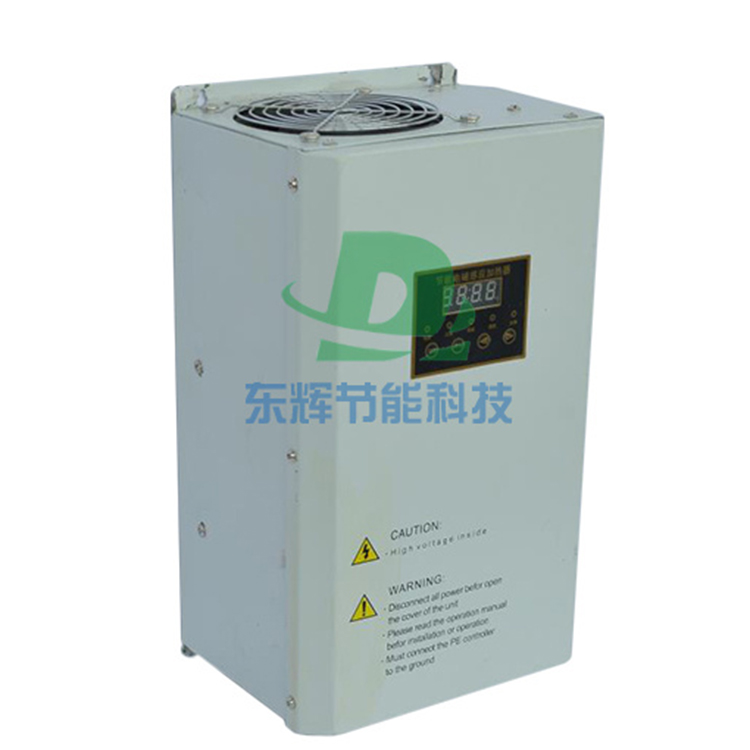
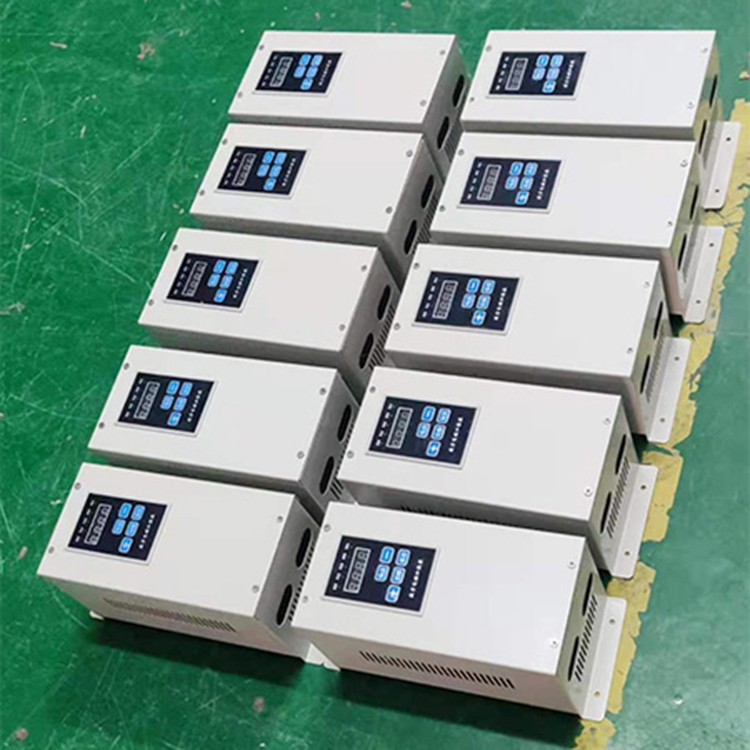
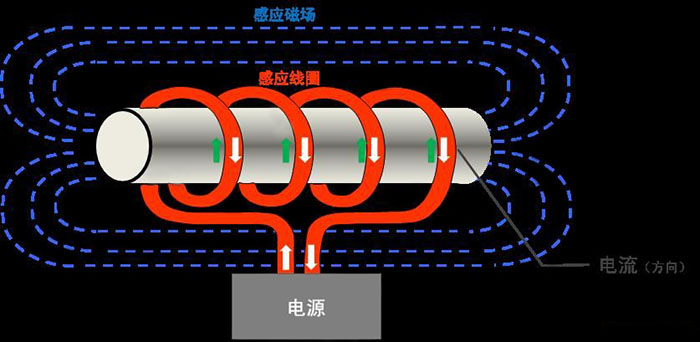
An electromagnetic heater is a device that converts electrical energy into heat using the principle of electromagnetic induction. The electromagnetic controller converts 220V/380V, 50/60Hz AC power through a rectification circuit into DC power, which is then transformed into a 10-40kHz high-frequency current via a control circuit. The current passing through the coil generates a variable alternating magnetic field. When the alternating magnetic flux lines in the magnetic field pass through ferromagnetic materials (such as iron, cobalt, and nickel), numerous small eddy currents are induced within the metal, causing the metal to heat up rapidly and thus achieving the purpose of heating the metal material.
The inverter is a core component of the high-frequency electromagnetic heater, functioning as a power control device that converts power frequency AC power into another frequency using the on-off action of power semiconductor devices. The inverters currently in use mainly adopt AC-DC-AC conversion, first converting the power frequency AC power into DC power through a rectifier, and then converting the DC power into AC power with controllable frequency and voltage to supply the motor. The inverter circuit typically consists of four parts: rectification, intermediate DC link, inversion, and control. The rectification section is a three-phase bridge uncontrolled rectifier, the inversion section is an IGBT three-phase bridge inverter with PWM output, and the intermediate DC link is for filtering, DC energy storage, and reactive power buffering.