












Haier 1 Horsepower Air Conditioner – Comparison of Single-Cool and Heat/Cool Models
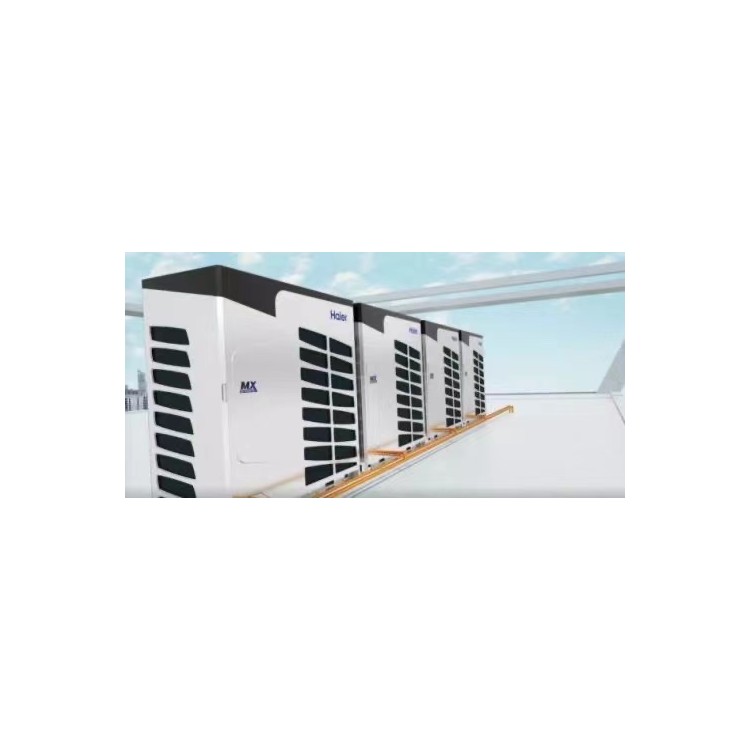
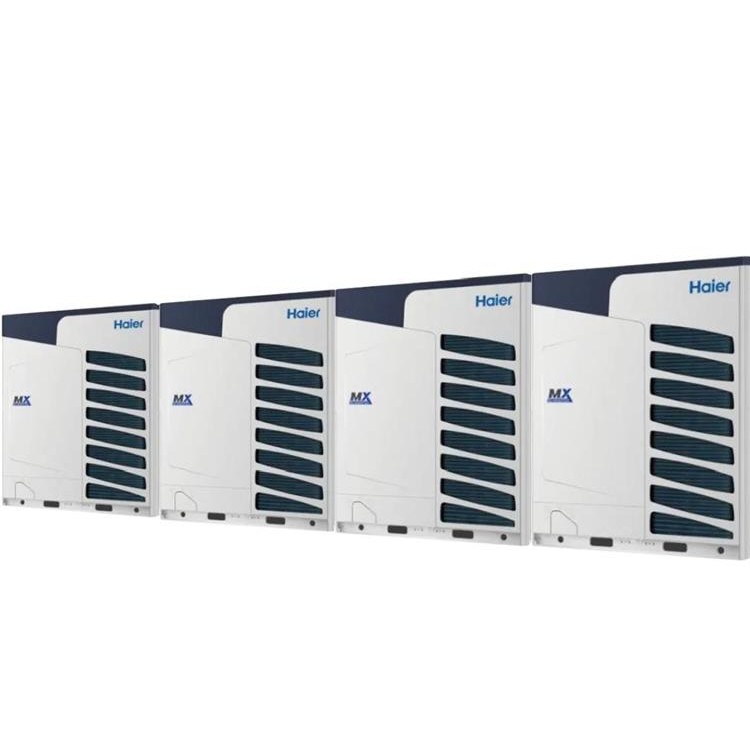
Haier 1-ton Air Conditioner – Comparison between Single and Dual Climate Models The Haier 1-ton air conditioner comes in two types: single cooling and dual climate. The single cooling model is essentially a refrigeration unit, commonly used only during summer and more prevalent in northern cities. The dual climate model, on the other hand, can both cool and heat, suitable for use year-round and often found in southern regions. The 1-ton capacity is suitable for smaller spaces, ideally around 10 square meters. For larger rooms, it may not meet standard usage needs, increasing energy consumption and reducing the effectiveness of cooling or heating.

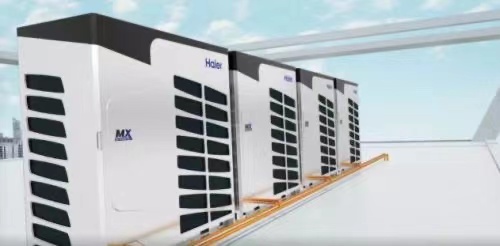
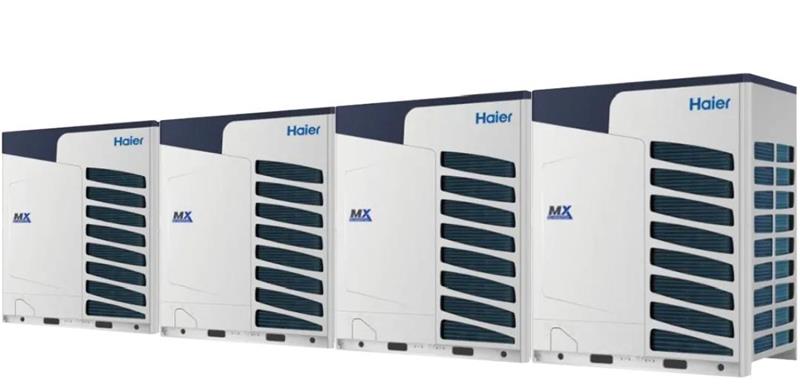
Central air conditioning actively adapts to transform into server room scenarios, opening up new growth opportunities.
The application of smart management further enhances energy-saving effects. With numerous equipment in server rooms, management can be complex. Compared to the traditional model of multiple inspections per day, Haier's central air conditioning connects the main unit, cooling towers, and pumps to the cloud. Managers can view the operating status and energy consumption of each piece of equipment on their computers and control them remotely. Additionally, the system actively adjusts based on usage scenarios, air conditions, and outdoor weather to generate optimal operation plans, thereby improving management efficiency.
As a brand starting from an ecological environment, our data center solutions are being implemented across various industries. With the upgrade to remote control and smart energy-saving experiences, energy savings exceed half, earning recognition from project parties.
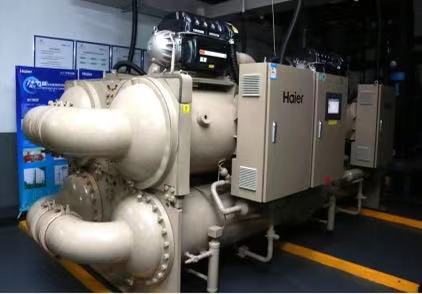
Central air conditioning has always adhered to the philosophy of "empowering buildings and saving energy for the world."
As the company that introduced magnetic levitation air conditioners to the Chinese market, Haier Central Air Conditioning has tailored data center solutions for users, achieving an annual energy efficiency ratio over 5.5, cutting electricity consumption by half, and meeting the energy-saving needs of customers.
Different from traditional server rooms where air conditioning units, pumps, and cooling towers operate independently, the central air conditioning solution for server rooms has collectively "migrated to the cloud." From aspects such as room design, equipment selection, and automated control, a comprehensive energy-saving management is implemented, boosting the system's energy-saving efficiency to around 50%, achieving full lifecycle system energy saving beyond product-level energy efficiency.