








What aspects should be considered in the design of highway guardrails?
1. Local conditions. This includes road design criteria, particularly linear indicators in the main design, which first determines the roadside hazard level. Then, based on traffic volume, the appropriate guardrail grade is selected. The guardrail panels are also chosen according to the existing accident information, and collaboration with other traffic management departments is established. Speed limit indicators are also determined.
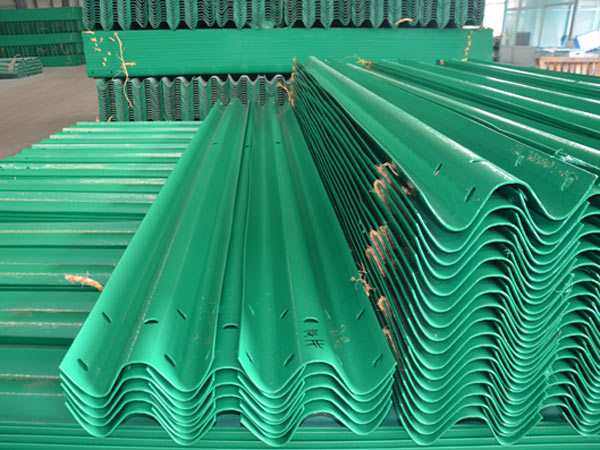
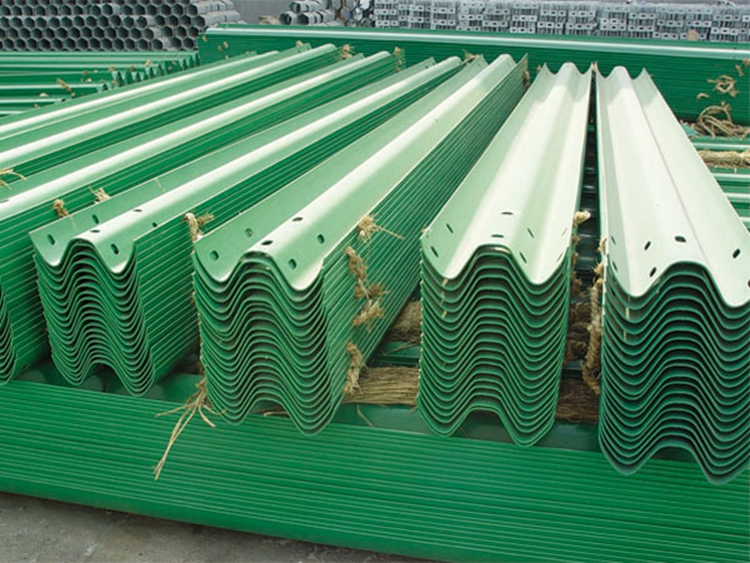
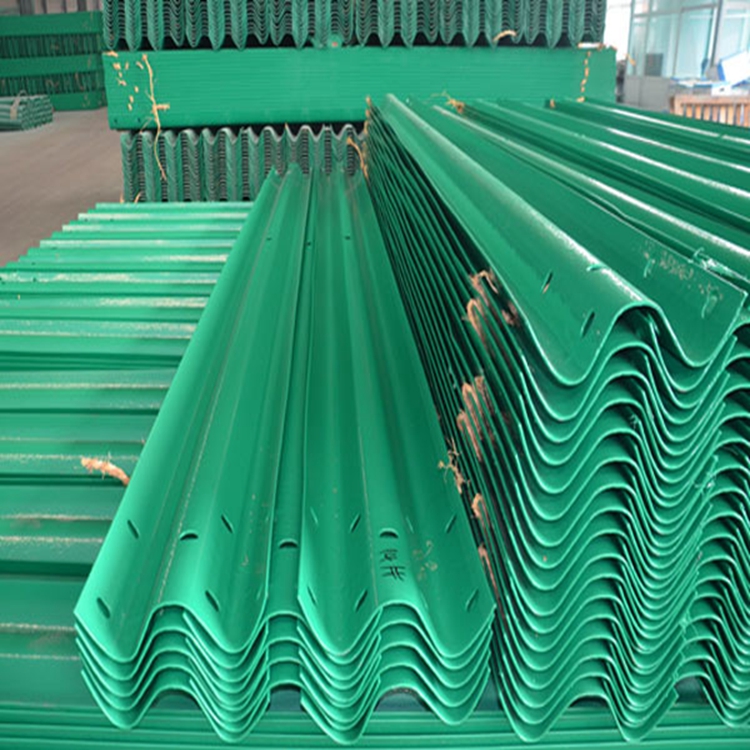
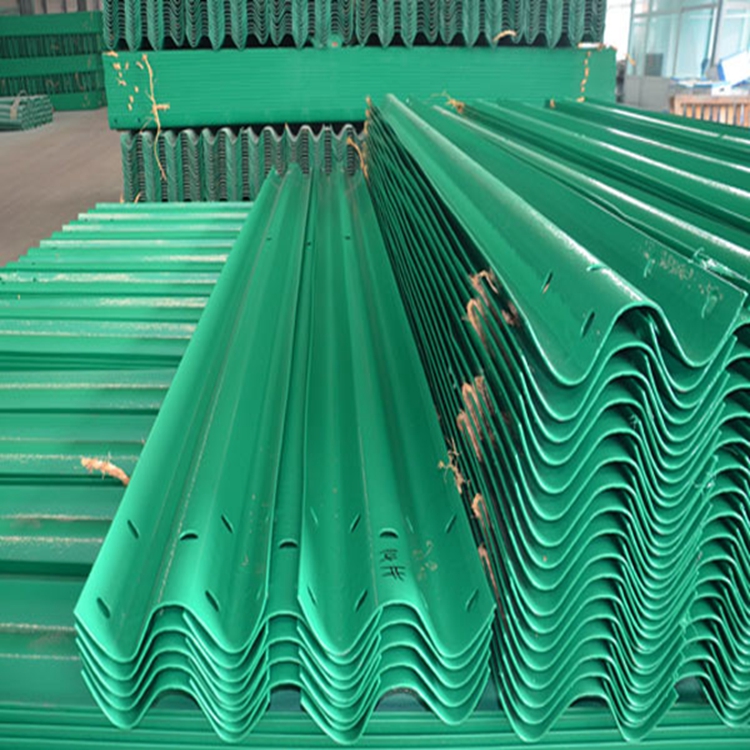
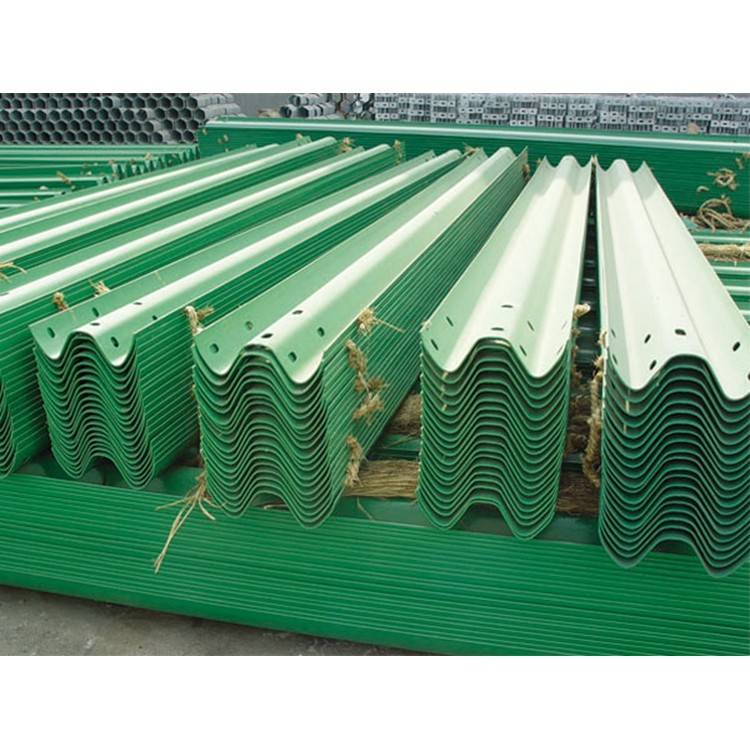
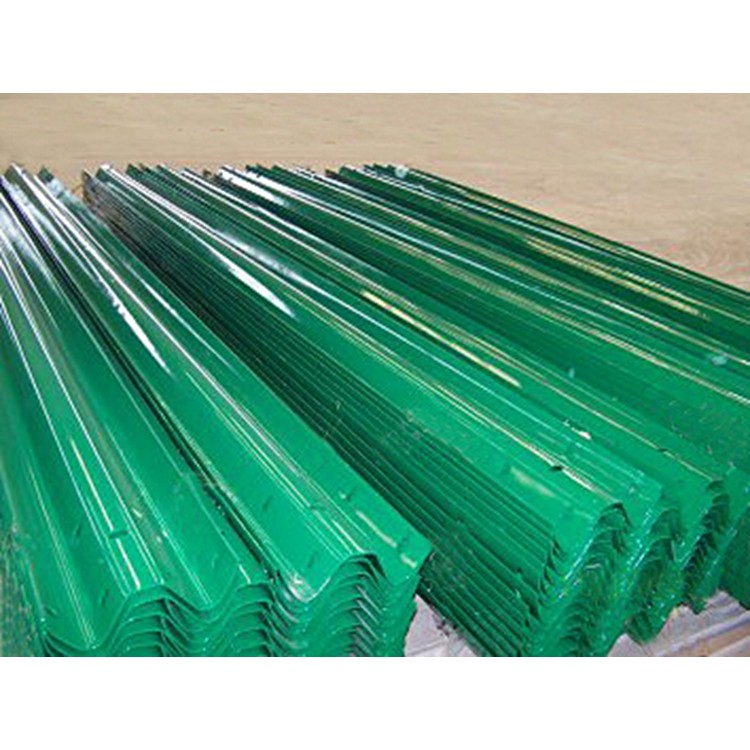
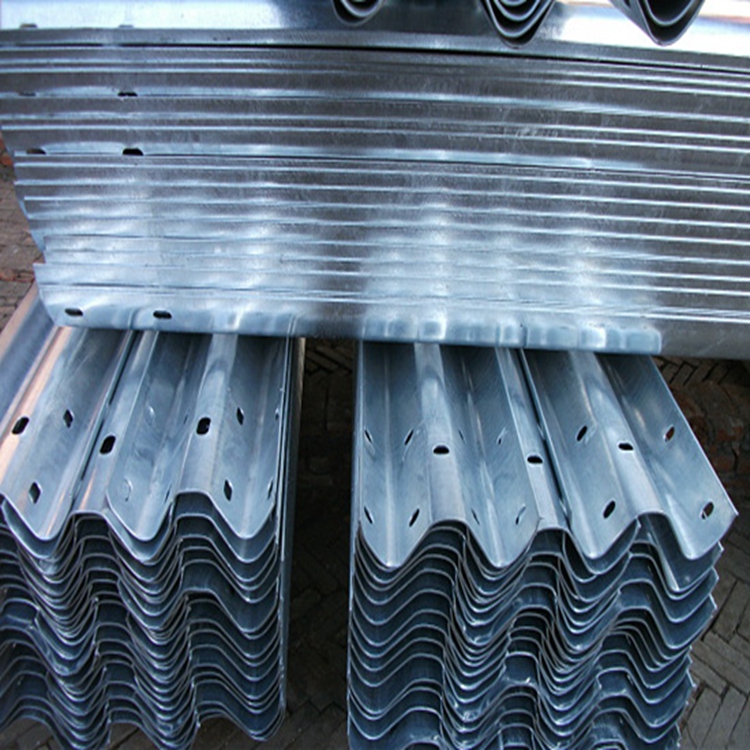
2. Protection Ability. This implies that the structure of the wavy guardrail panels should possess adequate strength and collision resistance, making them less prone to damage. In the event of traffic accidents, with heavy traffic volumes in urban roadways, there is significant economic loss, and traffic congestion is easily caused. Therefore, sufficiently strong collision-resistant barriers can serve as a certain level of protection, particularly in areas with high vehicle traffic, such as central reservation guardrails, which have strong collision resistance and can prevent secondary collisions with oncoming vehicles.
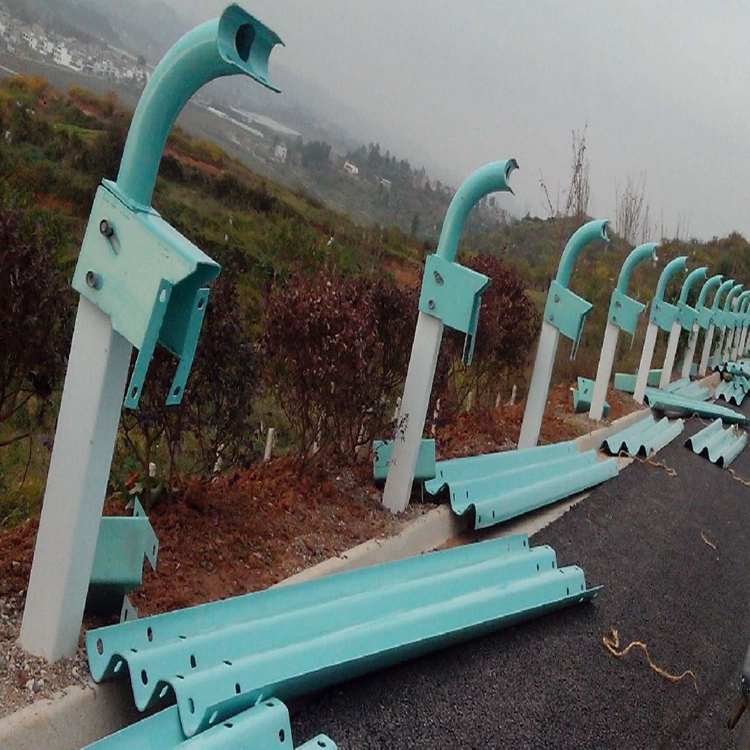
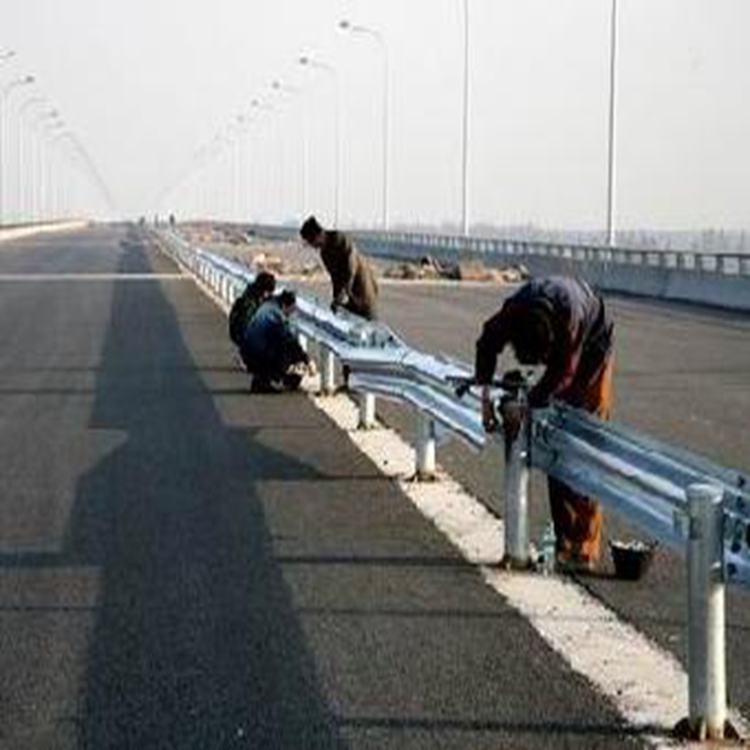
3. Corrugated guardrail panels are traffic facility products. Once the corrugated guardrail panels lose their protective function, out-of-control vehicles may result in collisions and personal injuries. Proper design and placement of the corrugated guardrails not only facilitate traffic flow but also reduce accidents.