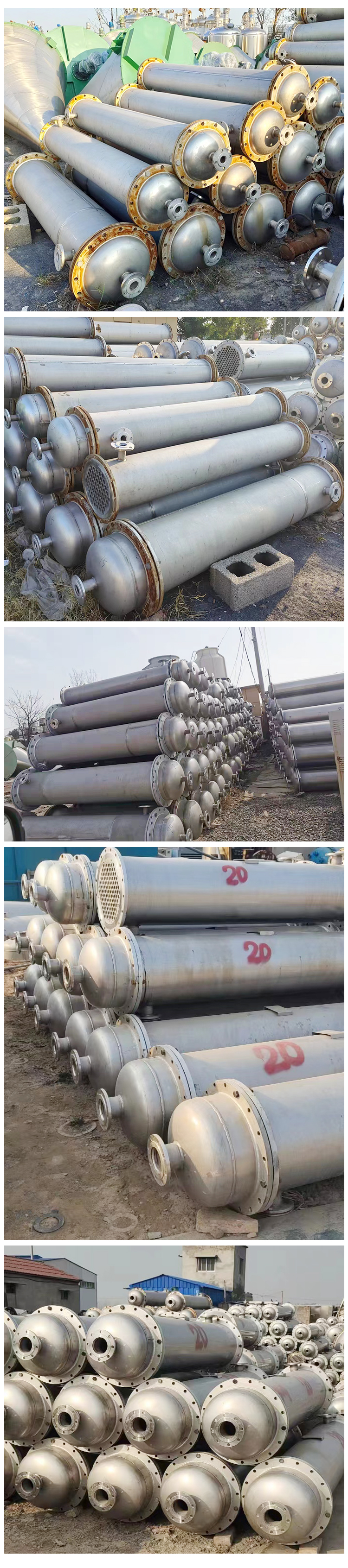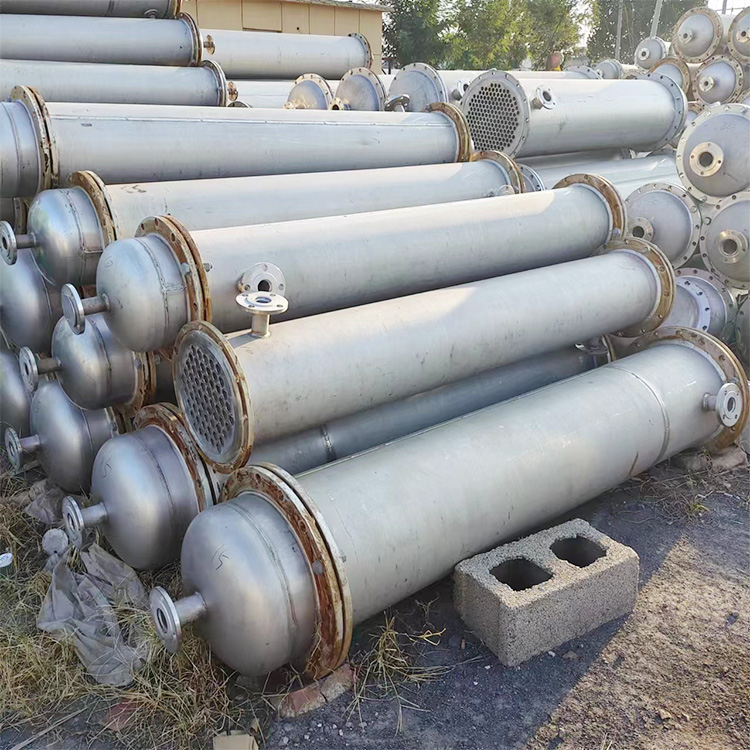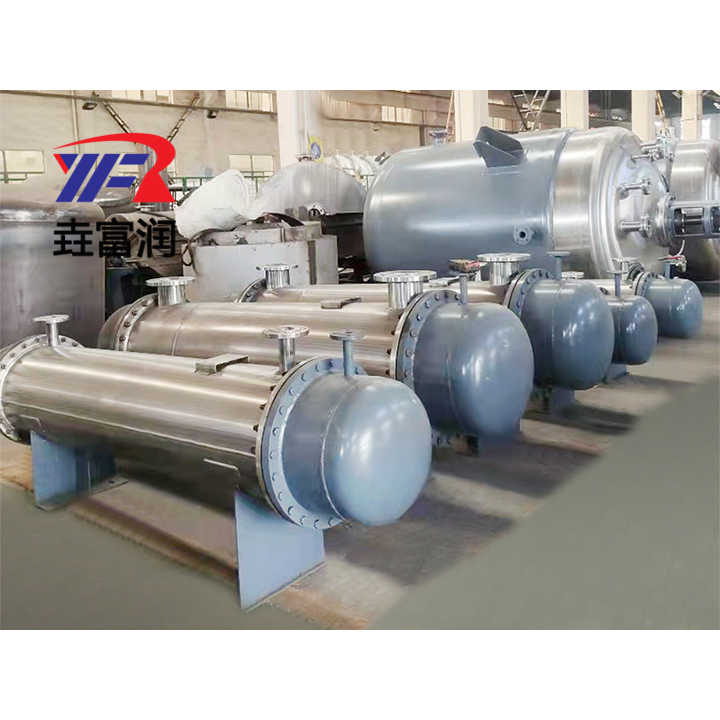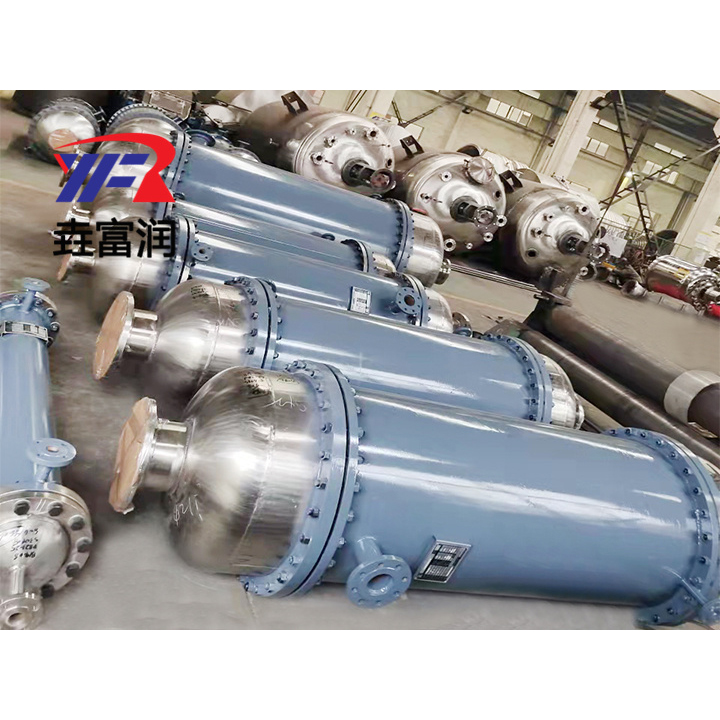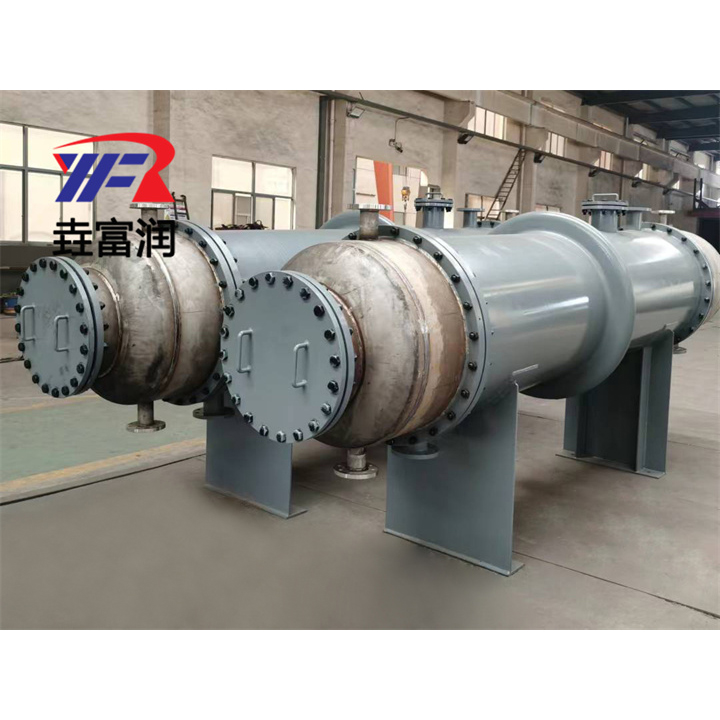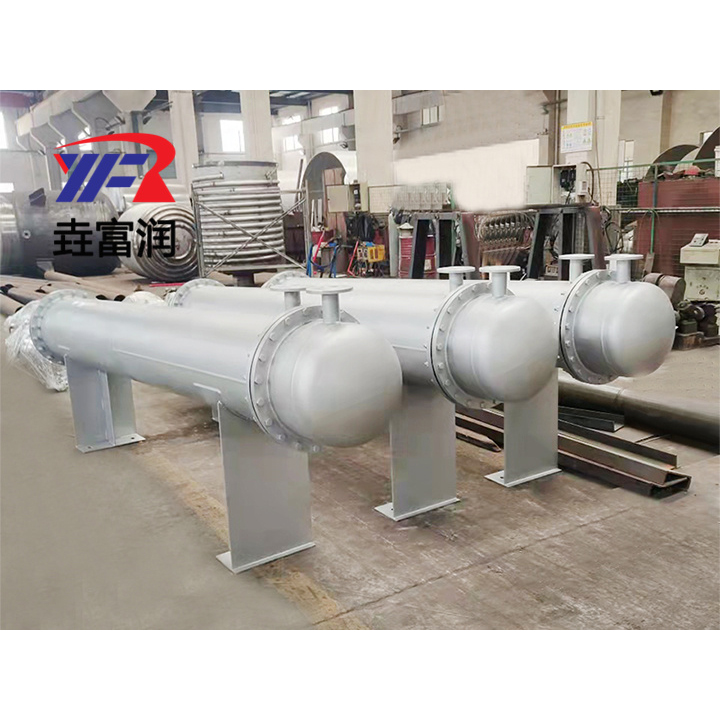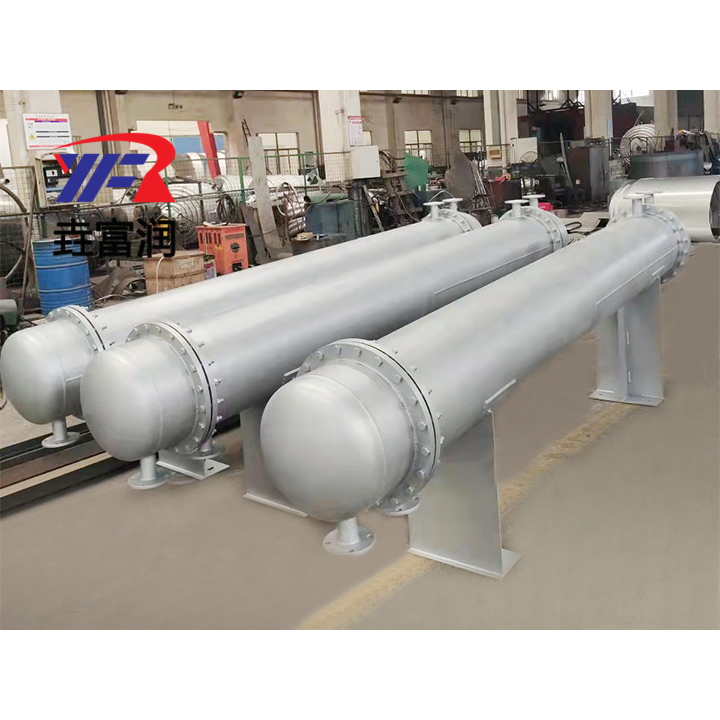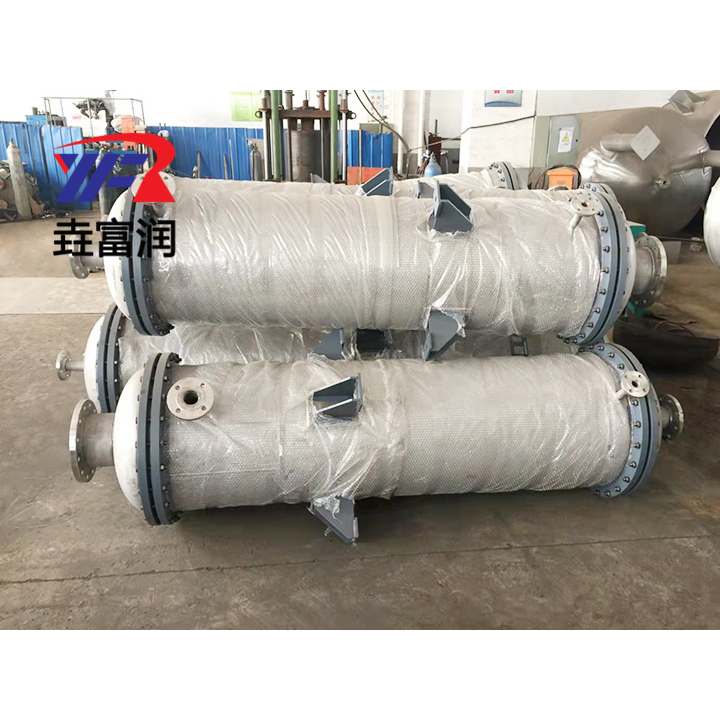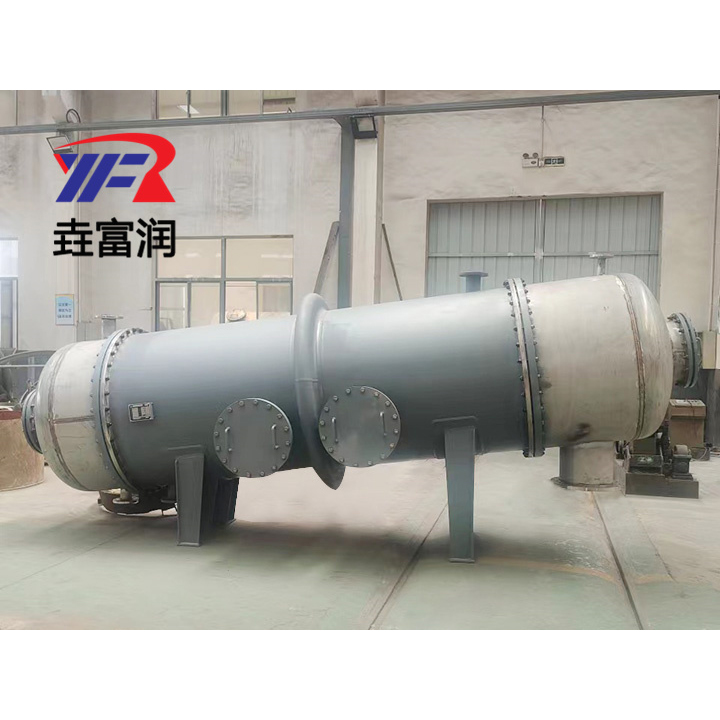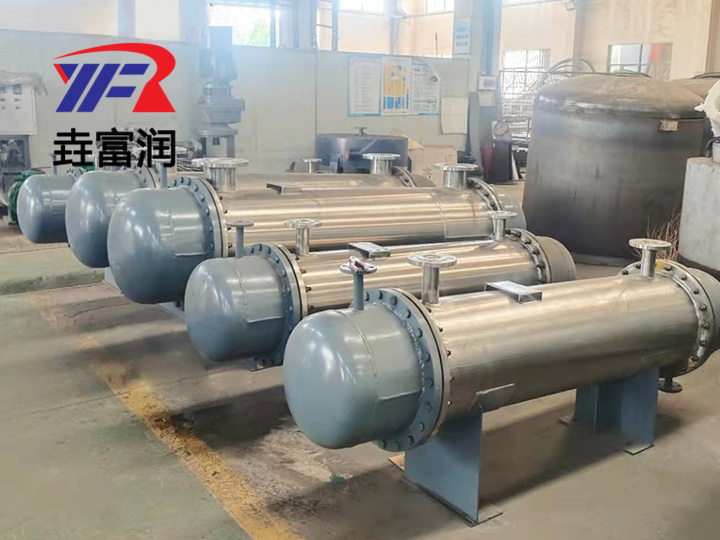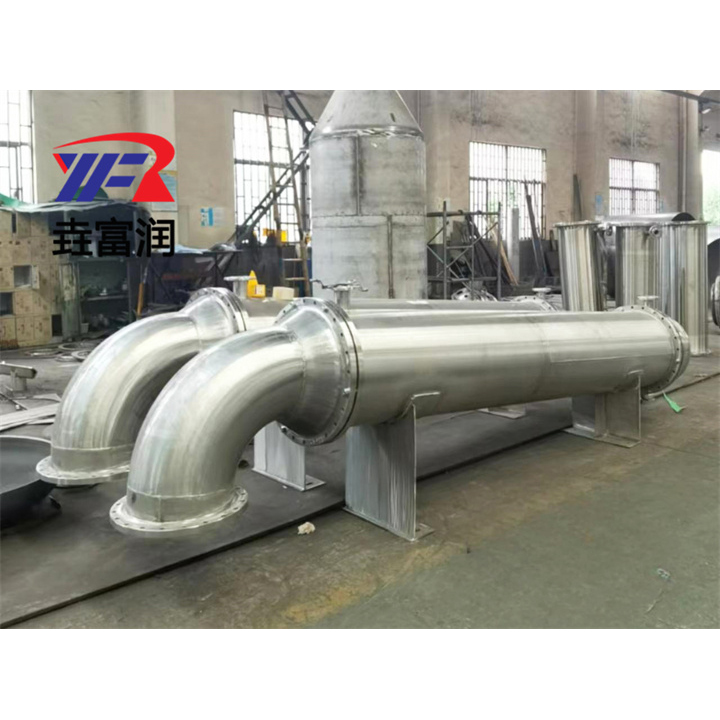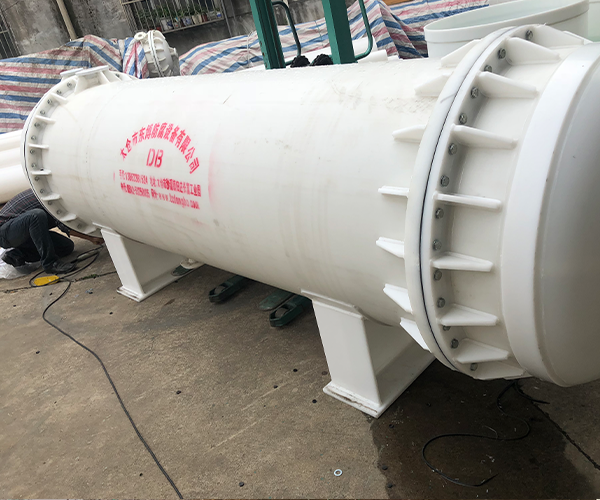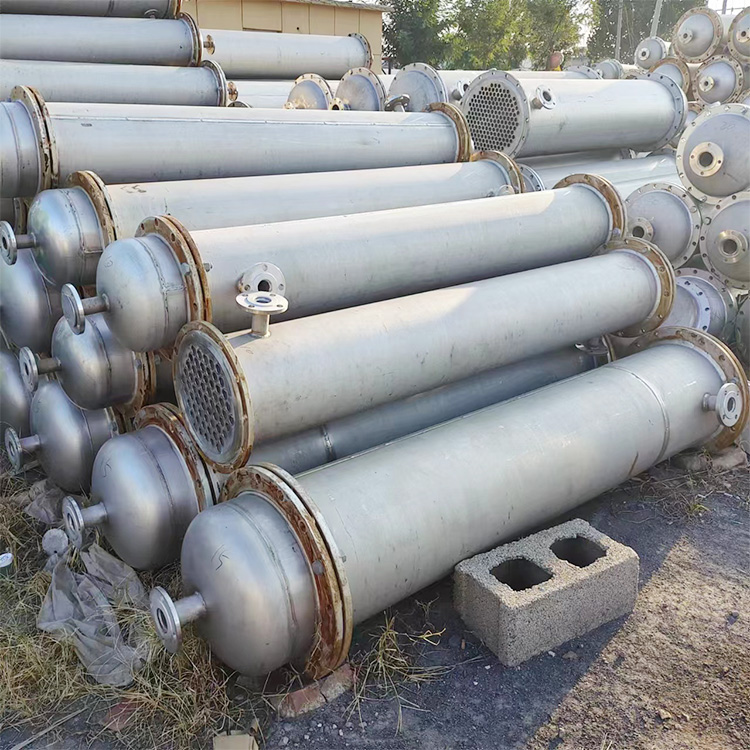

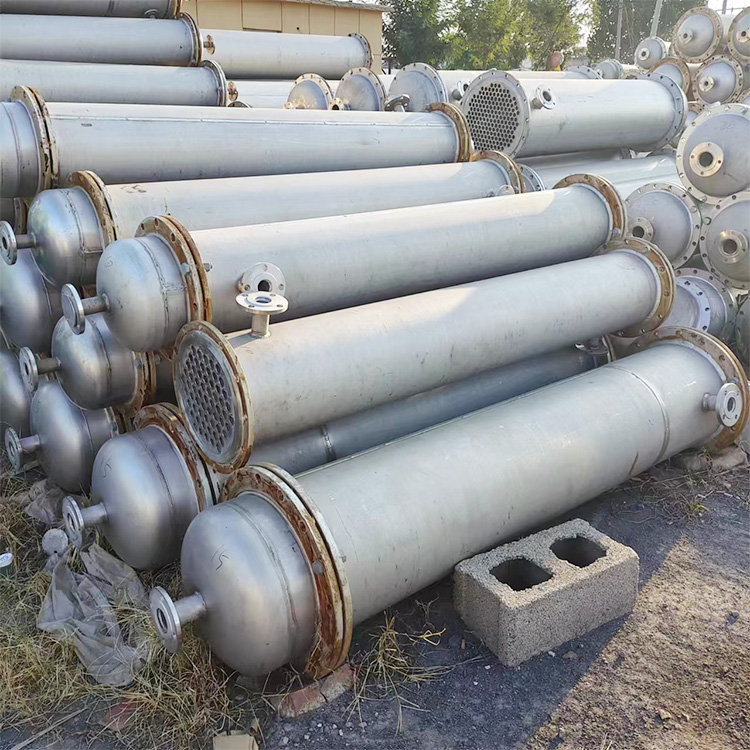
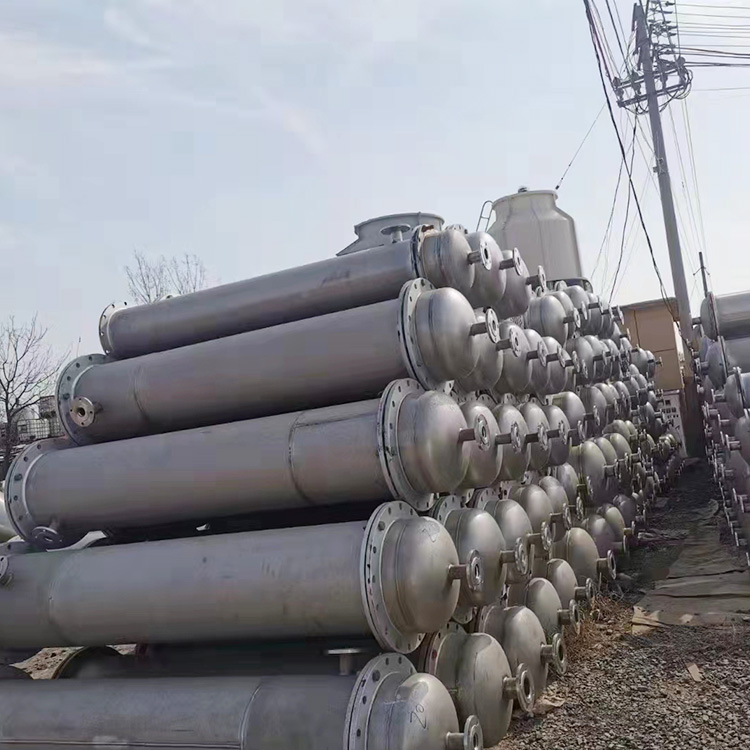
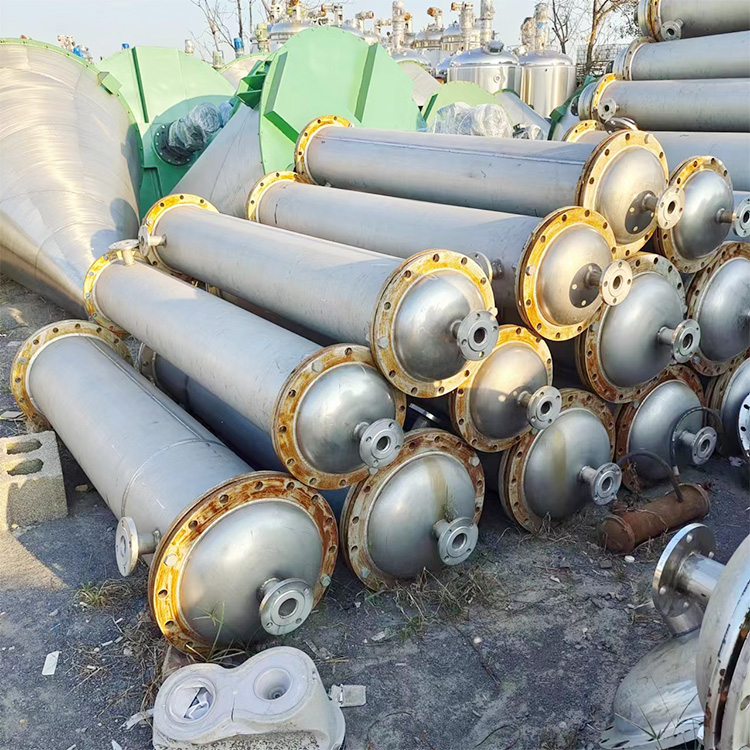


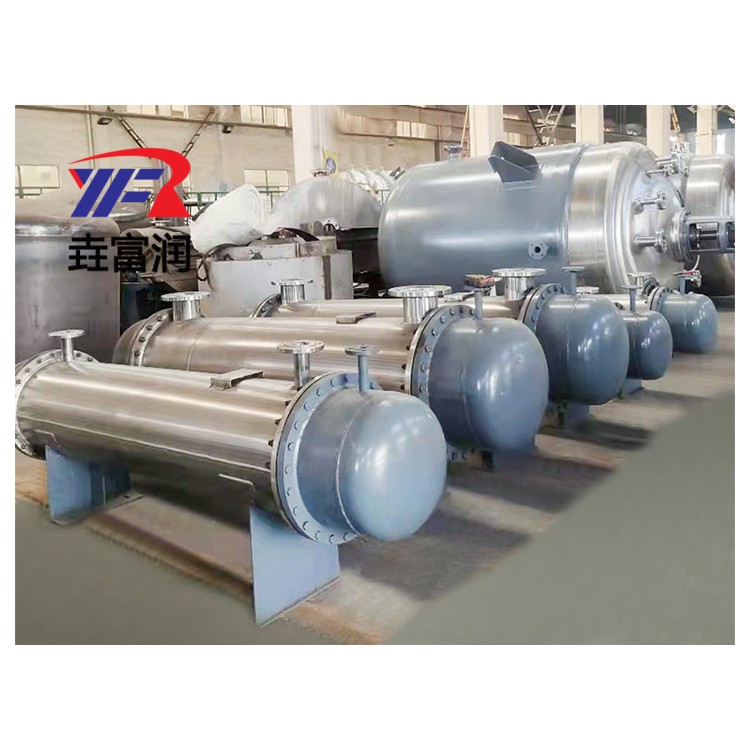
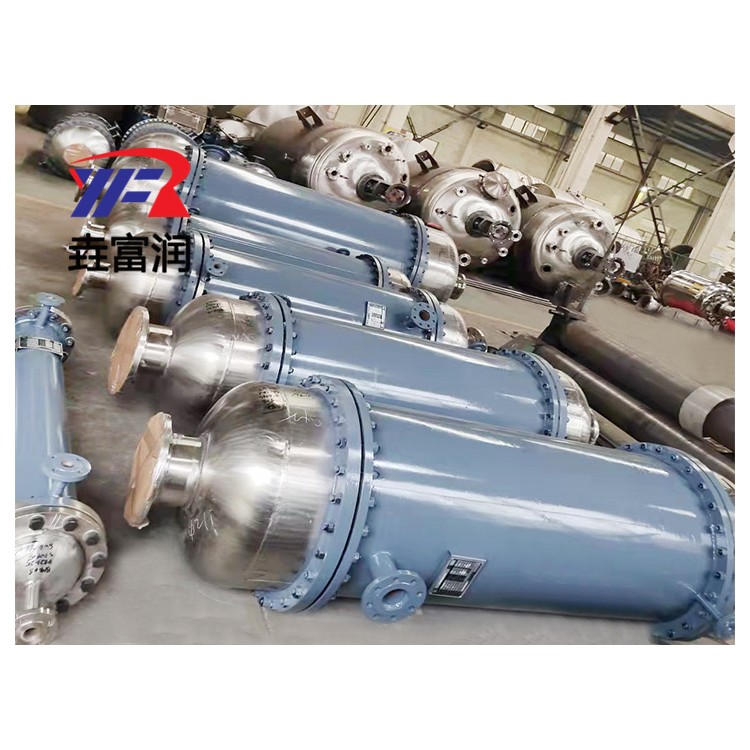
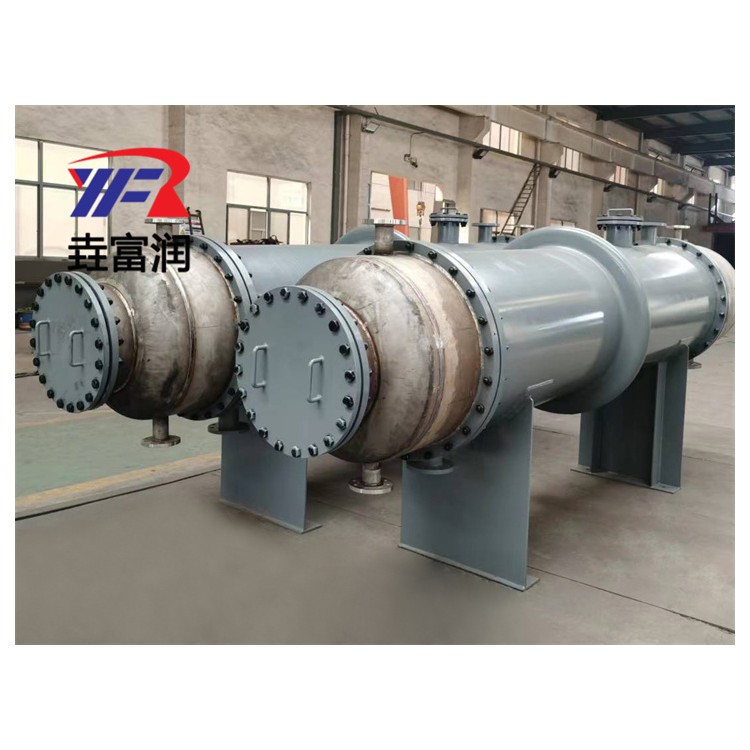
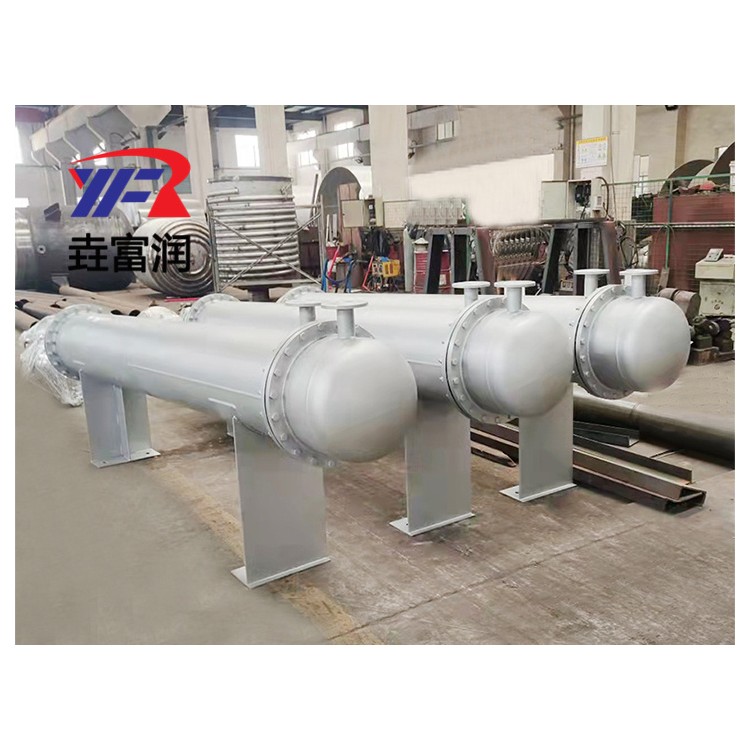
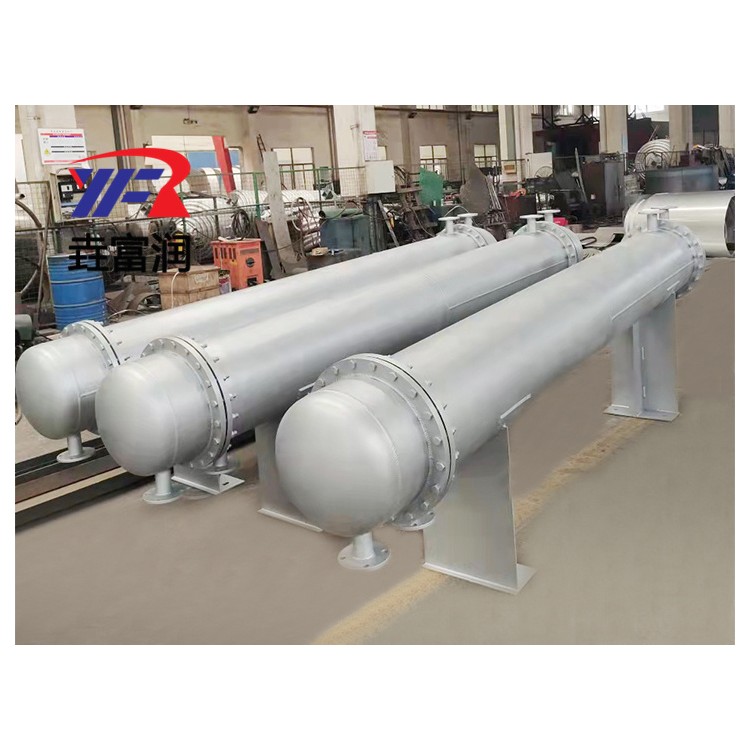





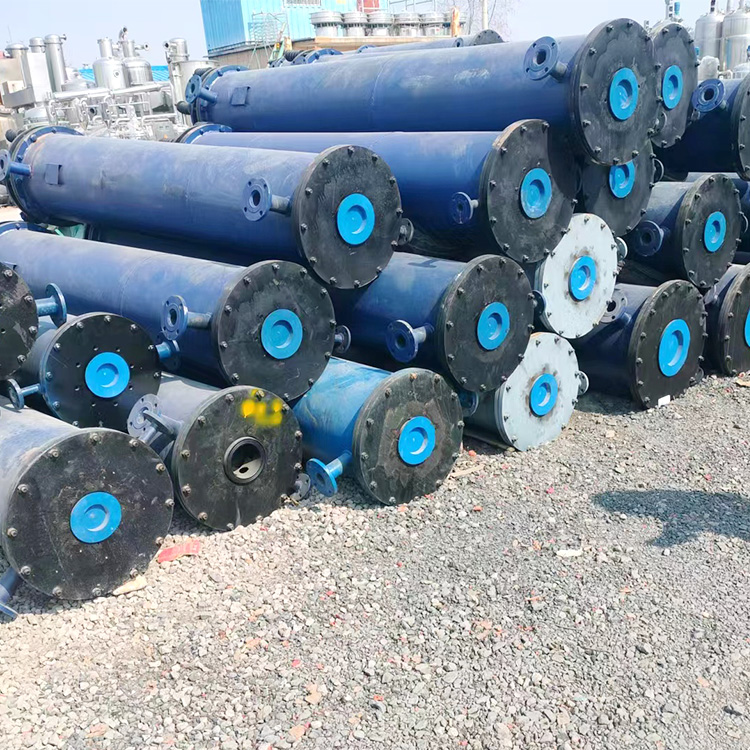
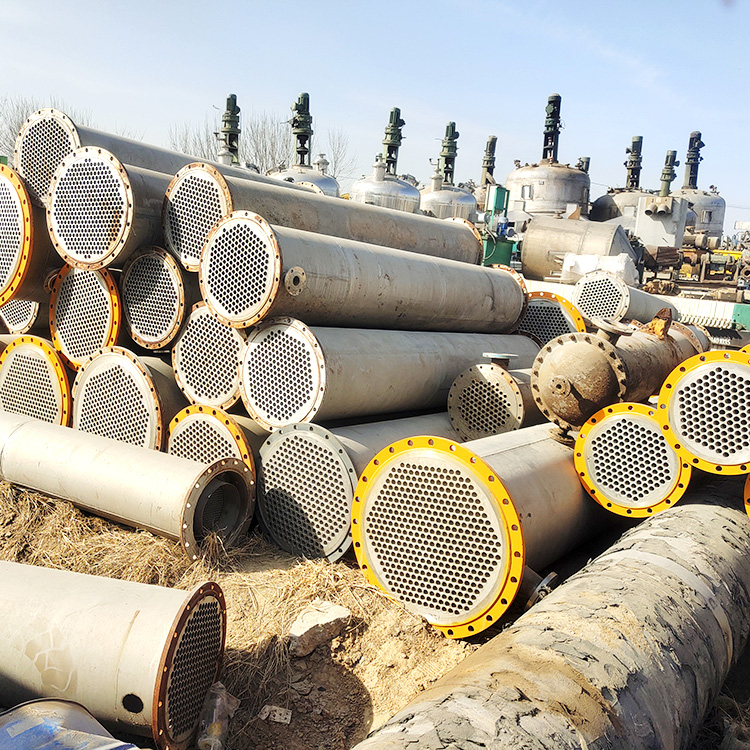
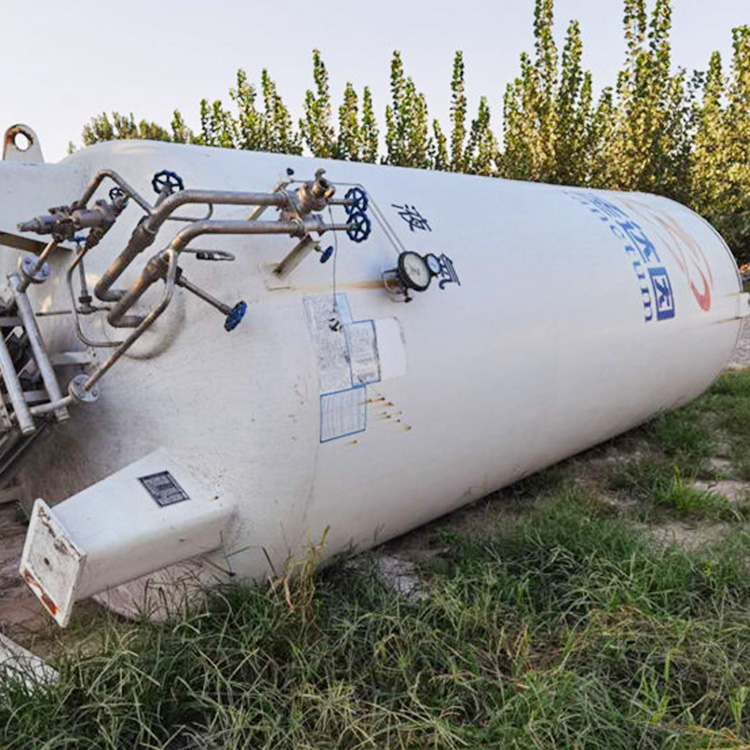
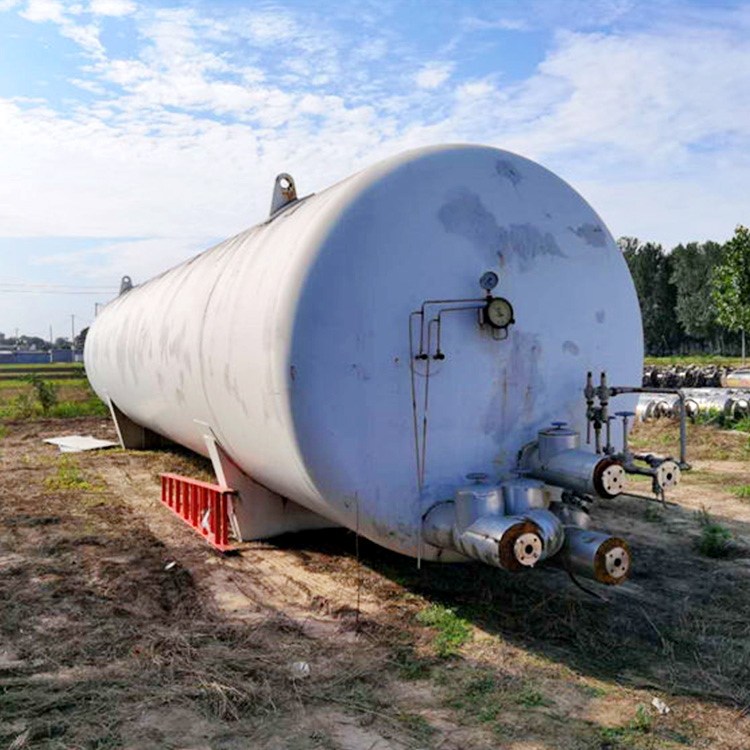
Tube-in-tube condensers, categorized by material into carbon steel tube-in-tube condensers, stainless steel tube-in-tube condensers, and mixed carbon steel and stainless steel tube-in-tube condensers; by type into fixed tube sheet, floating head, and U-tube heat exchangers; by structure into single-pass, double-pass, and multi-pass designs.
Featured
One: Non-toxicity: Non-scaling, non-contaminating of media, also suitable for the food industry.
Two, Temperature Resistance: The melting point of polypropylene plastic is 164-174°C, thus it is commonly used at temperatures up to 110-125°C.
Three: Lightweight - extremely convenient for equipment installation and repair.
Four, Corrosion Resistance: Polypropylene has excellent chemical resistance. Regarding inorganic compounds, it is unaffected by acids, bases, or salt solutions, except for strong oxidizing materials, and remains undamaged up to 100℃. It is not soluble in most solvents at room temperature and can be used in most media such as alkanes, alkenes, alcohols, phenols, aldehydes, and ketones.
Usefulness
Heat exchangers suitable for various applications in industries such as chemicals, light industry, metallurgy, food, and chemical fibers, especially suitable as condensers, replacing existing stainless steel, enameled, graphite, and glass condensers. Post-application results are显著.
The layout is simple, easy to manufacture, clean and convenient, with strong adaptability.
2. High heat transfer area per unit volume, with excellent heat transfer performance.