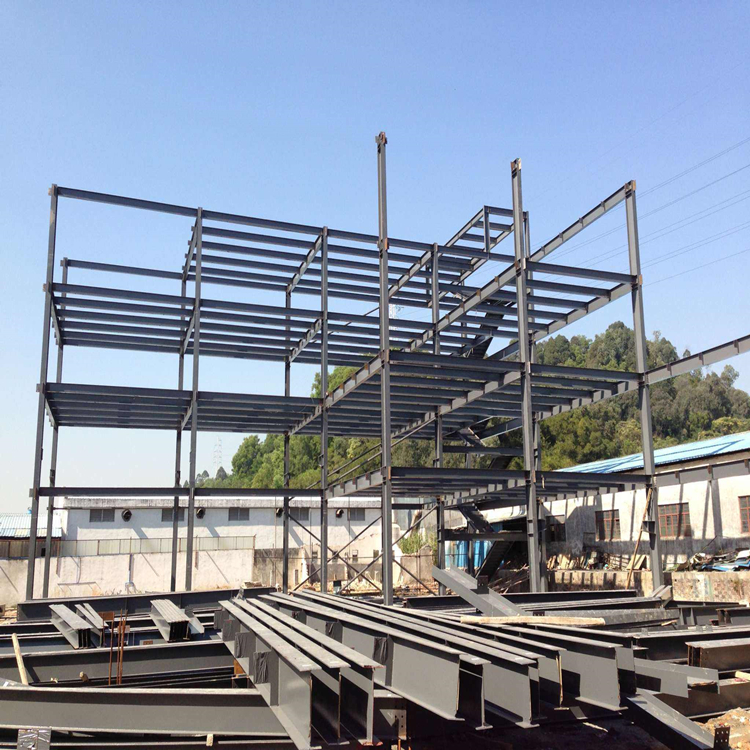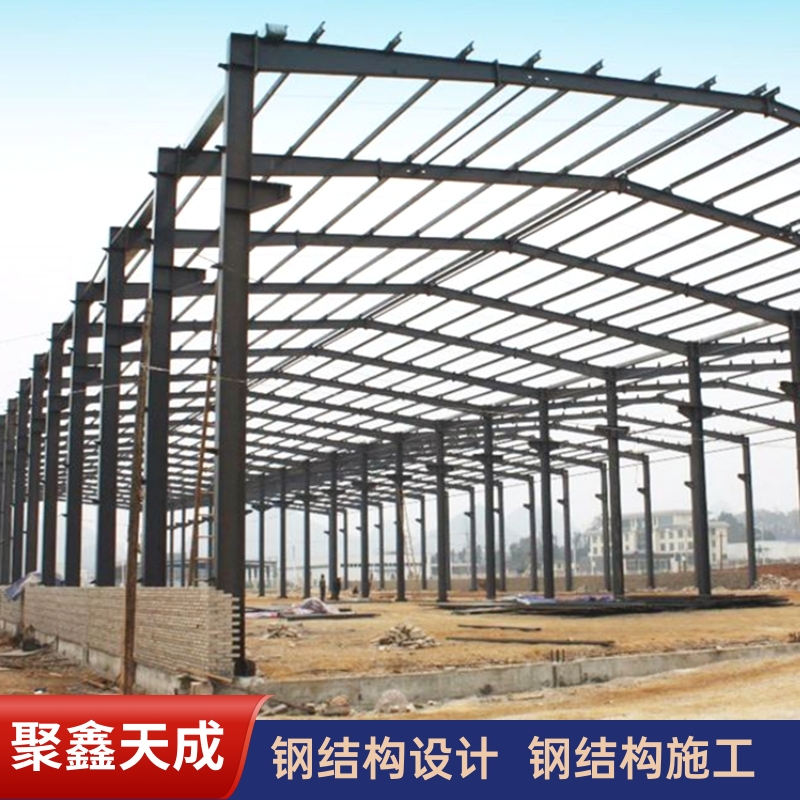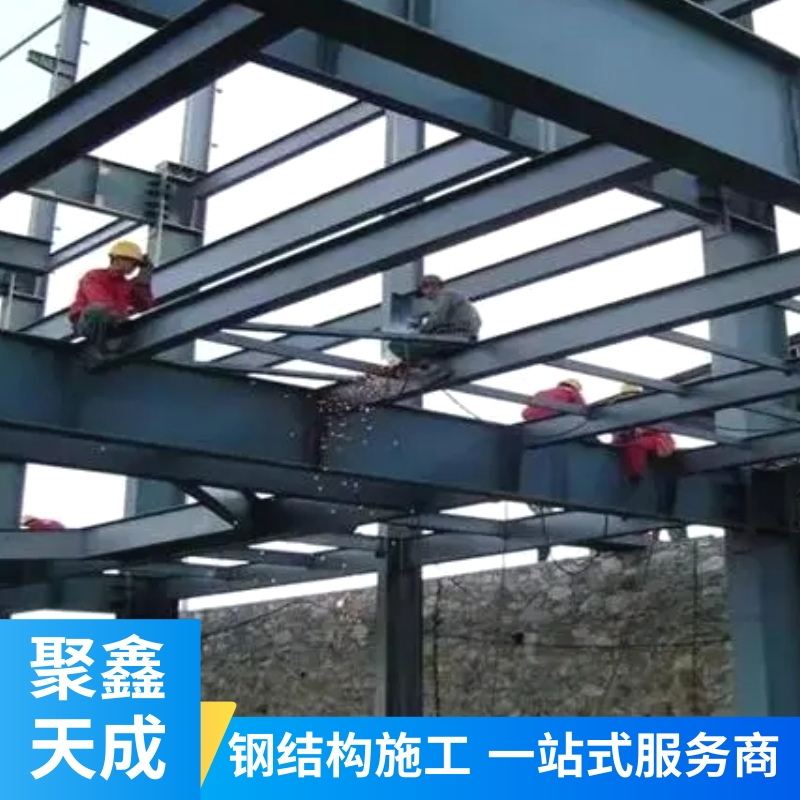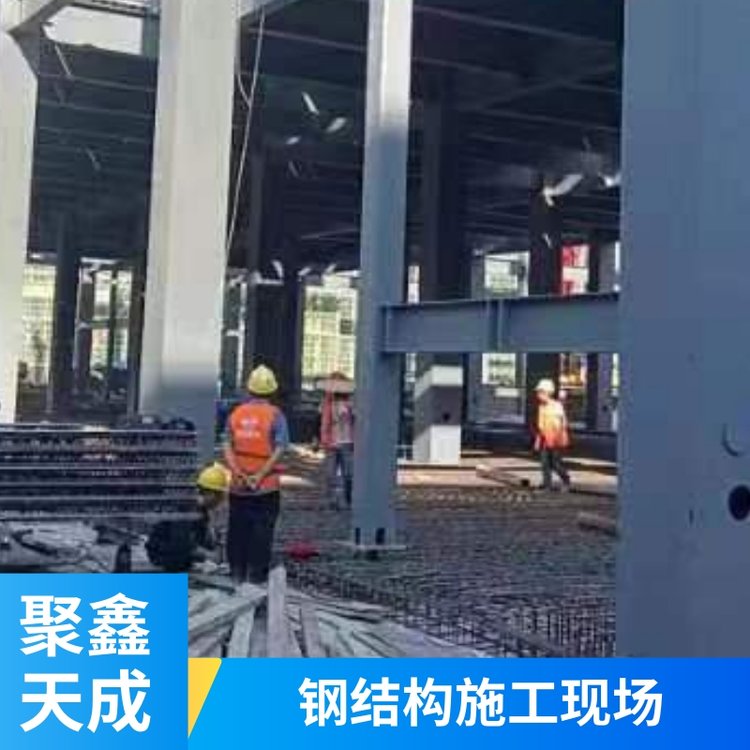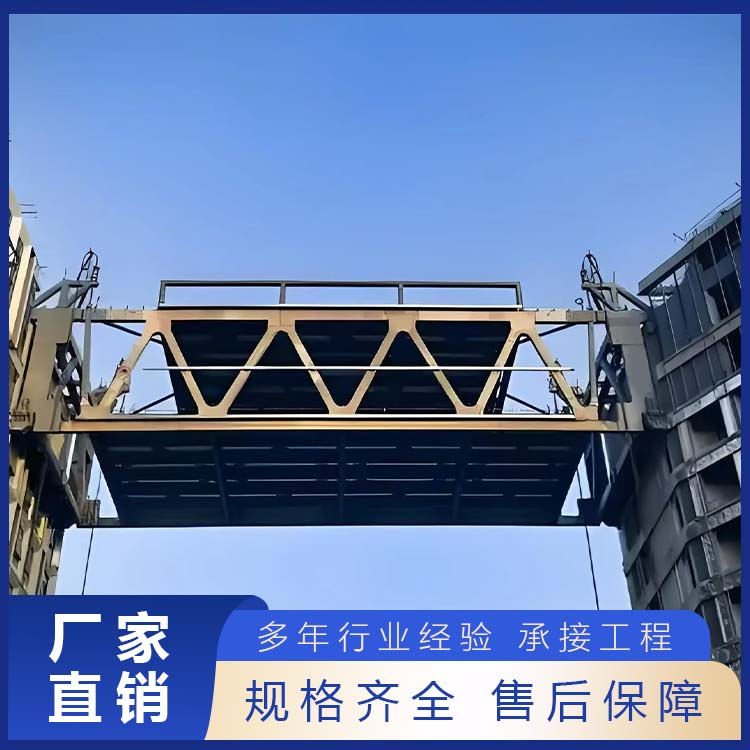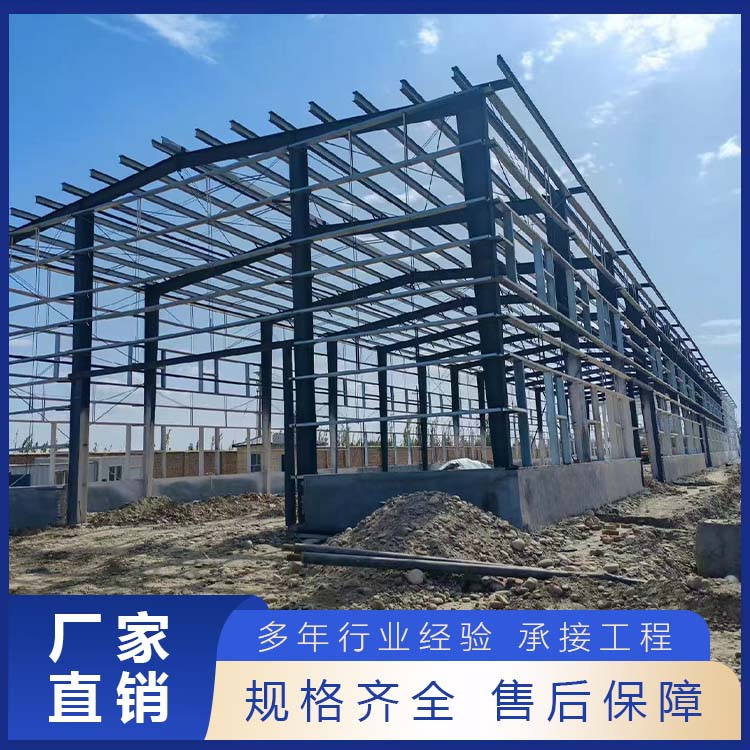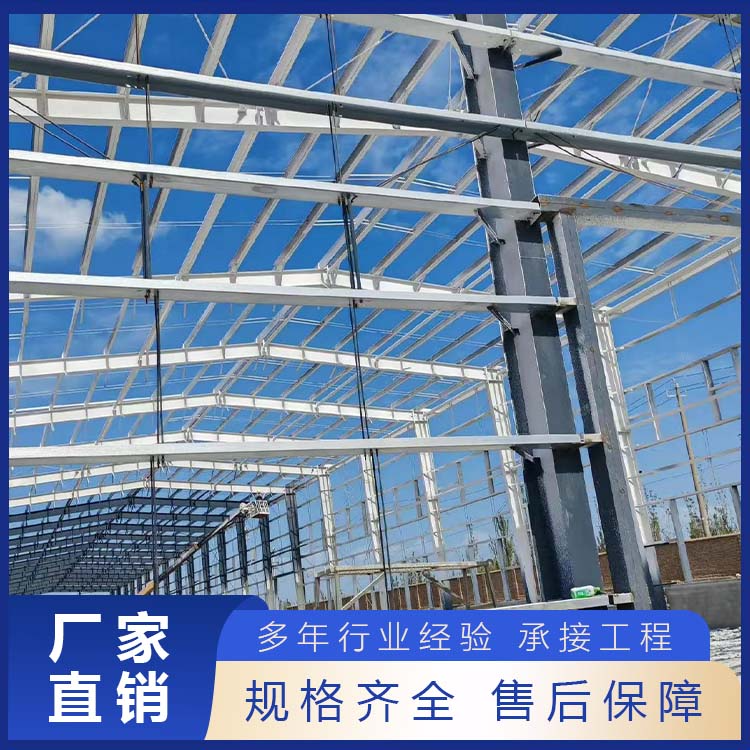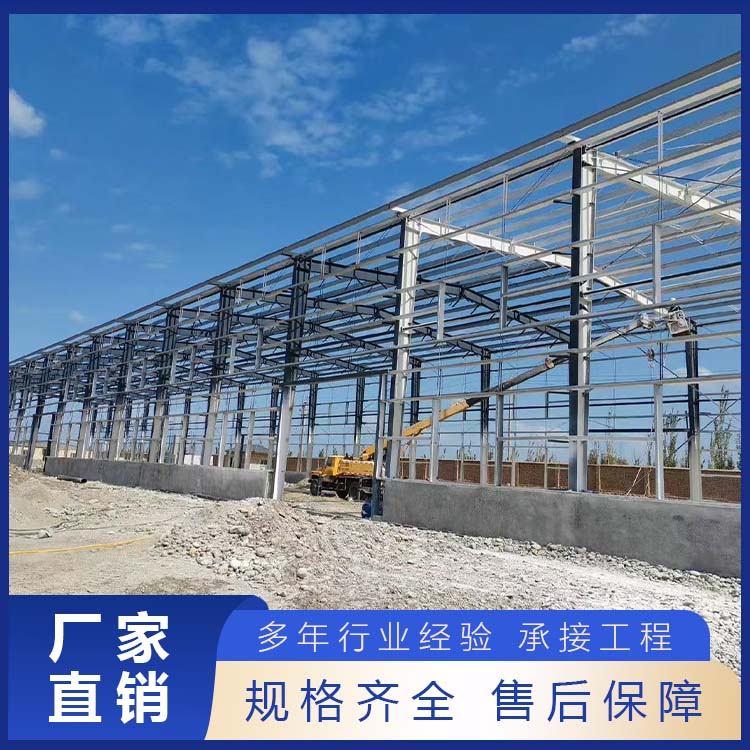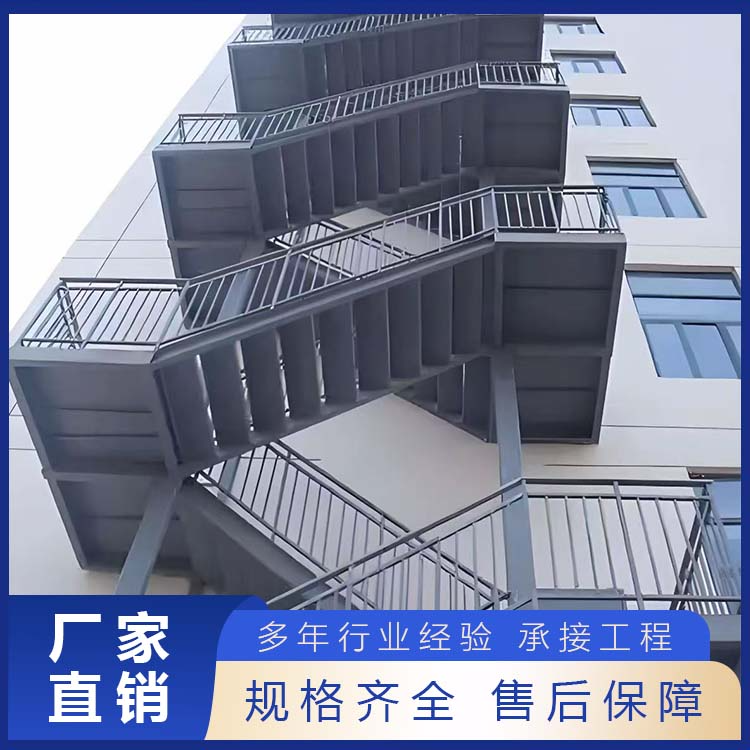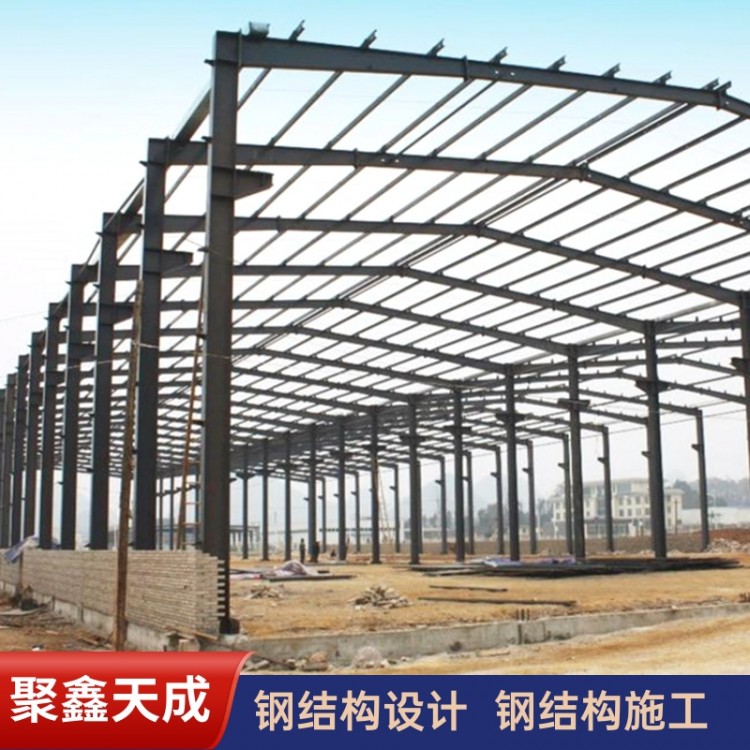



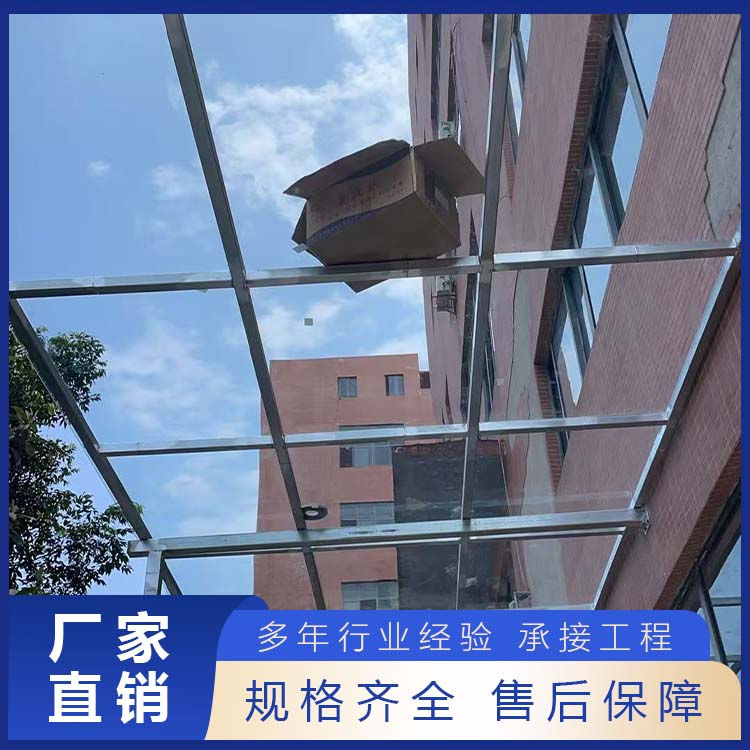
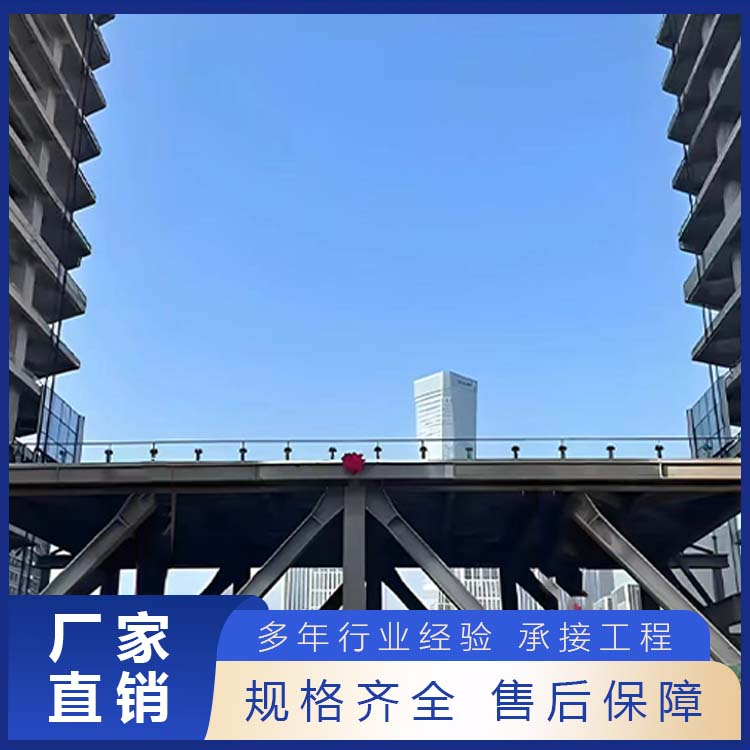
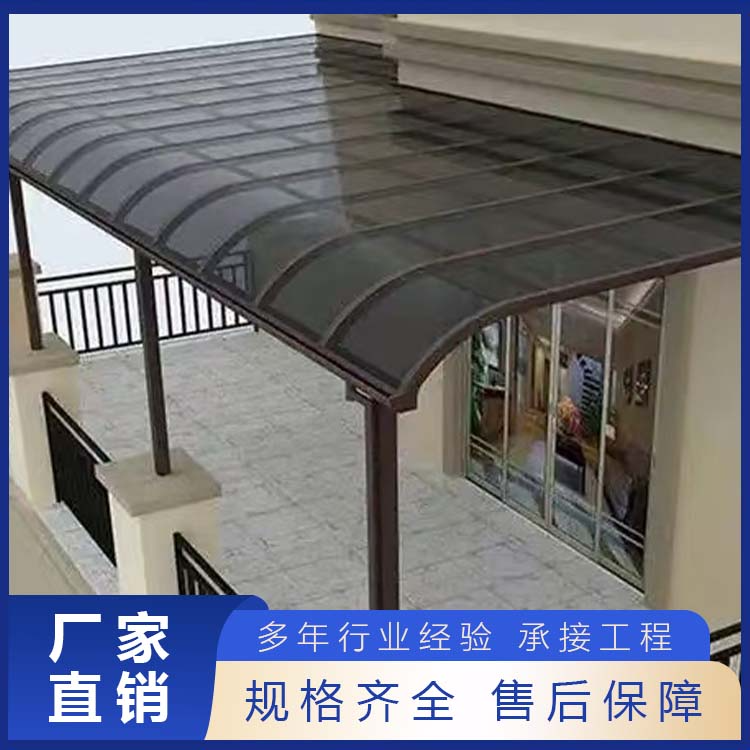
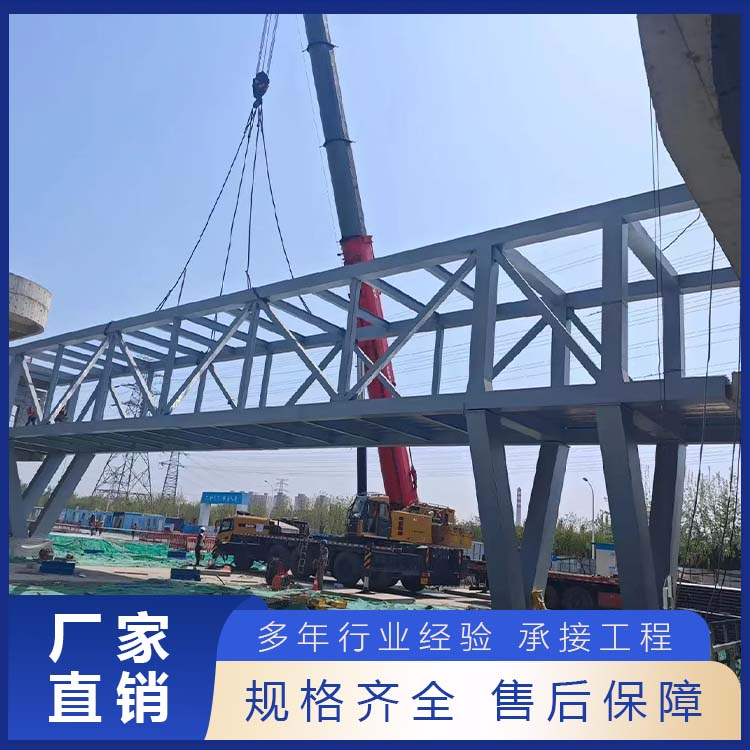





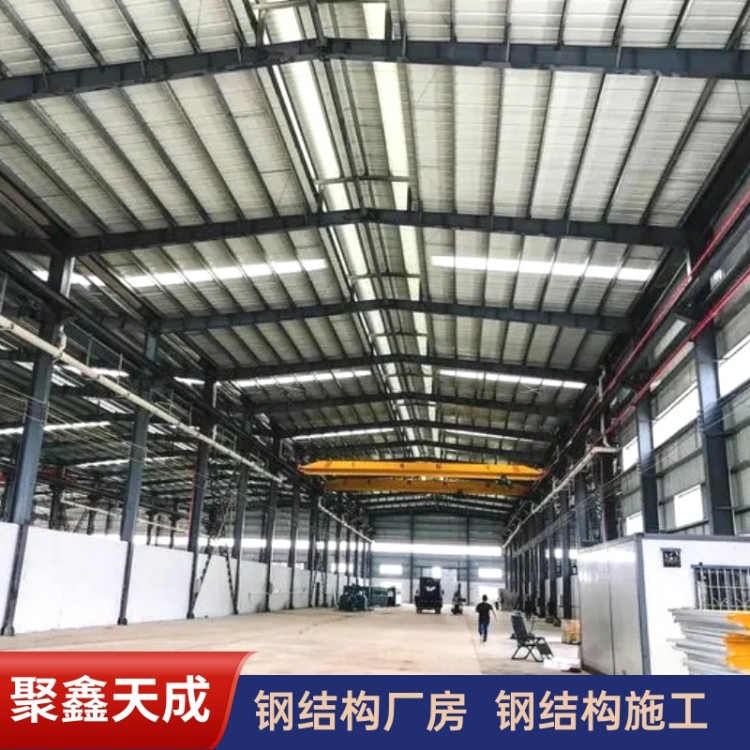
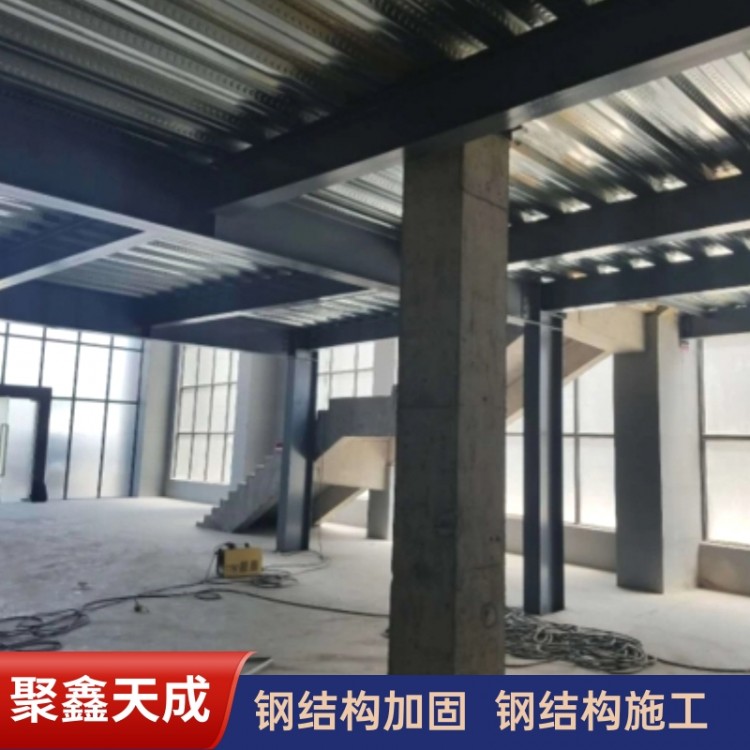
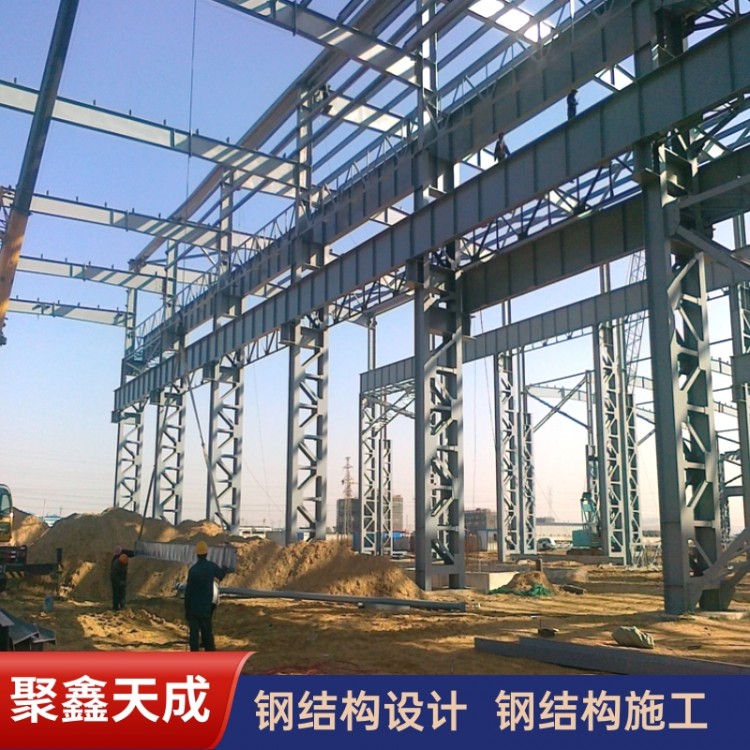


Steel structure engineering is a type of construction primarily made of steel, one of the main architectural structural types. It is a relatively common structural form in modern construction engineering.
We understand that the construction of steel structure projects involves two stages: factory fabrication and on-site installation. These stages can be carried out by a single contractor, but they may also be completed by two separate entities (subcontracting). Properly conducting the examination and selection of steel structure fabrication and installation units is crucial for ensuring the quality and progress of the project. Key examination aspects for steel structure fabrication and installation units include: company qualifications, production scale, number of technical personnel, their titles and resumes, number of skilled workers and their qualifications, equipment conditions, and performance history.
Construction Organization DesignThis is a comprehensive technical document compiled by the contractor, guiding all activities throughout the construction process. Thoroughly reviewing the construction organization design is an important aspect of pre-control and proactive control in supervision work. For steel structure projects, separate manufacturing and installation construction organization designs should be prepared for the manufacturing and installation stages, respectively. The manufacturing process content should include quality standards and technical requirements for each operation and sub-item during the manufacturing stage, as well as specific measures formulated to ensure product quality, such as processing methods for key components, process flow and measures for main components, and the processing equipment and process equipment used.
As previously mentioned, steel structure projects typically involve two stages: factory manufacturing and on-site installation. Generally, these are handled by two grassroots units under the steel structure engineering company—the manufacturing workshop and the installation project department—while sometimes they may be completed separately by the manufacturing factory and the installation company (subcontracting). The supervising engineer must give full attention to the supervision during the manufacturing phase. Just like with other types of engineering, it is crucial to effectively manage pre-construction and in-process control, ensuring thorough and timely inspections, as well as strict and comprehensive supervision of each process and sub-item. Avoid the mistake of relaxing supervision over the factory manufacturing process and relying solely on acceptance inspections upon the completion of components. This is especially important when the manufacturing unit is far from the project location.
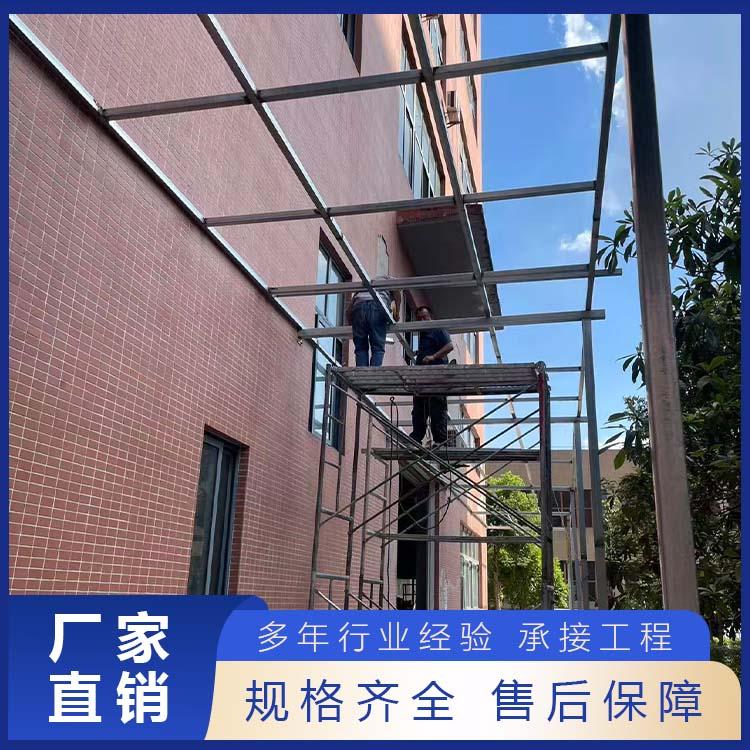
The supervisory work during the steel structure installation phase primarily involves monitoring the operation of the contractor's internal management and quality assurance systems, urging the implementation of technical and organizational measures from the construction organization design, and strictly adhering to the current national specifications and standards for steel structures. The supervisory work in the steel structure installation phase should focus on several key aspects: the rationality and implementation of installation plans, installation measurements, the connection of high-strength bolts, installation welding quality, actual measurement of installation size deviations, and painting, etc. The supervisory work should enhance on-site inspections, parallel inspections, and on-site supervision, especially in cases where some steel structure contractors have low quality and the construction is still不规范. Ensuring on-site inspections and on-site supervision is crucial for ensuring the construction quality of steel structure projects, which holds significant practical significance.
Multiple testing and inspection processes for the manufacturing and installation of steel structural projects are not typically found in general civil engineering projects. These testing items mainly include: inspections of steel material-related projects (as necessary), welding process evaluation tests (as necessary), non-destructive testing of welds (ultrasonic, X-ray, magnetic particle, etc.), tests for torque coefficient or pre-tension of high-strength bolts, sliding resistance coefficient tests for high-strength bolt connections, load-bearing tests for steel truss joints, and fire-resistant coating performance tests for steel structures. When conducting these tests and inspections, attention should be paid to the following points: (1) Supervise the appointment of a testing institution with the appropriate qualifications; (2) Adhere to the witnessing system for sampling and sending for inspection to avoid discrepancies between test pieces and the project; (3) For some testing items, there are fewer testing institutions with the appropriate qualifications, they are located far away, and the costs are high. In such cases, the supervising engineer must adhere to principles, be clear in their stance, and promptly urge the contractor to implement these tasks. This is a necessary measure to ensure the quality of steel structure manufacturing and installation as well as the construction progress, and it is also the "key project" as stipulated by the current national standard for the acceptance of steel structure construction quality.