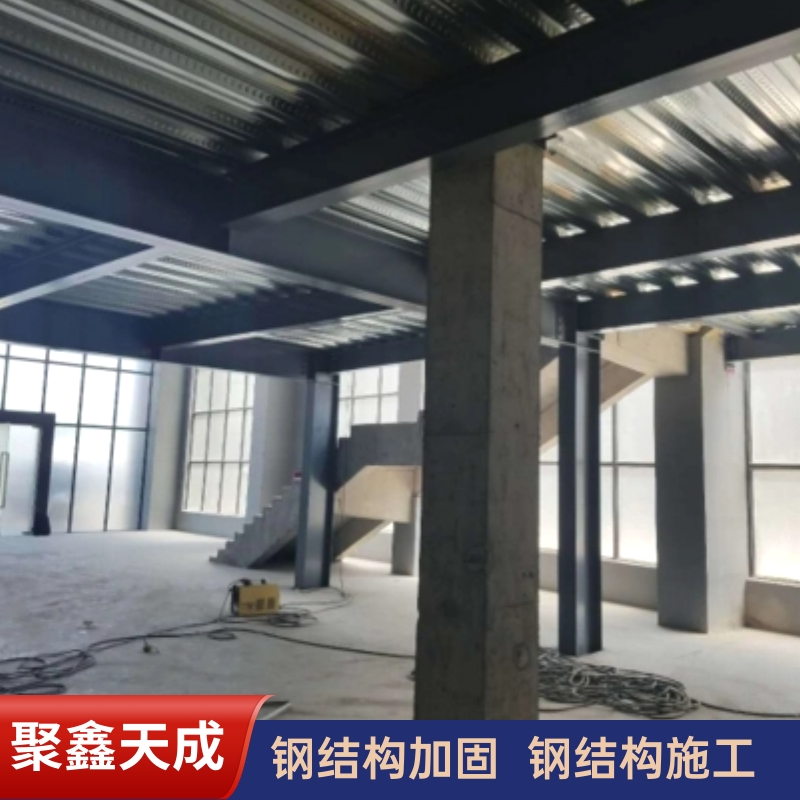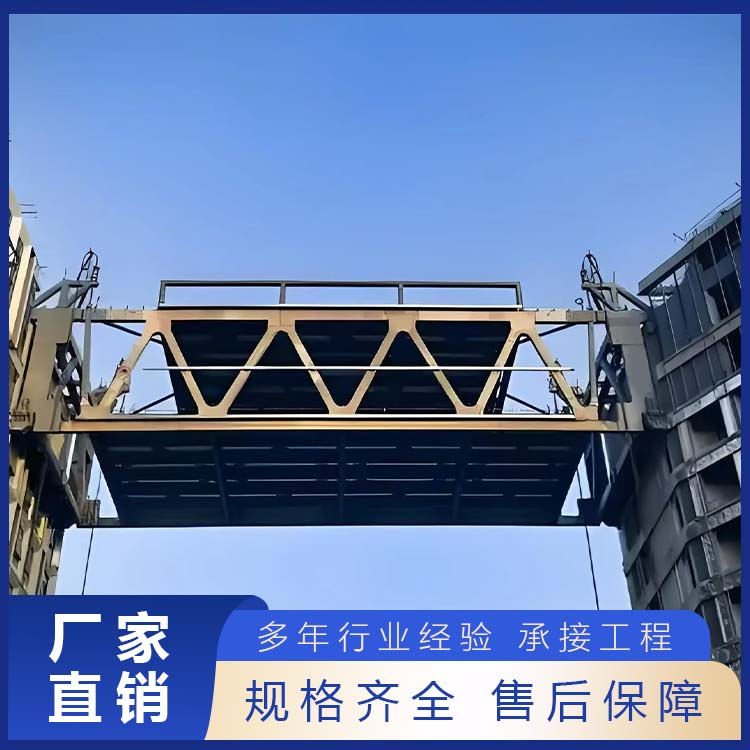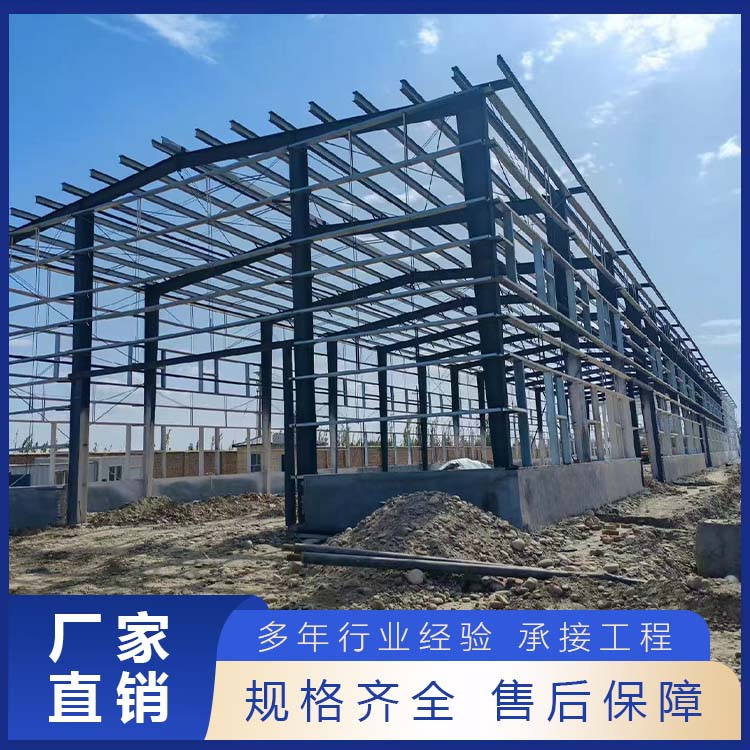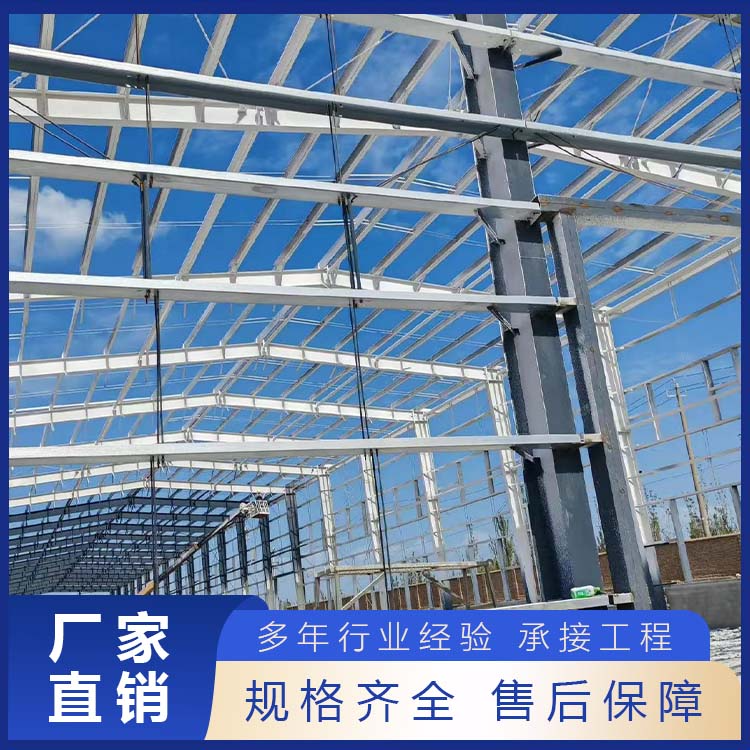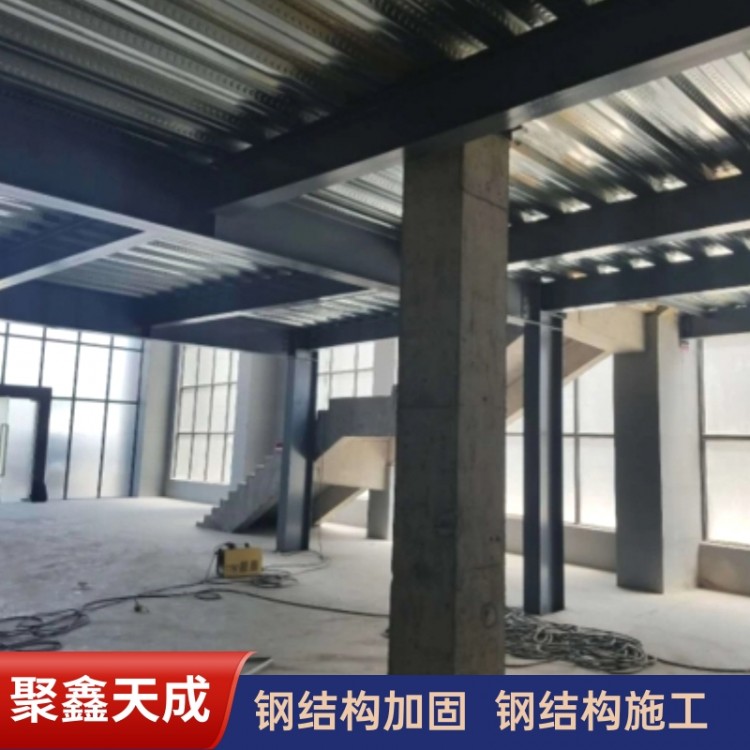









Primary methods for reinforcing steel structures include:
Reduce load, alter calculation figures, increase the cross-sectional area and connection strength of original structural components, and prevent crack propagation.
When mature experience is available, other reinforcement methods can also be employed. Steel structures requiring reinforcement are generally classified into local reinforcement and full reinforcement based on the extent of damage.
Local reinforcementStrengthening is performed on members or connection nodes with insufficient bearing capacity, including methods such as increasing the cross-sectional area of the member, reducing the free length of the member, and reinforcing the connection nodes.
ReinforcedThe reinforcement of the overall structure is divided into two types: one that does not alter the static force calculation diagram of the structure and another that does.
Enhance or reinforce the support systemIt is also an effective method for reinforcing the structural system.
Increasing the reinforcement of the original component cross-section is a method that is material-intensive and labor-intensive (but often a feasible method); altering the calculation diagrams is effective and diverse, and the cost is significantly reduced.
Before determining the reinforcement plan, the following information should be collected:
(1) As-built drawings of the original structure (including change drawings) and acceptance records.
(2) Copy of the original steel material report or on-site material inspection report.
(3) Record of existing structural component fabrication and installation acceptance.
(4) Original structural design calculation documents.
(5) Inspection Report on Structural or Component Damage.
(6) Data on existing actual load and newly added load after reinforcement.
Section II: Major Factors Leading to Steel Structure Damage and Reinforcement Techniques
2.1 Key factors causing damage to steel structures include:
(1) Insufficient structural bearing capacity due to load variations, prolonged service, and changes in standards and regulations.
(2) Components may deform, twist, become damaged, or凹in due to various accidents, resulting in reduced cross-sections, bending of rods, cracking of joints, etc.
(3) Deformation, cracking, and warping of components or connections due to temperature differences.
(4) Corrosion due to chemical侵蚀 and electrochemical corrosion weaken the cross-section of steel structural members.
(5) Other includes design, production, construction errors, as well as improper use and operation during service. Source: Steel Structure Alliance
2.2 There are mainly three types of reinforcement techniques for steel structures:
(1) Section Reinforcement Method: Reinforce with steel locally or along the entire length of the member, connecting them to form an integrated unit that bears the load collectively.
(2) Modify Calculation Diagram: Add auxiliary supports, adjust load distribution, reduce internal force levels, impose forced displacement on the supports of statically indeterminate structures, and decrease stress peaks.
(3) Prestressed Tendon Method: Utilizes high-strength tendons to reinforce the vulnerable parts of a structure or enhance its overall bearing capacity, rigidity, and stability.
2.3 Characteristics of Traditional Steel Structure Reinforcement Methods
Welded steel structure reinforcement
During welding reinforcement, the rapid heating and cooling process at the local area causes the welding zone, constrained by the surrounding workpieces, to be unable to expand or contract freely. After cooling, welding stresses and deformations are produced within the welded parts; the high temperature action degrades the structure and properties of the welding area. Moreover, weld seams inevitably have defects, leading to new cracks; residual stresses within the welding structure may combine with other forces, potentially causing cracking. Welding forms a continuous whole of the structure. Once a crack becomes unstable and expands, it may break all the way through, triggering major accidents.
Steel-to-Steel Structural Reinforcement
The steel plate is bonded to the reinforced area using structural adhesive, relying on the adhesive to join them together and share the load, thereby enhancing the structural load-bearing capacity.
Adhesive reinforcement technology offers distinct advantages: (1) It boasts higher strength-to-weight and stiffness-to-weight ratios, with minimal increase in the original structure's weight and dimensions after reinforcement; (2) The composite materials exhibit excellent fatigue resistance and corrosion resistance; (3) The flexible composites provide particular advantages for the surfaces of reinforced structures with any enclosed shape or complex geometry; good sealing properties reduce the risk of leakage and even corrosion; (4) It is simple, cost-effective, and efficient, allowing for construction in confined spaces and is particularly suitable for on-site repairs; (5) No open flame is required during the construction process, making it suitable for various special environments.
Disadvantages of adhesive reinforcement technology: In research on the shear bearing capacity of steel-plate bonded to flexural members, it was found that during further loading, the bonded steel plate exhibited glass-like phenomena, leading to a decrease in the ultimate limit bearing capacity.
Ensure the steel reinforced steel plate does not delaminate; further research is required to provide reasonable construction measures.
Bolted steel frame reinforcement
It requires creating holes near the damaged area, which weakens the cross-section and creates a new stress concentration zone, causing the original bolts to loosen and diminishing the effectiveness of the structural repair. Standard bolts are prone to loosening under dynamic loads, while high-strength bolts are susceptible to stress relaxation, further reducing the repair's impact on the structure.These several methods of reinforcing high-level steel structures, in addition to the aforementioned defects, share a common drawback: the basic material chosen for reinforcing steel structures tends to be steel. This can add excessive structural weight during reinforcement, and steel plates are not easily cut into the required shapes for reinforcement, making installation and transportation more difficult. Post-reinforcement, anti-corrosion treatment of the steel is necessary to prevent rust from adversely affecting the structural adhesive. Additionally, maintenance is labor-intensive and costly.
3. Advantages of Prestressed Reinforcement Steel Structure Technology
Reinforcement work can be carried out without disassembly or shutdown.
Applying pre-stress can directly reduce deformation, quickly eliminate excessive stresses and internal force peaks.
Compared to non-prestressed methods, it eliminates stress relaxation, optimally utilizes the high-strength properties, and enhances reinforcement efficiency.
By combining reliable anchoring, the peel stress at the bonding interface can be reduced, preventing overall delamination and enhancing the reliability of reinforcement.
Reduce reinforcement costs and operating expenses.