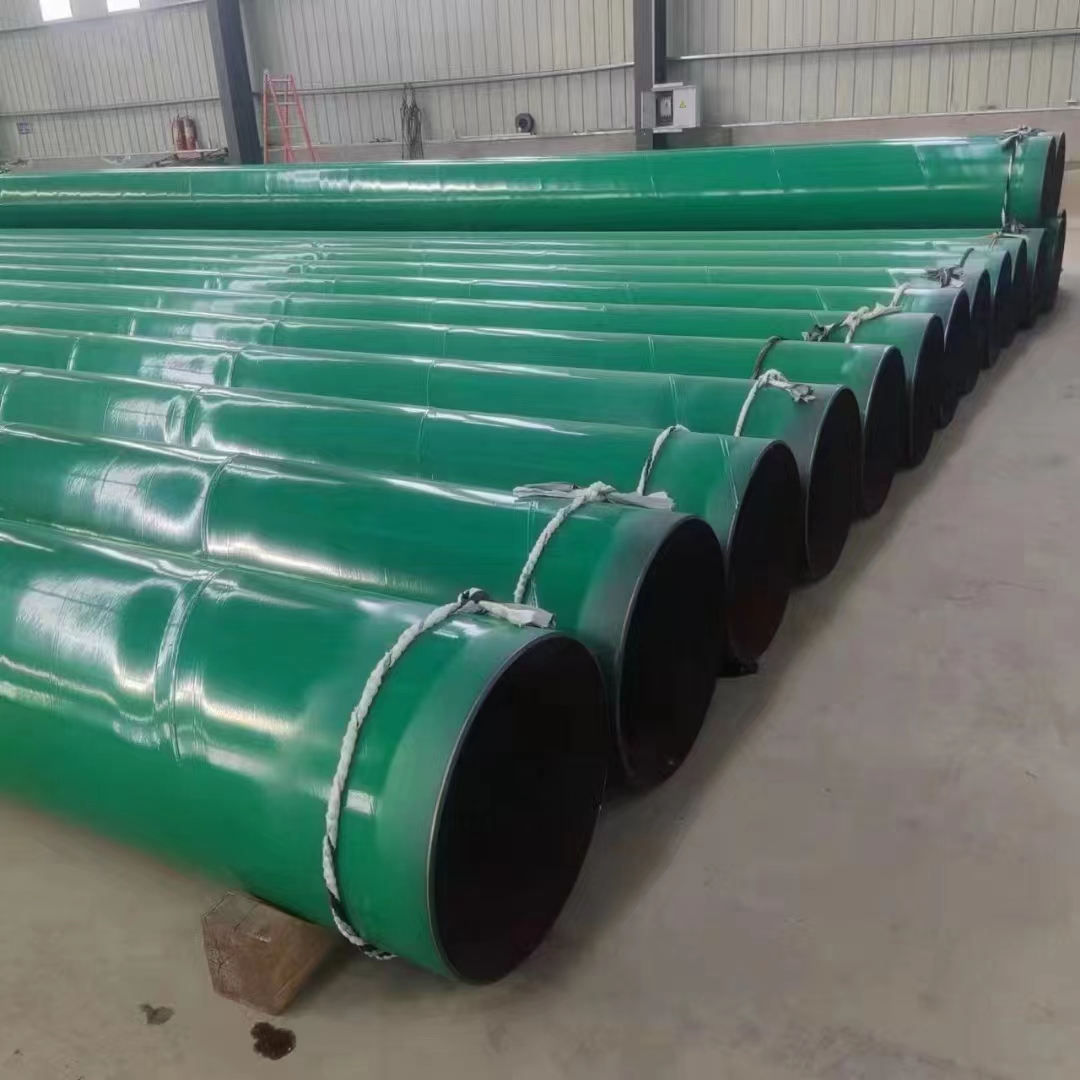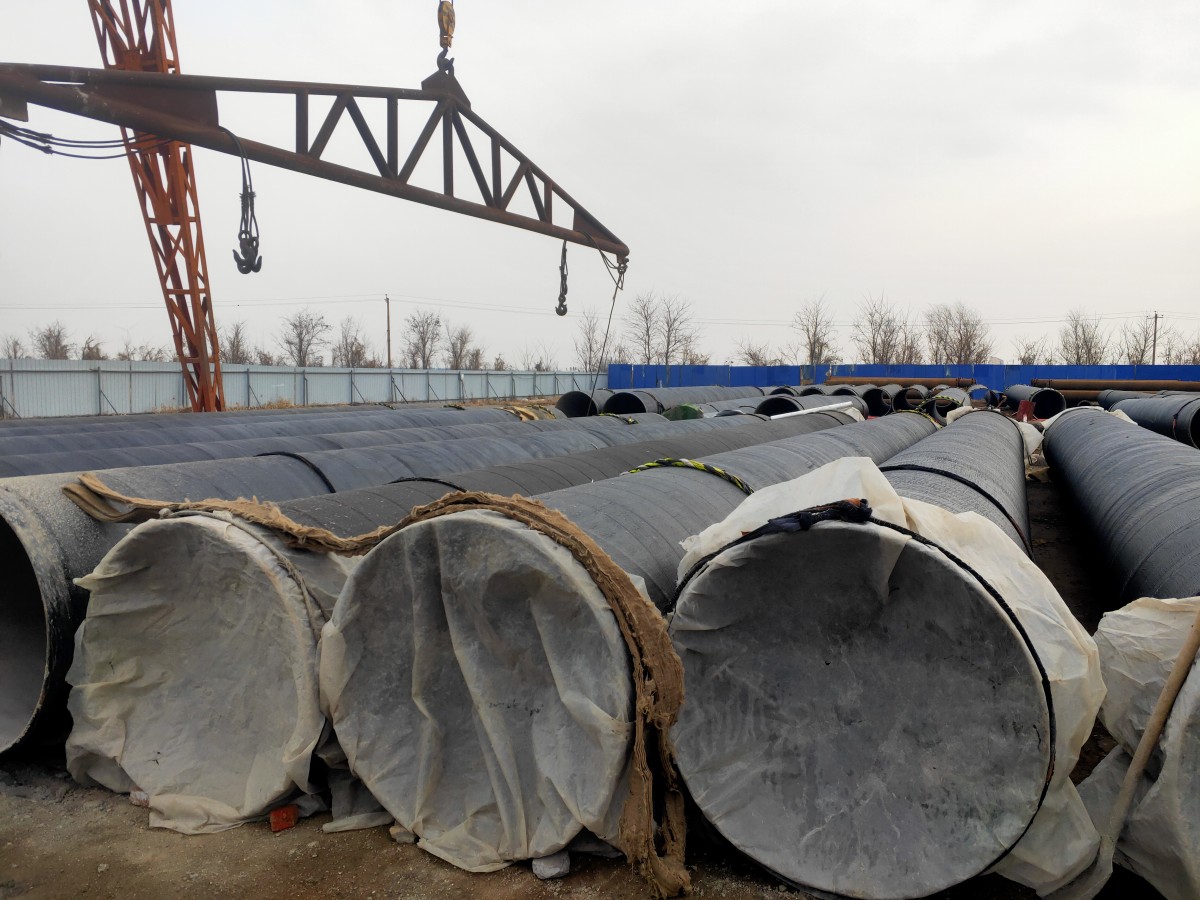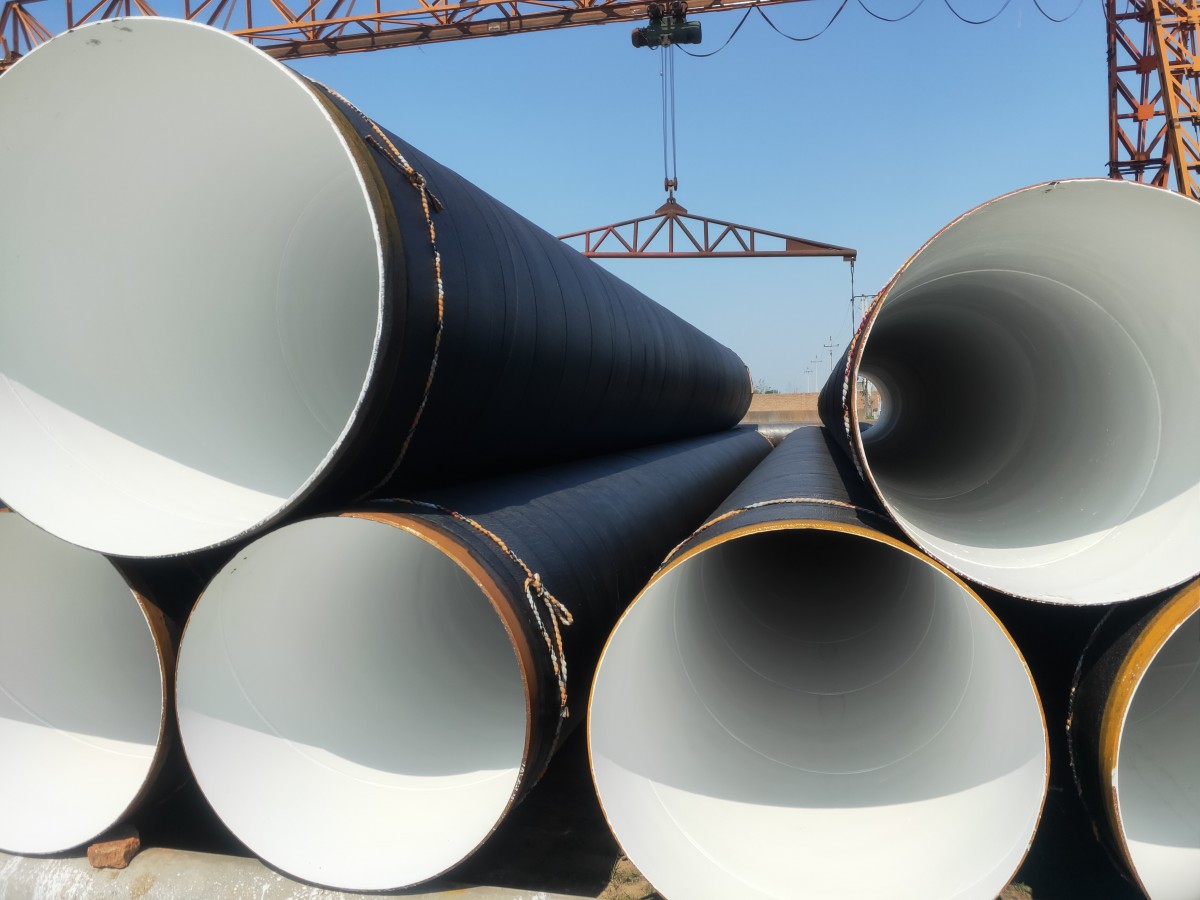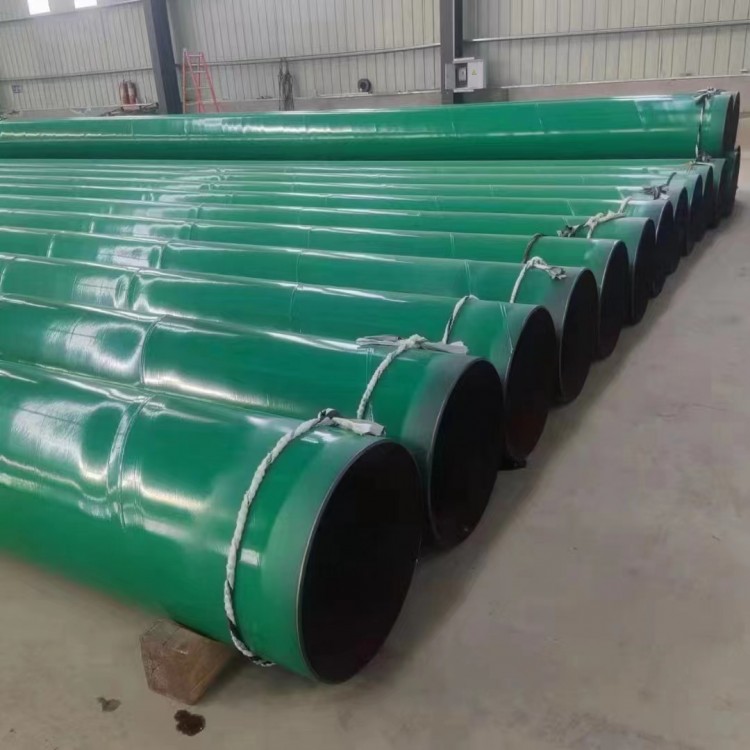

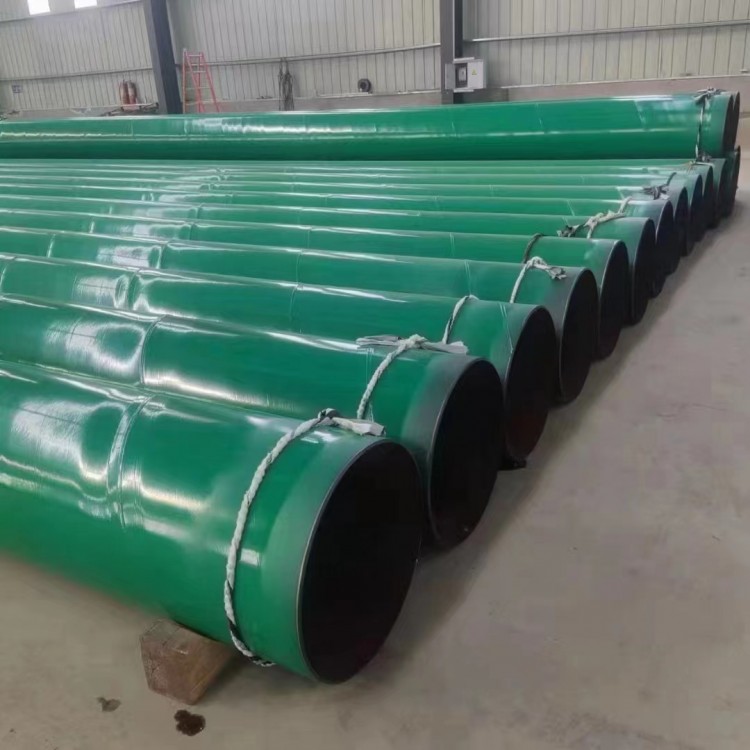
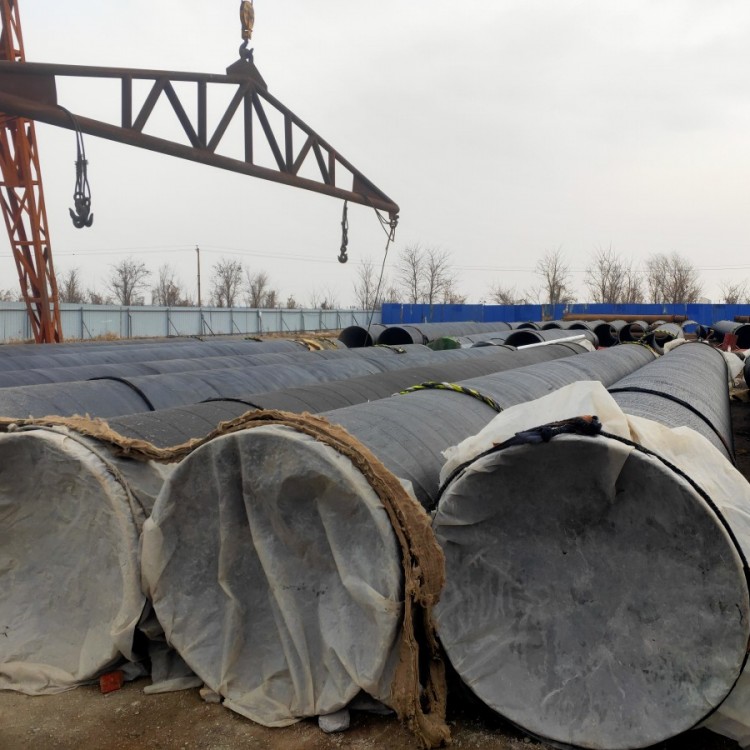
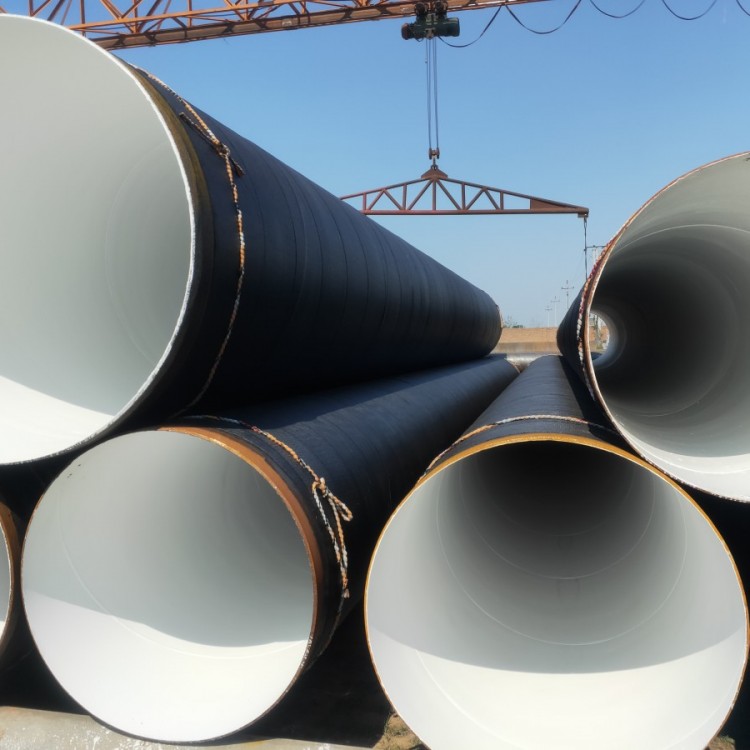












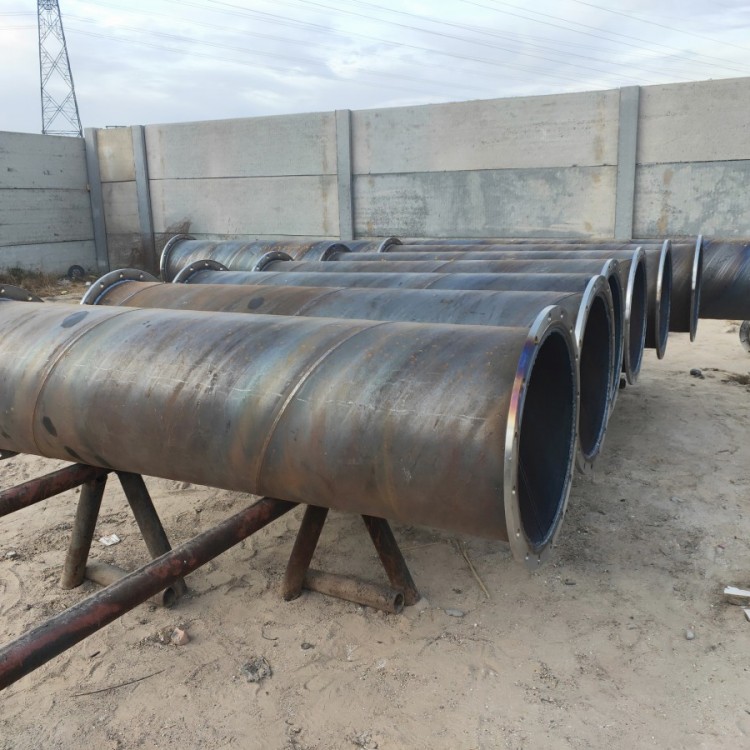
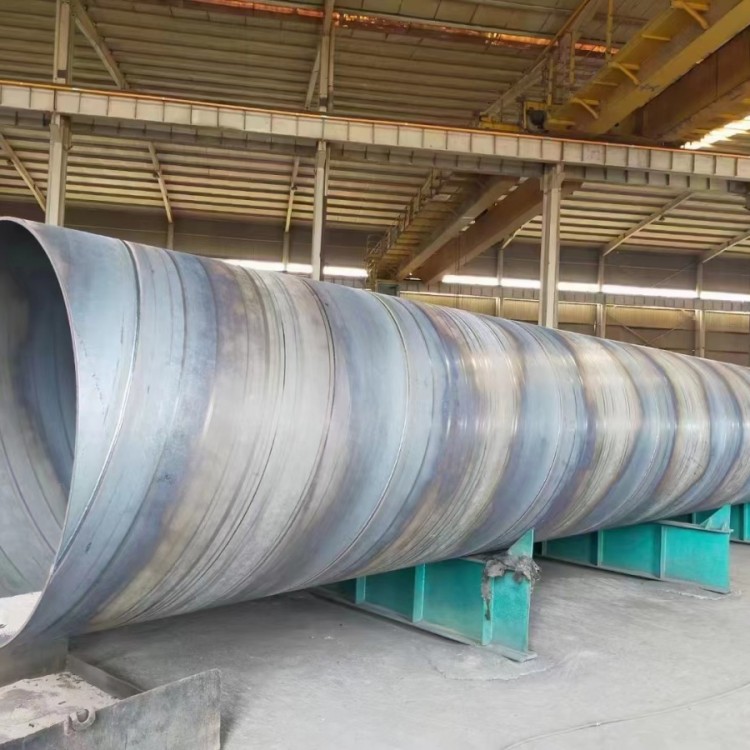
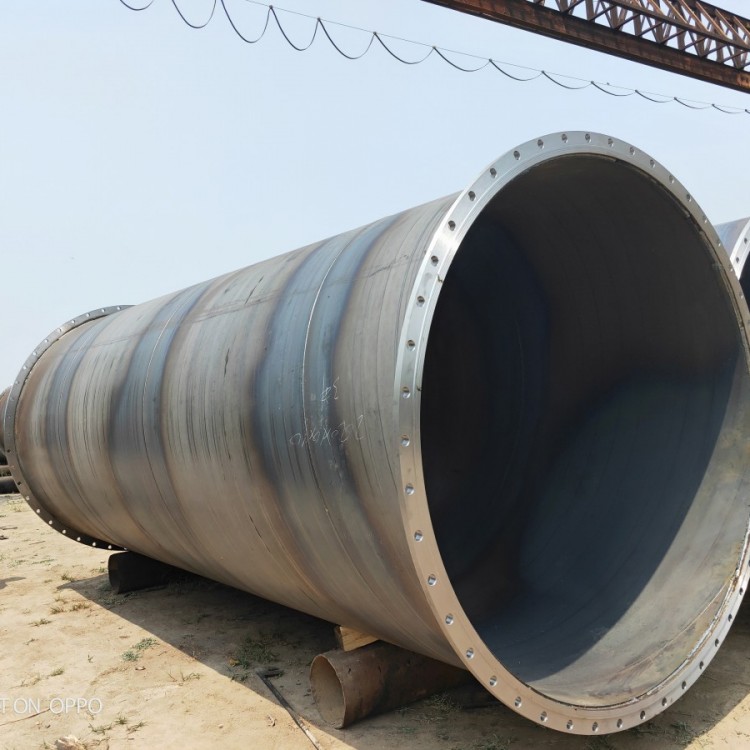
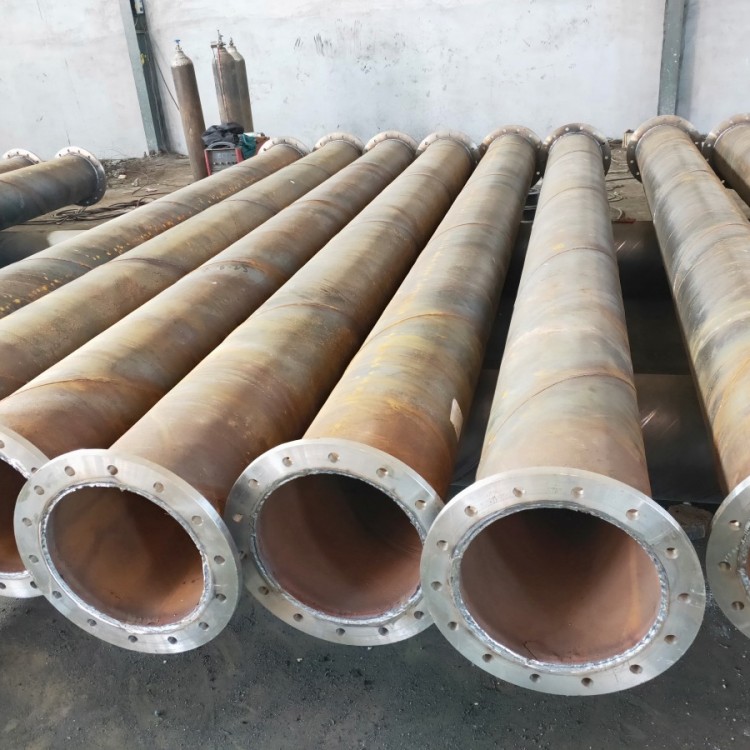
Heliarc steel pipes are spiral seam steel tubes made by rolling steel coils, formed through warm extrusion, and then welded using the automatic double-sided double-thread submerged arc welding process. The steel coil is fed into the welding pipe unit, where it passes through multiple roller rolls, gradually rolling into a circular billet with an open gap. The downward pressure of the extrusion roller is adjusted to control the weld gap between 1~3mm, ensuring the ends of the weld are flush.
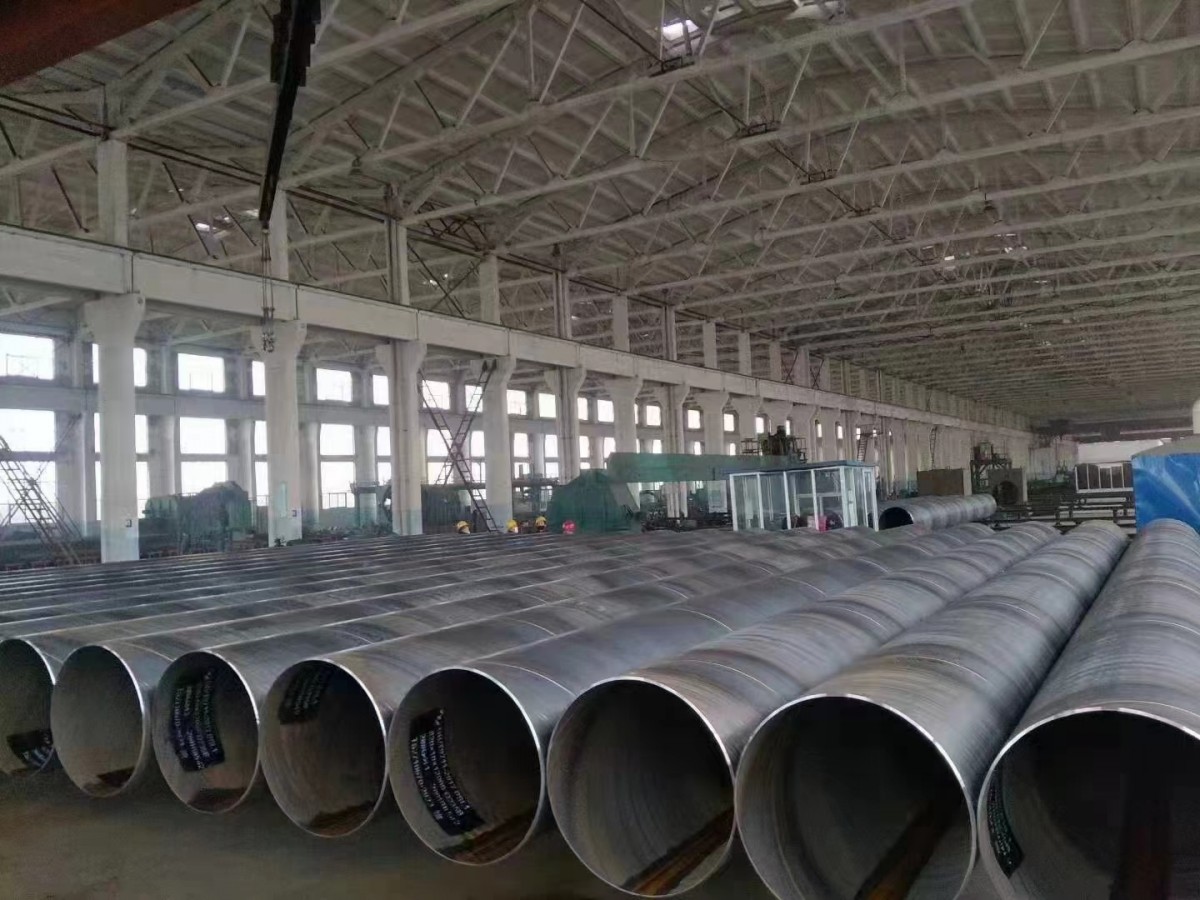
Standard Category:
Pressure fluid transportation, using spiral seam submerged arc焊接 steel pipes SY5036-2000, mainly for oil and natural gas pipeline transportation.
SY5038-2000 Spiral Seam High-Frequency Welded Steel Pipe for Pressure Fluid Transmission, welded by high-frequency butt welding method, suitable for pressure fluid transmission. The steel pipe has strong pressure-bearing capacity, good plasticity, and is easy to weld and shape.
General low-pressure fluid transportation uses spiral-welded submerged arc steel pipes according to SY5037-2000, manufactured by double-sided automatic submerged arc welding or single-sided welding for submerged arc steel pipes used in the transportation of water, gas, air, steam, and other general low-pressure fluids.
Common standards for spiral steel pipes generally include: SY/T5037-2008 (industry standard, also known as Spiral Seam Submerged Arc Welded Steel Pipe for General Fluid Transportation), GB/T9711.1-2008 (national standard, also known as Technical Conditions for Delivery of Steel Pipes for Petroleum and Natural Gas Industry Transportation, Grade A steel pipes; for stricter requirements, refer to GB/T9711.2 for Grade B steel pipes), API-5L (American Petroleum Institute, also known as Line Pipe; divided into two levels: PSL1 and PSL2), and SY/T5040-2008 (Spiral Seam Welded Steel Pipe for Piling).
SY/T5037-2008 is a standard set by the Ministry of Petroleum, commonly referred to as the Ministry Standard.
GB/T9711.1-2008 National Spiral Steel Pipe, A Grade for Oil and Gas Industry Transportation.
Based on the quality inspection results of spiral steel pipes, they are typically categorized into three types: qualified products, repaired products, and scrap. Qualified products refer to spiral steel pipes that meet the relevant standards or delivery acceptance technical conditions in terms of both appearance and inherent quality; repaired products are those that do not fully meet the standards and acceptance criteria in appearance and inherent quality but are allowed for repair, and can reach the standards and acceptance criteria after repair; scrap refers to spiral steel pipes that are not up to the required standards in both appearance and inherent quality, and are not permitted for repair or still fail to meet the standards and acceptance criteria after repair.
Scrap is divided into two types: internal and external. Internal scrap refers to waste spiral steel pipes found within the foundry or casting workshop; external scrap refers to waste spiral steel pipes discovered after delivery, usually revealed during mechanical processing, heat treatment, or use, causing much greater economic losses than internal scrap. To minimize external scrap, it is advisable for spiral steel pipes produced in batches to undergo trial heat treatment and rough processing before shipment. This helps identify potential defects in spiral steel pipes within the factory, allowing for timely remedial measures.
We sell not just steel pipes, but also service! Welcome new and old customers to call for inquiries. The company is committed to win-win cooperation with you, creating brilliance together!