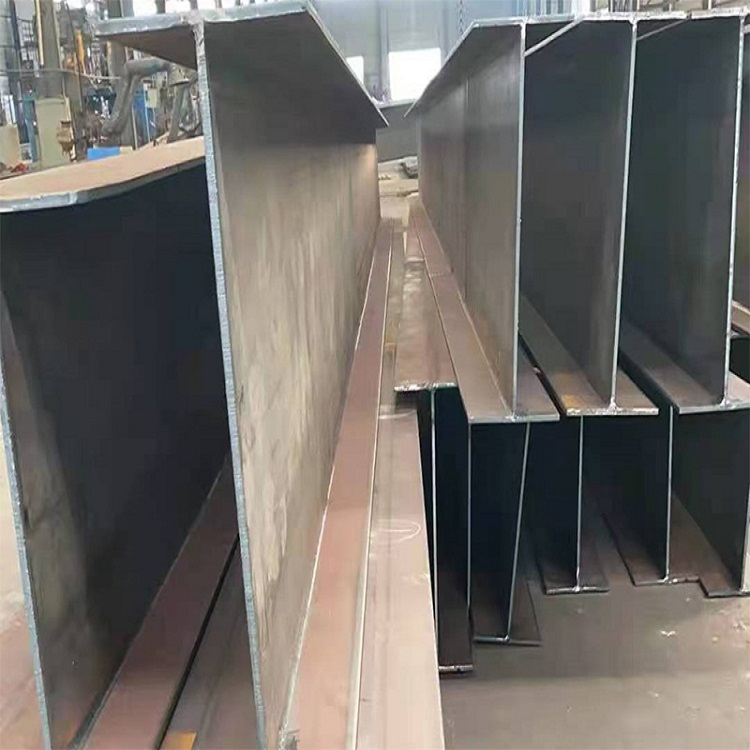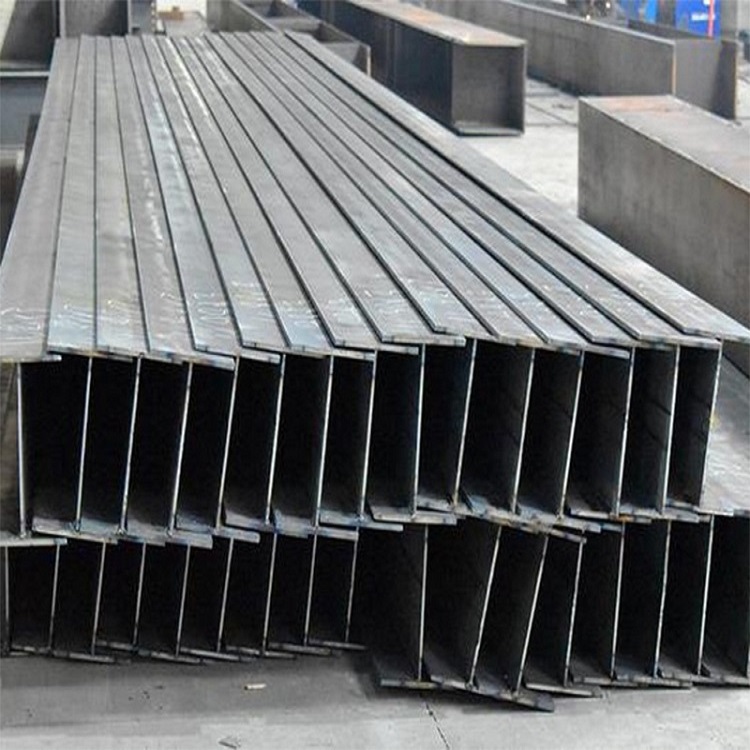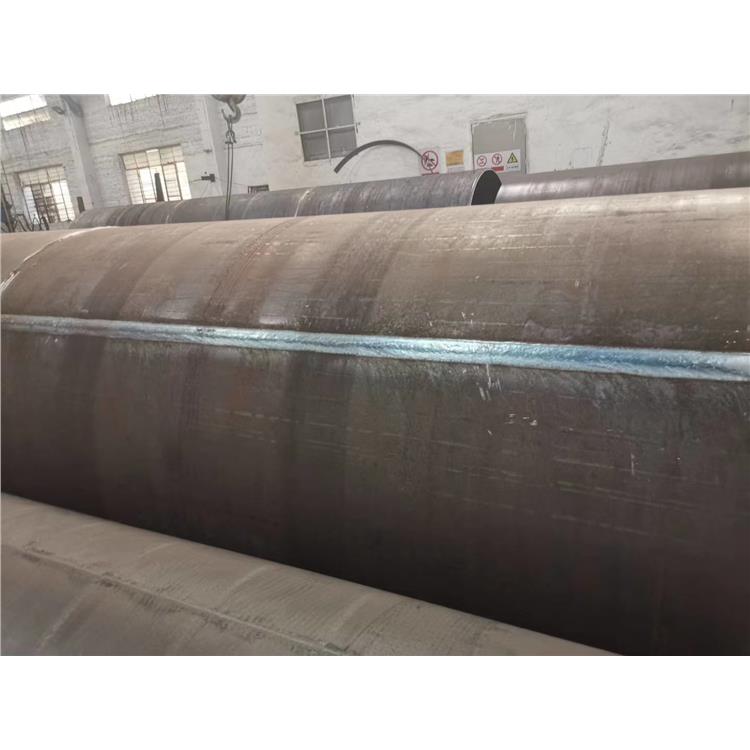


Welded steel pipes refer to pipes that are formed by bending and deforming steel strips or plates into circular, square, or other shapes and then welded together, featuring a seam on the surface. The raw material used for welded steel pipes is steel plates or strips.
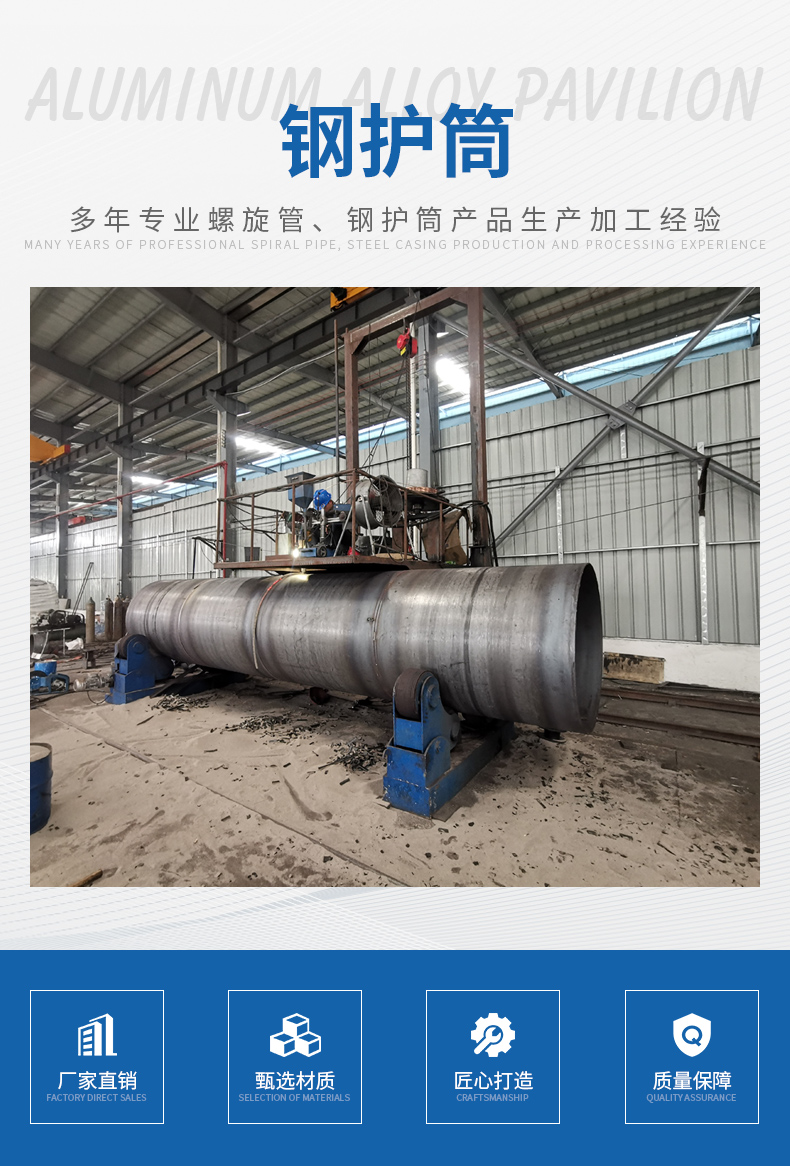
Advantages of Welded Steel Pipes:
1. Welded steel pipes enhance material efficiency, streamline the manufacturing process, and save on steel and processing time. They can be processed into welded, bent, and rolled edges.
2. Welded steel pipes feature high precision, uniform wall thickness, and bright inner and outer surfaces.
3. Due to the fact that the weight of the welded pipe is only 1/5 of that of the square steel, it is much lighter.
4. Welded steel pipes feature corrosion resistance, acid resistance, alkali resistance, salt resistance, atmospheric corrosion resistance, impact resistance, and high-temperature resistance.
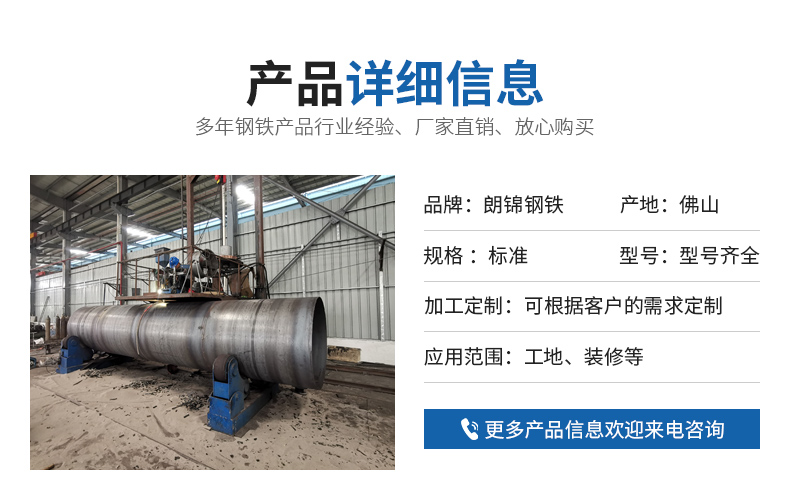
Since the 1930s, with the rapid development of continuous rolling steel production and advancements in welding and inspection technologies, the quality of welds has continuously improved. The variety and specifications of welded steel pipes have increased, replacing seamless steel pipes in more and more fields. Welded steel pipes are more cost-effective and have higher production efficiency than seamless steel pipes.

The technology for焊接钢管 is continuous online production. Consequently, the thicker the wall thickness, the higher the investment in the units and welding equipment, and the lower the economic efficiency and practicality of the焊接钢管. Thinner walls will correspondingly reduce the input-output ratio. The product's process determines its advantages. Typically,焊接钢管 exhibit high precision, even wall thickness, and high brightness both inside and outside the pipe (the surface grade of the steel plate determines the surface brightness of the pipe), and can be easily fixed at any desired length.