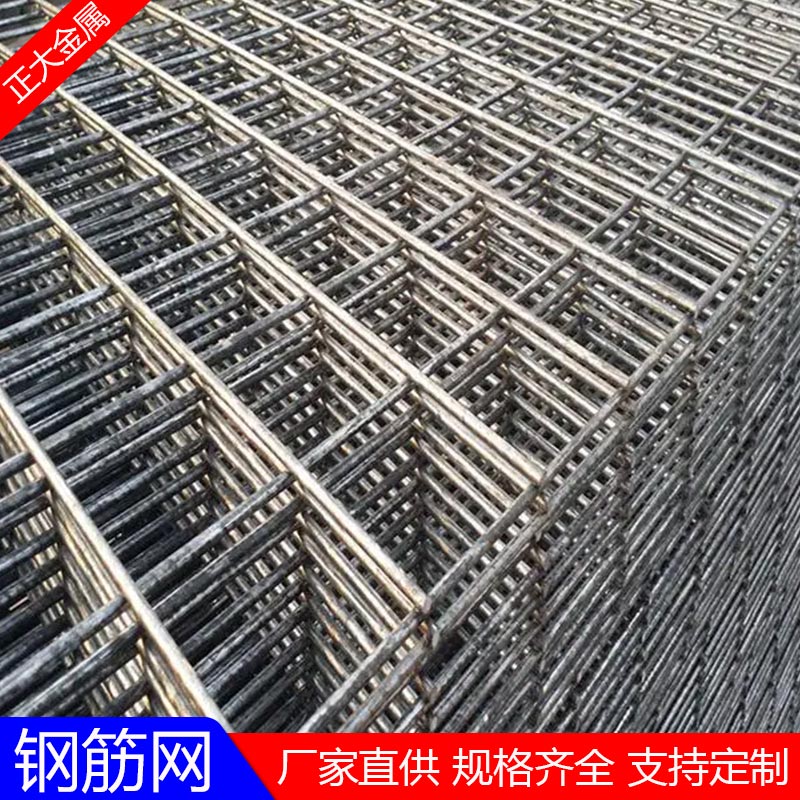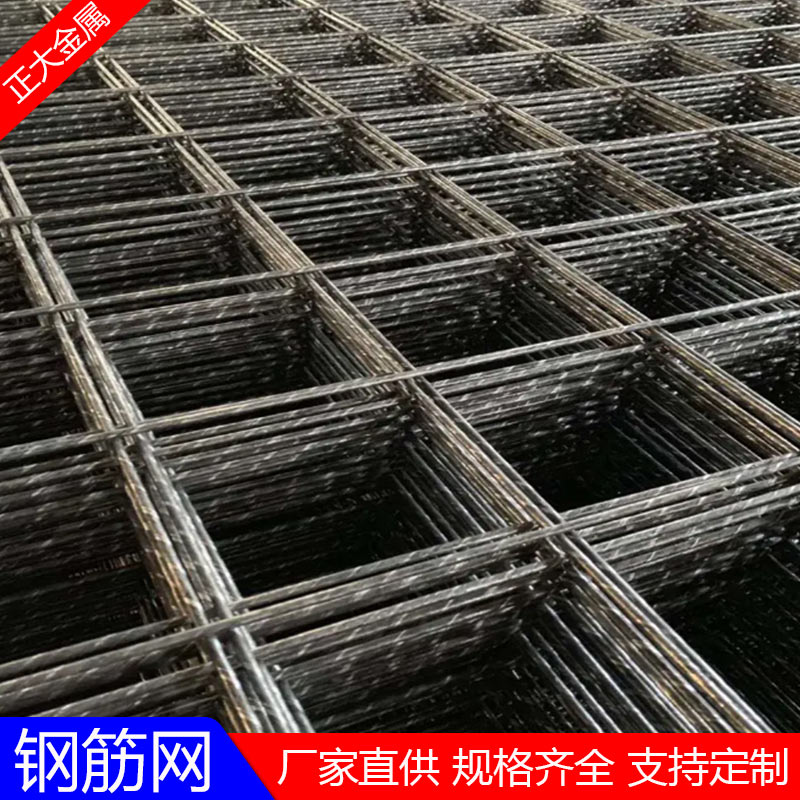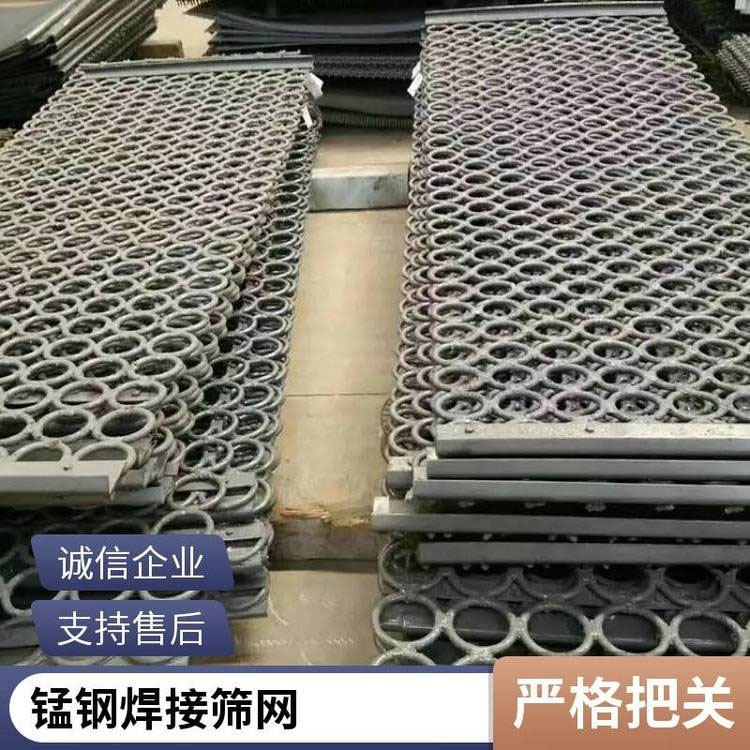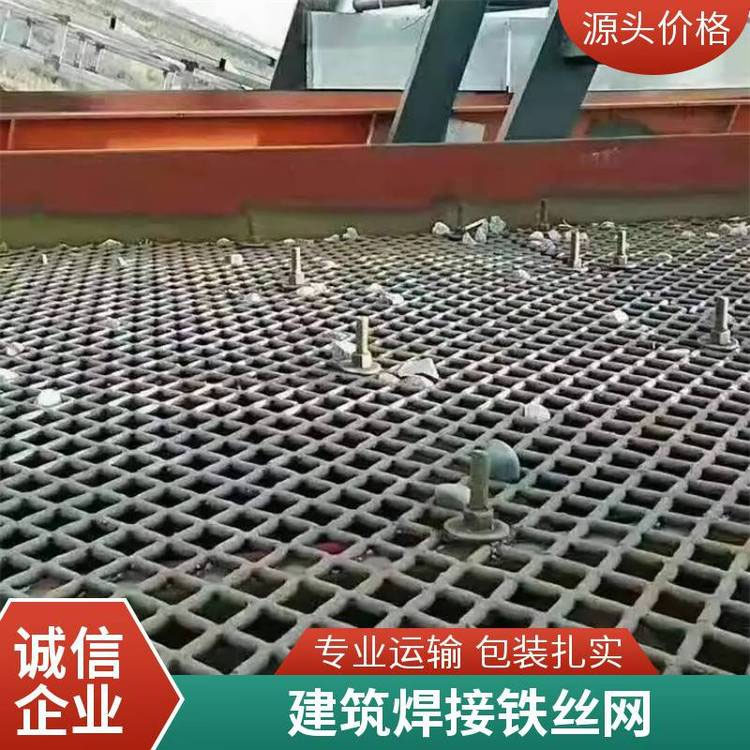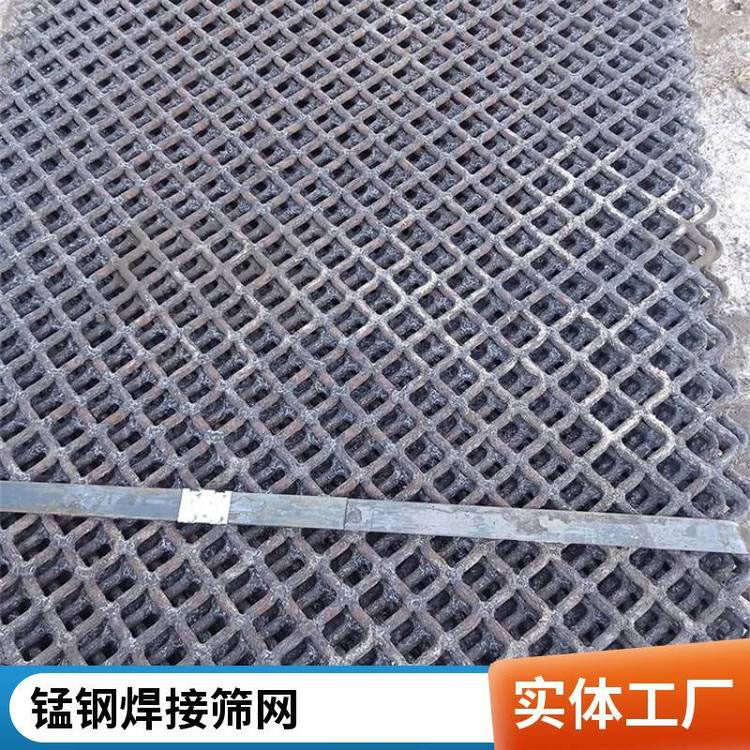

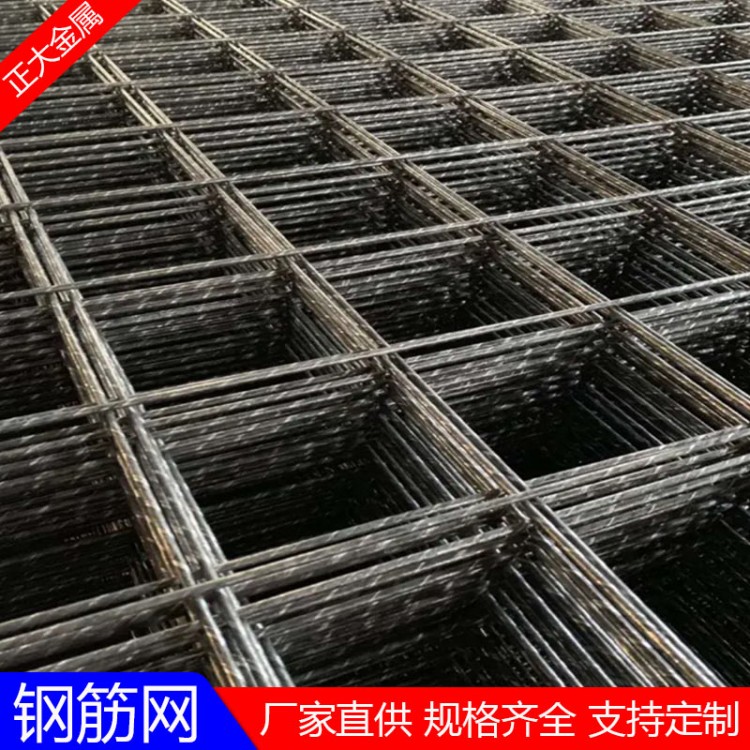


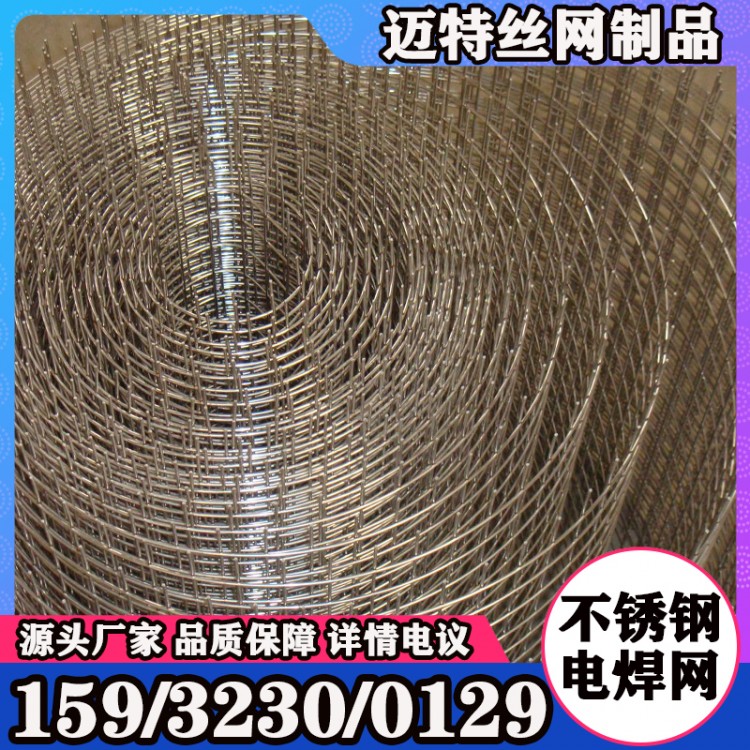


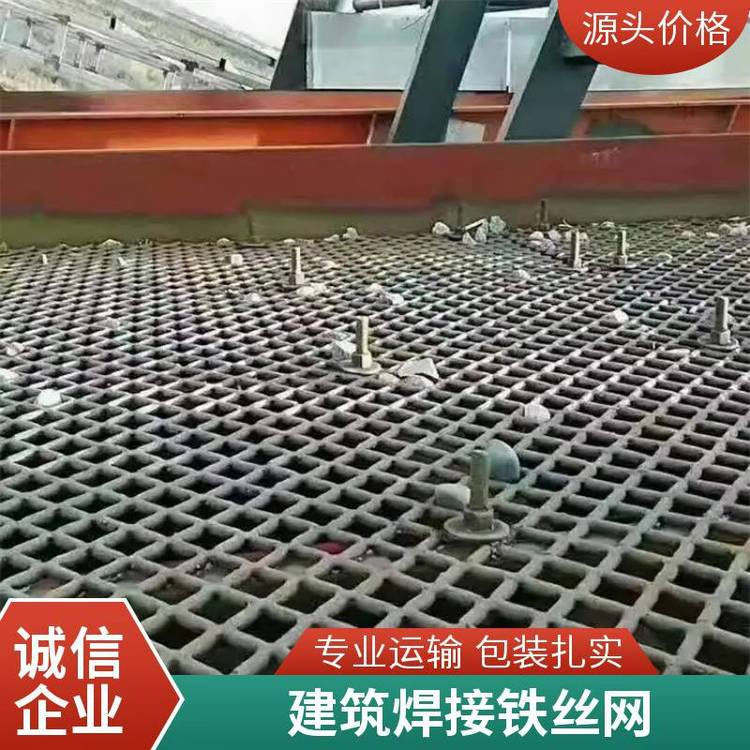
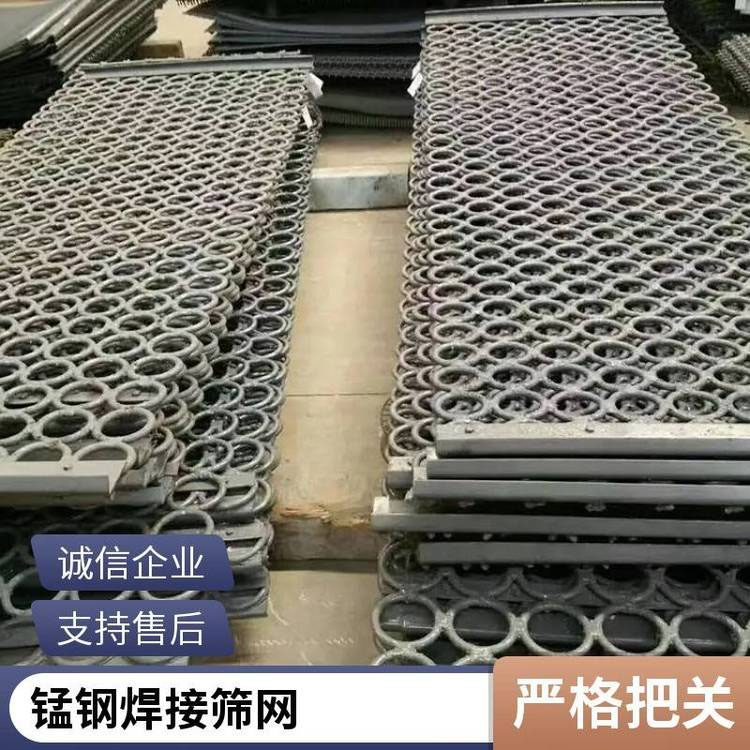







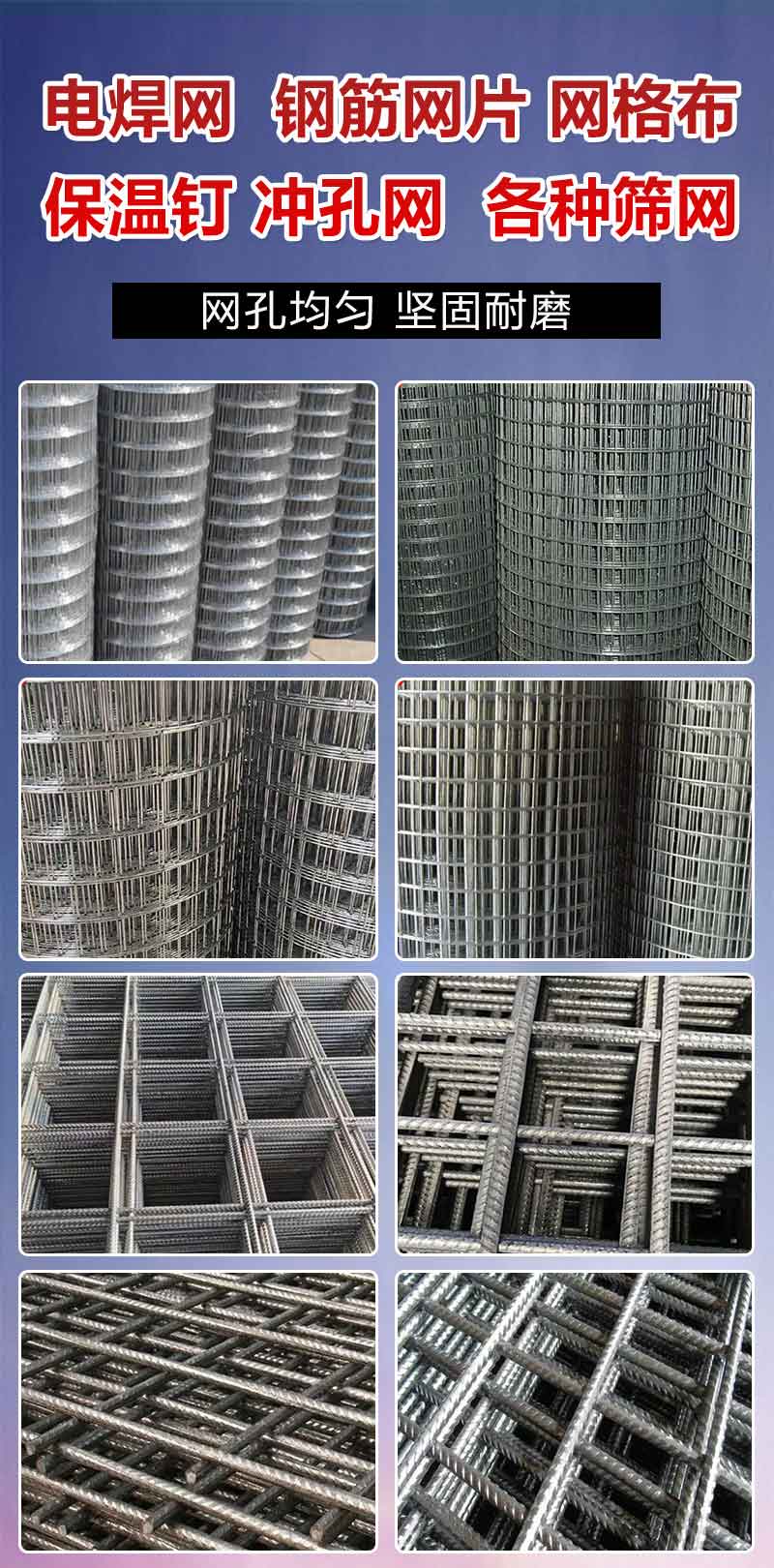
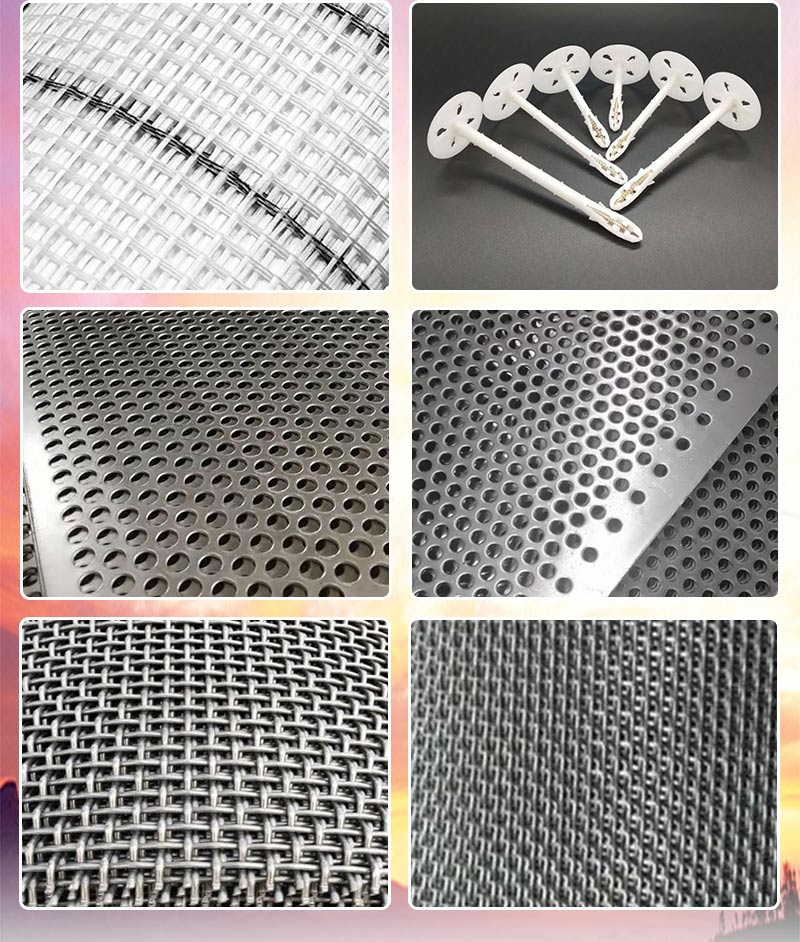
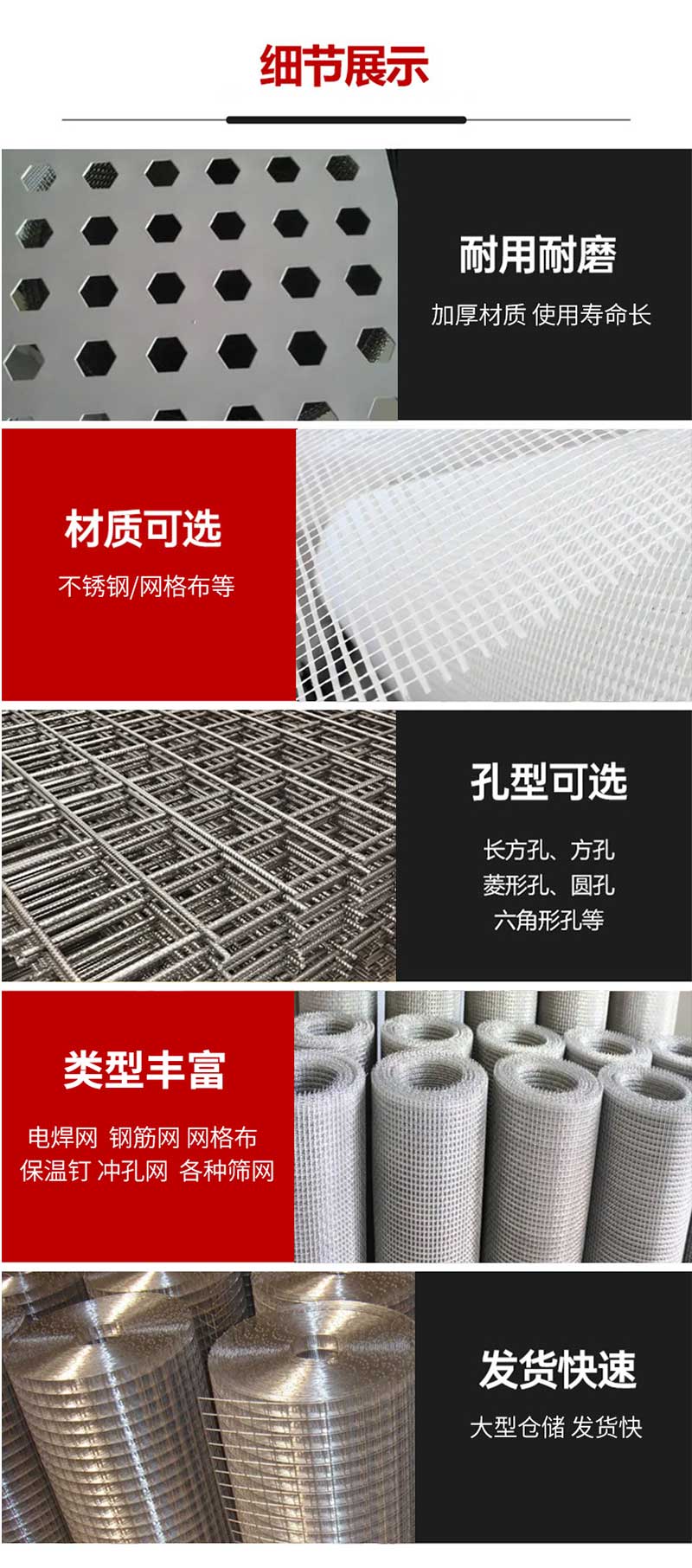
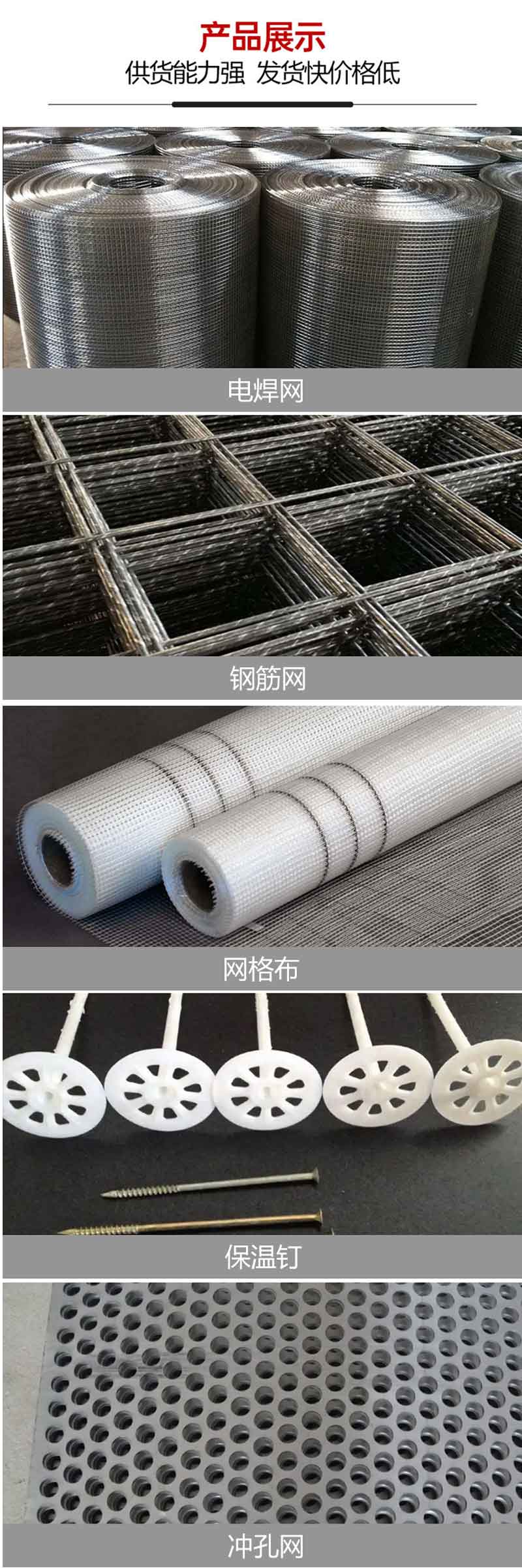

In fact, wholesale of construction steel reinforcement meshes has been applied in many industries. Due to their low cost and ease of installation, they are favored during the construction process. But do you know the specific uses of steel reinforcement meshes? They can significantly reduce the time required for steel installation, by up to 50%-70% less than manual tying. The steel reinforcement meshes have a relatively close spacing between the bars. The longitudinal and transverse steel bars form a mesh structure, with a robust welding effect, which is beneficial for preventing the occurrence and expansion of concrete cracks. Laying steel meshes on roads, floors, and pavements can reduce concrete surface cracks by about 75%. Construction steel reinforcement meshes can act as reinforcement, effectively reducing ground cracks and depressions in Dongying. Customized construction steel reinforcement meshes are widely used in highway and factory workshop hardening. They are mainly suitable for large-scale concrete projects. The mesh size of the steel mesh is very regular, much larger than that of manually tied meshes.
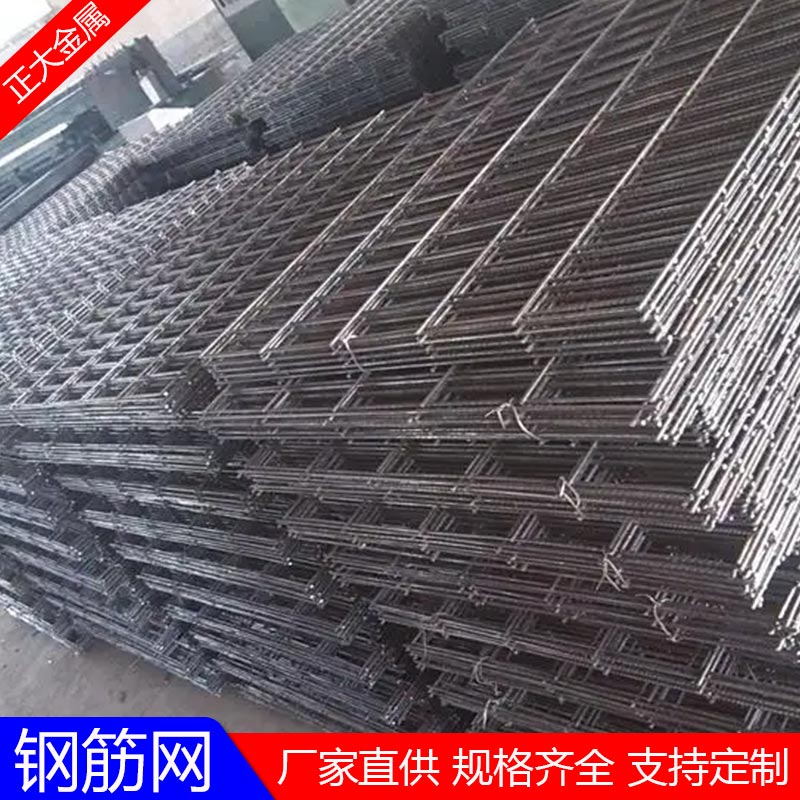

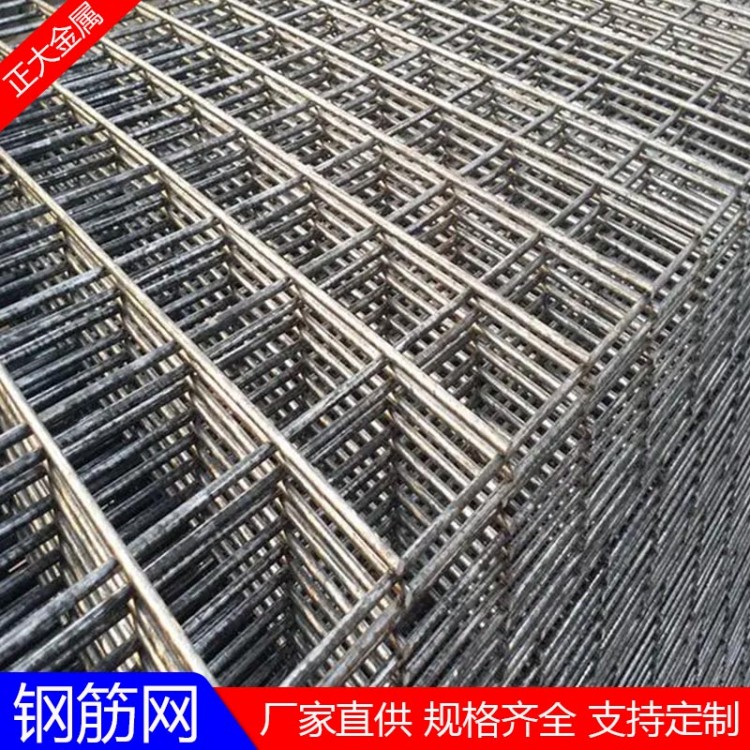
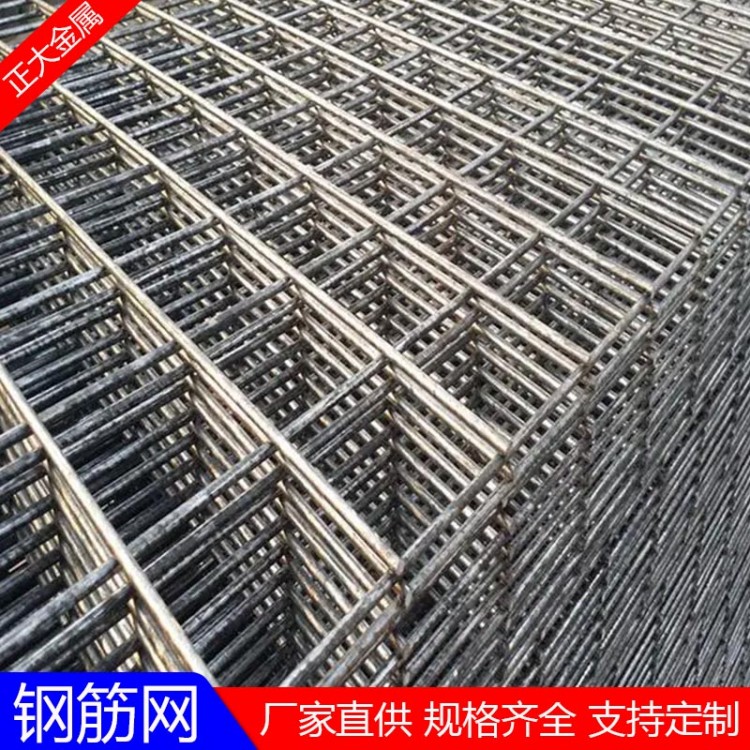
Rebar mesh is a mesh composed of longitudinal and transverse rebars placed at certain intervals and forming right angles to each other, with all intersection points welded together. Prior to the laying of rebar mesh, a design plan for the installation of rebar mesh should be formulated. During the laying of rebar mesh, it is necessary for us to provide on-site installation guidance based on the actual management of the construction site and the deployment of relevant technical personnel.
What should be noted before laying the steel mesh? When the rebars cannot be bent, weld 1-2 fewer rebars at the ends of the welded mesh, and insert both ends into the beam. Use on-site tying instead of the reduced transverse rebars. For construction steel mesh manufacturers, increase the rebars, and tie the welded mesh connected to each node with wire. When the longitudinal rebars are thin, utilize the bending deformation function of the steel mesh to bend the middle of the beam. The overlapping length of the rebars should not be less than 1.3 times the anchoring length la, and the overlapping area should not be less than 200mm. The transverse rebars of each welded mesh should not be less than 1-2, and the spacing between the outer transverse rebars should not be less than 50mm.
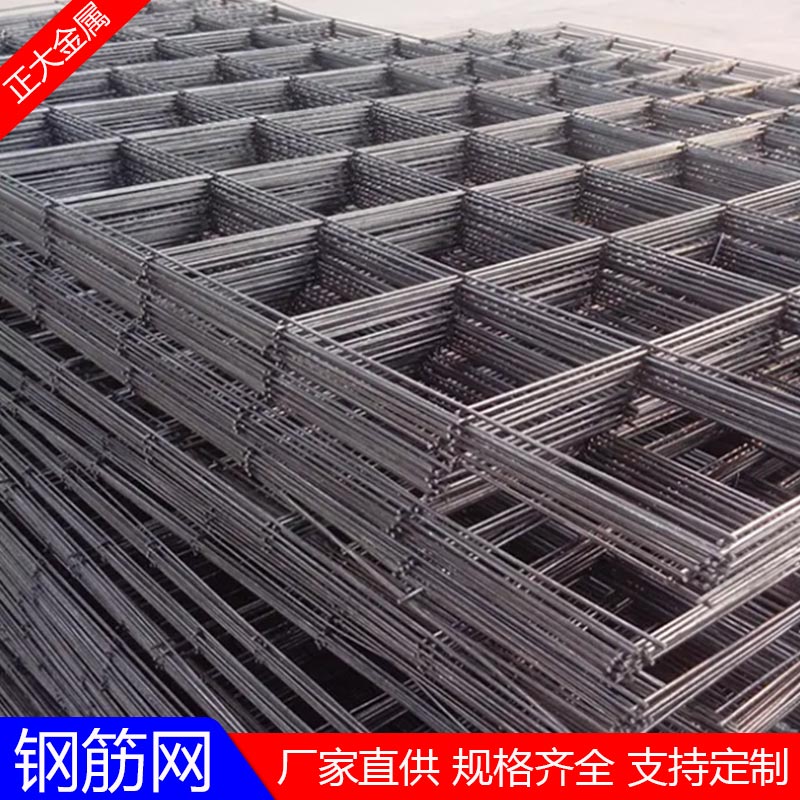
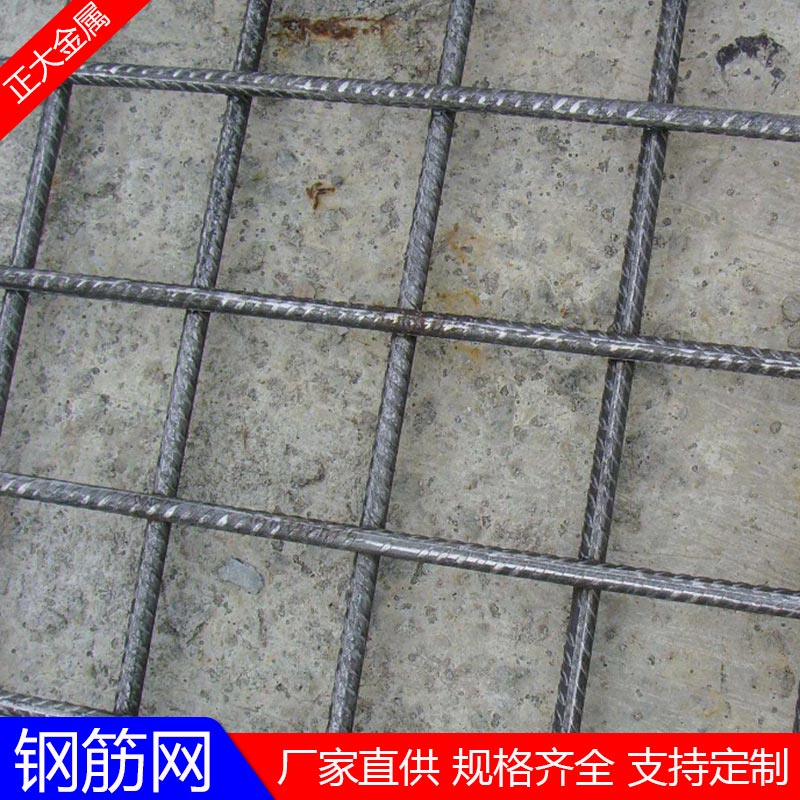

Reinforcing mesh is generally made of CRB550 cold-rolled ribbed steel bars or hot-rolled ribbed steel bars marked under GB1499 regulations. The diameter of the reinforcing mesh ranges from 4 to 14mm, with an allowable increment of 0.5mm in diameter. Considering transportation conditions, the length of the welded mesh should not exceed 12m, and the width should not exceed 3.4m. The distance between the reinforcing steel (or longitudinal steel) in the direction of the welding mesh manufacturing should be 100, 150, or 200mm. The distance for the other direction's steel is typically 100, 150, 200, or 300mm, and occasionally up to 400mm.
When both longitudinal and transverse rebars in the welded wire mesh are single rebars, the nominal diameter of the finer rebars should not be less than 0.6 times the nominal diameter of the thicker rebars, i.e., dmin ≥ 0.6 damx. The shear strength of the weld points in the welded wire mesh (in N) should not be less than the product of 150 and the nominal cross-sectional area of the thicker rebars (in mm²).
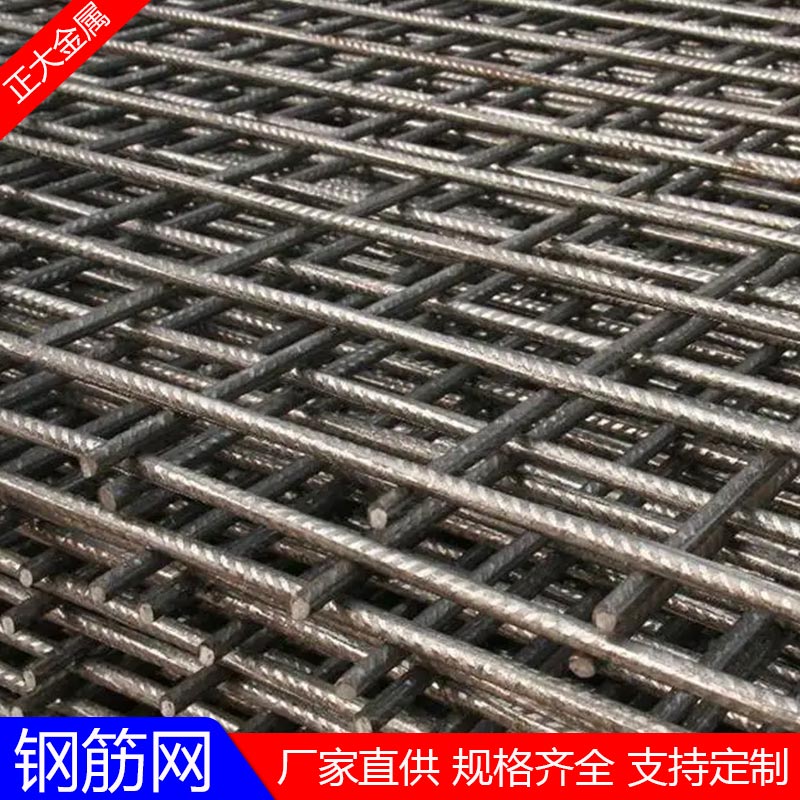

Construction Steel Mesh Manufacturer - Dongying Construction Steel Mesh - Zhengda Metal Sieve offers customization services. Provided by Jinan Zhengda Metal Sieve Manufacturing Co., Ltd., which has dedicated much enthusiasm and passion to the field of metal wire mesh. Jinan Zhengda always focuses on customers, creating value for them, and wins the market with quality and service. We sincerely hope to cooperate with all sectors of society to create success and brilliance together. For related business inquiries, please contact Manager Li.