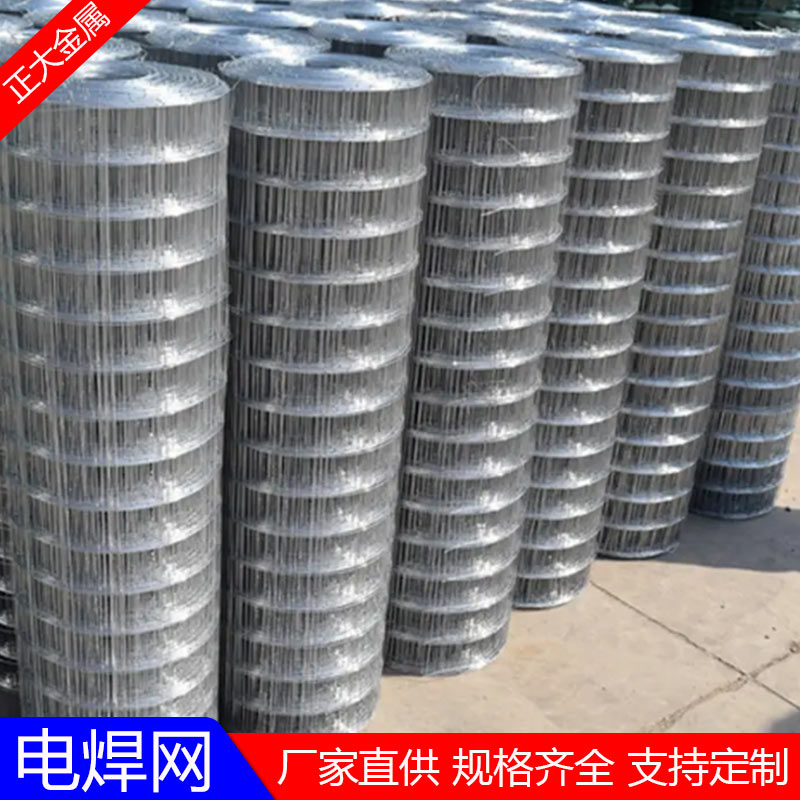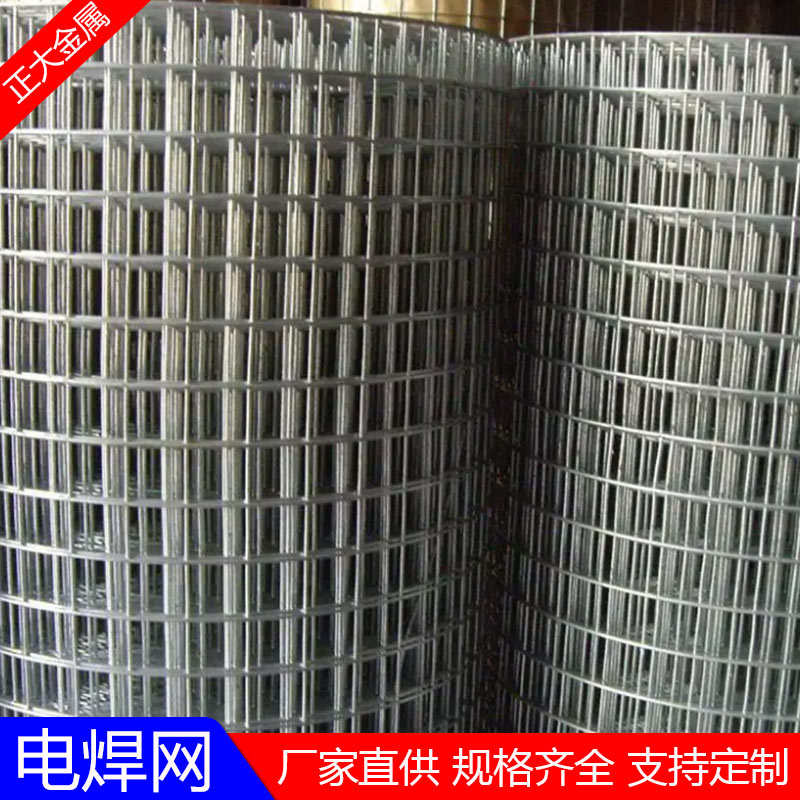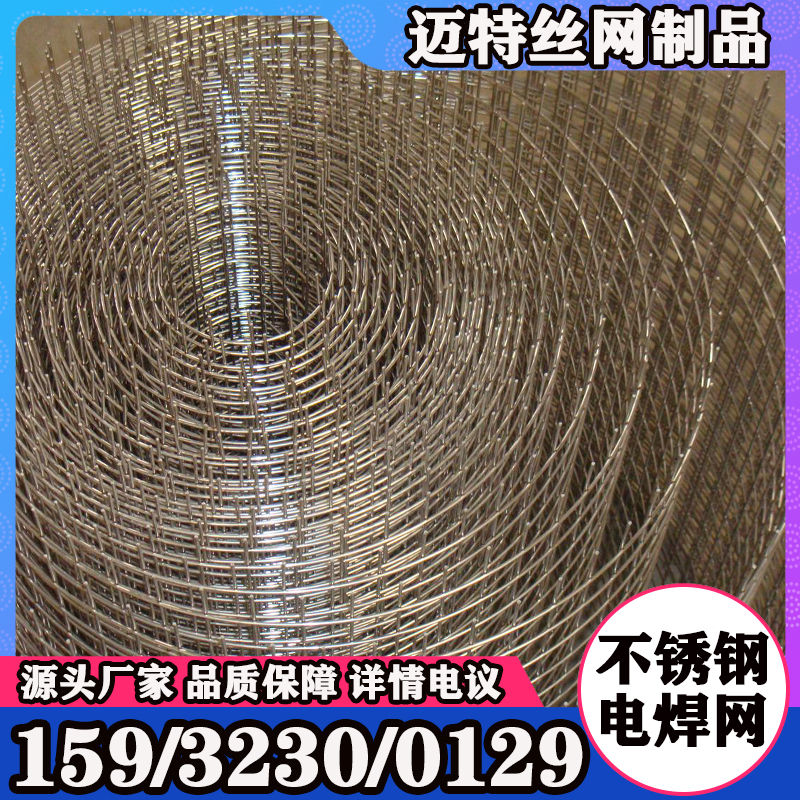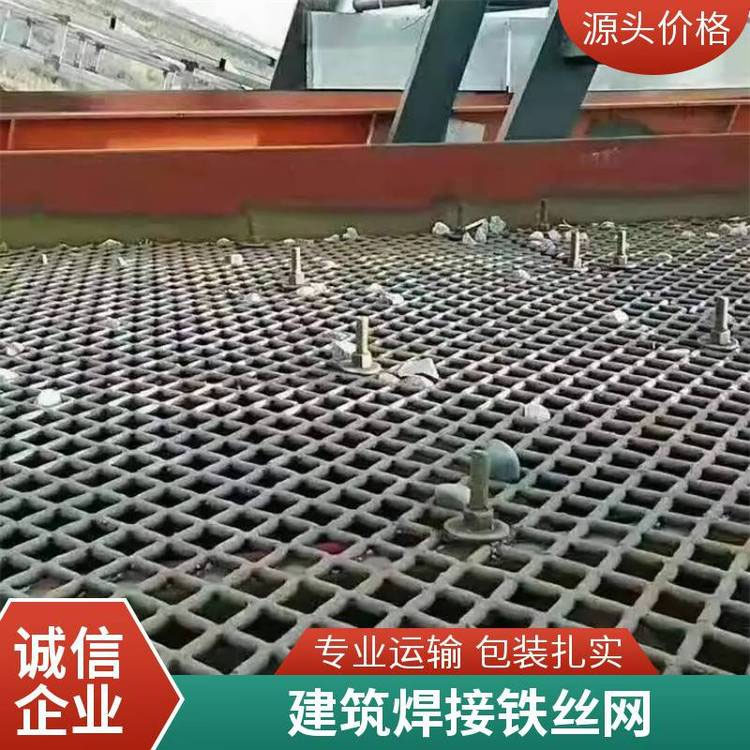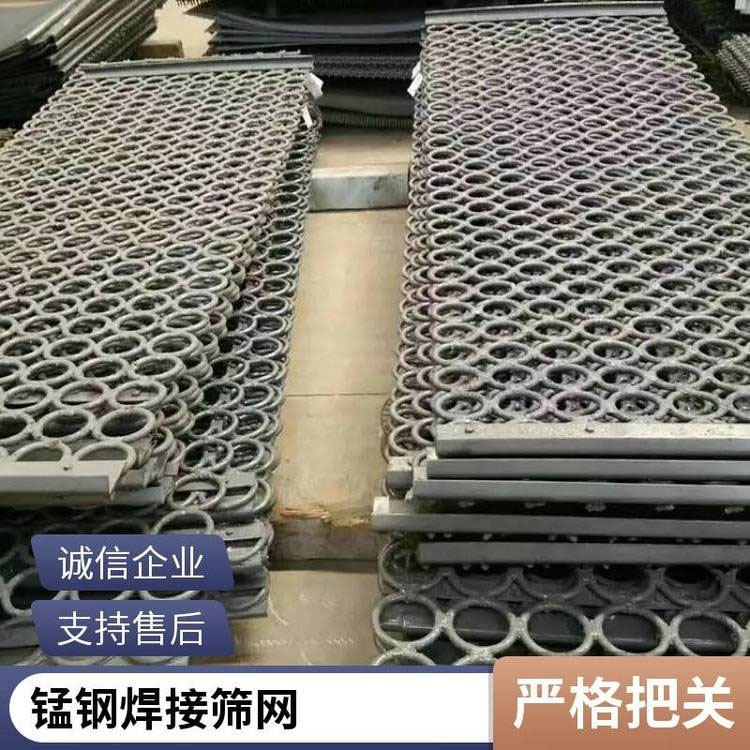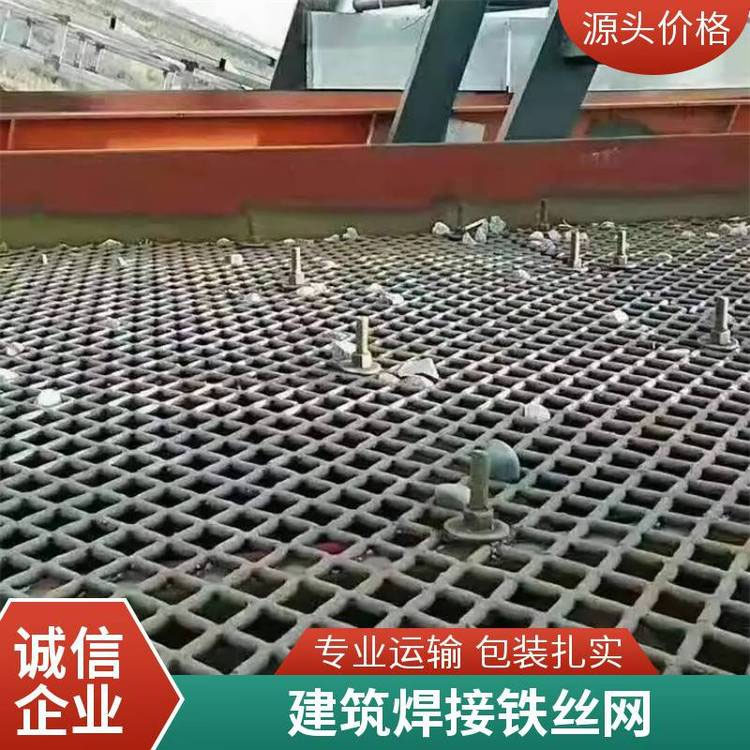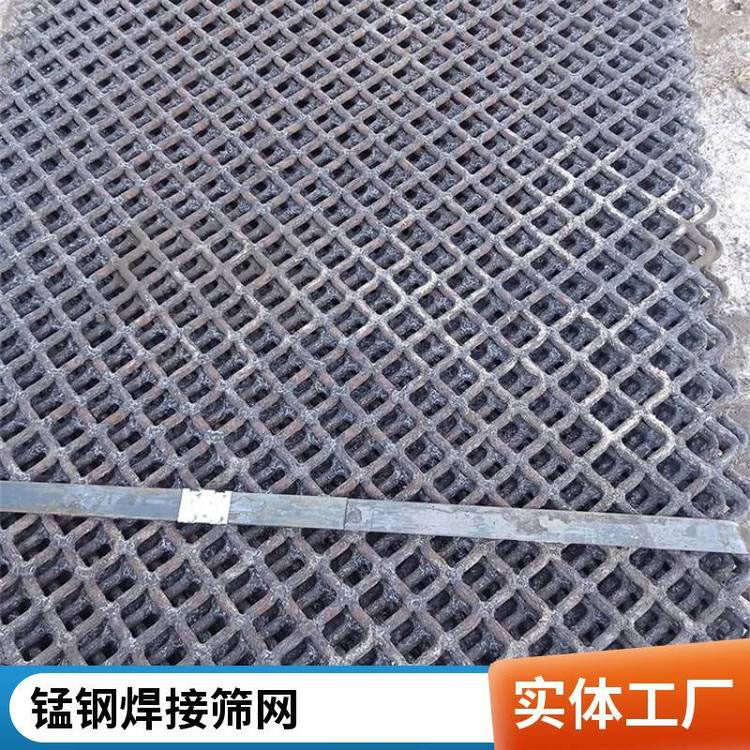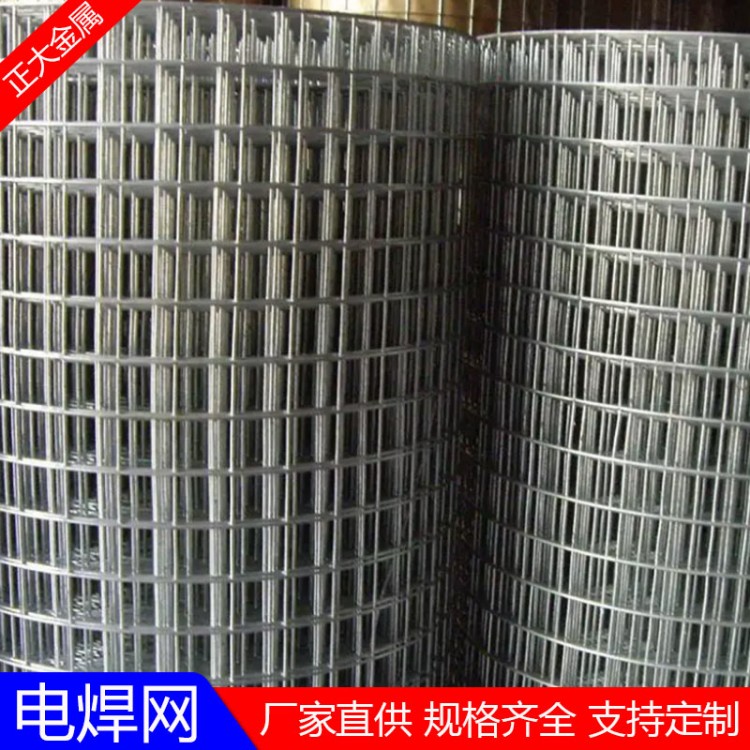




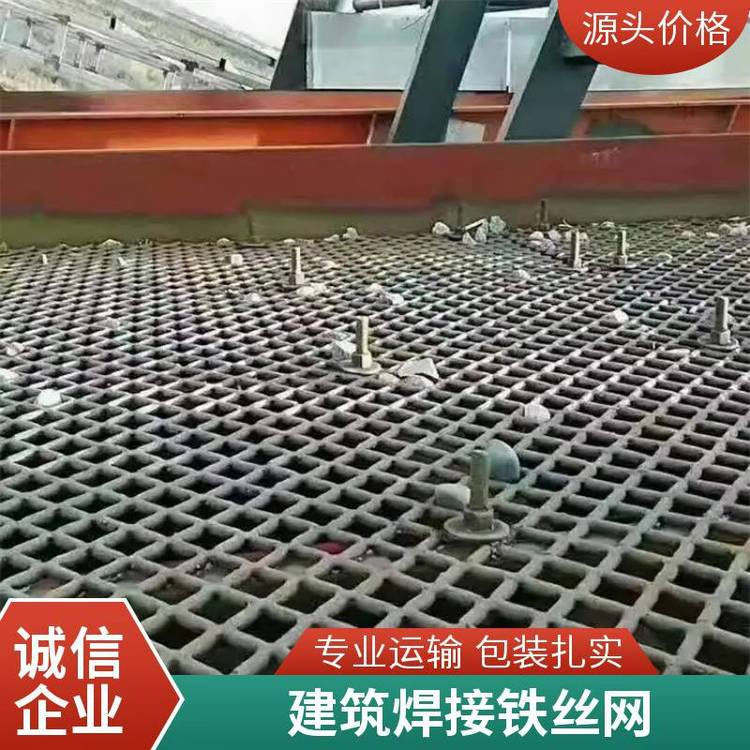
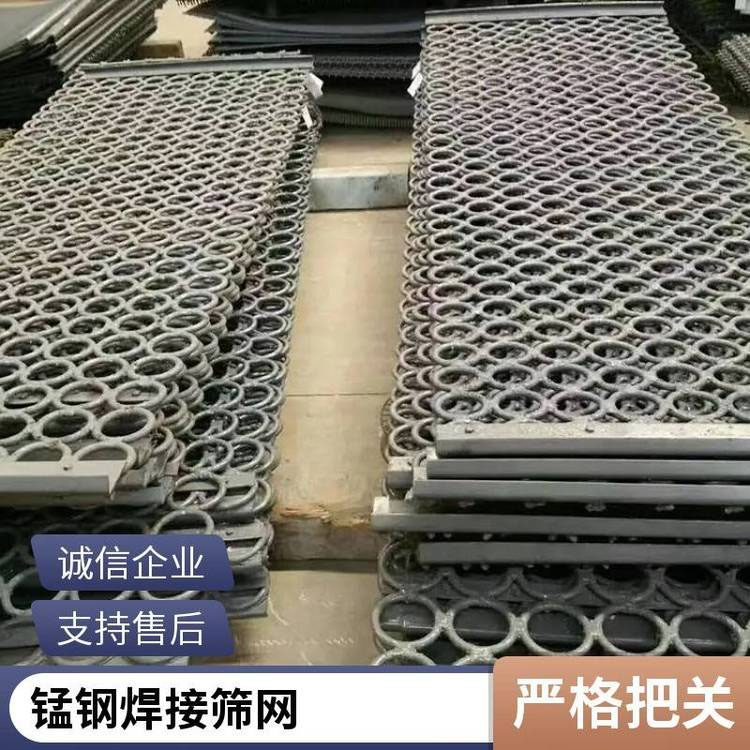







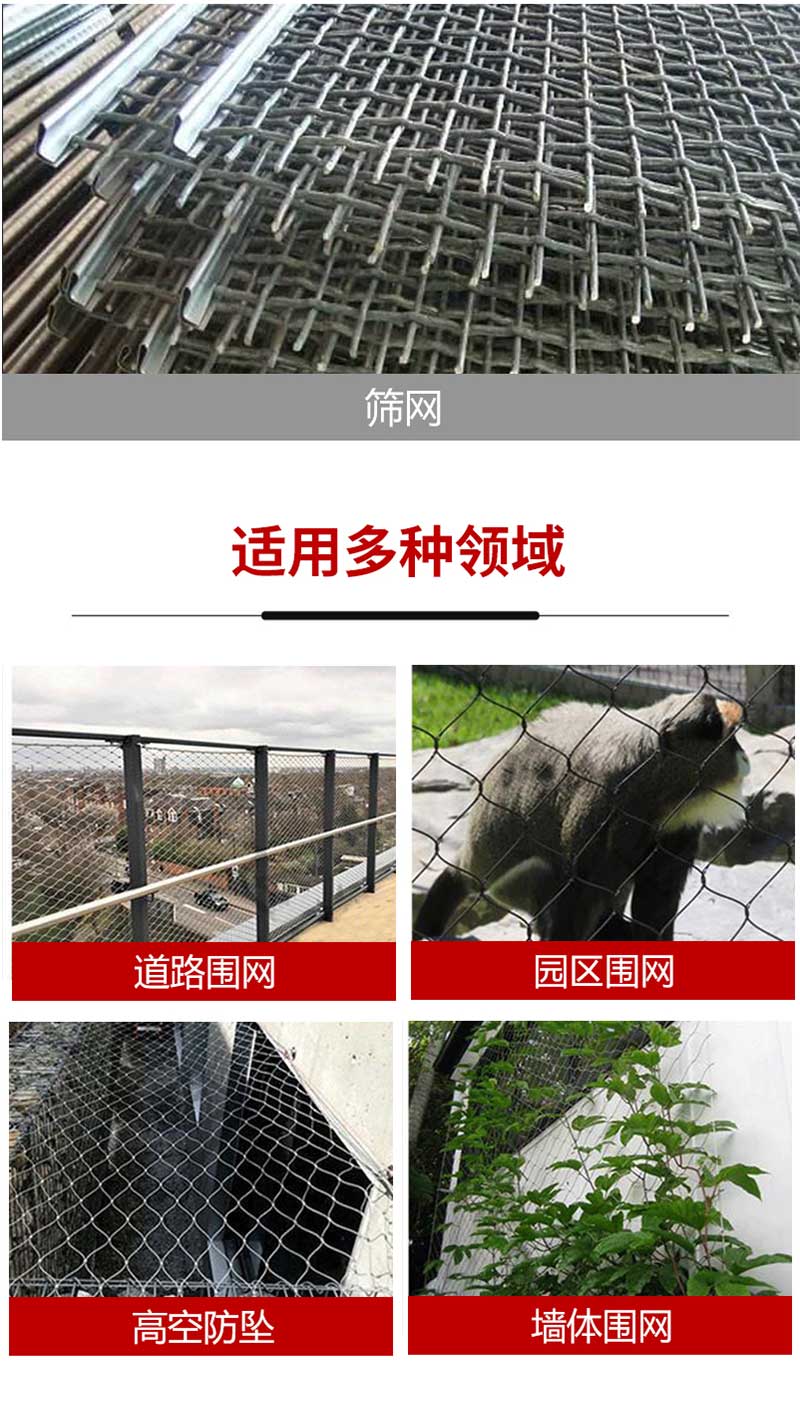
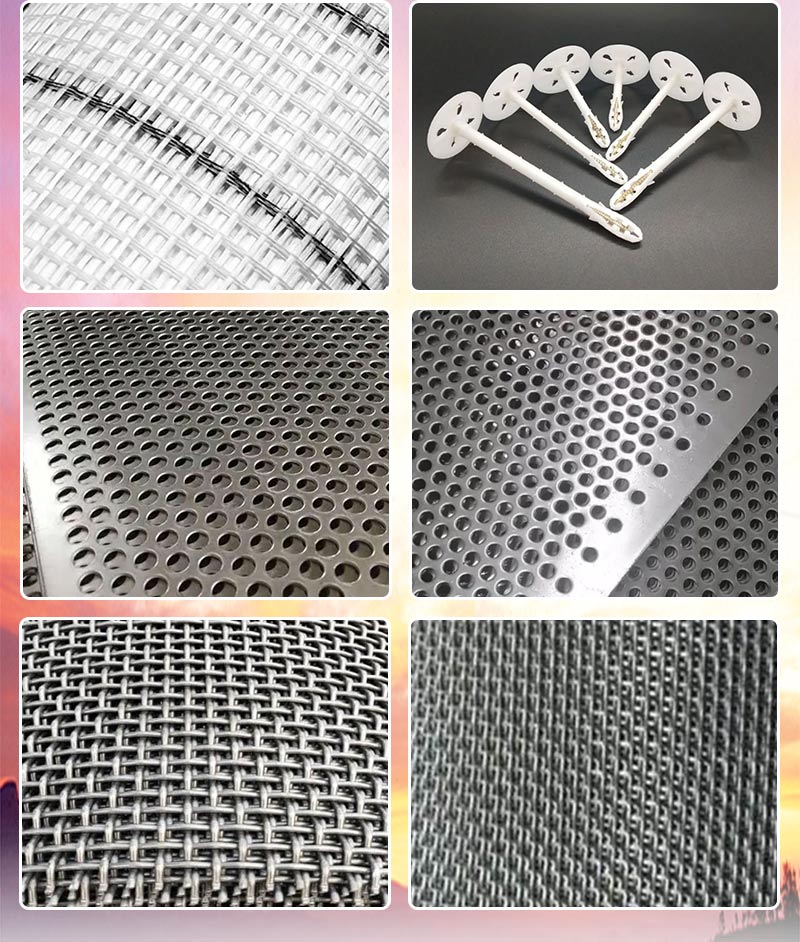
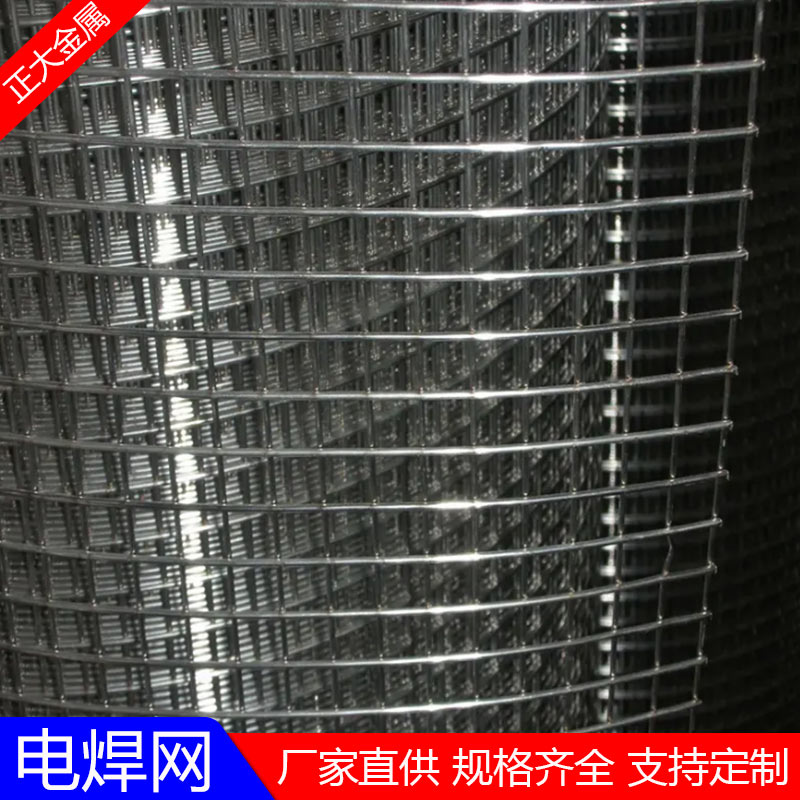
Welded wire mesh surface treatment methods are numerous, commonly including galvanized, coated with plastic, sprayed plastic, and rust-proof paint treatments. Among these methods, rust-proof paint treatment is relatively costly. It is also a method for addressing the damage caused by rust and corrosion to the surface of the welded wire mesh, although its corrosion protection is not as effective as other treatment methods.
However, due to cost, the application range is quite broad, and the amount used in general outdoor work is not small. It is essential to expose the galvanized wire mesh to sunlight for a period after the anti-rust paint treatment before loading and shipping; otherwise, it may result in sticking and scratching, affecting the surface brightness of the galvanized wire mesh. There are many points to consider when treating the galvanized wire mesh with anti-rust paint, such as the proportion with the anti-rust paint being very important.
Absolutely, the rust-preventive paint must be evenly applied to the welding mesh at the appropriate quantity, and Chengnuo has ample experience and skill in this area! Additionally, throughout the entire process, one must keep a safe distance from flames, as we perform painting under high concentrations, and any spark could potentially ignite a fire! The consequences are severe, and this is evidenced by ideal circumstances! Moreover, the operation must be conducted under clear weather conditions; foggy or rainy weather is not permissible.
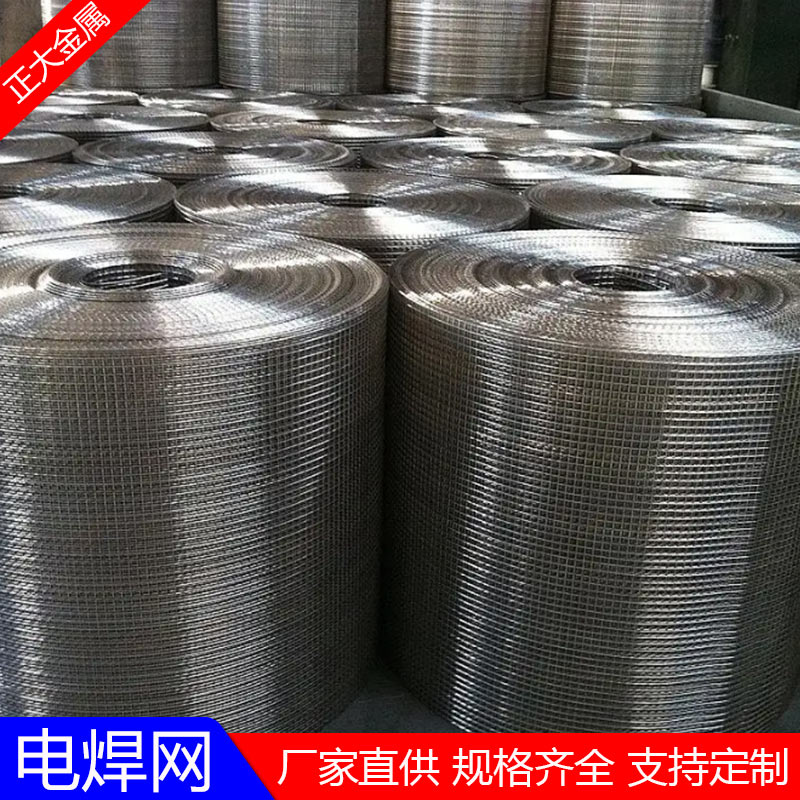
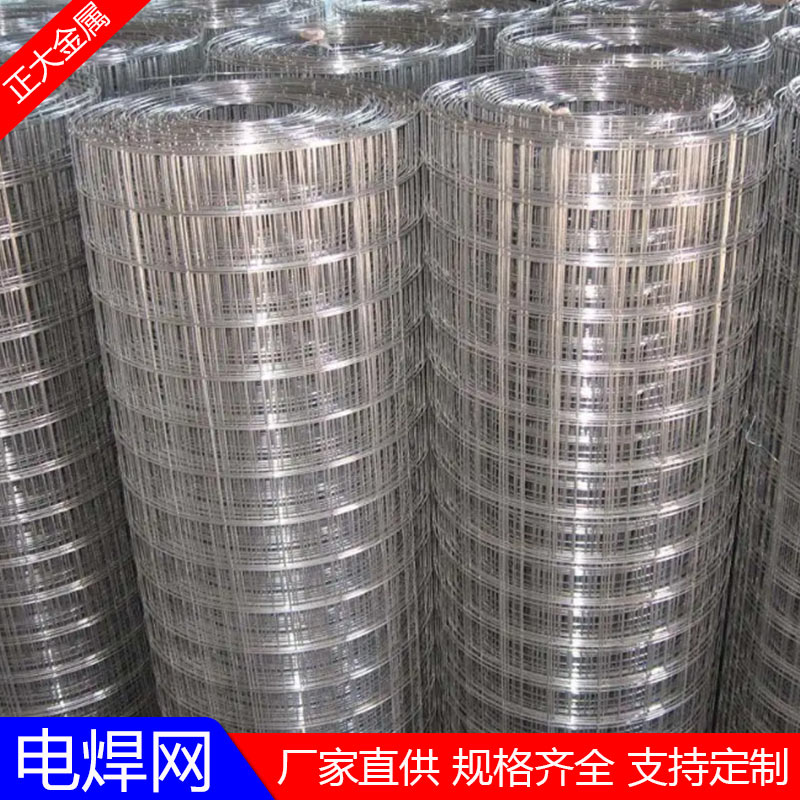
EPS boards develop cracks both horizontally and vertically. Cracks also appear in the exterior wall plastering layer when it's thicker. Manufacturers of architectural welding mesh note that excessive thickness can reduce the flexibility of the mortar, and cracks may appear when EPS boards are shortened.
During the construction process of EPS boards, the product quality does not meet the relevant specification requirements, which may also lead to cracks in the plastering layer.
Galvanized wire mesh with hot-dip galvanizing plays a certain insulating role in the exterior wall system of buildings.
This not only affected the building's aesthetics but also severely damaged the protective layer, shortening the lifespan of the building's structure.
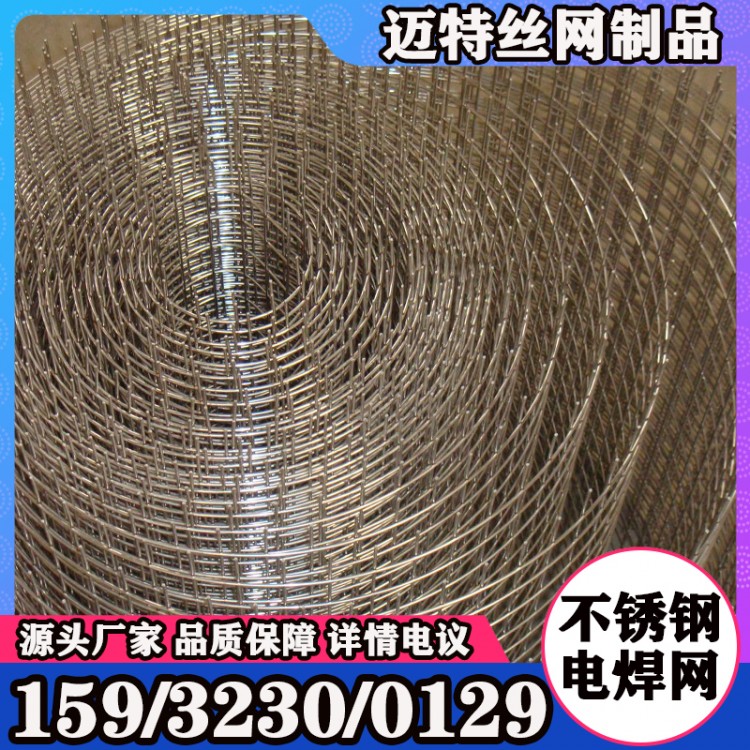
Hot-dip galvanized 304 welded mesh plays a certain thermal insulation role in the exterior wall system of buildings, and its quality level and durability directly relate to its application functions.
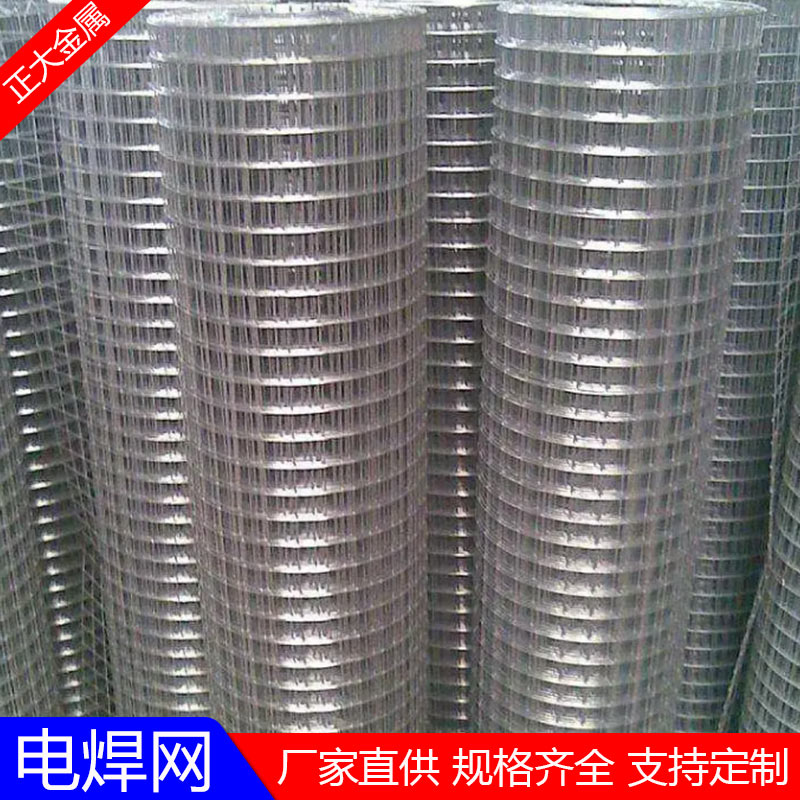
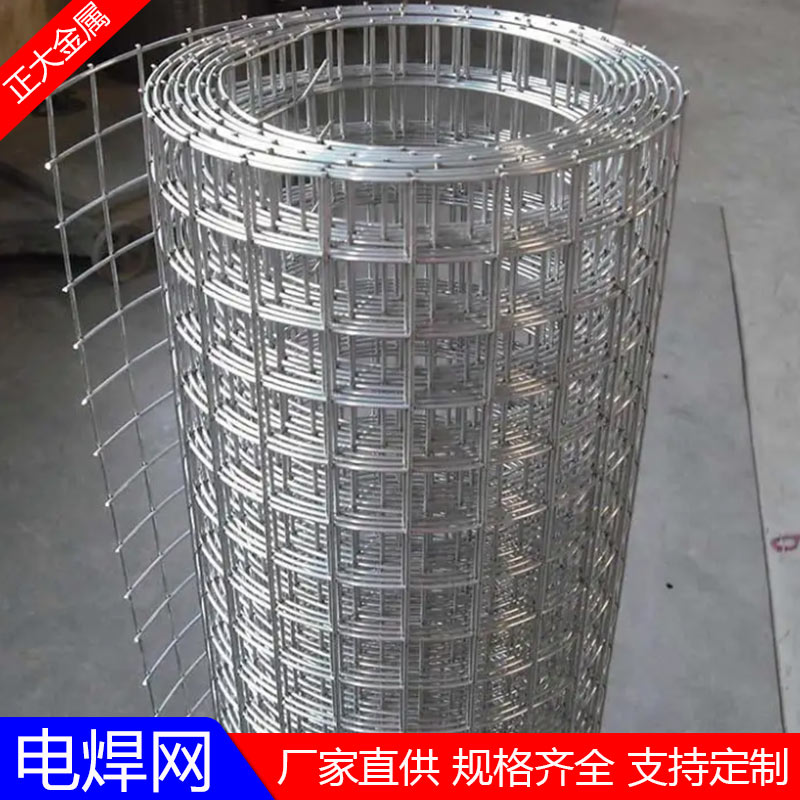
In construction projects, Yantai's construction welding mesh and closing mesh can be used with all standard concrete specifications, including shotcrete and plastic concrete. Ideally, the slump should be between 70mm and 100mm, and vibration should be avoided for concrete with a slump of 125mm. Generally, it's appropriate to pour the concrete slightly beyond the closing mesh mold. This not only reduces the impact load on the materials but also ensures the concrete is placed correctly to generate bonding effects on the quick-closing mesh surface.
Due to the template for the closure net being intermittently embedded in concrete, to achieve a varied interlocking surface, the template surface features convex and concave corrugations. The concrete slurry should seep out through each pore of the template until it forms a corrugated surface. At this point, we can use a vibrator to guide the concrete towards the quick closure netting board.

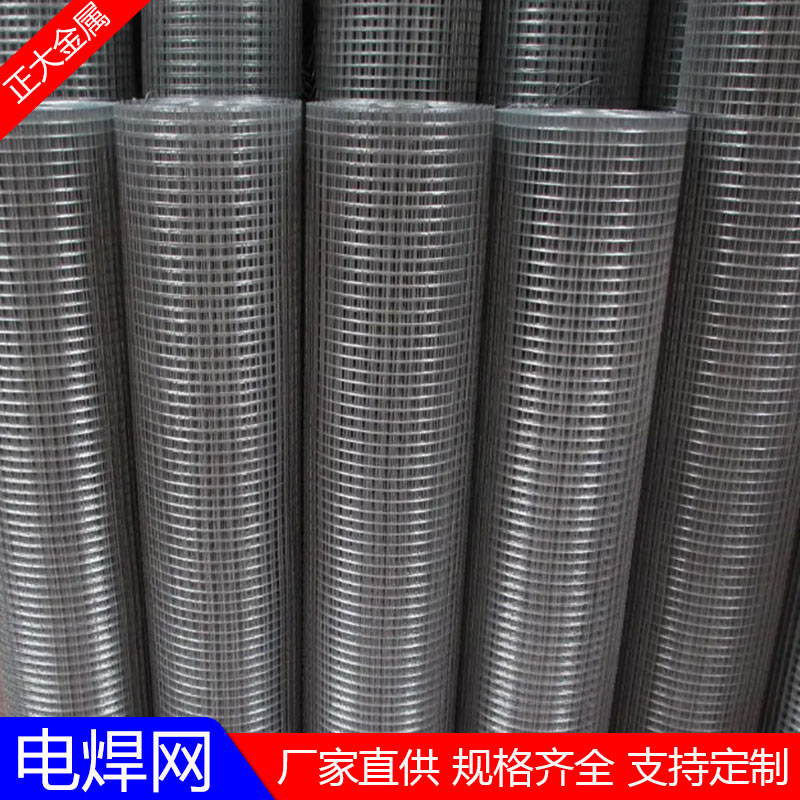
Building Welded Mesh Manufacturer - Jinan Zhengda (Online Inquiry) - Yantai Building Welded Mesh is supplied by Jinan Zhengda Metal Sieving Mesh Manufacturing Co., Ltd. As a witness to the evolution of metal wire mesh in Jinan, Shandong, Jinan Zhengda Metal Sieving Mesh Manufacturing Co., Ltd. has been adhering to the principles of scientific management, innovative development, and honesty for many years, meeting customer needs. The leadership of Jinan Zhengda warmly invites people from all walks of life to inquire and negotiate, jointly creating a brighter future for Jinan Zhengda.