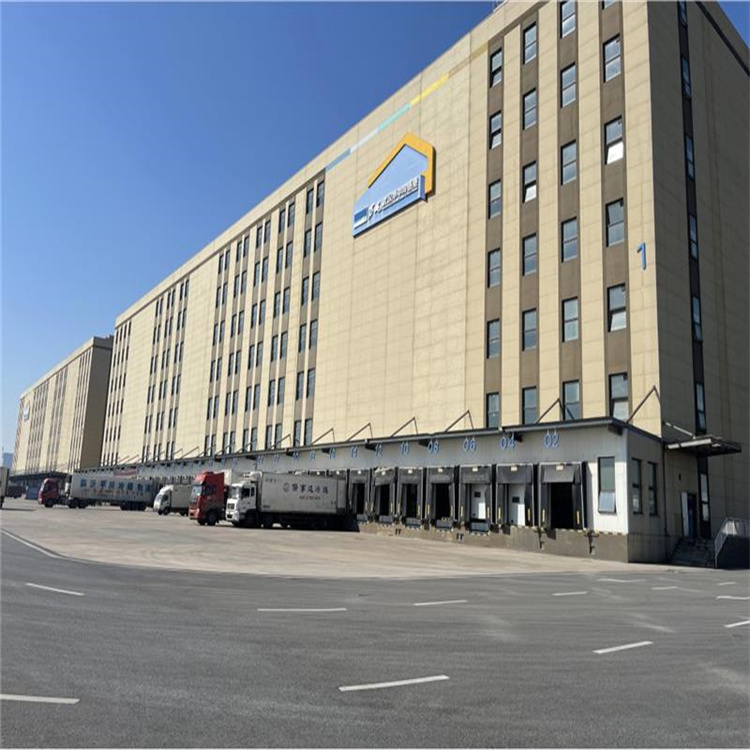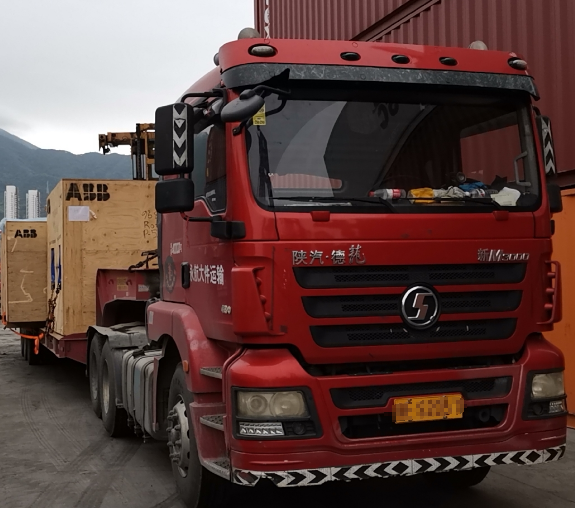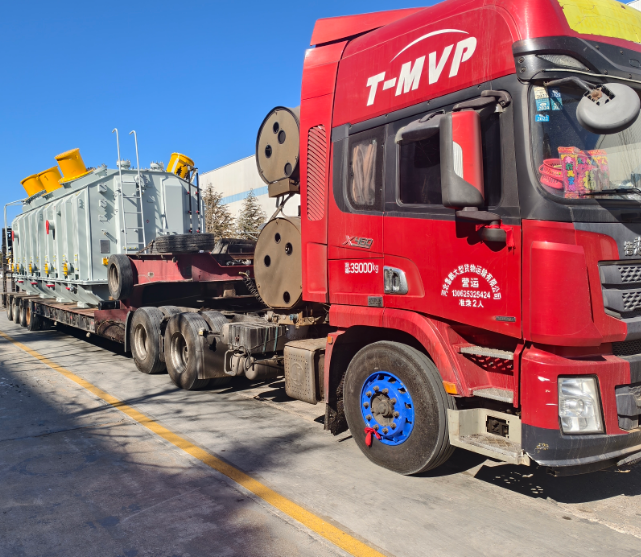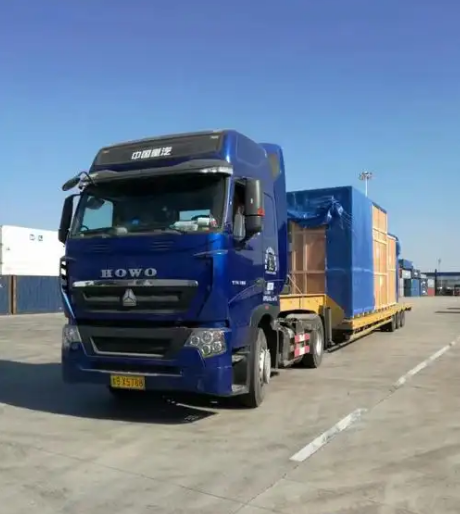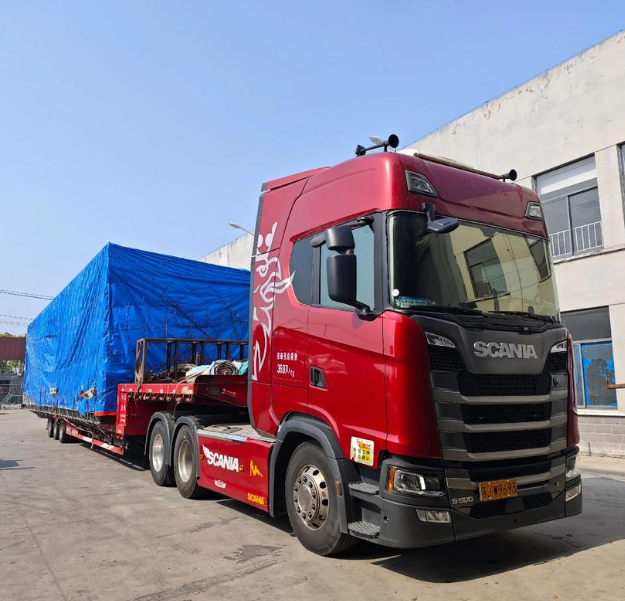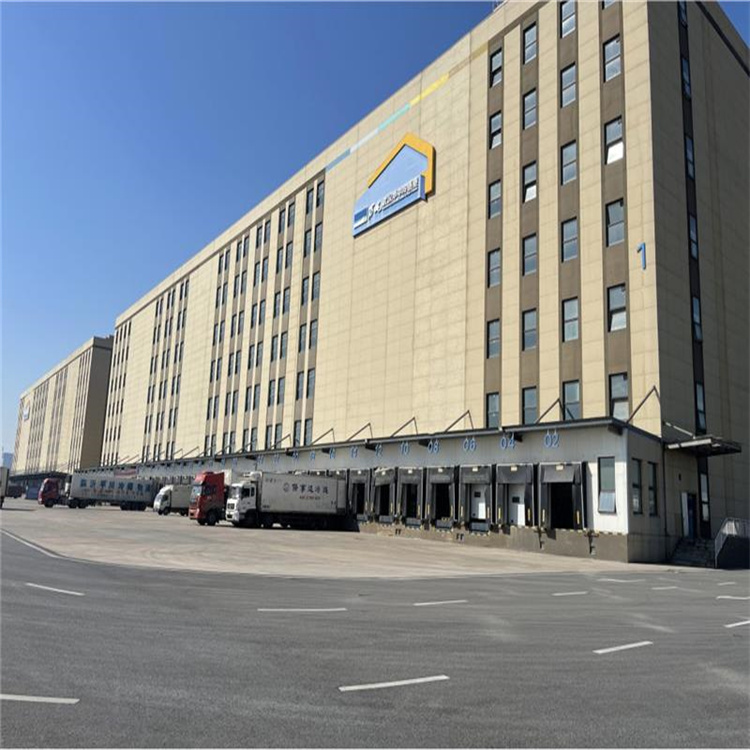


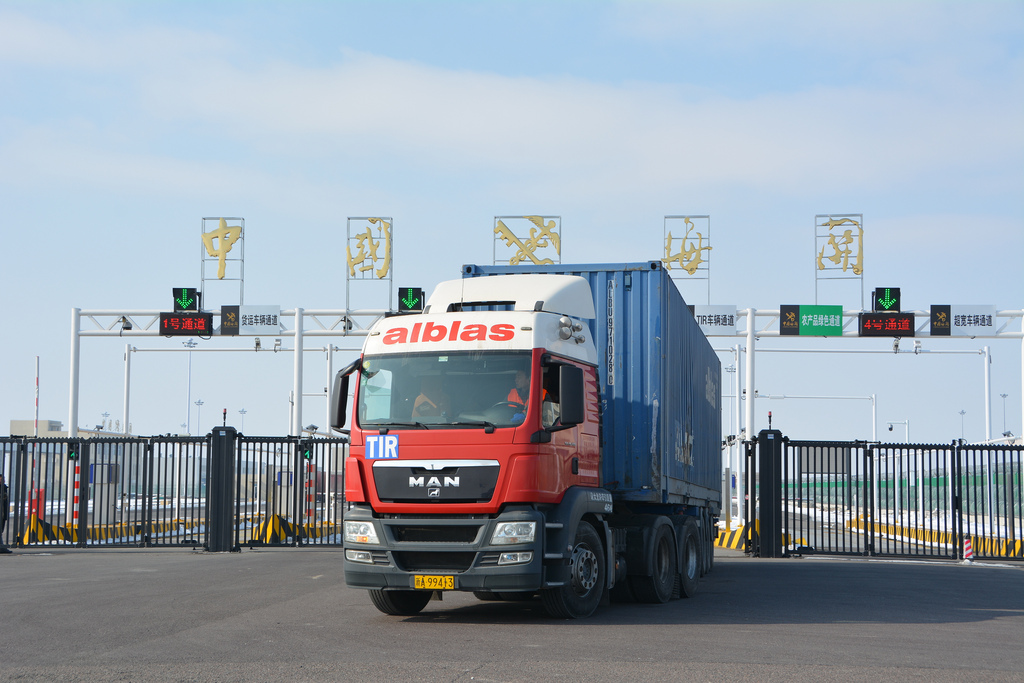
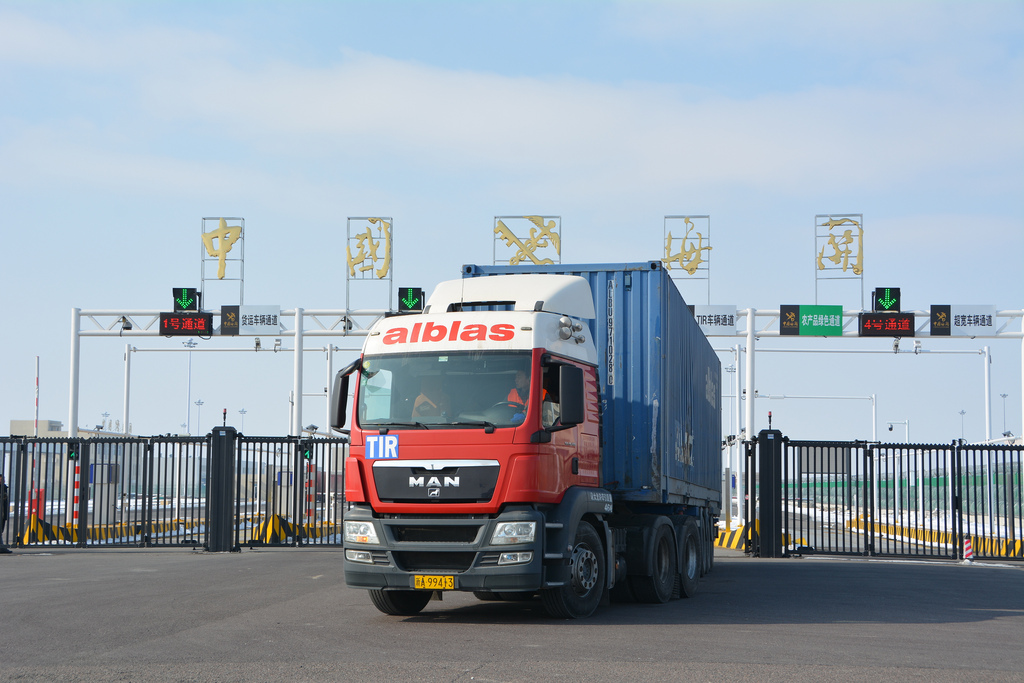

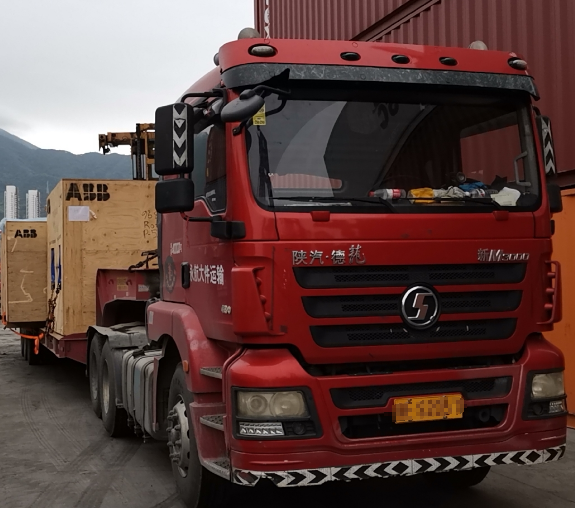










Hubei Refrigerated Transportation refers to the rapid delivery of perishable goods through the use of refrigeration, insulation, and ventilation methods. Refrigerated trucks, ships, and containers are the primary tools for such transportation. With its vast territory and diverse climate, China has a wide variety of perishable goods and long average transportation distances, making the organization of refrigerated transportation complex and costly. Ensuring effective refrigerated transportation is of great significance for meeting the needs of social production, people's lives, and foreign trade, as well as for cold chain warehousing and distribution.
Refrigerated logistics is categorized primarily based on the temperature requirements of the goods being transported. Fresh-keeping items include vegetables, flowers, fruits, live seafood, electronic components, with general temperature requirements between 2-8 degrees Celsius. Fresh chilled items such as acid-reducing meat, river and sea products, soy products, and chocolate typically require temperatures between 0 and -5 degrees Celsius. Frozen items like quick-frozen food, quick-frozen seafood, and meat products generally have temperature requirements between -10 and -18 degrees Celsius. Deep frozen items like ice cream, hazardous materials, bread with active yeast dough, usually require temperatures between -20 and -45 degrees Celsius. There is also a category for high-risk goods transportation refrigerated trucks, which currently no domestic technology can achieve the manufacturing process.
Well-equipped with insulation, ventilation, and necessary heating facilities, the body should have excellent thermal insulation properties, be equipped with a certain amount of ventilation and air exchange systems, be washable, feature heavy load-bearing capacity, large effective volume, and light weight, as well as good applicability.
For the transportation services and logistics industries, route planning is an essential task. This article introduces the principles of route planning for Hubei Storage and Distribution, hoping to provide suitable references for everyone.
1. Arrange driving routes based on the proximity of site clusters. The vehicle routes should be planned around adjacent site clusters to minimize the driving distance between sites.
2. Start designing the route from sites farthest from the warehouse, assigning vehicles with cargo capacity to meet the needs of that group of sites. Then, identify the next farthest site from the warehouse among the others without assigned vehicles and dispatch another vehicle there, repeating this process until all sites have been assigned a vehicle.
3. Ensure there is no crossover between each driving route; without crossover, there will be no duplicate routes, which will shorten the operating distance.
4. Prefer using vehicles with greater cargo capacity for transportation.
5. Pick-up and delivery should be coordinated, not completed with the delivery task before picking up.
6. Adopt flexible and diverse shipping methods for special circumstances. Particularly for sites that are remote and cannot be categorized into a group of stations, alternative delivery methods can be utilized.
7. Avoid overly short time windows, as this can deviate the driving route from the ideal pattern. If this occurs, it's advisable to reset the time windows or re-plan the delivery route.
8. When designing delivery routes, ensure the vehicle's travel path forms a teardrop shape, keeping the station clusters extremely compact. Avoid duplication when delineating the boundaries of each station cluster.
9. Challenging arrangements are scheduled during the day shift, while easy shipments are planned for the night shift.
Avoid the following unreasonable transportation methods, including deadhead driving, contra-shipment, detour transportation (taking the long way), repeated transportation, reverse flow transportation, over-distance transportation, inappropriate choice of transport capacity, incorrect choice of shipment method, and ineffective transportation.
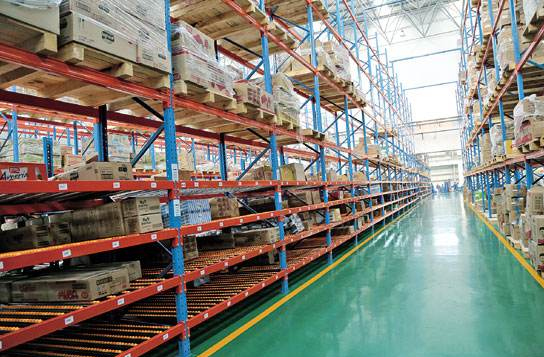
What is the key to leveraging the value of cold chain logistics?
Firstly, since it's "cold chain logistics," temperature control is a must-mention.
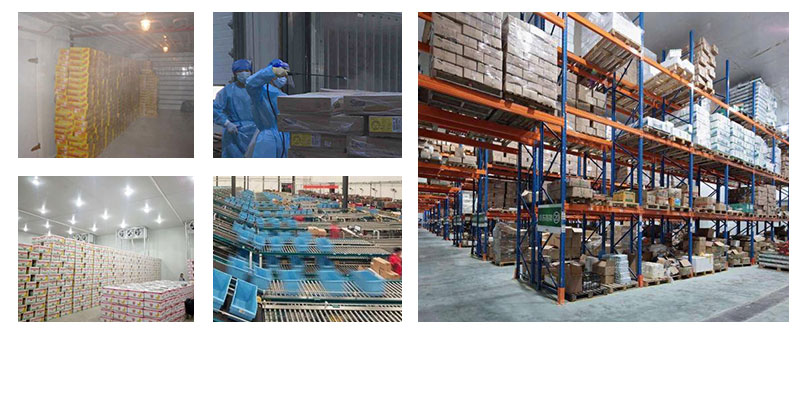
One of the key components of cold chain logistics is "temperature control and insulation," which includes constant temperature and humidity cold storage facilities with precise requirements for the humidity and temperature of stored items, as well as "modified atmosphere storage" that serves as a gas-controlled preservation method.
Next, cold chain storage is indispensable. Cold chain storage is generally used for fresh agricultural products, serving as a temporary storage solution for goods due to the advance of orders or market forecasts in the production and distribution process.
Thirdly, it's about cold chain transportation, which refers to the classification and sorting, as well as packaging of fresh agricultural products through the use of required transportation equipment and containers at a specific temperature.
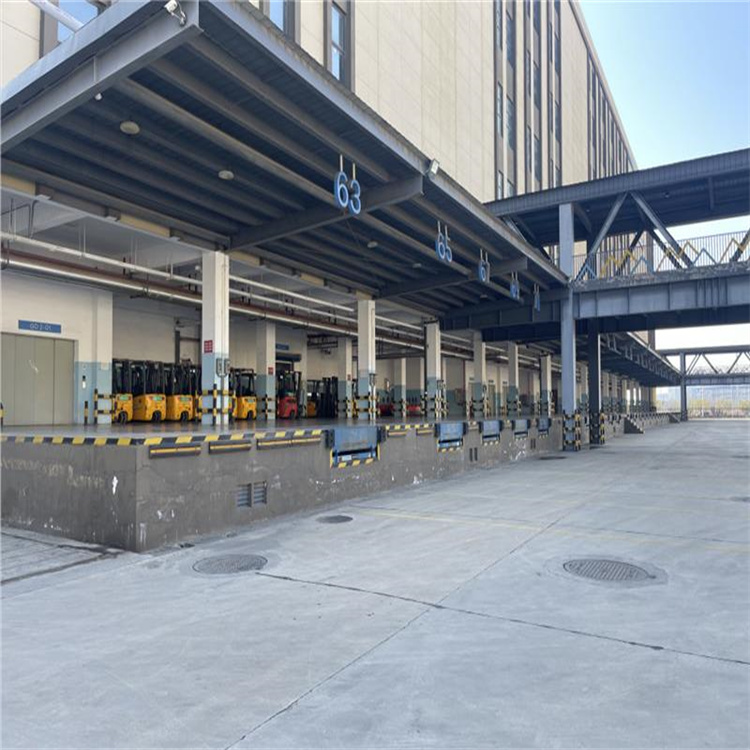
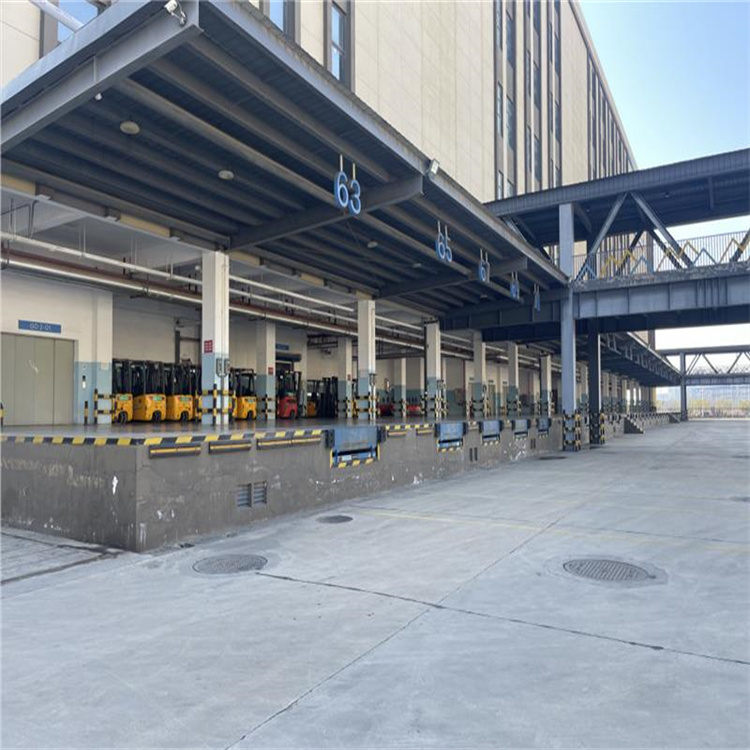
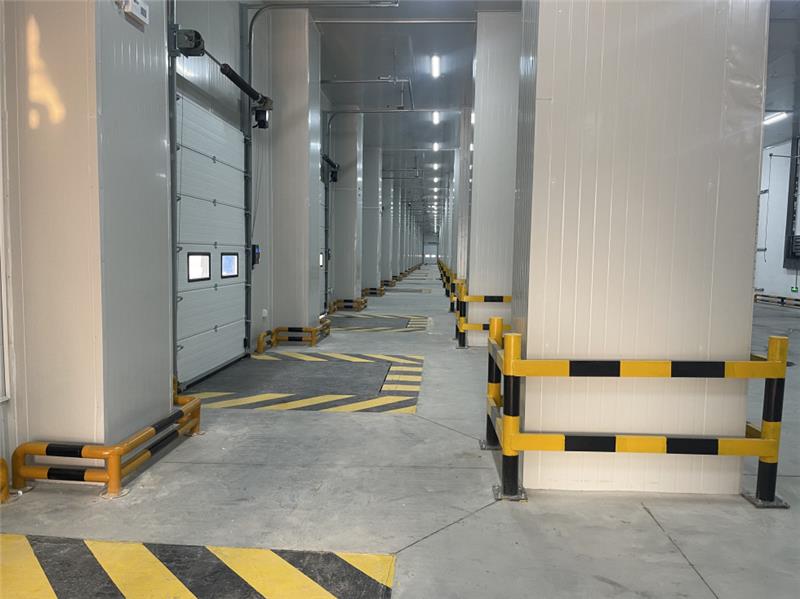
Fourth, it's the cold chain handling, a crucial step that is also quite challenging. During the unloading of refrigerated or frozen goods, the unloading vehicles and warehouses must be sealed to ensure the temperature increase during unloading is within the permitted range. Moreover, when the unloading operation is interrupted, the doors of the transport equipment must be closed immediately to maintain the normal operation of the refrigeration system.
Fifth, it's cold chain logistics, an essential component within the cold chain. Cold chain transportation is costly and involves more complex mobile refrigeration technology and insulated container manufacturing. It also encompasses more risks and uncertainties.
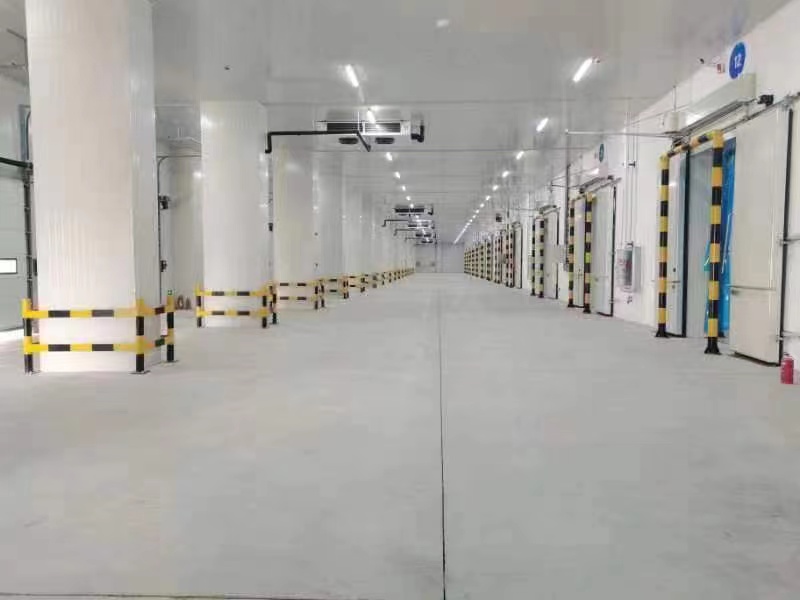
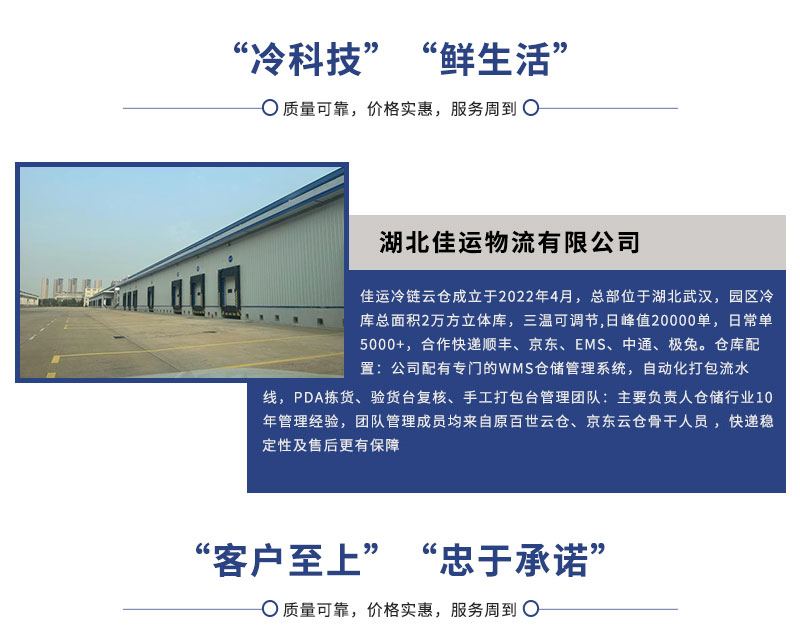
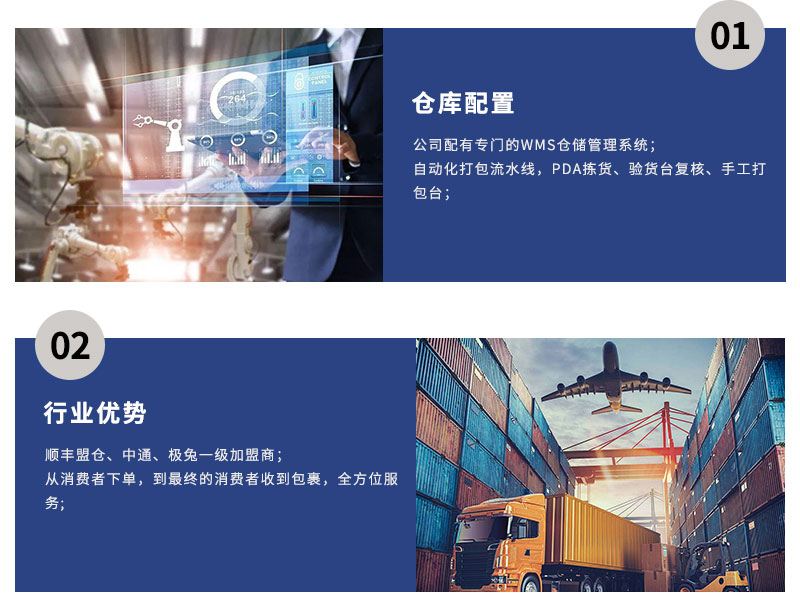
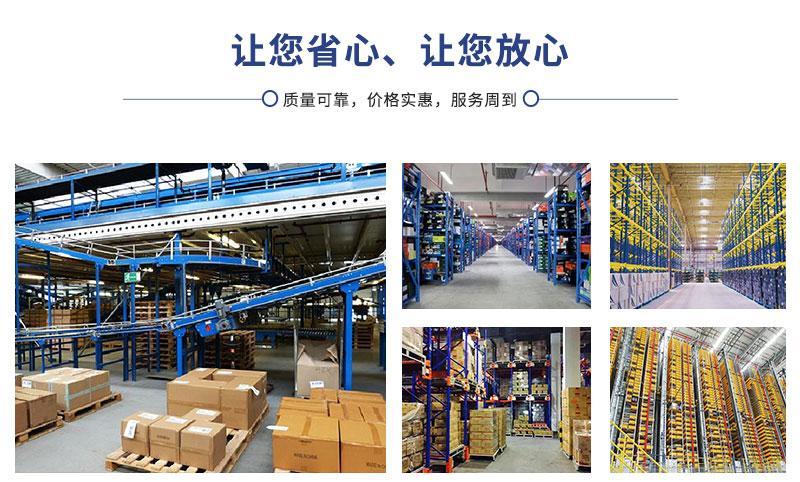
Wuhan Cold Chain Warehouse - Jiayun Cloud Warehouse (Online Inquiry) is provided by Hubei Jiayun Logistics Co., Ltd. Located in the Huarong District, Ezhou City, Hubei Province, at the No. 2 warehouse of Wuhan Central China Ten-Thousand-ton Cold Chain Port. Navigating through the surge of market economy, Jiayun Logistics has earned a favorable reputation in warehousing and distribution. With the All-Network Business Alliance Certification, Jiayun Logistics has reached a new height in service and management quality. All staff at Jiayun Logistics are eager to work with individuals of insight to co-develop and create a brighter future.