











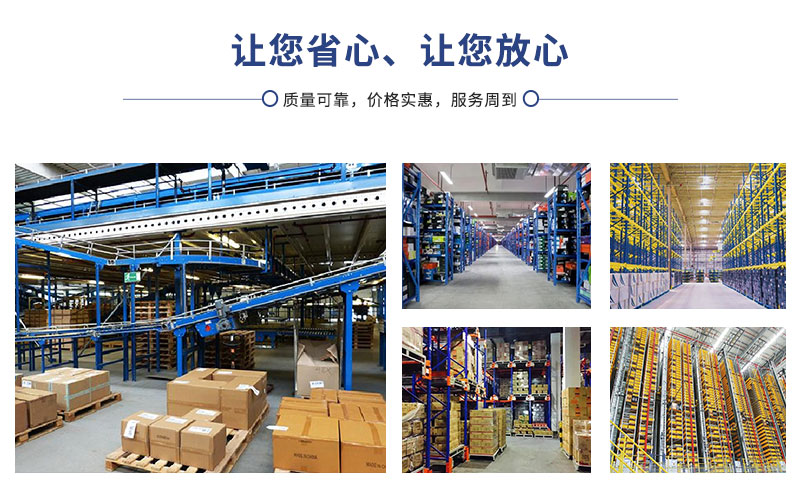
E-commerce warehouse automation
(1) E-commerce warehousing containerization.
Establish a standardized system for storage and handling equipment, enhance the promotional and value-added service functions of containers, pallets, and bulk bags in e-commerce warehousing, and explore other functional applications of storage. By implementing cargo consolidation, improve warehousing quality and efficiency, and reduce logistics costs.
(2) Cloud warehouse automation.
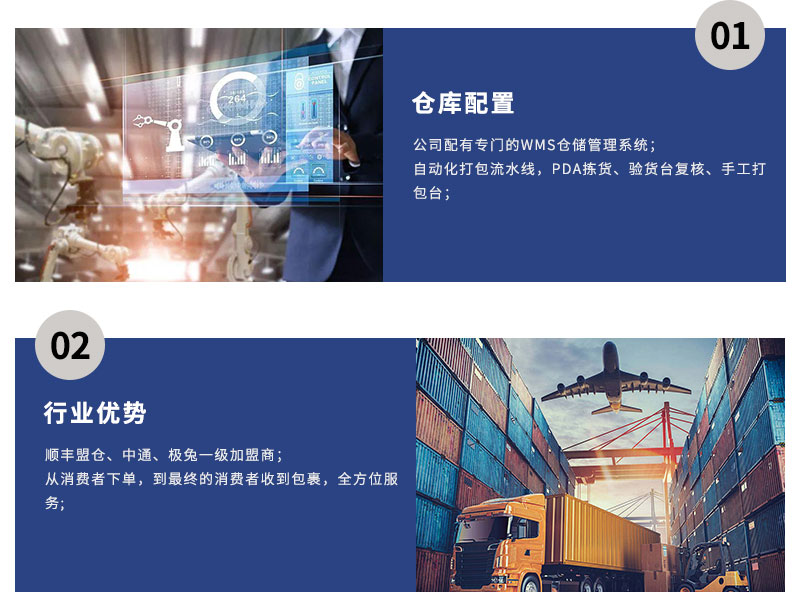
Currently, the development of artificial intelligence technology is propelling the evolution of automated warehouses towards intelligent automation. Radio-frequency data authentication, barcode technology, scanning technology, and data collection techniques will be increasingly applied to equipment such as automated stackers, AGVs, and conveyors in cloud warehouses. Warehouse outsourcing requires logistics to be accompanied by parallel information flows. Real-time, coordinated, and integrated control and management of stored goods are essential, with information technology becoming a key focus of warehouse automation technology. The construction of automated warehouses is placing greater emphasis on practicality and safety, aiming to meet storage requirements while incorporating more automated warehouses that are smaller in scale, faster in response, and versatile in use.
(3) Warehouse handling and transportation equipment efficiency.
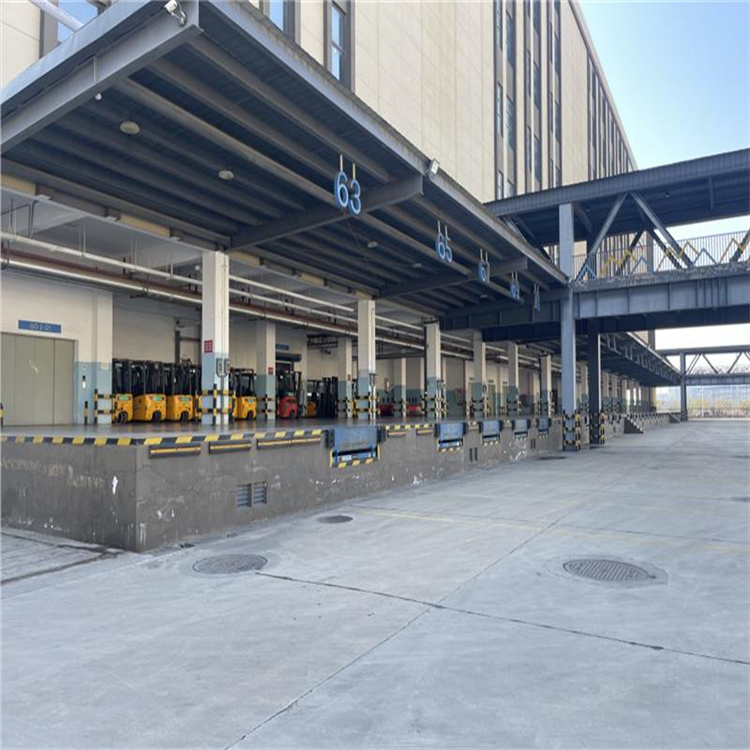
High-tech advancements such as computer technology, automatic control, and artificial intelligence are applied to warehouse machinery, significantly enhancing their technical performance. Forklifts, tug trucks, pallet handlers, stackers, pipeline conveyors, belt conveyors, and automatic picking machines, with their large load capacity, high mobility, ease of operation, and excellent repairability, are leading materials handling equipment widely used in warehouse systems. As time progresses, intelligent warehouse equipment will continue to improve, making warehouse machinery safer and more reliable.
(4) Promotion of barcode technology usage.
Bar code technology, as a mature information processing technique, boasts advantages such as fast information collection, large information volume, and high reliability, and has been widely applied in automatic control, quality tracking, transportation, and library literature fields.

Regulations for Goods Security Management
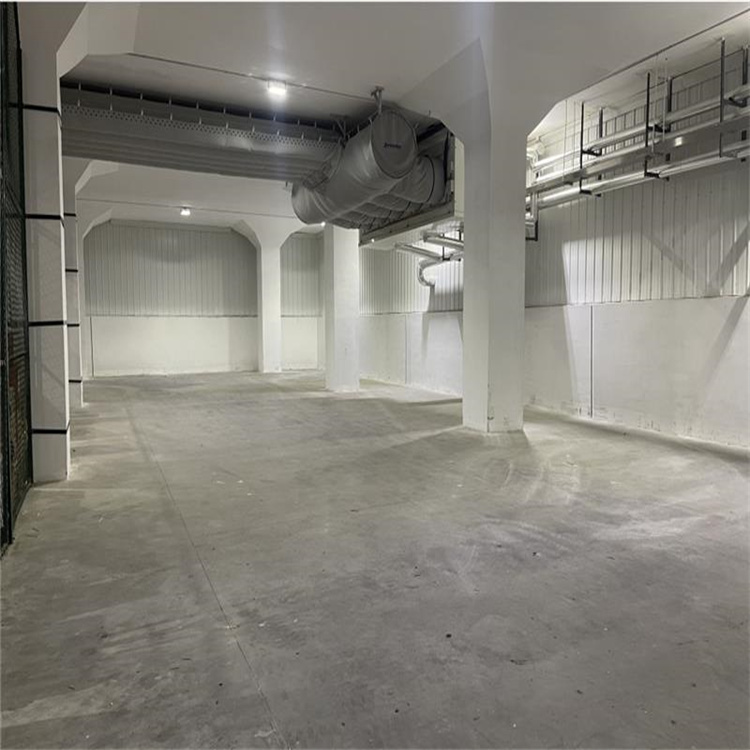
1. Goods must be stacked in accordance with the "Five Distances Principle," following the safety stacking instructions on the packaging, and should be categorized, orderly, stable, and limited in height.
2. For goods with poor stability in packaging materials, goods with sharp, pointed corners in packaging, and stacked goods that are excessively high, fencing and warning signs must be set up.
3. Prohibit goods from blocking fire facilities and fire accessways.
4. Prevent Termite Infestation: Regular termite control inspections and treatments must be conducted in the warehouse. All staff members are required to inspect goods upon entry and exit. Strictly prohibit the entry and exit of goods infested with termites.
5. Ensure stringent anti-theft measures within the warehouse area. Secure all windows and doors effectively to prevent unauthorized access. Implement a registration system for personnel entering the warehouse, including operators and inspectors. Warehouse staff must lock the main gate upon leaving the warehouse, and the main gate must not be entrusted to others casually.
6. Prior to the rainy season and typhoon season, check that the warehouse doors and windows are securely fastened and that walls and roofs are not leaking. Address any issues promptly. Prepare ropes, tarpaulins, and other wind and flood prevention tools within the warehouse area. Additionally, closely monitor weather forecasts. In case of an approaching typhoon, arrange for personnel to patrol and be on duty. Report emergencies immediately and organize rescue efforts to ensure the safety of personnel and property within the warehouse.
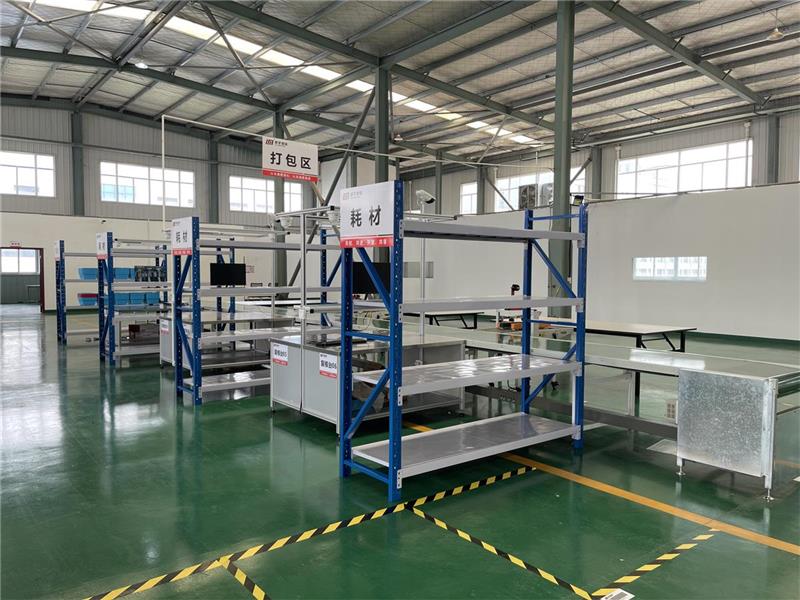
Warehouse Fire Prevention Regulations
1. The warehouse management department should prioritize fire safety in warehouse management, and consciously implement the "Four抓" approach:抓隐患 (Identify hazards), 抓苗头 (Spot early signs), 抓措施 (Enforce measures), 抓效果 (Ensure effectiveness).
2. No fire sources are allowed in the warehouse; flammable and explosive hazardous materials must not be stored. Smoking is strictly prohibited within the warehouse area. Cooking is not permitted in the restrooms provided with the warehouse.
3. No iodine tungsten lamps, electric irons, electric stoves, soldering irons, or other electric heating appliances are allowed in the warehouse. Overloading of electrical usage is prohibited, as well as the use of substandard safety devices.
4. Inspect equipment such as lighting and wiring in the storage room at least twice a year. Prohibit the unauthorized use of temporary cables. In the event of aged, damaged wiring, or poor insulation, which may cause sparking or short circuits, the lines must be promptly updated.
5. Items should be stacked according to the "Five Distances" requirements.
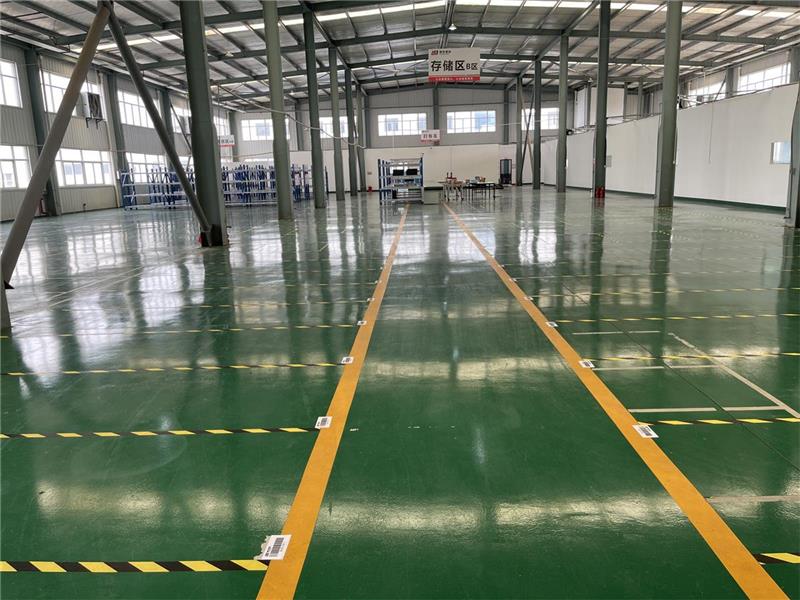
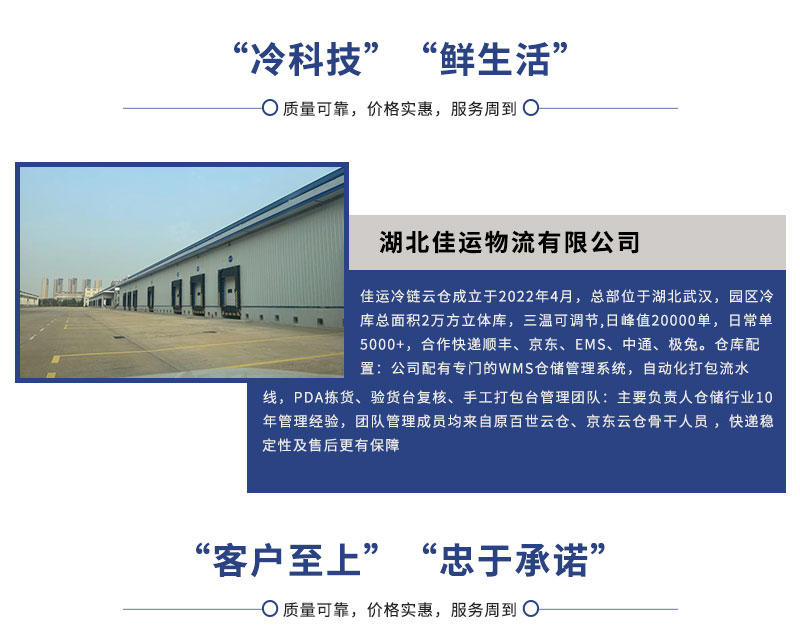
Warehouse Outsourcing - JiaYun Cloud Warehouse provided by Hubei JiaYun Logistics Co., Ltd. With solid capabilities and reliable reputation, Hubei JiaYun Logistics has amassed a large number of loyal customers in the warehousing and distribution industries in Wuhan, Hubei. JiaYun Logistics, with a commitment to excellence and a spirit of continuous improvement and innovation, joins hands with you to stride towards prosperity and create a beautiful future together!