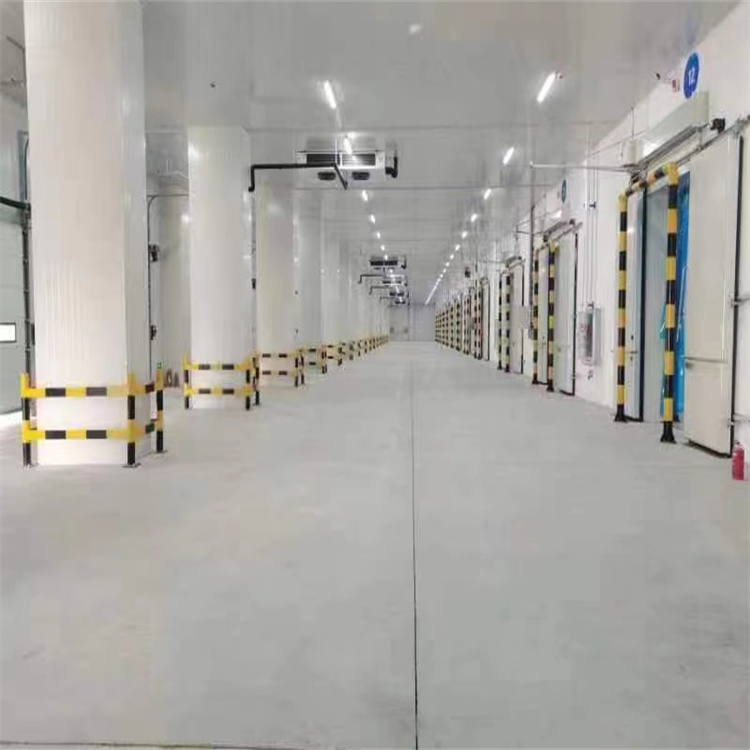















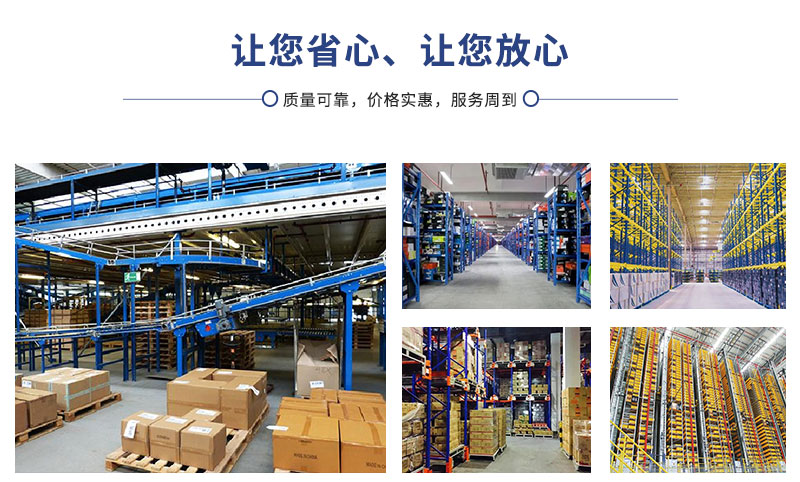
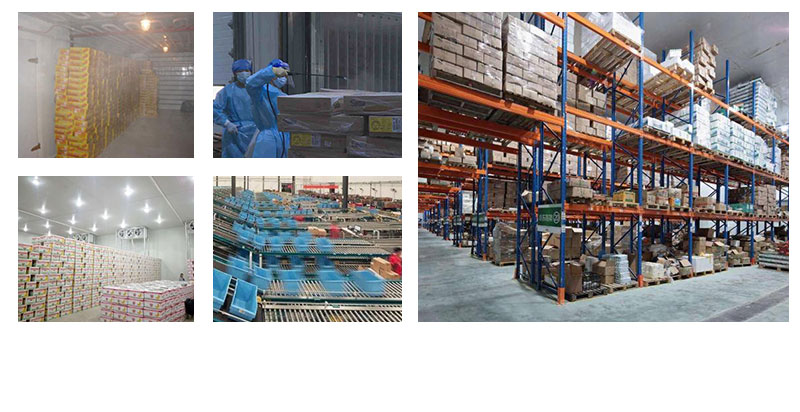
Advantages of Third-Party Warehouse Storage:
1. Save energy, focus on core business
Any business's resources are limited, making it difficult to be a jack-of-all-trades in terms of operations. By opting for third-party warehousing and storage, companies can allocate most of their energy and time to their core business activities, which undoubtedly saves on human resources and costs. Moreover, third-party warehousing companies have stable staff, clear divisions of labor, and can enhance the quality of warehousing and logistics services.
2. Cost-saving, preventing errors and misdispatch
Most small and medium-sized e-commerce businesses won't spend a fortune on purchasing or updating warehouse management systems and equipment. This undoubtedly increases the error rate in shipping and picking orders, as well as the likelihood of customer returns and exchanges, which can negatively impact store reviews. Third-party warehouse companies, however, have the sufficient ability and capital to continually purchase and update warehouse technologies and equipment, enhancing their service levels. This represents a significant cost-saving for e-commerce businesses.
3. Fast shipping during major promotions
For e-commerce, annual shopping festivals bring chaos with massive order volumes, leading to extended shipping and delivery times, significantly increasing return rates and affecting store ratings. Third-party warehousing companies, often located near sorting centers, can quickly sort, print labels, package, verify, and ship orders, significantly boosting shipping speeds.
4. Reduce management complexity and enhance efficiency
Third-party warehousing and storage management allows e-commerce sellers to enjoy the efficiency and benefits of management, while converting internal management activities into external contractual relationships. This transforms internal management responsibilities into external legal liabilities, simplifying the management process.
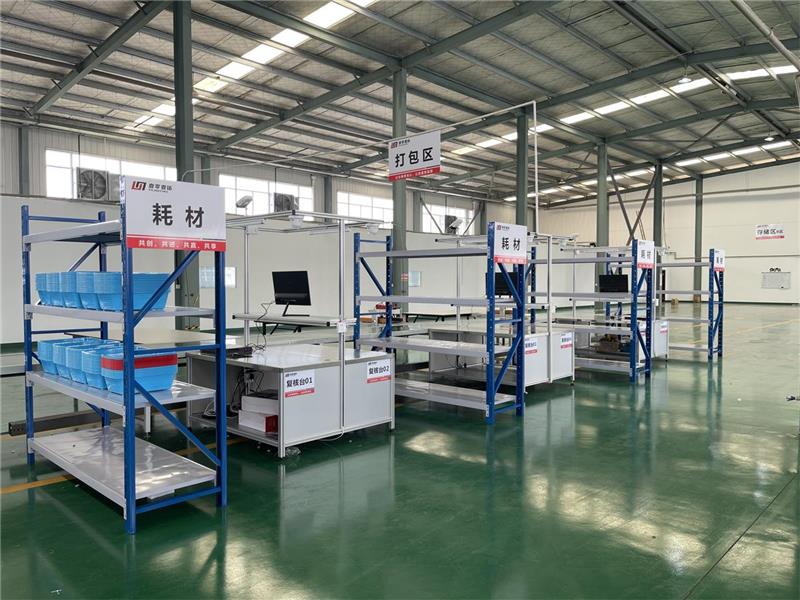
Warehouse space utilization rate
How to Calculate Warehouse Utilization
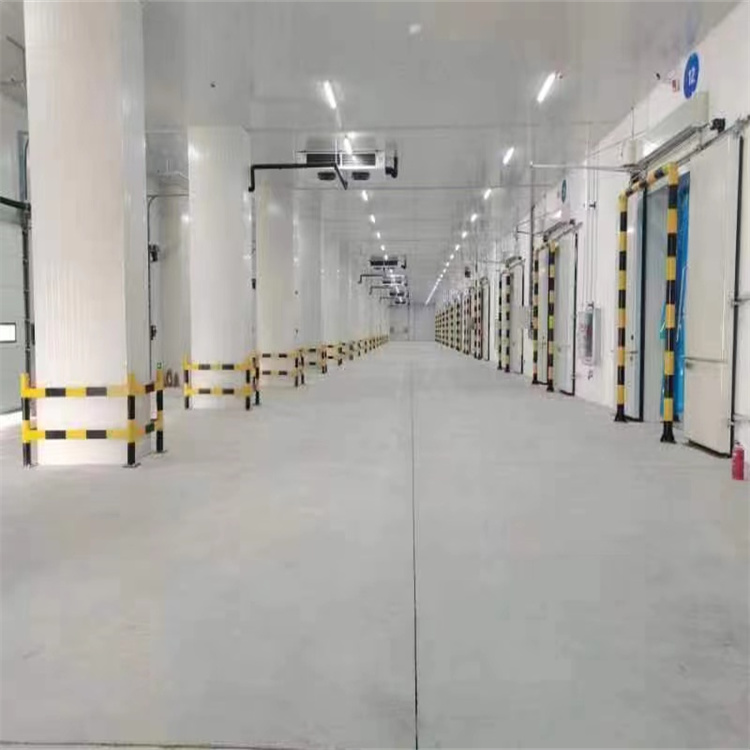
Firstly, understand the definitions of each area: - Floor Area: Generally refers to the total floor area of the warehouse. Calculated by measuring from the exterior walls of the warehouse. The area is the product of length and width, summing up the areas of each floor. - Actual Area: This is the area measured from the interior walls of the warehouse. It is the product of length and width minus the area occupied by obstacles (columns, partitions, stairs). - Usable Area: This is the actual area minus the area occupied by aisles, branches, wall distances, and column distances. - Occupied Area: This is the actual area occupied by the goods. Currently, warehouse companies typically calculate the rental area based on the floor area. However, when subletting to customers for storage, the actual area that can be used for storing goods is the usable area. Therefore, the warehouse area utilization rate is calculated as the usable area divided by the floor area.
How to Increase Warehouse Space Utilization Efficiency
Warehouse Area Rational Planning: Eliminate unnecessary functional areas; design and utilize columns and irregular areas rationally.
2. Design the placement rules for goods reasonably. Those who frequently stack goods know that properly stacked pallets can accommodate a few more items, and the stacking process can affect the design of the aisles' width.
3. Establish utilization standards for different industries, such as the utilization rate for the home appliance industry should be higher than that for general merchandise. Additionally, the planning of storage areas should vary according to different industries. With established standards, we can better quantify our indicators, which aids in increasing utilization rates.
4. Utilize sales forecasts for product ABC classification to optimize storage areas, with some products employing pile storage to maximize space utilization.
5. Enhance on-site warehouse management; with the same plan, different people managing it will undoubtedly yield different results in terms of space utilization.
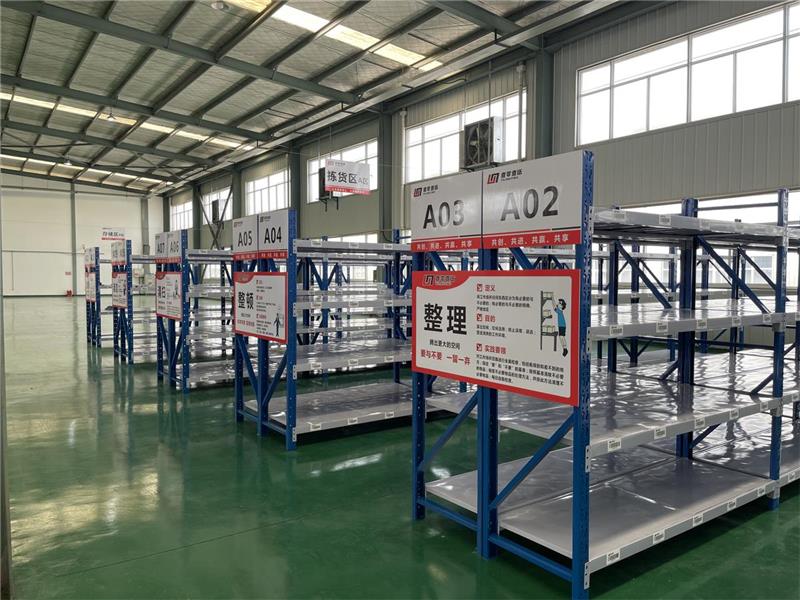
Cloud warehouses are a type of logistics warehousing that offers third-party logistics services by providing open storage and distribution resources to the public. It's a brand new logistics warehousing system product that relies on warehousing facilities for the circulation of goods.
By signing a warehousing agreement with a merchant's cloud warehouse platform, arrange inventory on the platform based on market sales forecast data. Utilize the warehouse resources of the cloud warehouse platform to distribute inventory to warehouses close to consumers. Once the customer's order is placed, the cloud warehouse platform automatically selects an excellent warehouse for pick-up and delivery, and then delivers the goods to the customer, enabling a rapid response to market demands and enhancing market competitiveness. Currently, there are three types of cloud warehouses available.
Firstly, the e-commerce platform has its own cloud warehouse; through big data and cloud computing, etc. It is an internal warehousing method that reasonably plans warehouse distribution based on customers' browsing and clicking on products, browsing time, and promotional activities.
Secondly, logistics shared cloud warehouses; major logistics platforms utilize their own delivery systems to offer integrated warehousing and distribution solutions for small and medium-sized enterprises, with some well-known open platforms now available. Of course, open customer data is also included in cloud computing. Naturally, cloud warehouses with superior speed also fall into this category.
Thirdly, internet third-party shared storage cloud warehouses; they provide flexible and diverse services for e-commerce merchants in the e-commerce supply chain field, based on warehouses.
Above, explained conceptually and in three specific types, the e-commerce cloud warehouse. Its emergence is highly beneficial to many platforms, as well as to merchants, allowing for better integration between the two and providing customers with an excellent shopping experience. If you need to understand this aspect, feel free to seek out relevant enterprises for inquiries and make appropriate preparations.
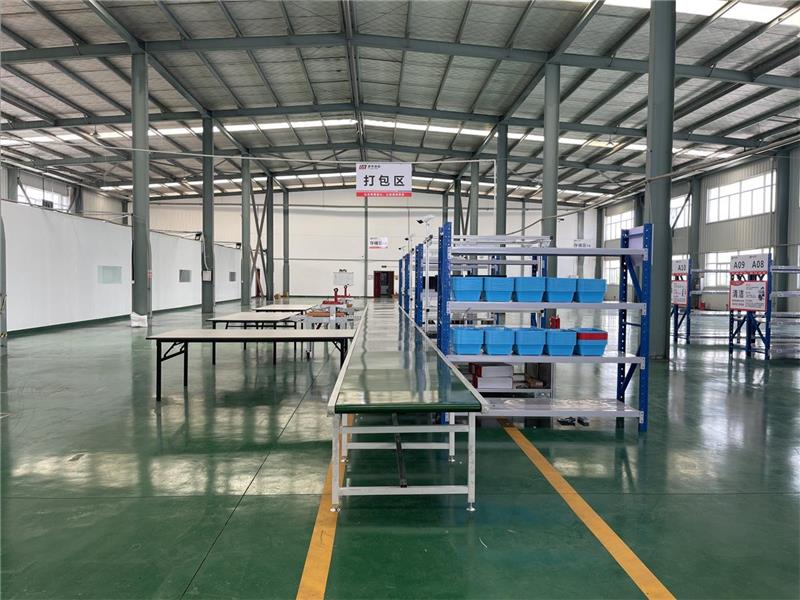
E-commerce Cloud Warehouse - JiaYun Cloud Warehouse, provided by Hubei JiaYun Logistics Co., Ltd. Hubei JiaYun Logistics Co., Ltd. is a witness to warehousing and distribution in Wuhan, Hubei. Over the years, the company has implemented the policies of scientific management, innovative development, and honesty, meeting customer needs. JiaYun Logistics leaders and all employees warmly welcome inquiries and negotiations from all sectors, striving to create a brighter future for JiaYun Logistics.