










E-commerce warehousing emerged with the birth of material storage and has evolved alongside the development of productivity. For a long time, e-commerce warehousing and transportation have been regarded as the two main pillars of logistics activities. E-commerce warehousing is a subsystem of the logistics system and a crucial link in the flow of goods. Under conditions of social division of labor and specialized production, it is necessary to store a certain amount of materials to meet the needs of social production and consumption over a certain period of time. Therefore, e-commerce warehousing plays a buffering, regulating, and balancing role within the logistics system.
The concept of e-commerce warehousing has two definitions: a broad one and a narrow one. The narrow definition refers to the storage and custody of materials through cloud warehouses; the broad definition pertains to the temporary halt at a specific location and place during the transfer of goods from production to consumption sites. Storage is a state of motion in logistics and a type of operation in the material flow process, where activities such as inspection, custody, processing, distribution, and mode conversion are performed. Storage is a key function of logistics and an indispensable link in the movement of goods.
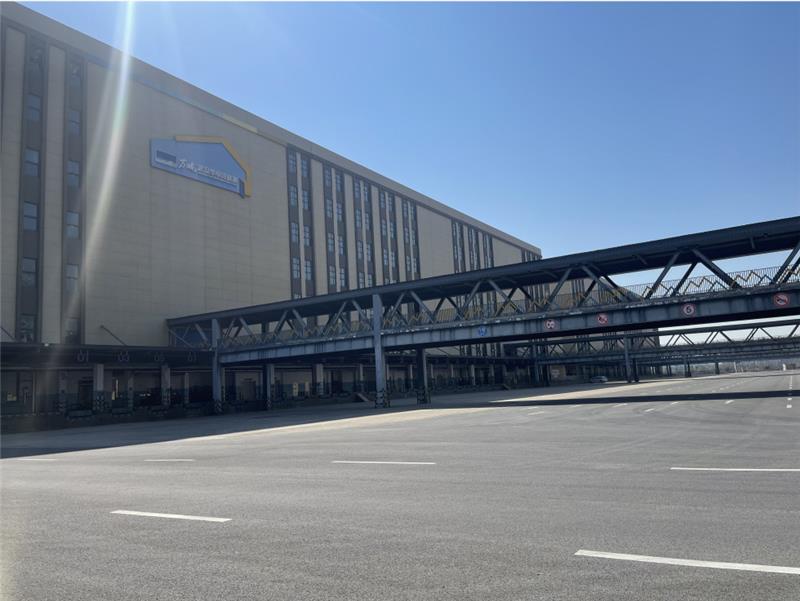
Function Analysis Table for Third-Party Warehouse Regions
Receiving Area (Quality Inspection and Warehouse Entry Zone)
The main functions of the receiving area (quality inspection and warehousing area) are unloading, inspection, handling, warehousing, and registration.
You can understand it like this: logging in is akin to posting accounts. As soon as a batch of goods arrives, you need to record it immediately. Forgetting to do so can lead to errors.
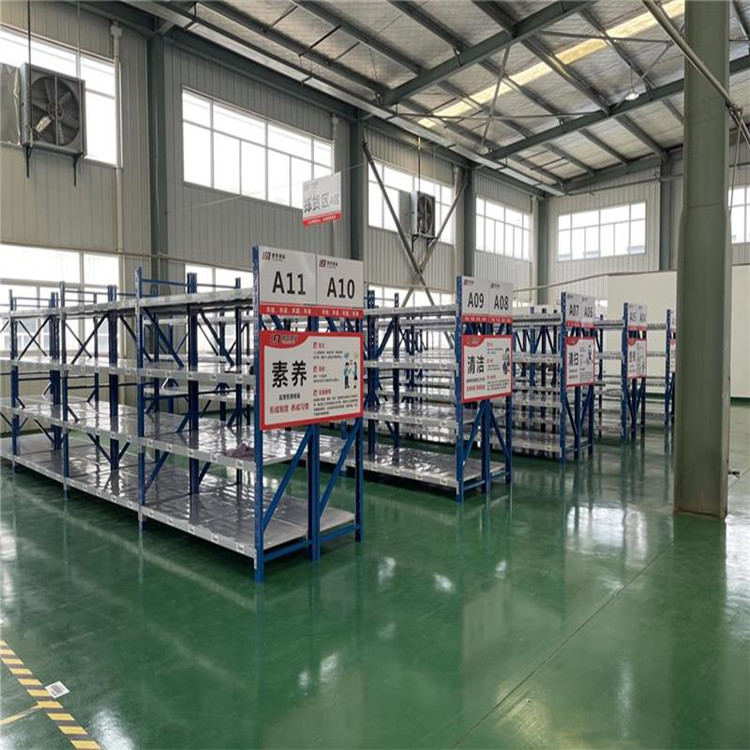
Bulk Storage Area
Labels in the storage area must be hung properly, clearly and legibly, as this is part of the identification culture.
When discussing identification culture, please note that at the entrance of third-party warehousing facilities, a very prominent sign should read "No Smoking, Unauthorized Personnel Not Allowed," indicating the importance of the warehouse. Strictly enforce a smoke-free zone within 10 meters of the warehouse perimeter. Naturally, the most dangerous warehouses are typically not hazardous material warehouses. While everyone is vigilant about fire in hazardous material warehouses, non-hazardous material warehouses are often overlooked, leading to a disregard for the no-smoking requirement and an increased risk of accidents.
Bulk Area (Storage Zone)
Storage area signs must be properly hung and clearly written, as this is part of the identification culture. When discussing identification culture, please note that at the entrances of third-party warehousing facilities, use prominent wording to remind everyone, "No Smoking, Unauthorized Personnel Not Allowed," indicating the importance of the warehouse. Strictly enforce a smoking ban within 10 meters of the warehouse perimeter. Of course, the most dangerous warehouses are generally non-hazardous goods warehouses. While everyone is vigilant about fire in hazardous goods warehouses, there is a tendency to overlook the no-smoking requirements in non-hazardous goods warehouses, which can lead to accidents.
Sortation (Order Picking)
Sorting, sometimes referred to as order sorting, is done according to orders. The production line requires materials based on orders, as do the warehouse personnel, and sales shipments are also order-based. Therefore, sorting involves segregating specified items within the packing area based on quantity.
Packaging Area
The packing area involves loading the items from the order into packaging boxes and clearly labeling the destination on the outside of the boxes.
Assembly Area
From the packing area to the shipping area lies a designated zone known as the assembly area. Wuhan Cloud Warehouse handles the piece-by-piece dispatch, facilitating the movement of items from the packing area to the shipping area.
Office Area
The office area encompasses all administrative tasks for tracking the receipt, storage, and dispatch of items. An office area must be established, and it must be locked up, not open to the public. Therefore, this door for the office area should be glass, allowing visibility inside, but generally inaccessible to the general public.
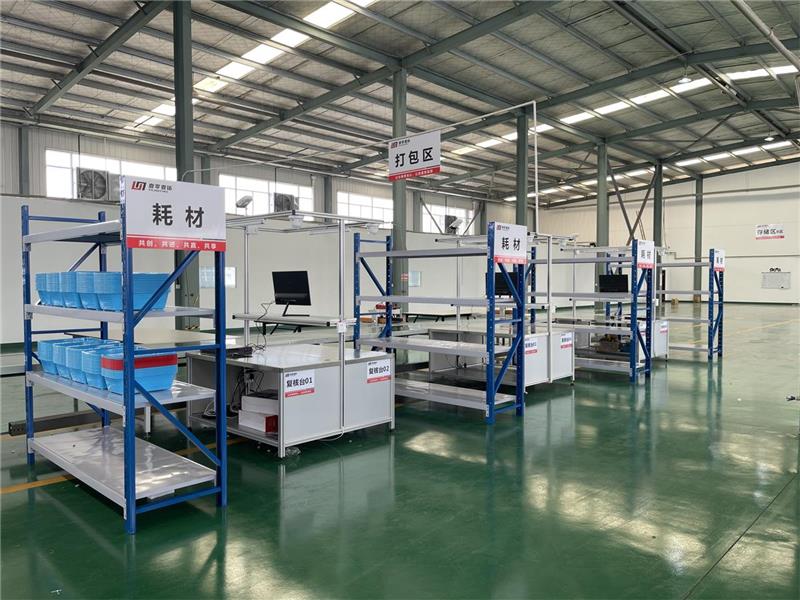
Bin Number: Once the bins are arranged, they need to be numbered.
The numbering should be done according to the following principles:
(1) "wei" principle: All inventory items have their own unique identification numbers, with no duplicates allowed.
(2) Series Principle: Numbers should be sequentially arranged by categories of items. The item numbers are not general sequential numbers of all inventory items, but segmented sequential numbers based on classification. The segmented sequence of numbering aligns with the segmented sequence of the item classification catalog.
(3) Practicality Principle: Numbers should be as short as possible for ease of memory and use.
(4) Universal Principle: The numbering should cater to various needs, making the item number serve as both a location number, a reserve quota item number, an account number for material ledger, and also a code for the computer.
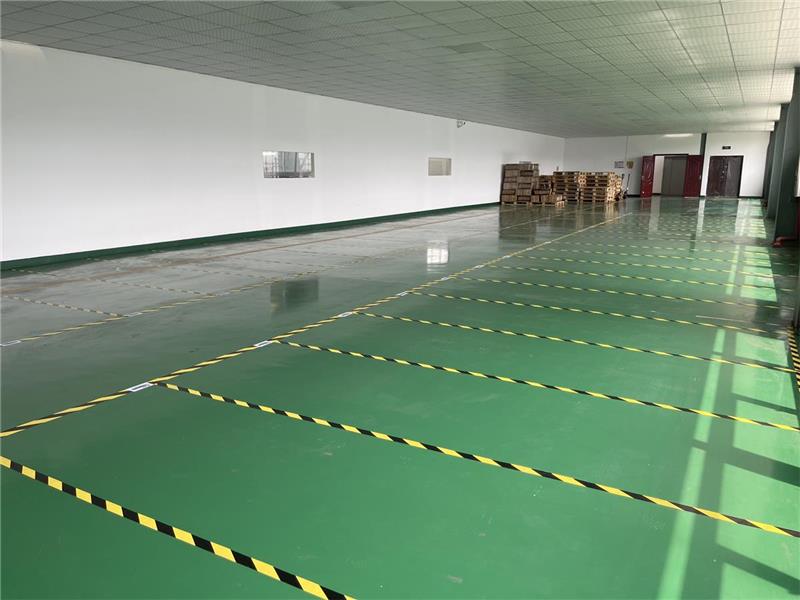
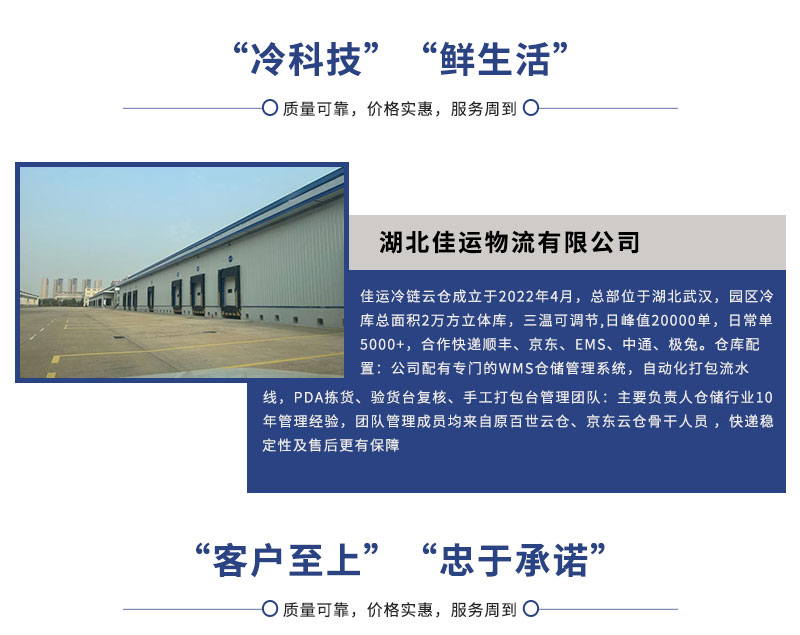
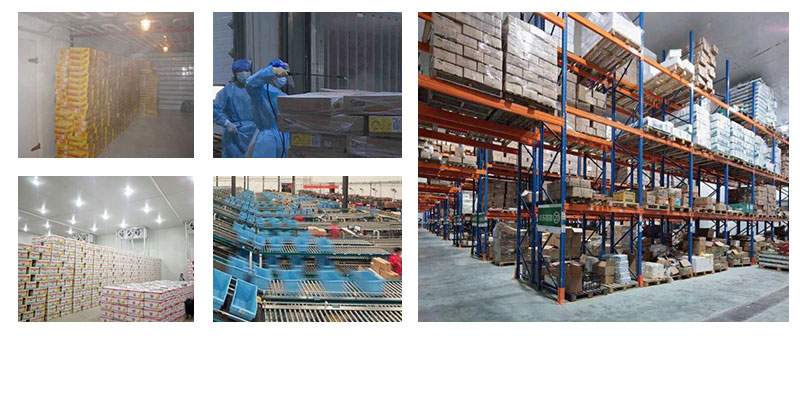
JiaYun Cold Chain Cloud Warehouse (Multiple Photos) - Wuhan Cloud Warehouse One-Stop Distribution is provided by Hubei JiaYun Logistics Co., Ltd. "Cold Chain Warehouse, Frozen Products Warehouse, Fresh Produce Warehouse" choose Hubei JiaYun Logistics Co., Ltd. The company is located at: No. 2 Warehouse, Wuhan Huazhou Cold Chain Port, Huaione District, Ezhou City, Hubei Province. For many years, JiaYun Logistics has been committed to providing excellent service to our clients. Contact: Mr. Song. Welcome all new and old customers to call, write, visit, and discuss business. JiaYun Logistics looks forward to becoming your long-term partner!