











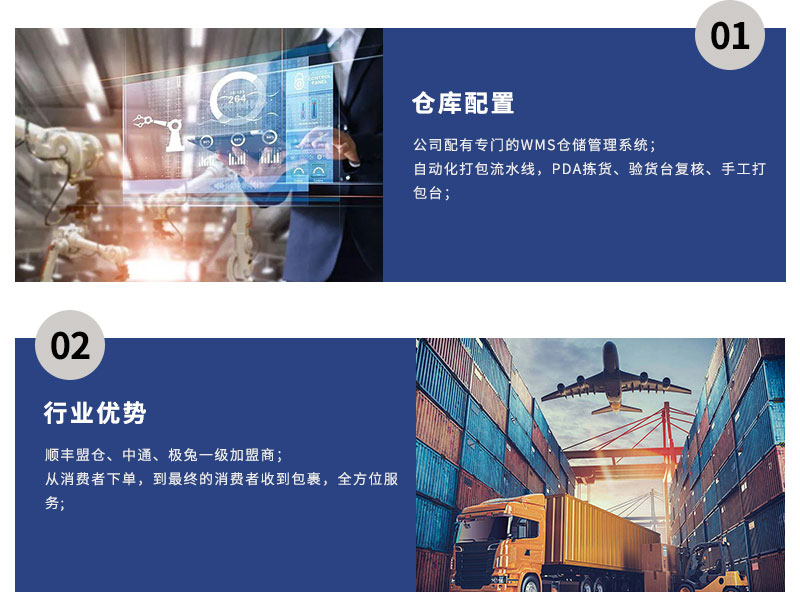
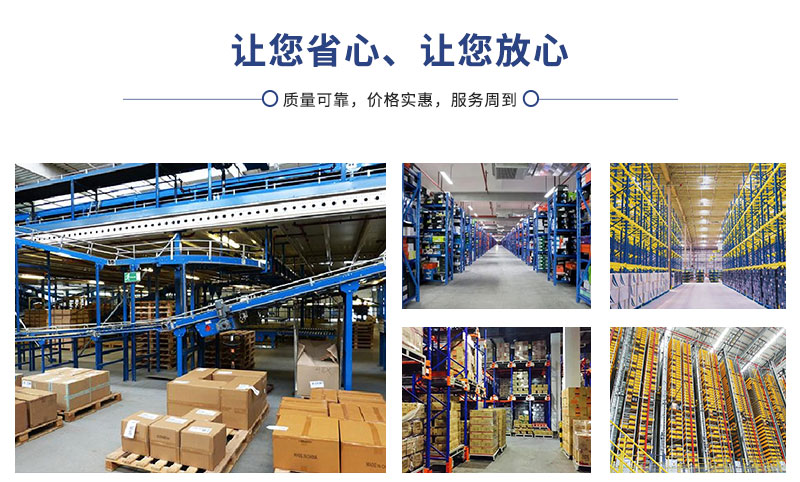
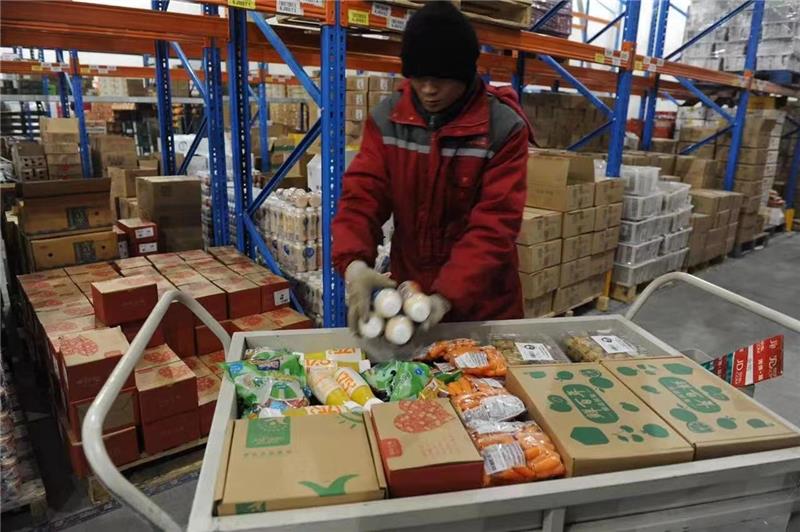
In today's fresh produce delivery, many people spend their days dealing with various vegetables, meats, rice, noodles, oils, and grains. Among them, the packaging of fresh goods comes in a myriad of shapes and sizes. Just to name a few, there are foam boxes, plastic baskets, cardboard boxes, plastic bags, and jute bags.
This is because fresh produce has always been prone to short shelf life, spoilage, and wear and tear. Applying different packaging is a protective method developed through years of summary and accumulation by fresh produce distributors, who combine the characteristics of various products during long-term production activities, effectively extending the shelf life of vegetable goods.
Key Points for Cold Storage of Frozen Seafood
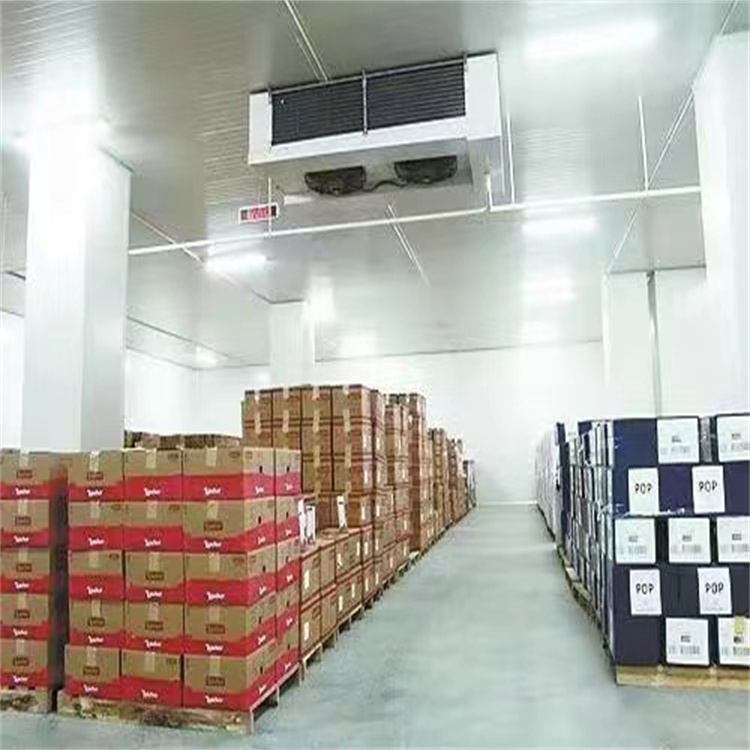
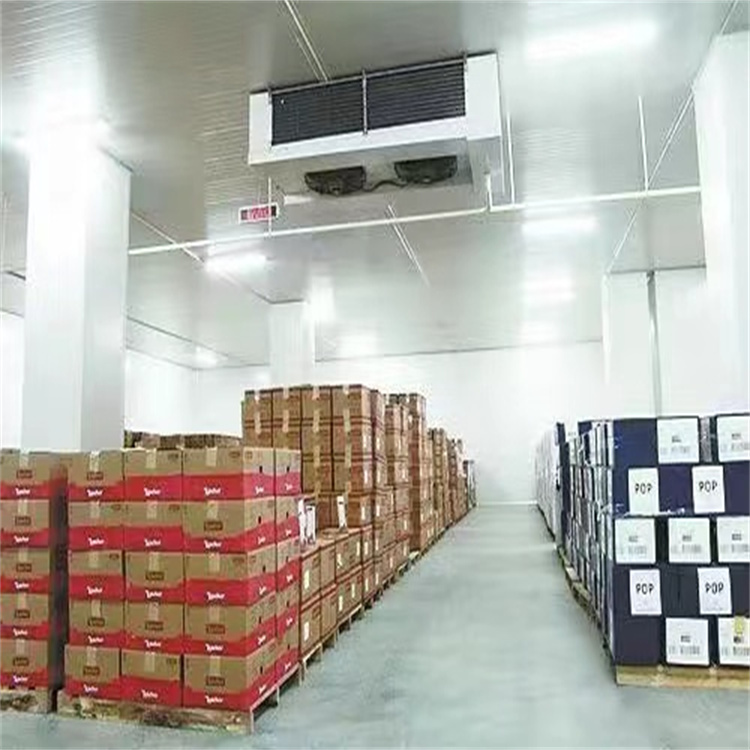
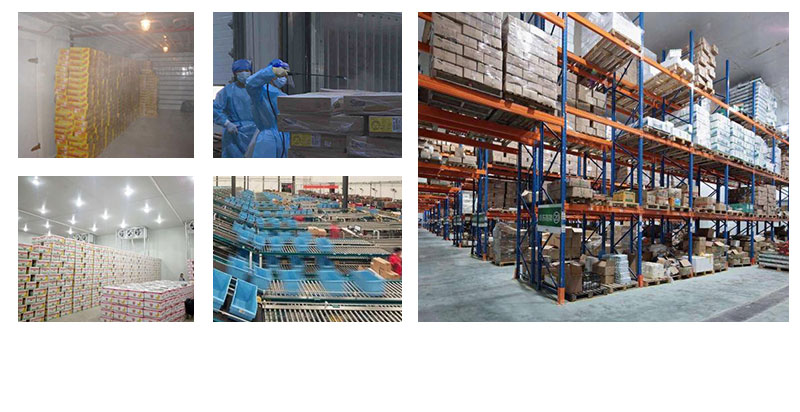
Cold storage panels are typically made of polyurethane double-sided stainless steel color steel, offering good sealing, light weight, and easy installation.
2. Refrigeration units for cold storage typically use a condenser parallel system to meet the cooling capacity requirements for seafood storage.
3. The temperature control system for seafood cold storage can be set to appropriate temperatures and humidity as required.
Important considerations for storing seafood in cold storage:
1. When seafood is received, detailed information such as the time of arrival, quantity, and variety must be recorded to ensure proper storage safety. If any spoiled food is found, it should be handled promptly.
2. Ensure the cooling equipment is fully utilized and operated efficiently to freeze seafood quickly, maintaining the cold storage temperature below -18℃ and the high-temperature storage temperature around 0℃. The temperature should remain stable; significant fluctuations can affect the quality of the seafood.
2. Minimize the door opening time for employees entering the cold storage. The cold storage door should be closed. Store seafood goods in one batch. Uncold seafood cannot be stored in the low-temperature cold storage to minimize heat entry as much as possible. If the temperature in the low-temperature cold storage rises above -8°C, seafood products should be refrozen and then stored in the low-temperature cold storage.
4. Products that do not meet quality requirements must not be stored in cold storage. Seafood should be stacked neatly and tightly, with packaged and unpackaged products stored separately.
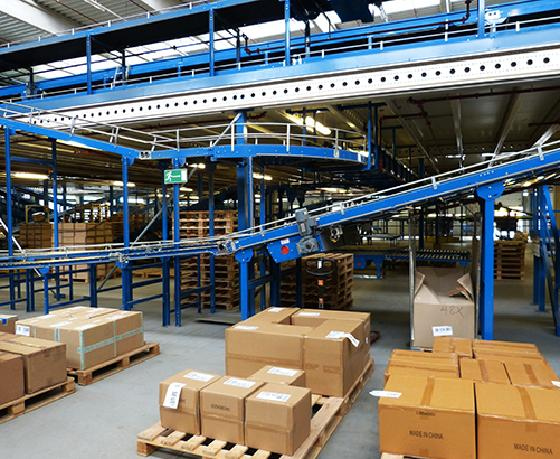
Characteristics of Refrigerated Logistics
Hubei cold chain logistics refers to the continuous maintenance of specified low temperatures throughout all stages of production, storage, transportation, sales, and consumption of refrigerated and frozen products. This comprehensive engineering system ensures food quality and reduces product loss through fresh storage and distribution. Compared to ambient temperature logistics, the main differences are the need for consistent low temperatures, the requirement for a full cold chain, involvement of more disciplines, more complex management, and higher costs.
(1) Timeliness
Due to the perishable or hard-to-store nature of products carried by cold chain logistics, it is essential for the operations to be completed swiftly to ensure timeliness.
(2) Complexity
Compared to ambient logistics, refrigerated logistics involves technologies such as refrigeration, insulation, temperature and humidity monitoring, information systems, and research on product change mechanisms. Some products even fall under legal and regulatory constraints. Each product has its specific temperature and humidity requirements and storage duration, and any disruption in the supply chain would render previous efforts futile, significantly increasing the complexity of refrigerated logistics.
(3) High Costliness
Refrigerated logistics incur significantly higher costs than ambient temperature logistics. Firstly, the equipment costs are much higher; the costs for refrigerated logistics centers and cold chain vehicles are generally several times that of ambient warehouses and vehicles, and due to the need for special facilities and equipment for food and other items, substantial capital investment is required. Secondly, the operational costs of refrigerated logistics are higher; cold storage facilities need to be continuously cooled to maintain a constant temperature, leading to high electricity costs for the cold storage.
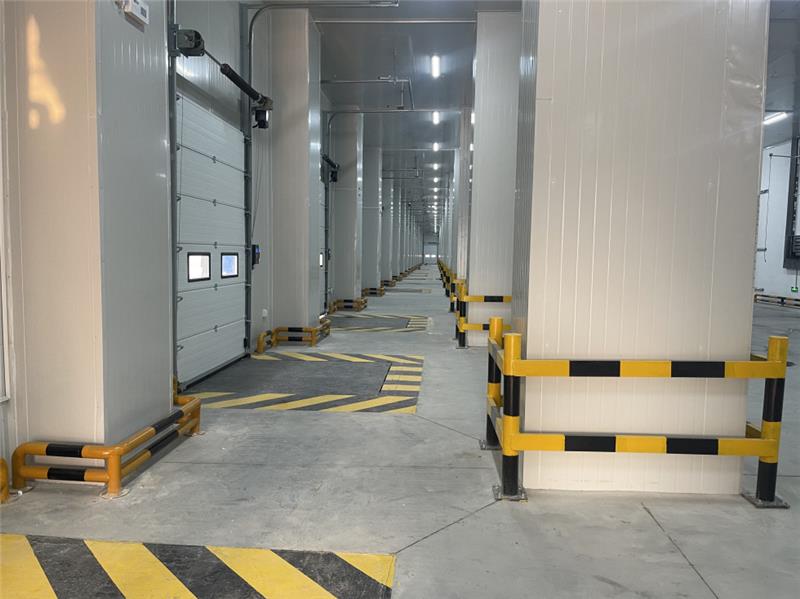
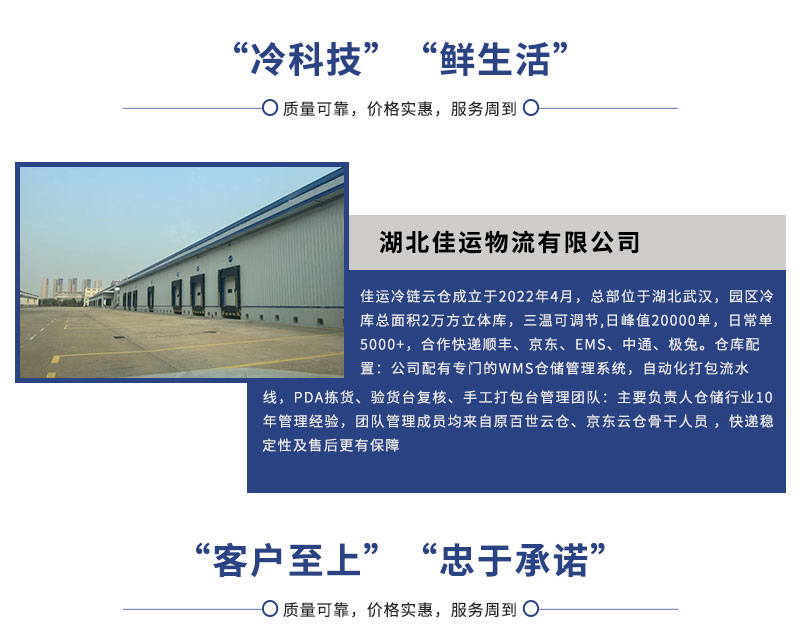
Fresh Produce Storage & Distribution - JiaYun Logistics (Recommended Supplier) provided by Hubei JiaYun Logistics Co., Ltd. Located in the Huarong District, Ezhou City, Hubei Province, at the Wuhan Central China Cold Chain Port, Warehouse No. 2. Striving and growing amidst the surge of the market economy, JiaYun Logistics has earned a favorable reputation in warehousing and distribution. All employees of JiaYun Logistics are eager to work with people of insight from all walks of life to achieve common development and create a brighter future.