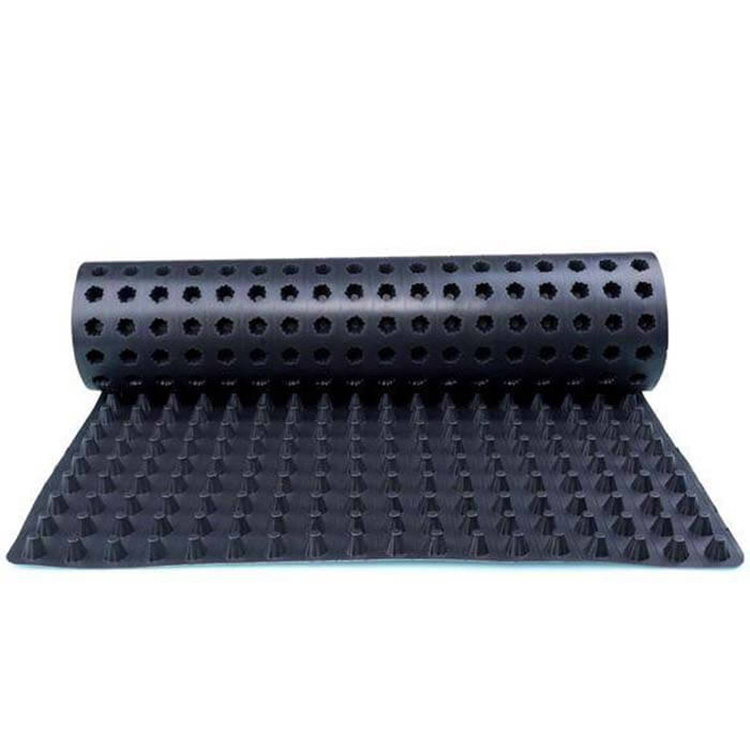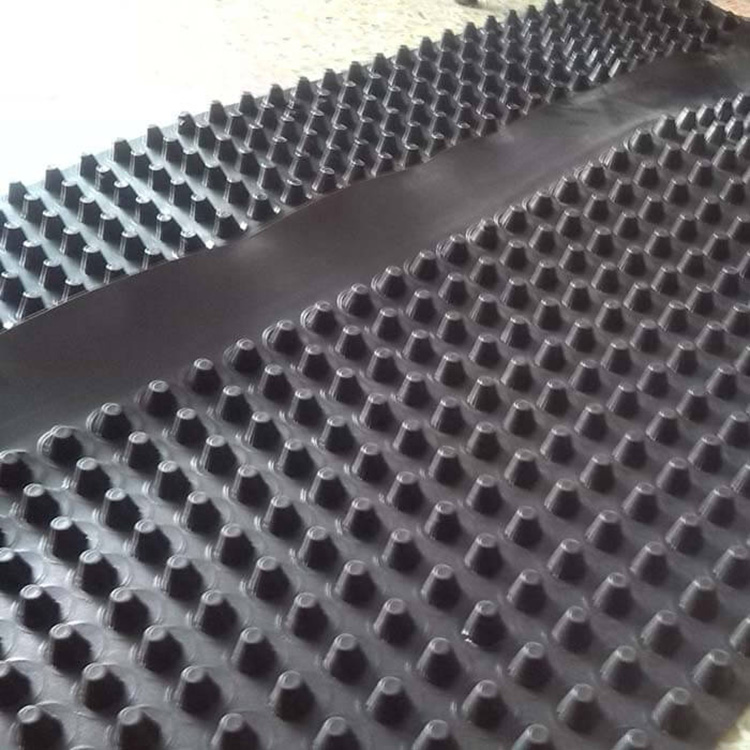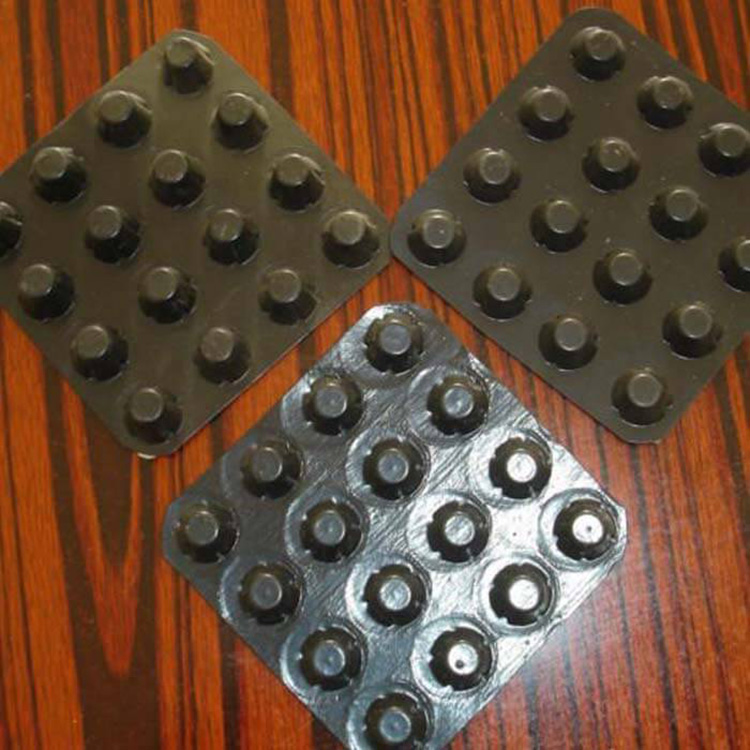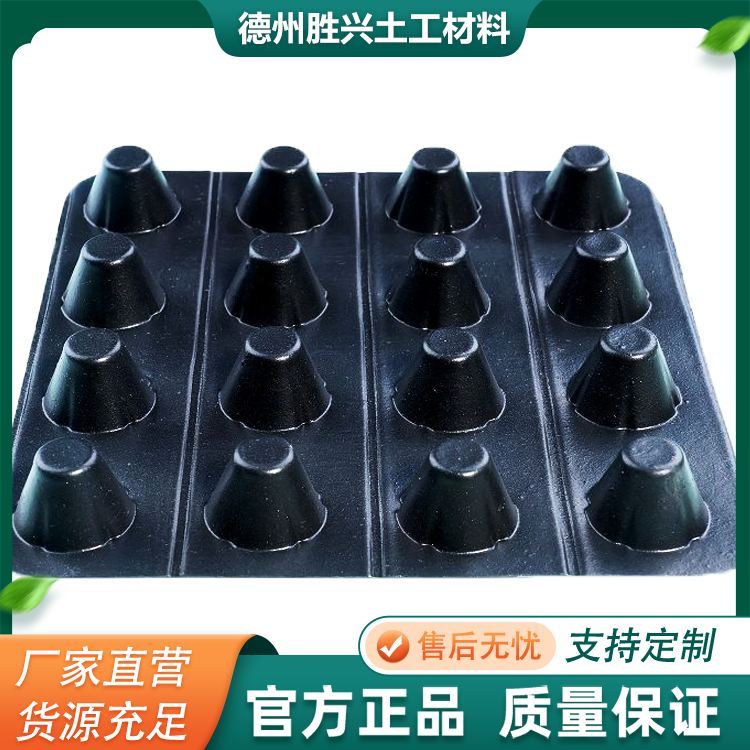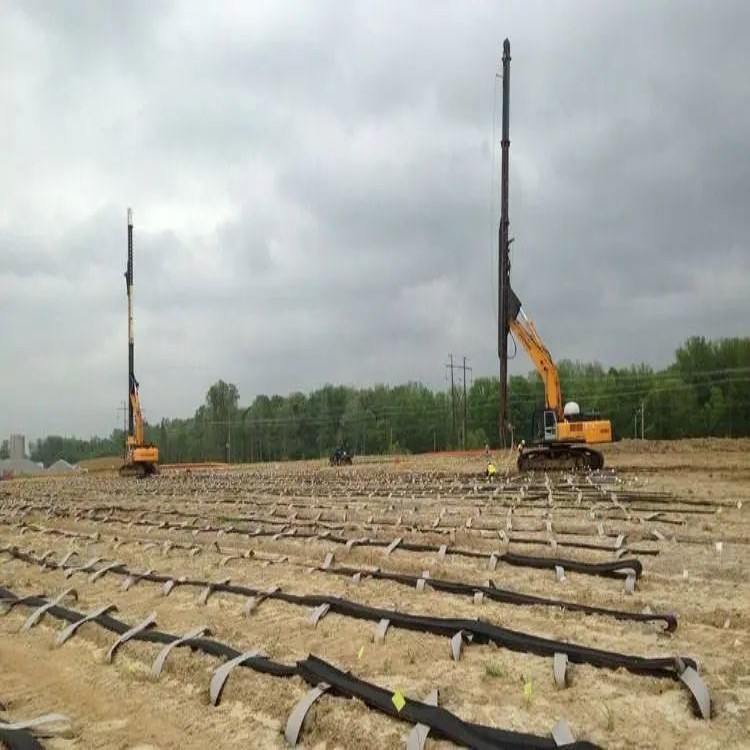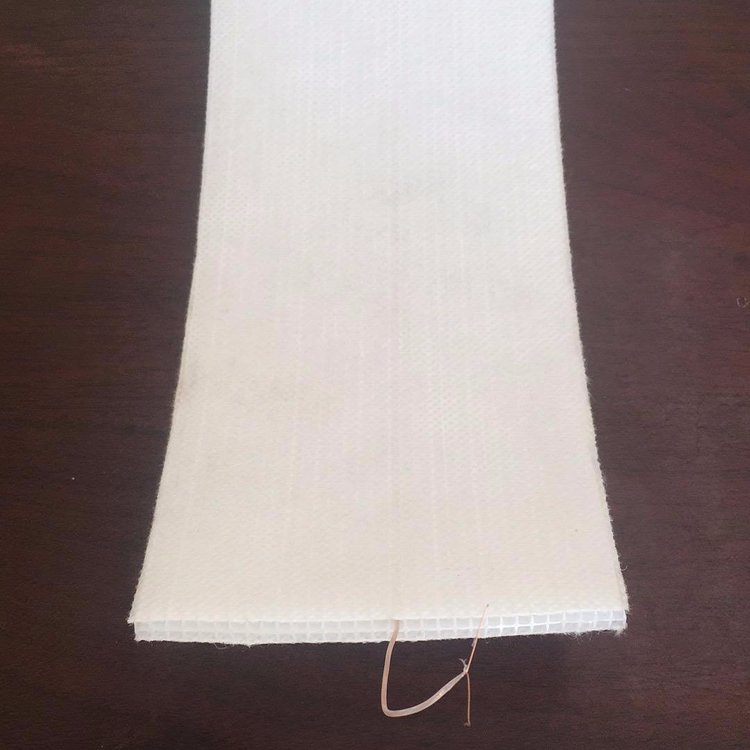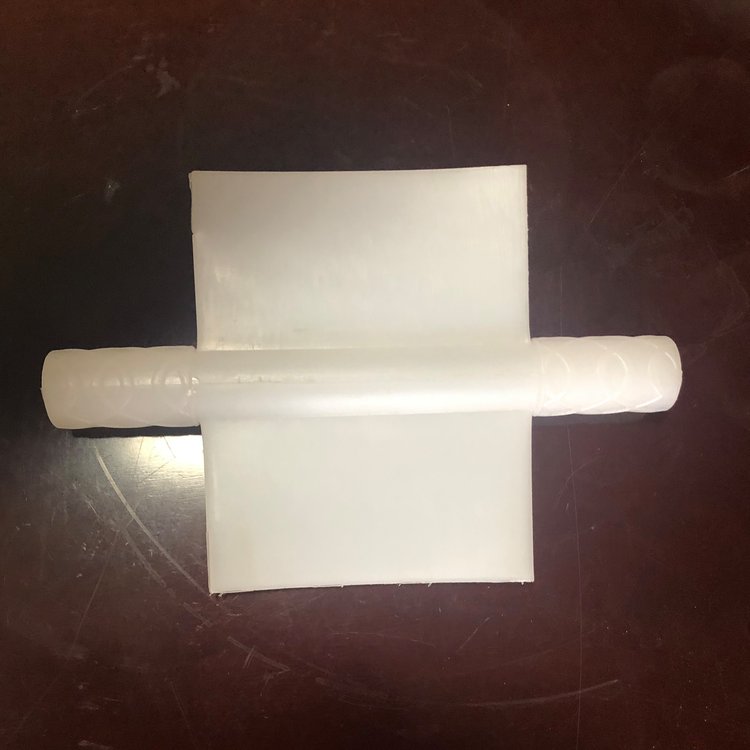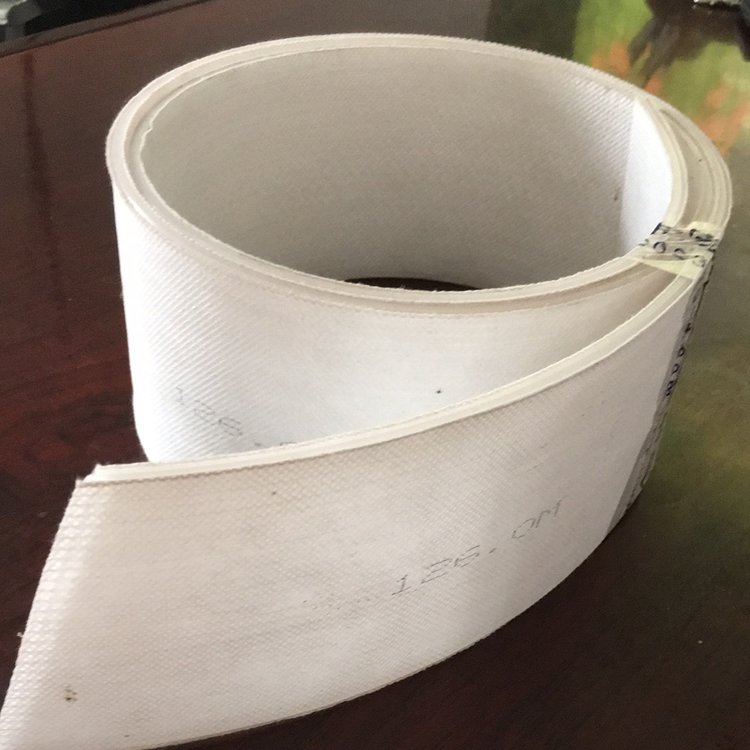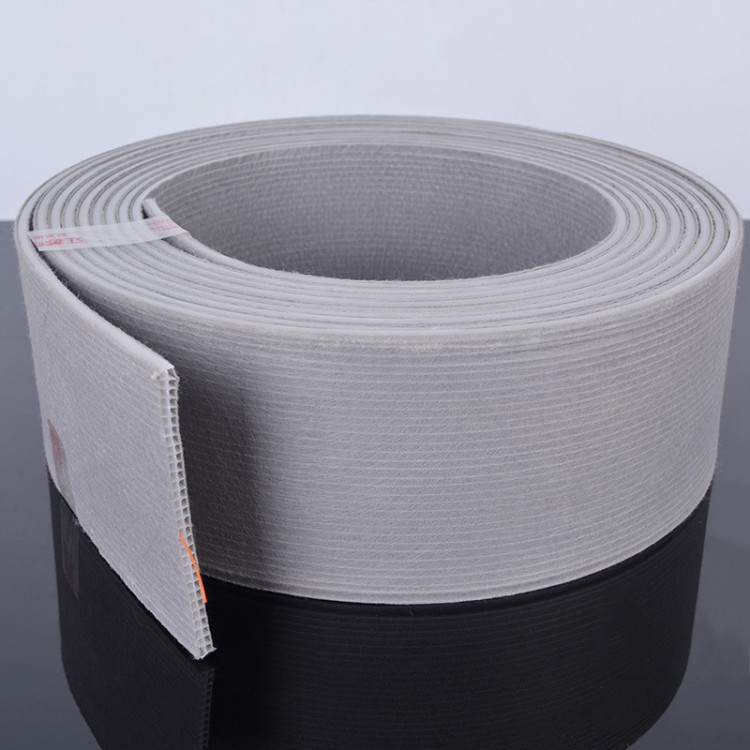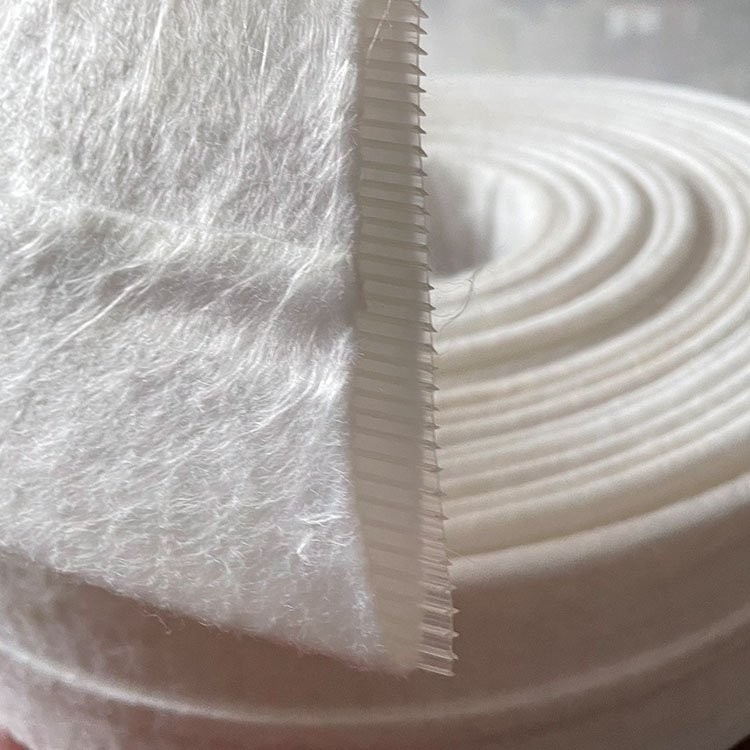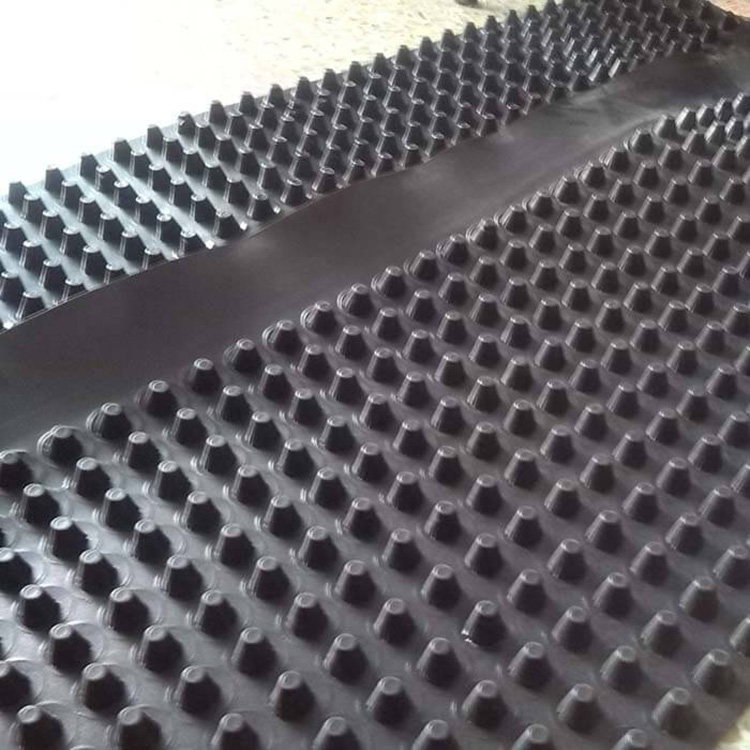

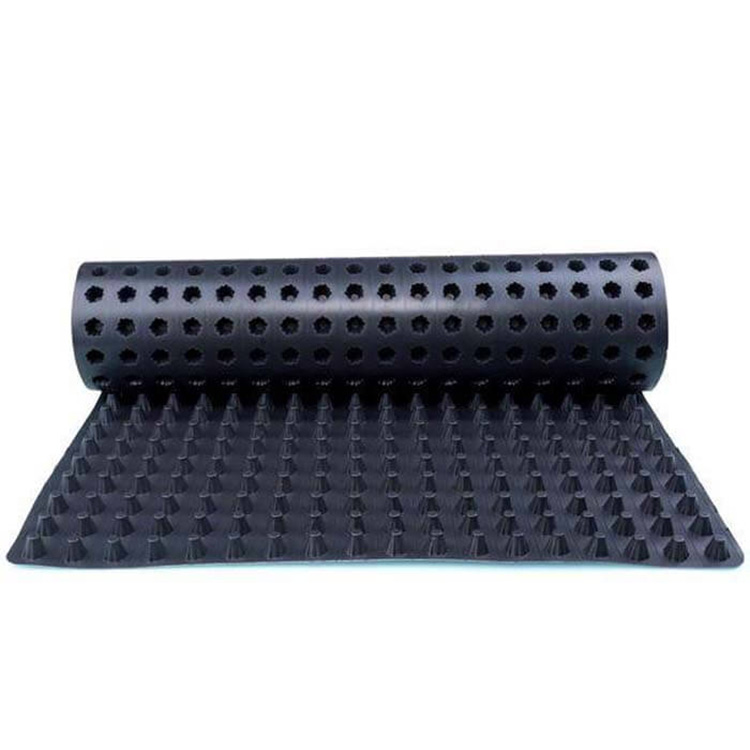


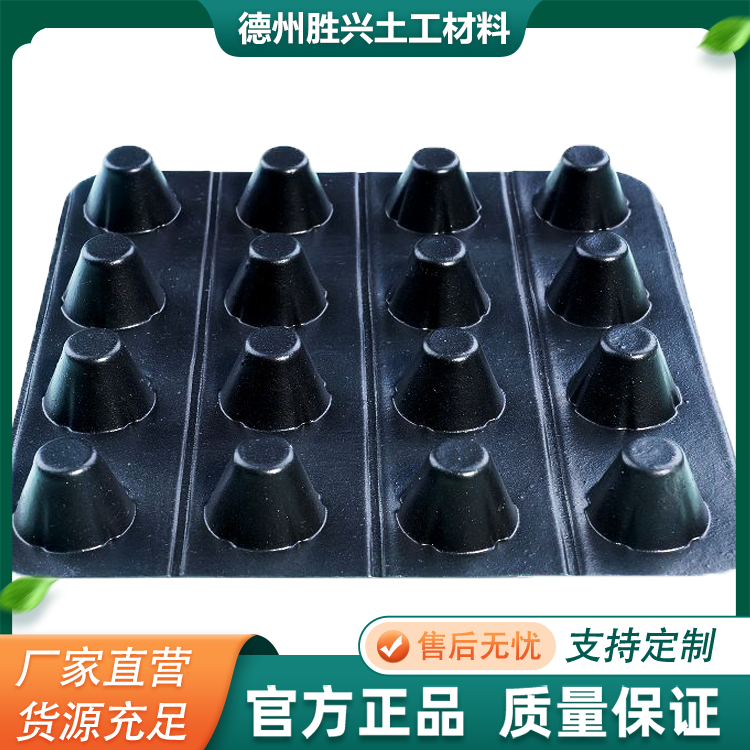







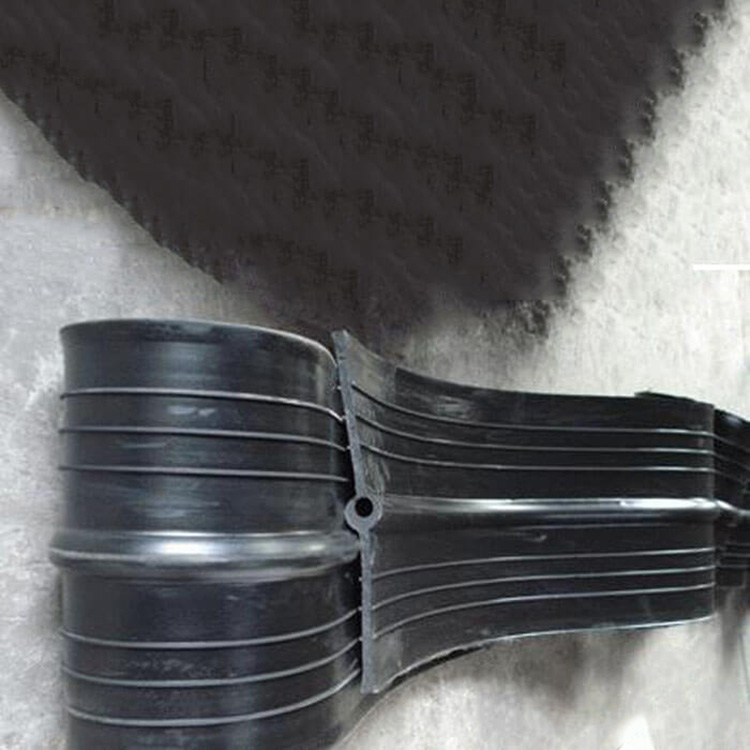
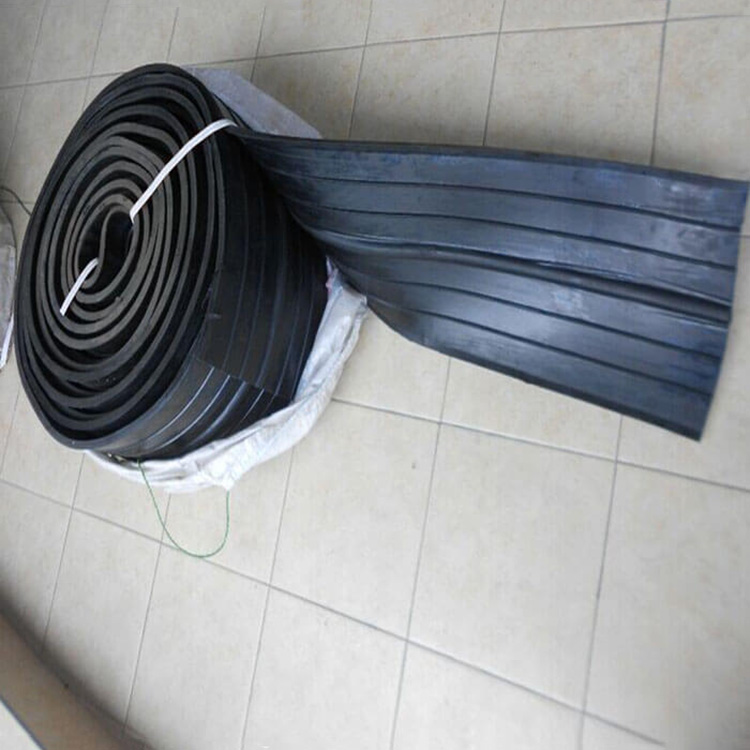
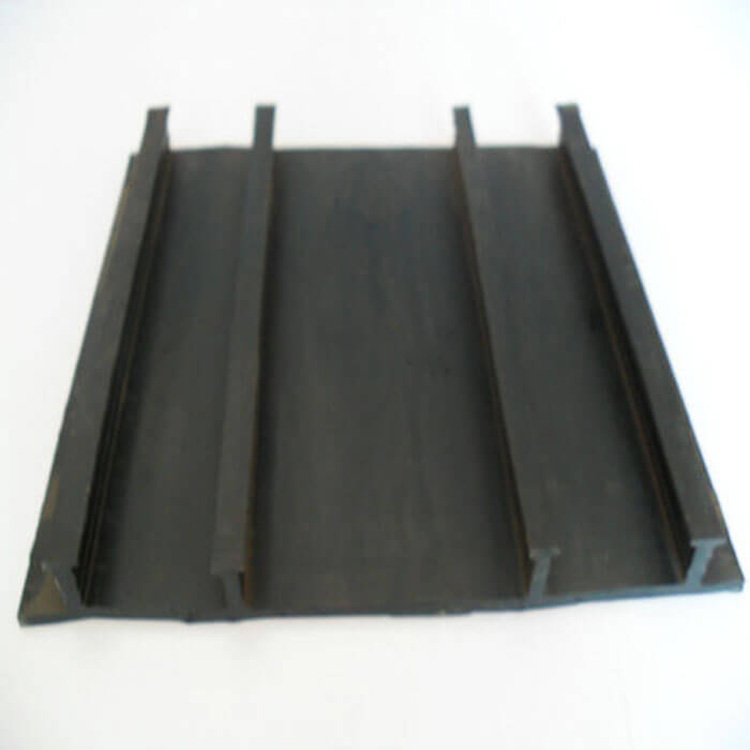
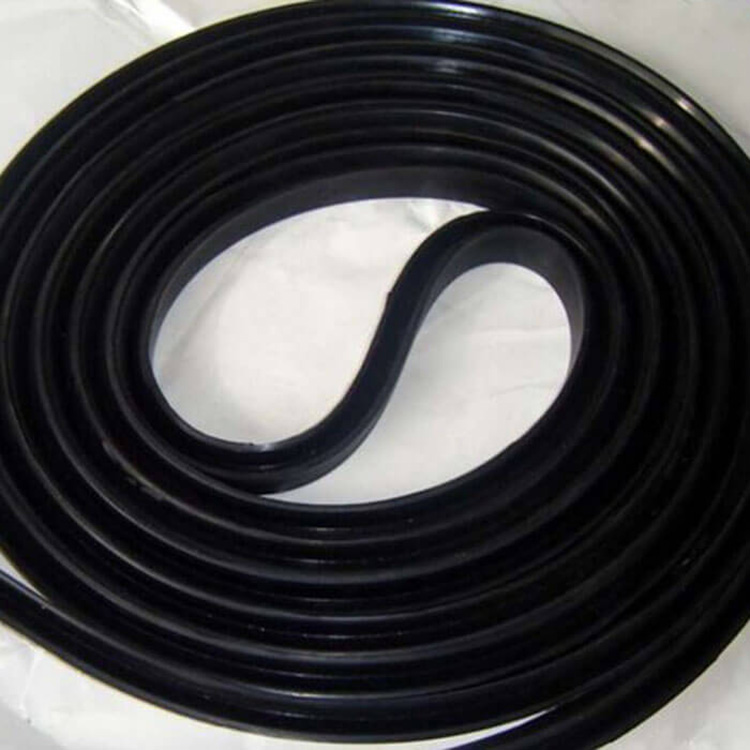
Plastic drainage boards are made by pressing plastic substrates made from polystyrene (HIPS) or polyethylene (HDPE) into conical bosses or reinforced ribs (or hollow cylindrical porous shapes). Through continuous innovation and research, the raw materials have undergone significant improvements and changes. Currently, they are produced using polyvinyl chloride (PVC) as the raw material, resulting in greatly enhanced compressive strength and overall flatness. The width ranges from 1 to 3 meters, and the length is 4 to 10 meters or more.
Primary Functions:
Water and drainage properties
A ribbed hollow structure with both waterproof and drainage protection boards, which can quickly and effectively drain rainwater, significantly reducing or even eliminating the static water pressure on the waterproofing layer. By utilizing this active water diversion principle, it achieves the effect of active waterproofing.
Waterproof Performance: The material itself, made of polyethylene (HDPE) and polystyrene (PVC) for waterproof and drainage protection, is an excellent waterproofing material. By utilizing reliable connection methods, the drainage board becomes an excellent auxiliary waterproofing material.
Protective measures
Waterproof and drainage protection boards effectively safeguard structures and waterproofing layers, as well as resist various acids, alkalis, and root thorns in the soil. During backfilling around the exterior walls of underground buildings, they protect the structure and waterproofing from damage.
Soundproofing and ventilation with moisture-proof function:
Laboratory data shows that polyethylene (HDPE) and polyvinyl chloride (PVC) waterproof and drainage protective panels can effectively reduce indoor noise by 14 decibels at 500 Hz, offering significant noise reduction and soundproofing capabilities. When used on the ground or walls, these waterproof and drainage boards also provide excellent ventilation and moisture-proofing effects.
Application Scope:
Greening Projects: Garage Roof Greening, Rooftop Gardens, Vertical Greening, Sloping Roof Greening, Football Fields, Golf Courses.
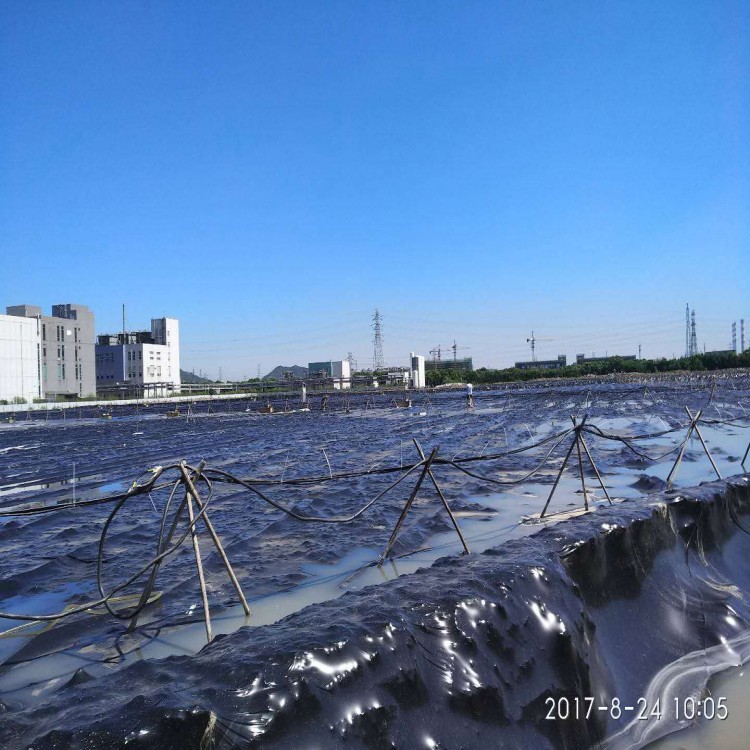
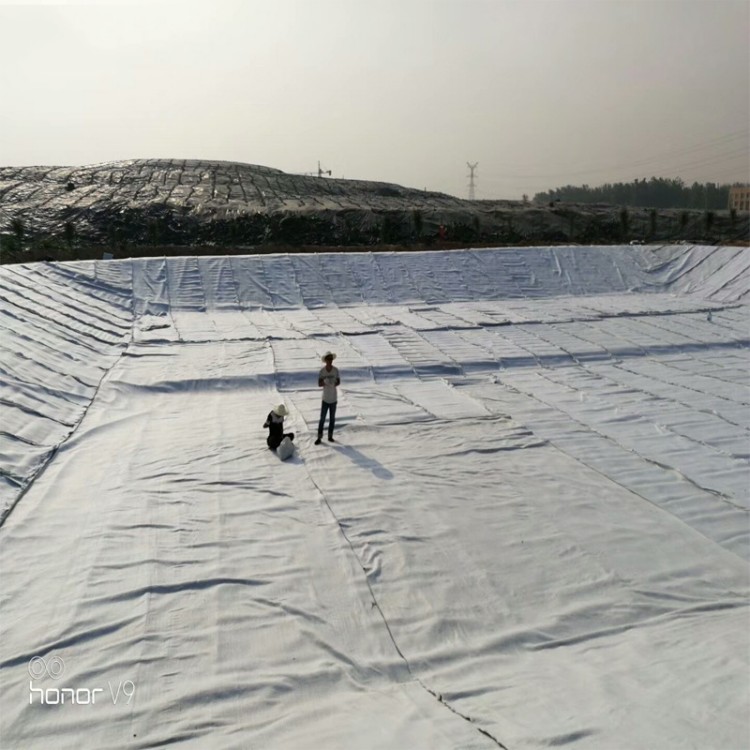
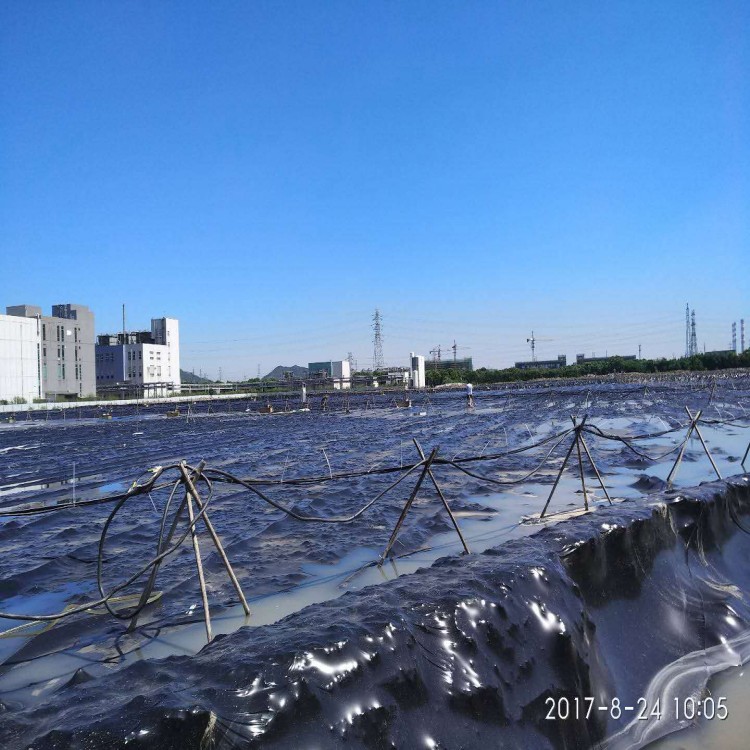
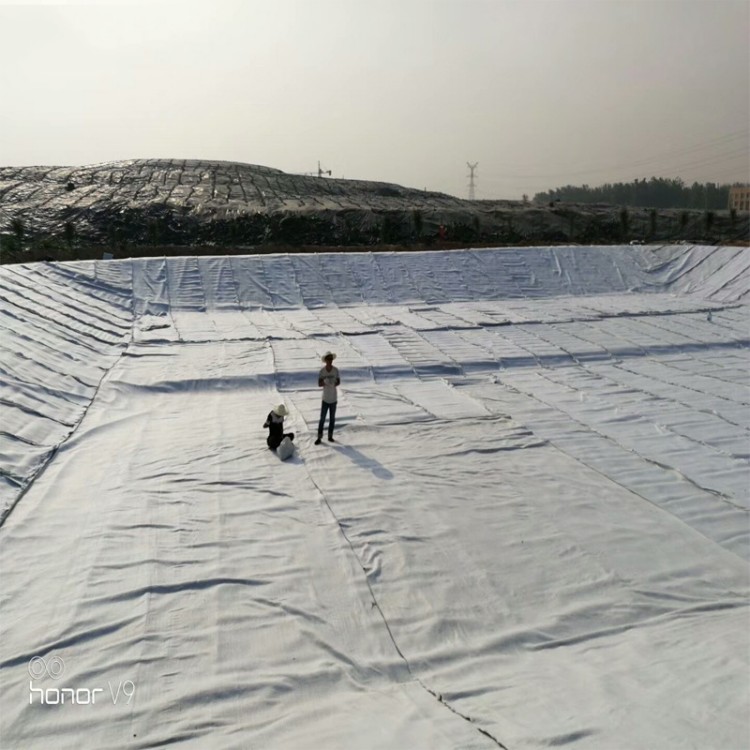
Municipal Engineering: airports, road subgrades, subways, tunnels, landfill sites.
Construction Engineering: Upper and lower stories of buildings, interior and exterior walls and slabs of basements, as well as roof, waterproofing and insulation layers.
Hydrological Engineering: Dams for water seepage prevention, reservoirs, artificial lake seepage prevention.
Traffic Engineering: Highway, railway subgrade, embankments, and retaining layers.