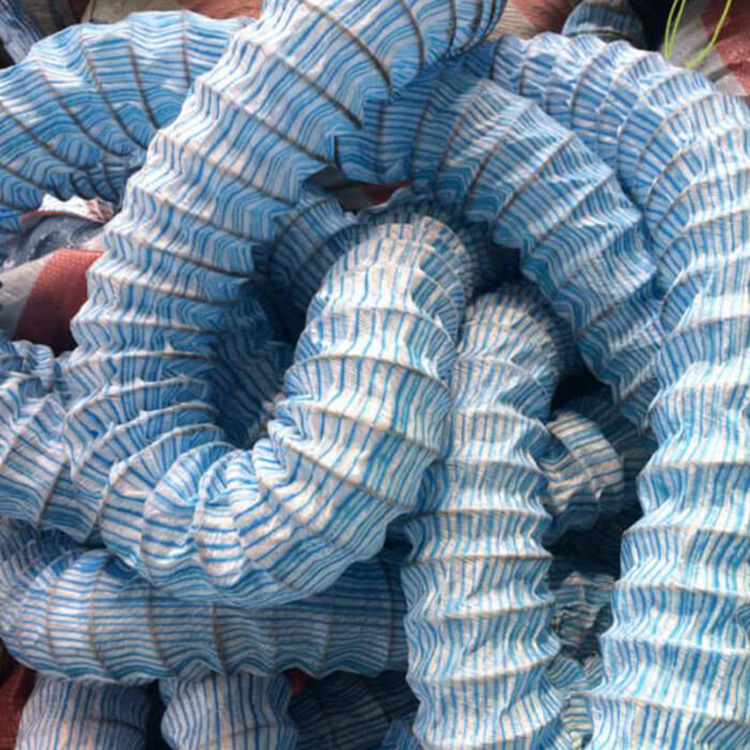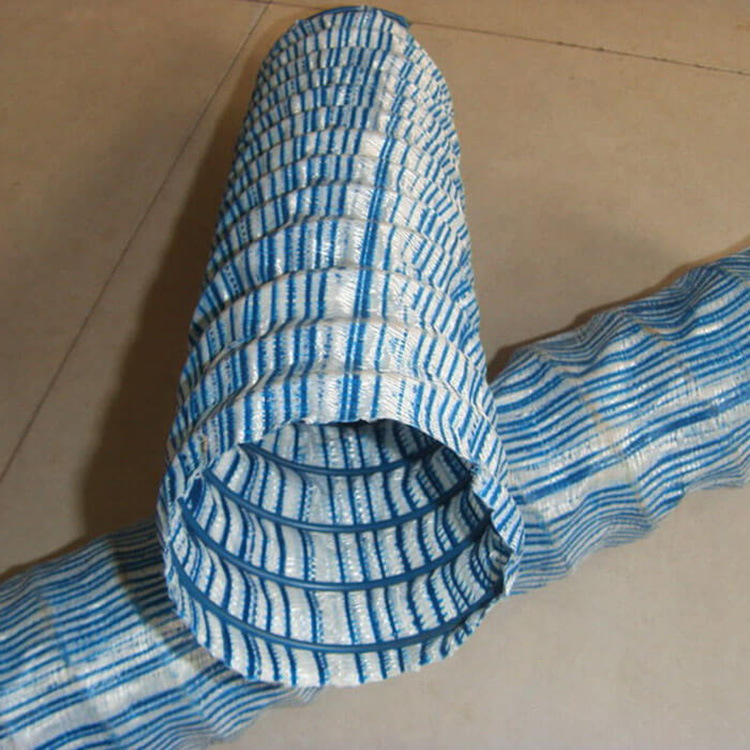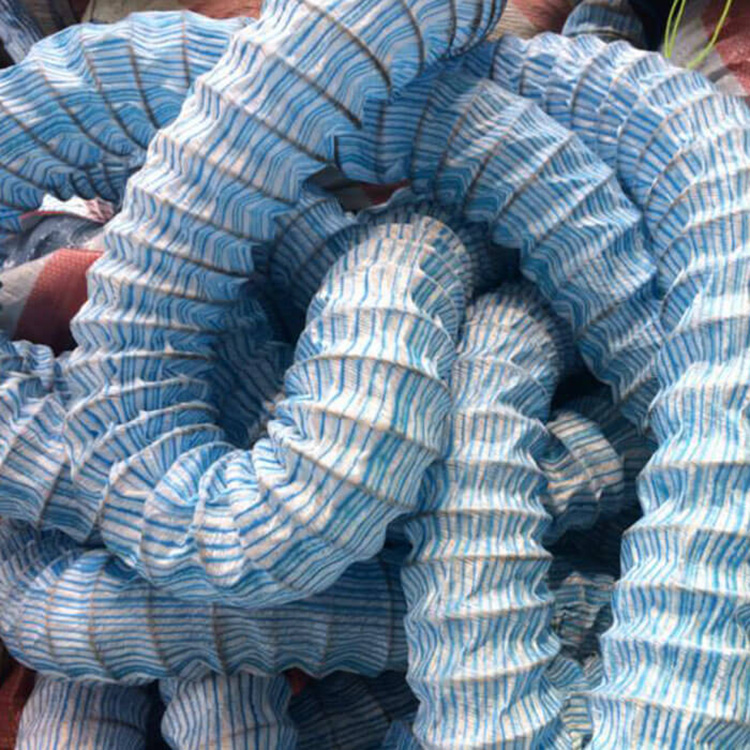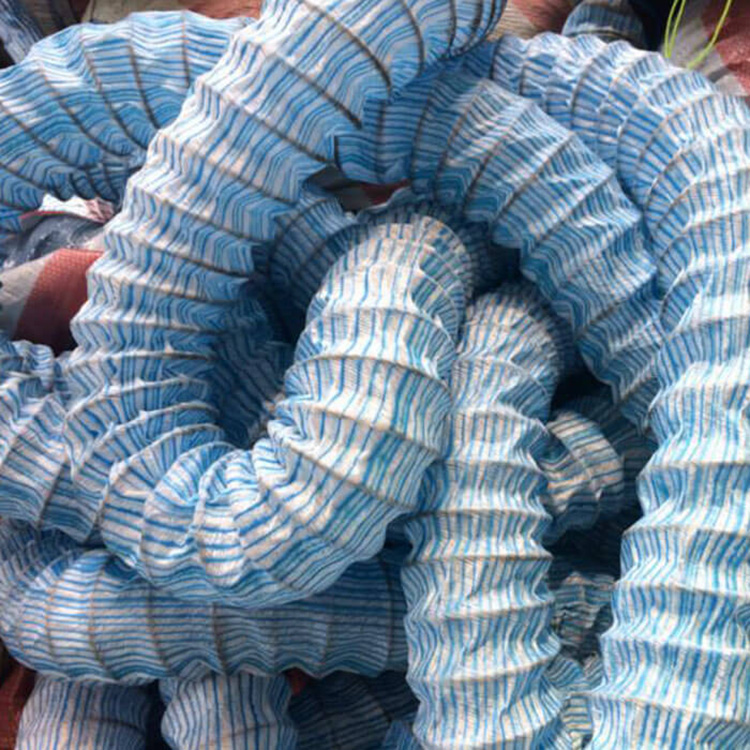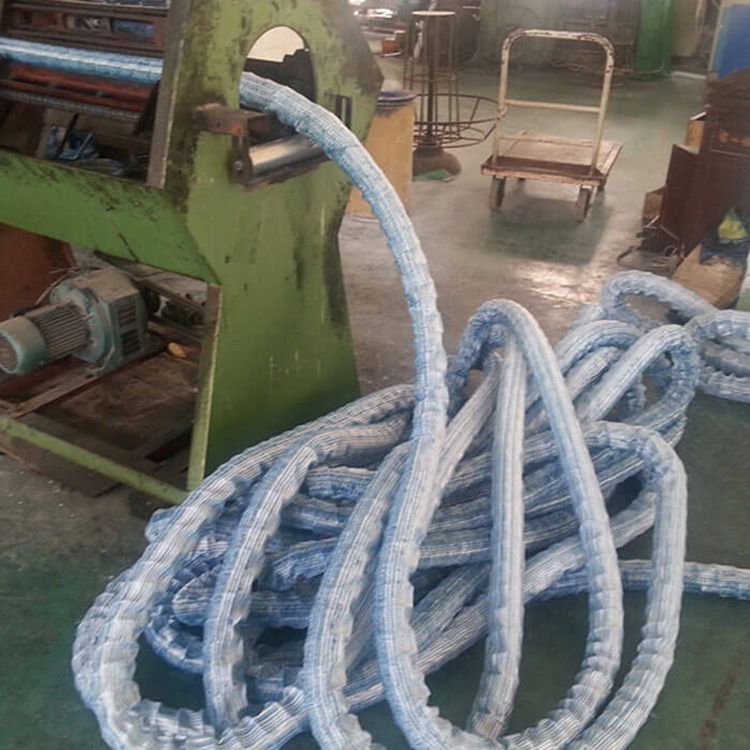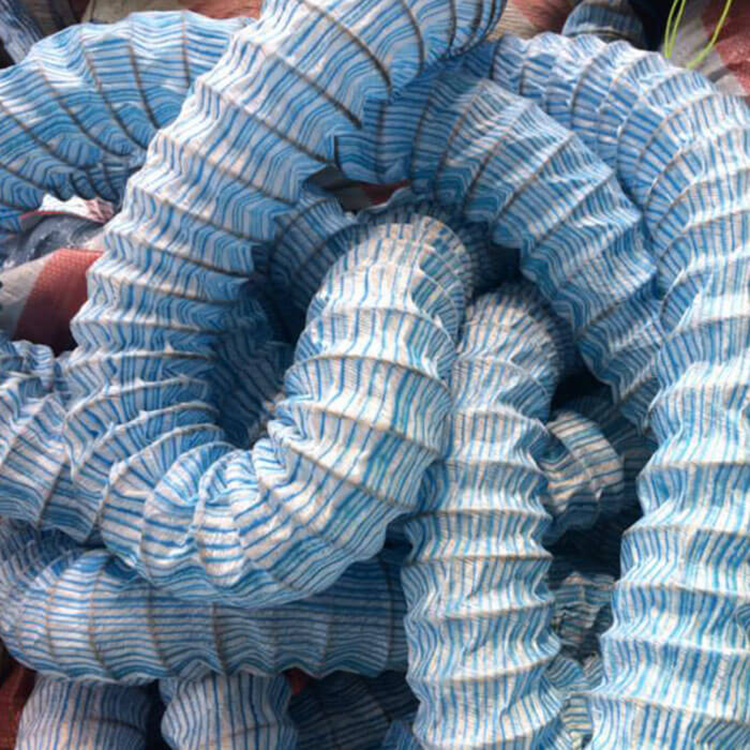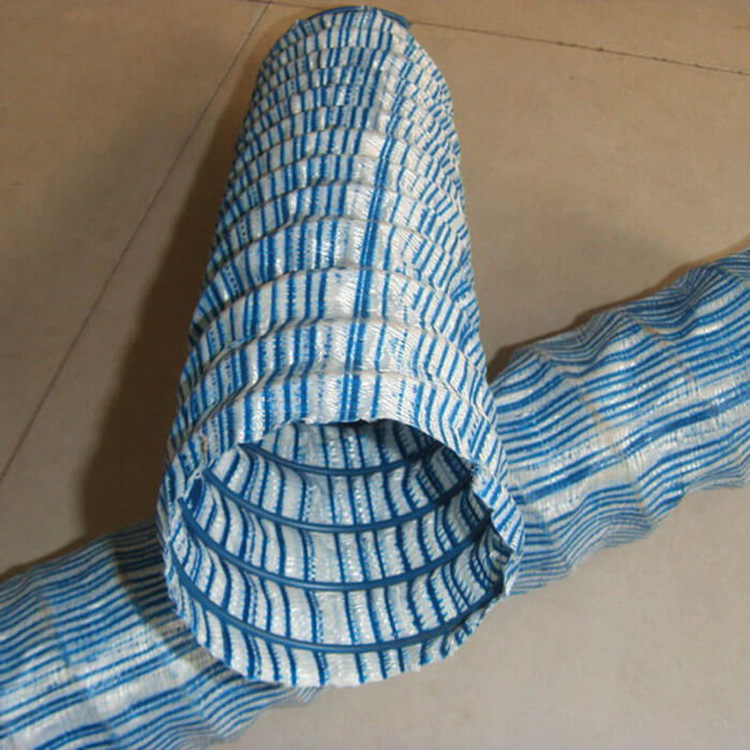

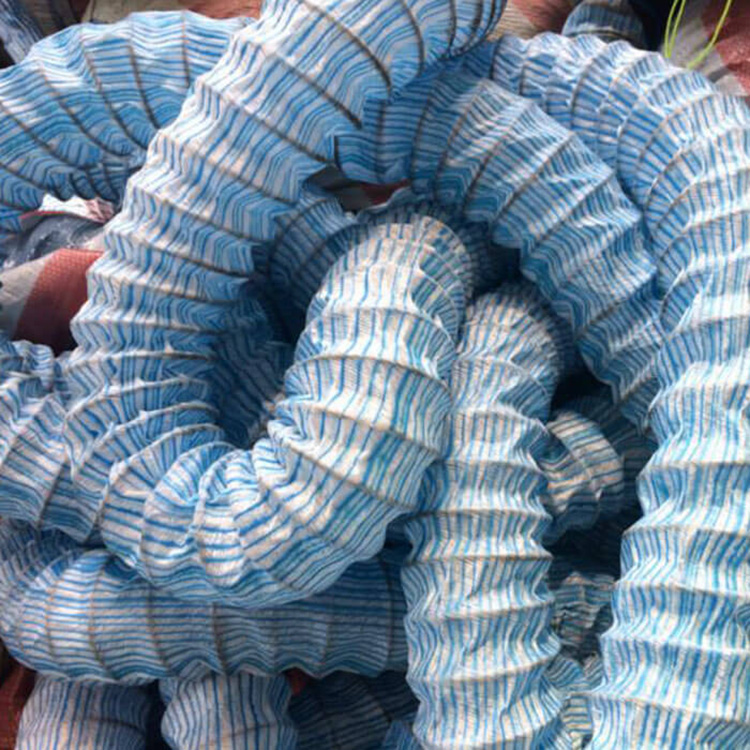
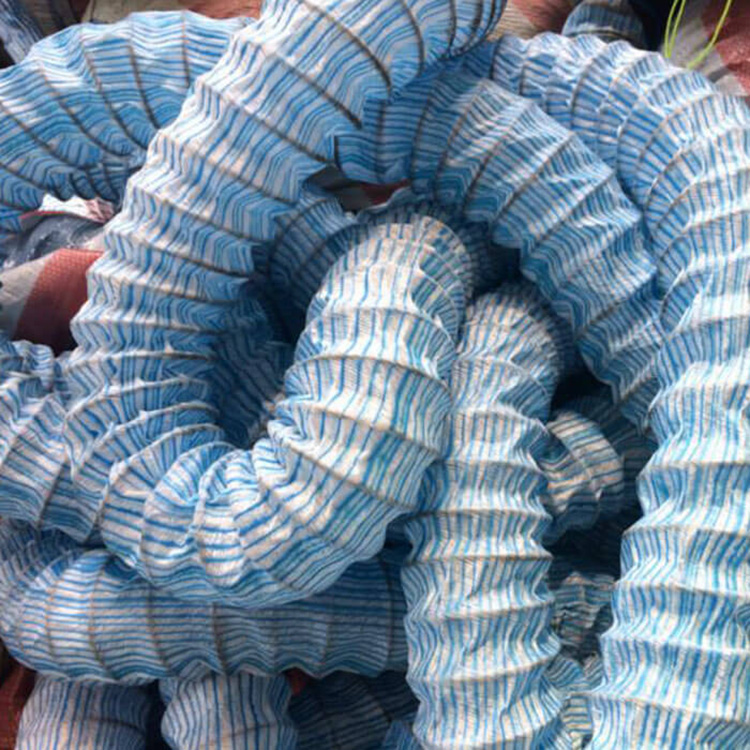


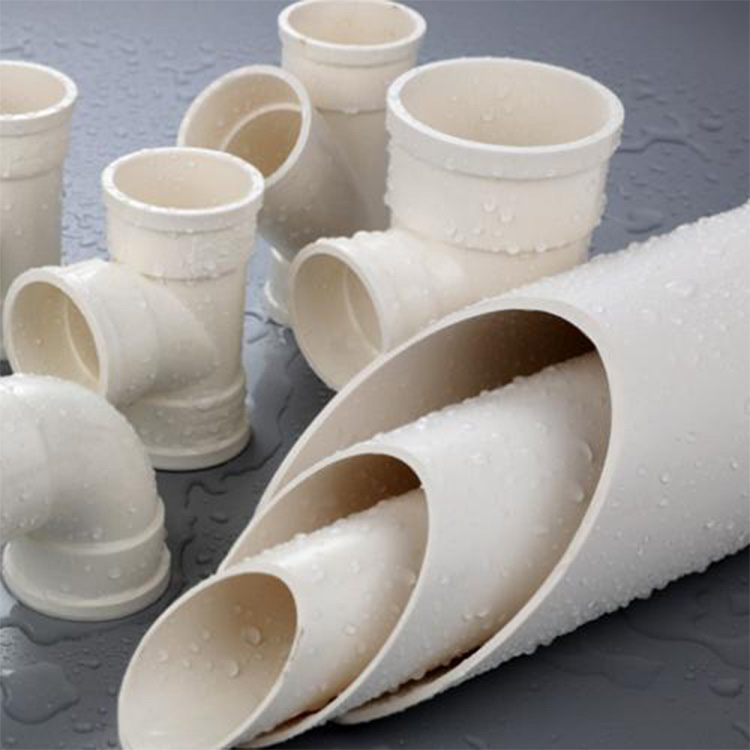







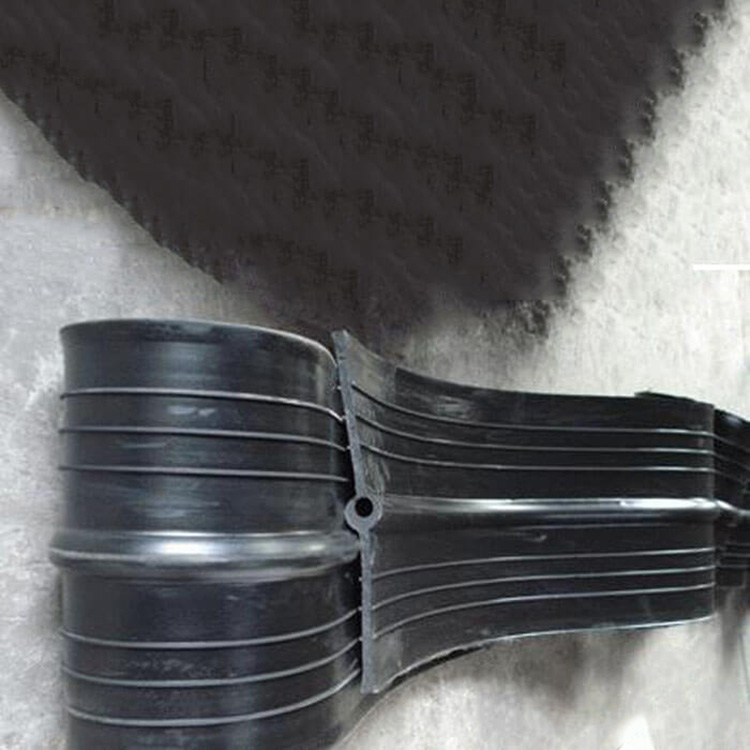
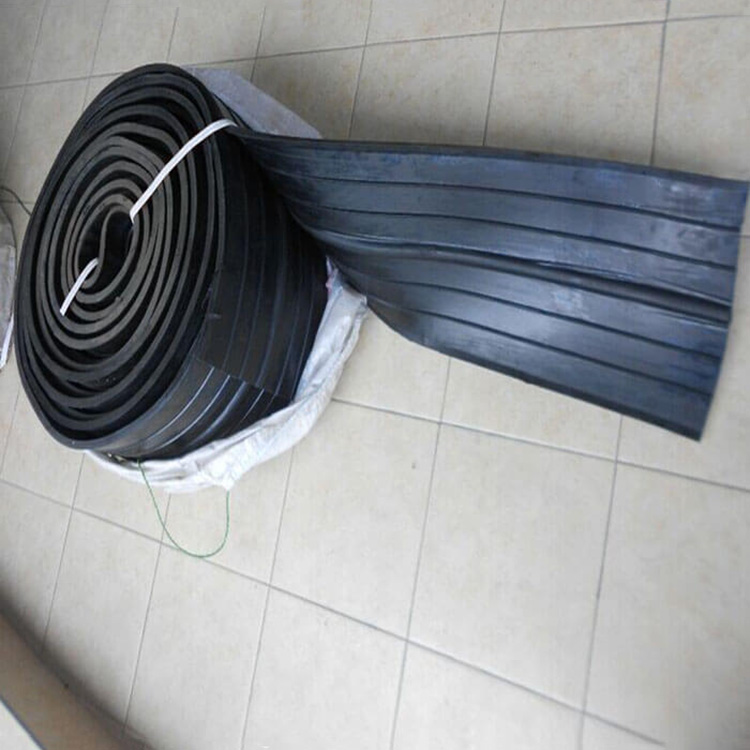
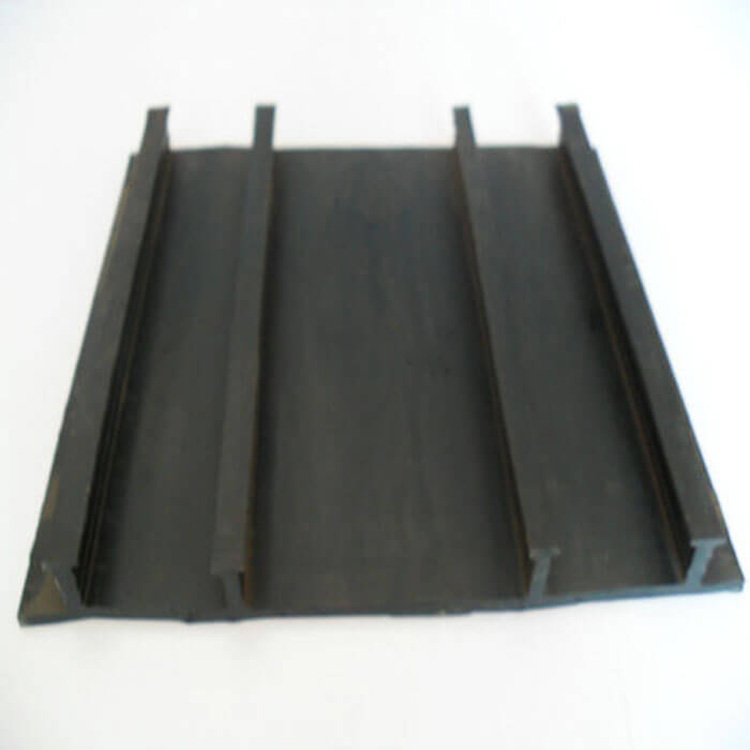
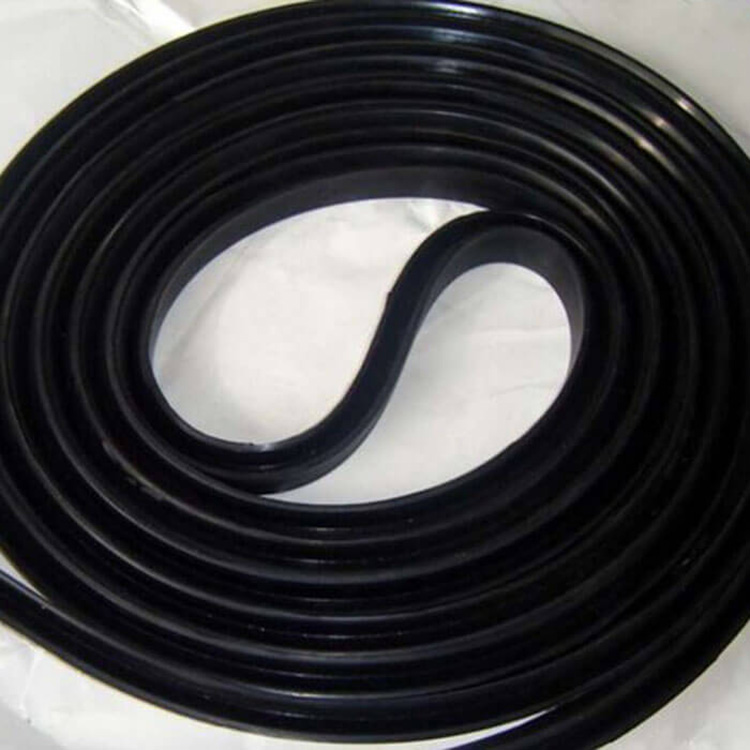
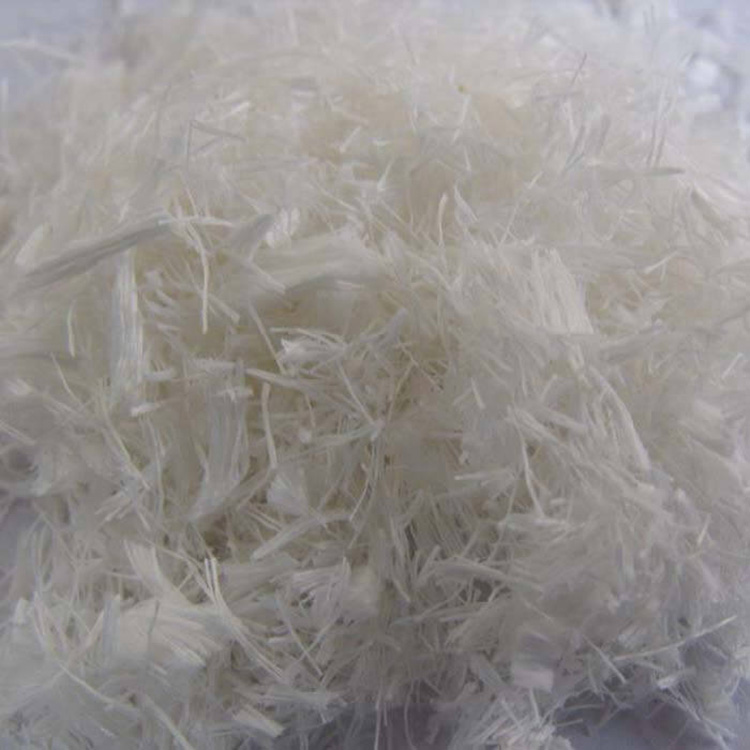
A flexible drainage pipe is a new type of material that provides reverse filtration and drainage functions. It overcomes many drawbacks of other drainage pipes. By utilizing the "capillary" phenomenon and "siphon" principle, it integrates water absorption, permeability, and drainage into one, meeting engineering design requirements for pressure resistance, permeability, and reverse filtration effects.
Features:
Materials for forming flexible permeable pipes
1) High-carbon steel wire: Phosphated for rust prevention, coated with PVC to guard against acid and alkali corrosion. The unique spiral steel wire frame ensures the smoothness of the pipe wall surface and its pressure-bearing capacity.
2) Non-woven filter layer: Ensures effective filtration and prevents sediment from entering the pipe.
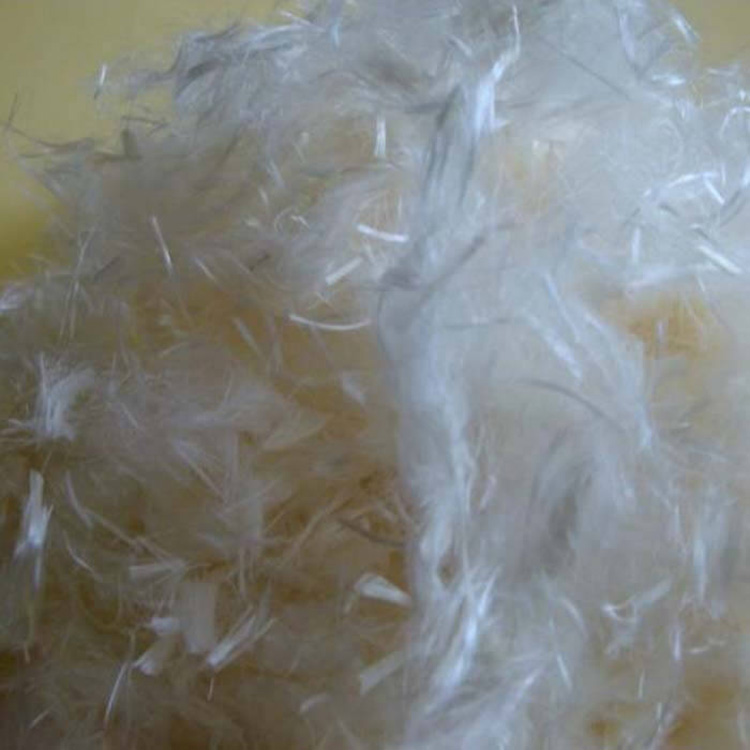
3) Synthetic Polyester Fiber: Weaving yarns are made of high tenacity polytracord or nylon yarn coated with PVC, while weft yarns are made of special fibers, offering sufficient tensile strength.
2. Characteristics of Flexible Perforated Drainage Pipes:
1) Small pore diameter, permeable, with good water permeability.
2) High compressive and tensile strength, with a long service life.
3) Excellent corrosion and antimicrobial resistance properties.
4) Good overall continuity, fewer joints, and easy connection.
5) Soft texture, good soil adhesion, and other advantages.