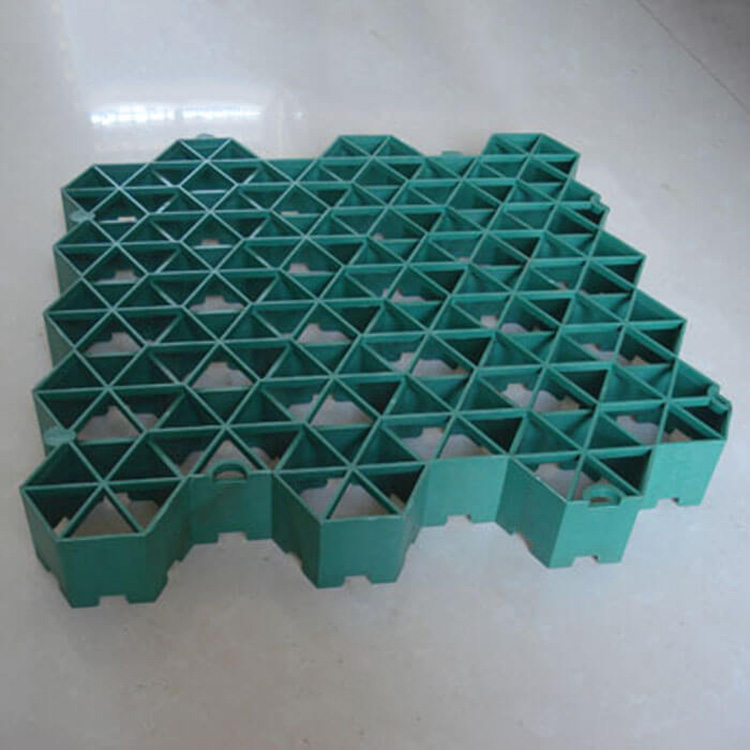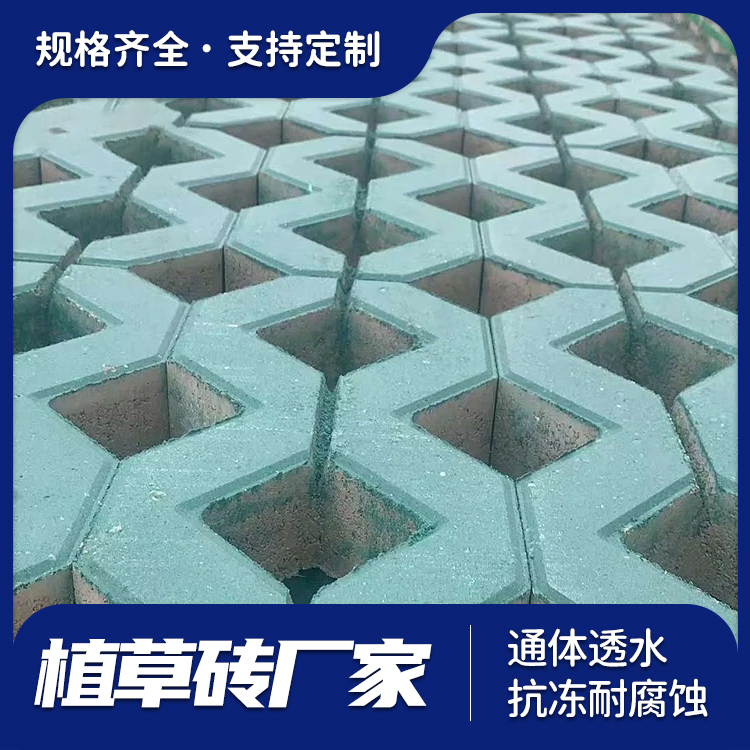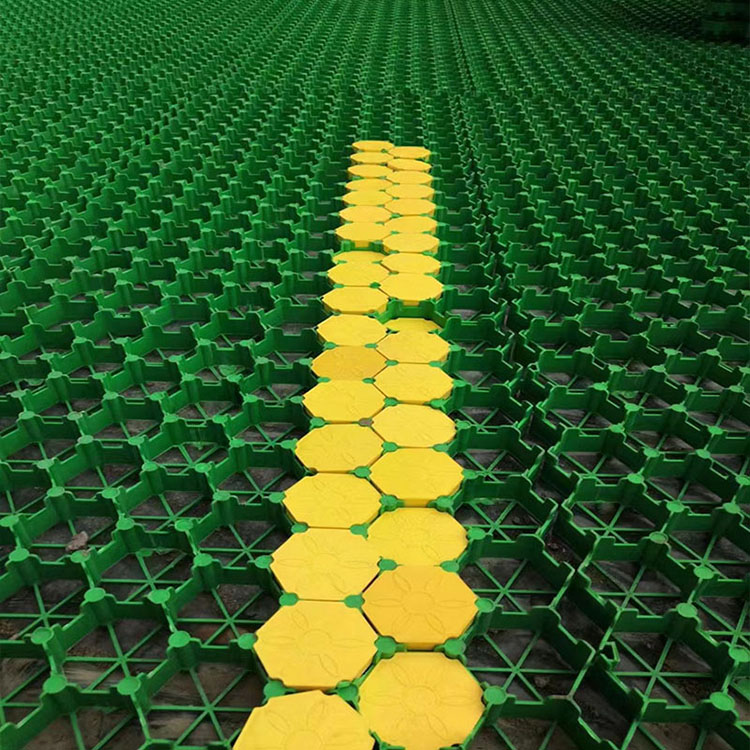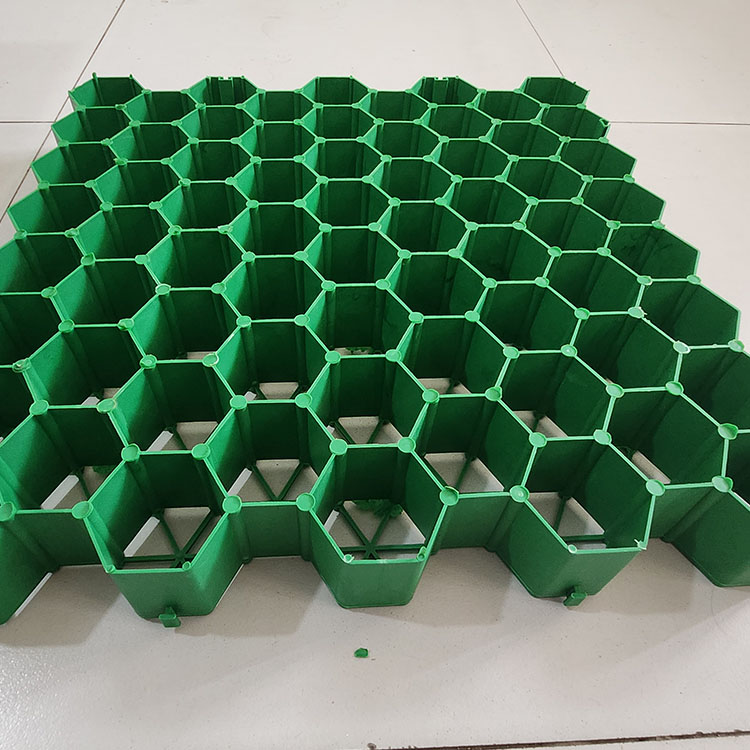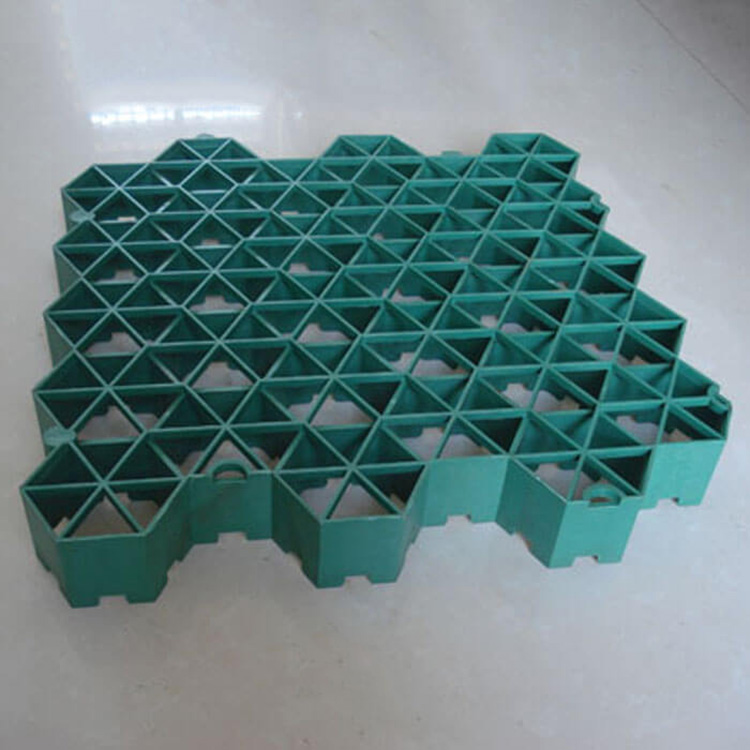

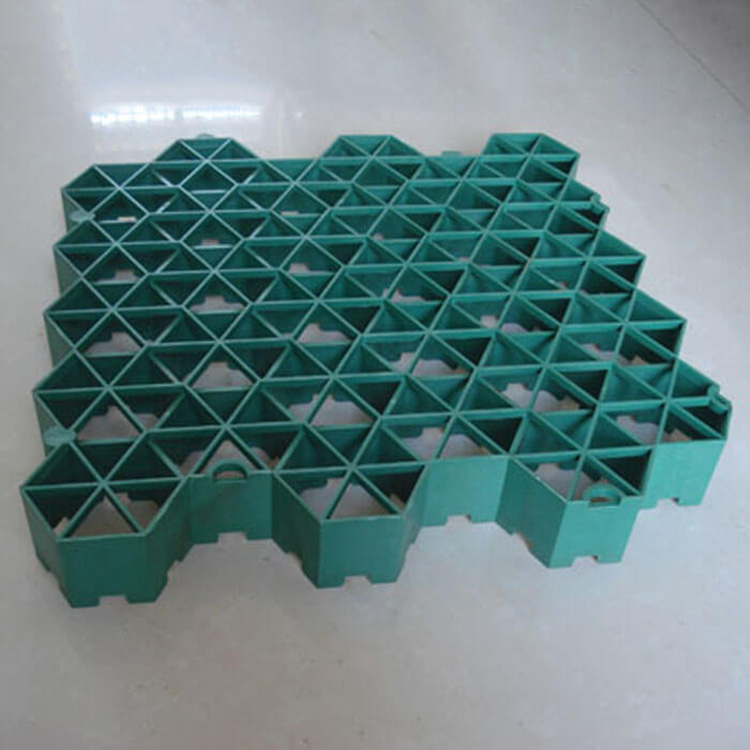


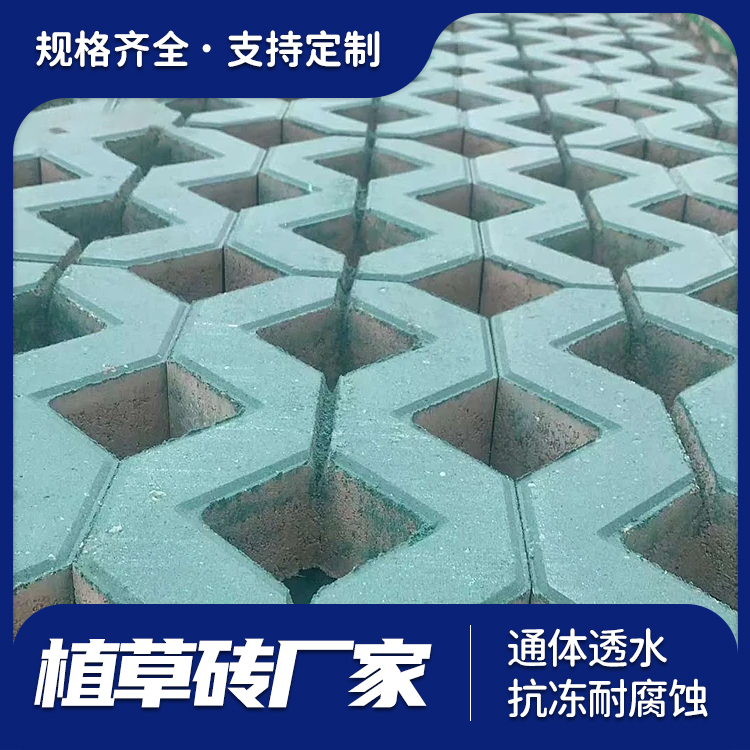
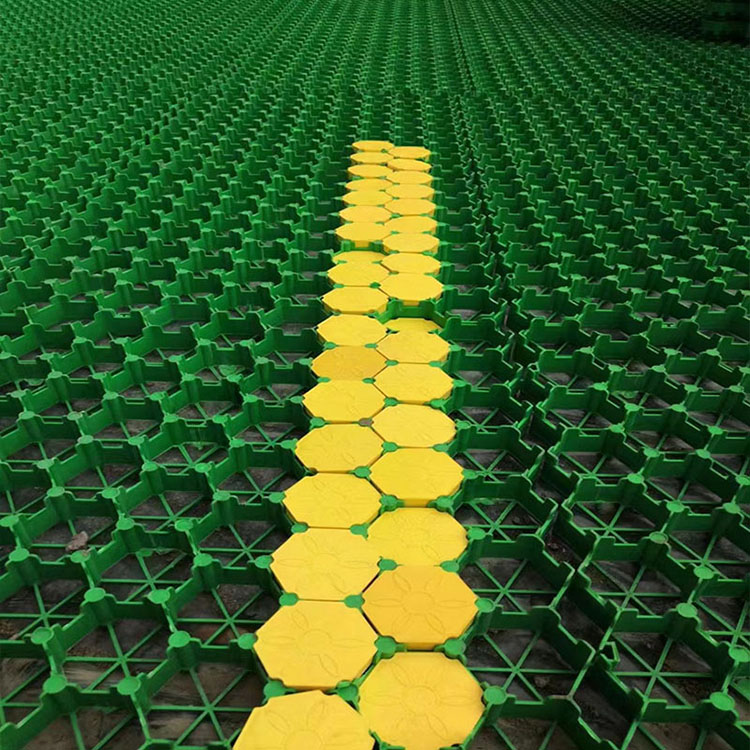
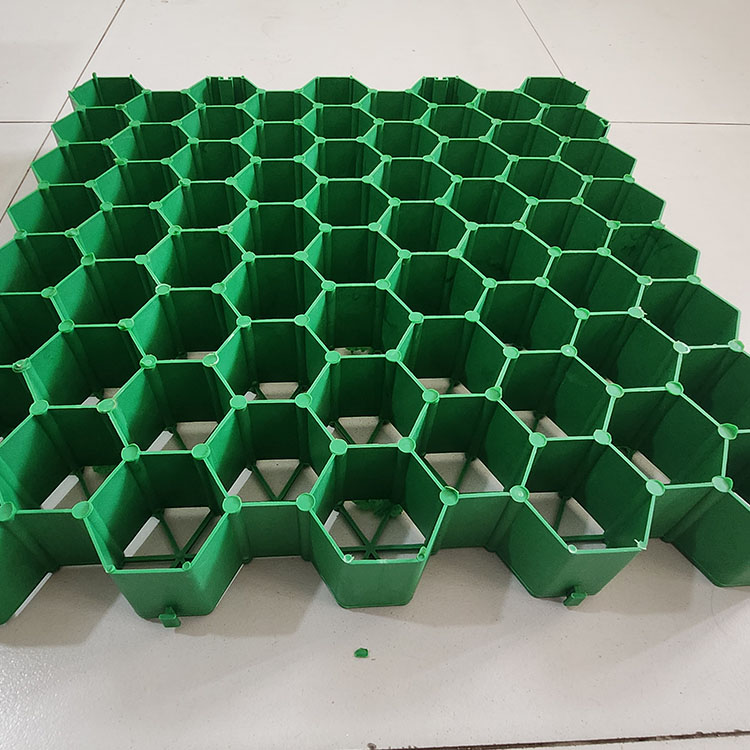





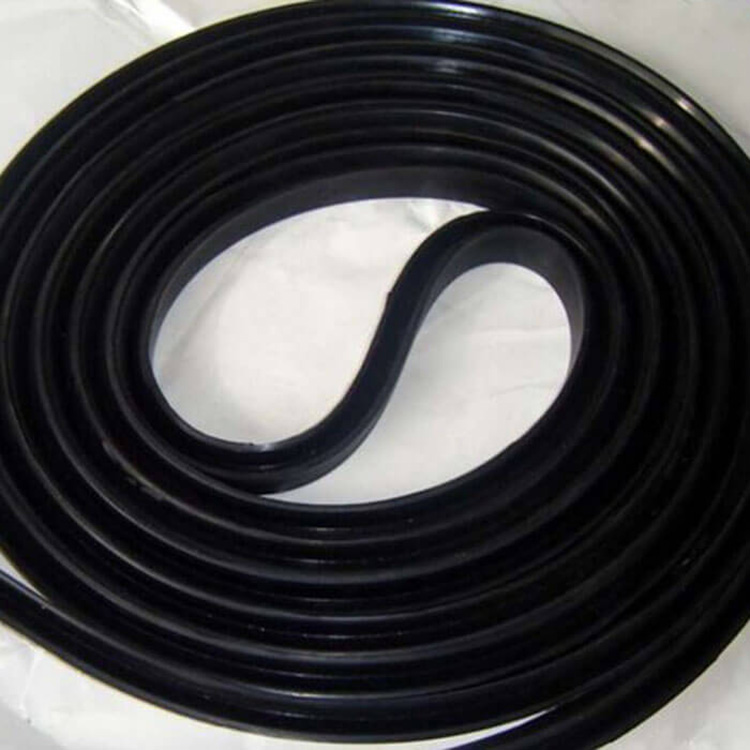
The grass grid is made from modified high molecular weight HDPE, offering environmental friendliness and full recyclability; it seamlessly combines the functions of a lawn and a parking lot, featuring pressure, wear, impact, aging, and corrosion resistance, enhancing quality and saving investment. The unique flat insertion joint design is labor-saving, quick, and adjustable for expansion joints.
Features:
1. Eco-friendly, non-toxic, pollution-free, shock-resistant, anti-aging, and UV-resistant
2. Excellent wear and corrosion resistance, good flame-retardant properties, and strong grassing function.
3. Reduce ground reflection and ground thermal radiation
4. Reduce ground acoustic wave transmission, lower noise pollution
5. Reduce dust pollution and purify the air
6. Natural rainwater infiltration without soil erosion, no waterlogging occurs.
7. Natural cycle of water, air, and fertilizer; soil remains friable
8. Increase Greening Area · Easy Construction, Lightweight
9. Free to combine and disassemble, reusable
10. Excellent load-bearing performance: Can bear over 200T/㎡ weight
Cautionary Notes:
1. Gravel base requires thorough compaction, considering the bearing pressure. The surface should be level, with an ideal 1% to 2% drainage slope. To prevent soil erosion, the concrete base's water-permeable holes must be filled with cobblestones, gravel, or sand.
2. Each grass grid features interlocking loops for easy installation. After laying the grass grids, pass a small roller or plate compactor over the surface once. Any uneven areas should be corrected until the grass grid surface is level.
3. It is recommended to use nutrient soil for filling the grass grid. When backfilling, water should be applied to allow the soil to settle. Use a bamboo broom to evenly sweep the nutrient soil on the surface of the grass grid into the holes, with the soil level 5-10mm below the grass grid plane.
4. The turf is typically made of Manila grass, which is durable and easy to grow. When laying the turf, leave a gap of about 20mm and stagger the installation in a diamond pattern. After the turf is laid, thoroughly water it to make it soft, and then use a small roller or plate compactor to press the grass roots into the grass grid (repeatedly), facilitating downward growth of the roots.
5. Park after one month of maintenance; for grass being worked on between November and the following March (dormancy period), maintenance should be conducted for two months before parking.
6. During use or after the rainy season, if there is a slight loss of planting soil, sprinkle some soil or sand evenly over the lawn surface to fill in the soil that has been washed away by rain.
7. The lawn requires 4-6 mowings per year, timely weed removal, fertilization, and frequent watering or installation of an automatic sprinkler system during hot and dry seasons. Proper maintenance and management are essential.