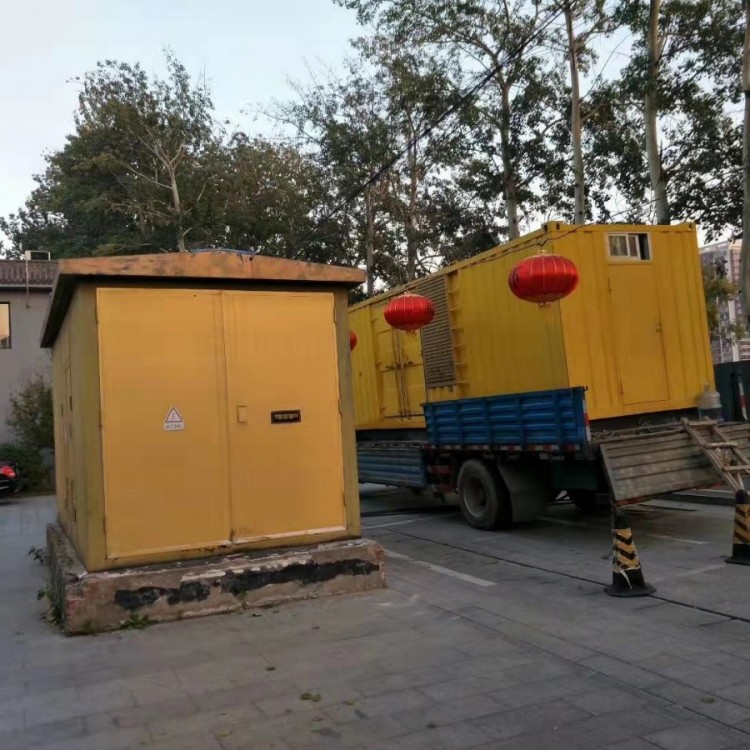

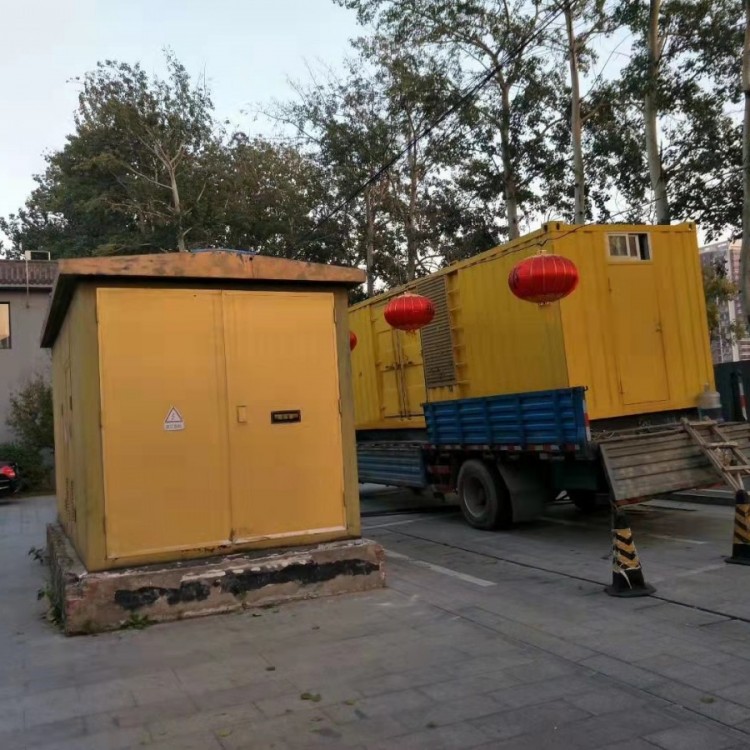
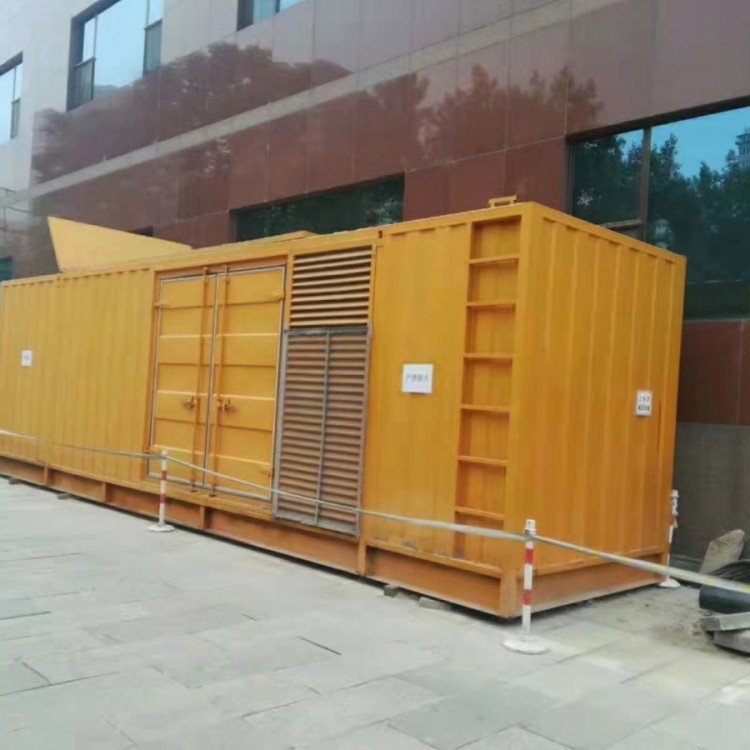
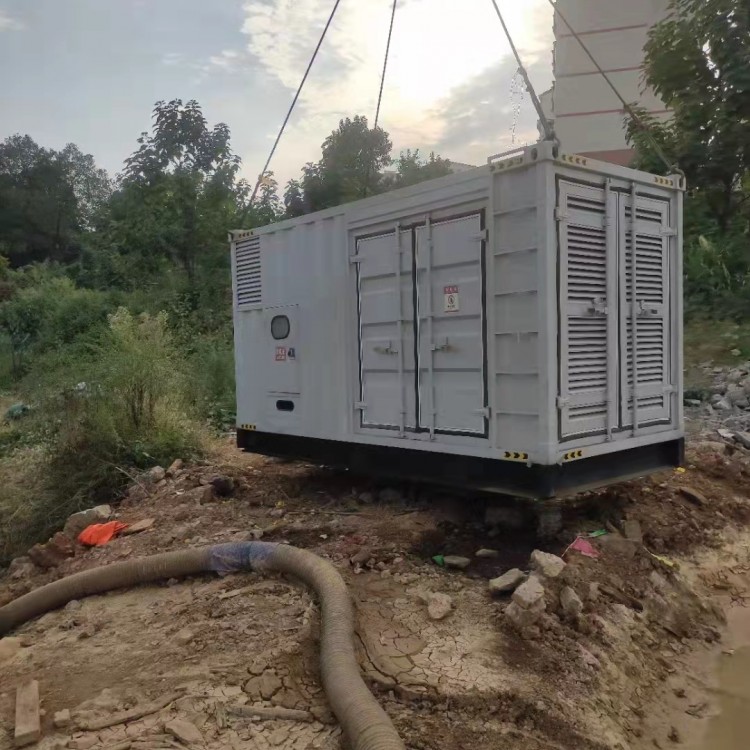











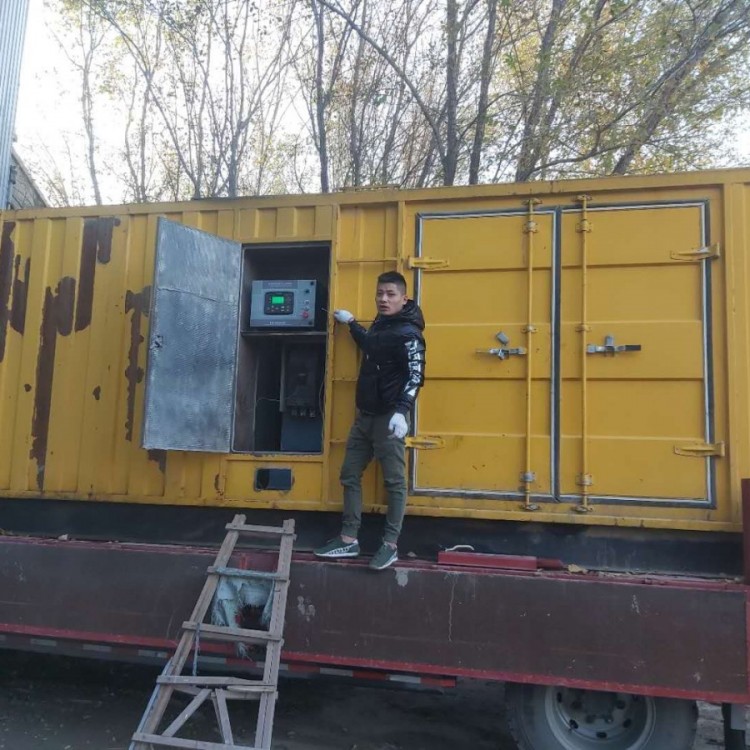
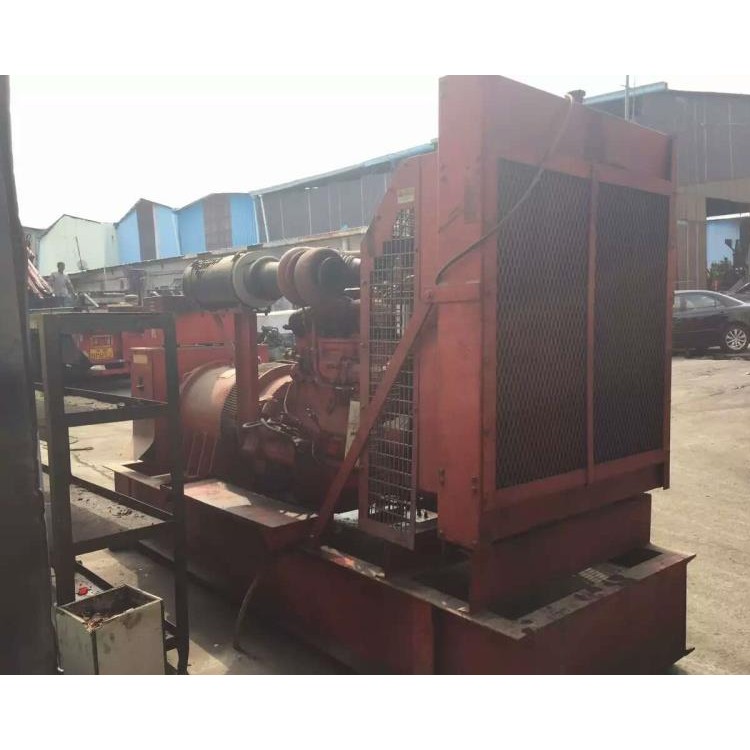
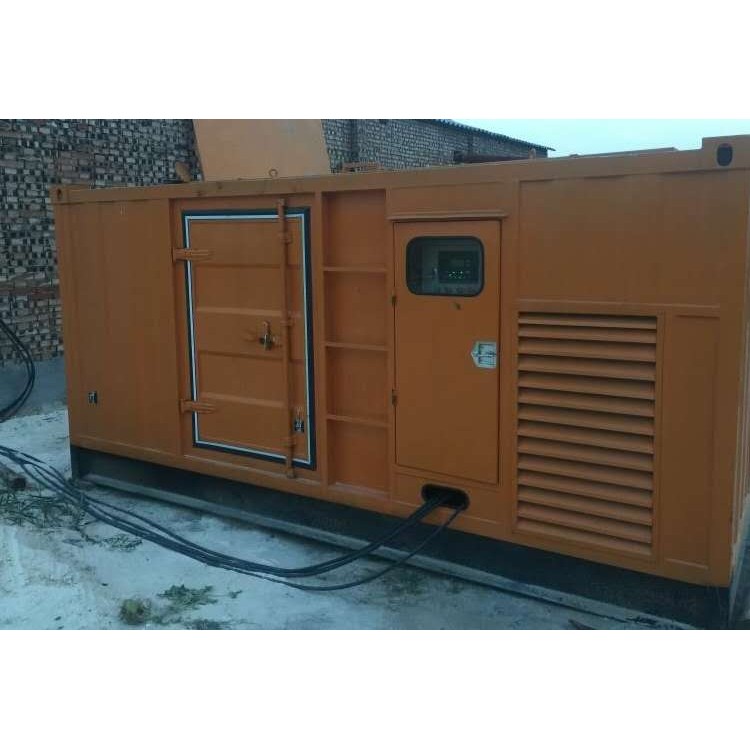
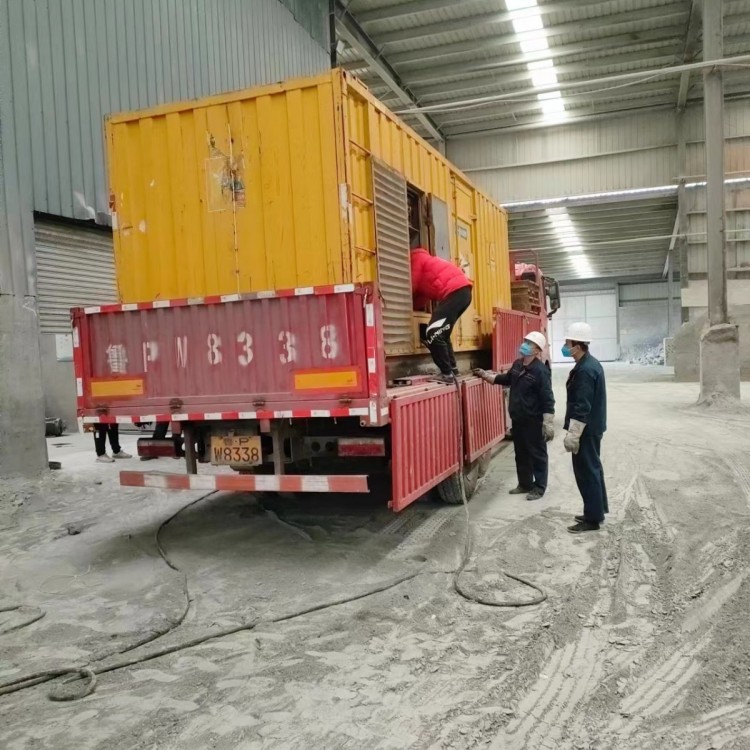
What's the difference between self-starting and automatic transfer of diesel generator sets? Diesel generator sets are categorized by function into self-starting and automatic transfer models, both of which fall under the category of automated intelligent generator sets. To clarify the fundamental differences between these two types of sets, the following is a brief introduction. Additionally, there is a price difference between these two types of automated functional diesel generator sets, so it's important for users to distinguish their set functions during procurement to avoid being deceived by unscrupulous diesel generator set manufacturers.
The difference between starting up and automatically switching to a diesel generator set is as follows: There are two approaches to the automation of diesel generator sets. One is automatic switching, which combines automation with automatic switching and does not require manual operation. However, in addition to the automation control module, a set of automatic transfer switch cabinets must also be installed. This system automatically starts generating power when the city power supply is interrupted, and then automatically closes the circuit. Upon the restoration of city power, it automatically opens the circuit, shuts down the generator, and returns to its initial state, ready for the next startup.
And the startup of diesel generator sets is different. It only requires an automatic control module. Once the power outage is detected, the diesel generator set will automatically start up, and the manual operation is required to close the circuit. When the municipal power is restored, the diesel generator set will only automatically shut down, but will not automatically open the circuit; manual operation is still needed. There are quite a few types of automation. Please clarify which type of automation you actually need when choosing an automatic generator set, to avoid waste. In fact, only diesel generator sets used for fire protection backup generally require full automation functions, while in most cases, an auto-startup diesel generator set is sufficient.

How to use generators more efficiently; motors convert kinetic energy into electrical energy; while electric motors convert electrical energy into kinetic energy. Generators are mechanical devices that convert other forms of power into electrical energy, powered by turbines, steam turbines, diesel engines, or other power mechanisms. They transform the energy from water flow, air flow, fuel combustion, or nuclear fission into mechanical energy, which is then transmitted to the generator.
The generator then converts it into electrical energy. Motors are devices that convert electrical energy into mechanical energy. They operate by generating a rotating magnetic field using a通电线圈 (which is the stator winding) and exerting a magnetic-electric rotational torque on the squirrel-cage rotor, a closed aluminum frame. Motors are classified into直流 (DC) motors and交流 (AC) motors based on the type of power source they use.
Most motors in the power system are commutator motors, which can be either synchronous or asynchronous motors (where the rotating speed of the stator magnetic field does not maintain synchronization with the rotor's rotation speed). Motors are primarily composed of the stator and the rotor, and the direction of motion of the conductive wire under the influence of the magnetic field is related to the direction of the current and the magnetic flux lines (direction of the magnetic field). The operating principle of the motor is the effect of the magnetic field on the current's force, causing the motor to rotate.