
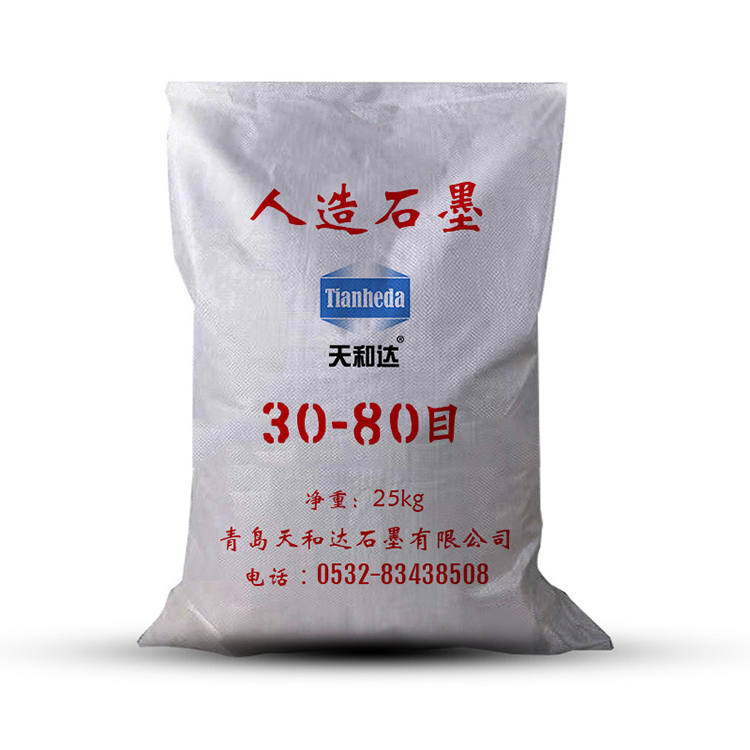

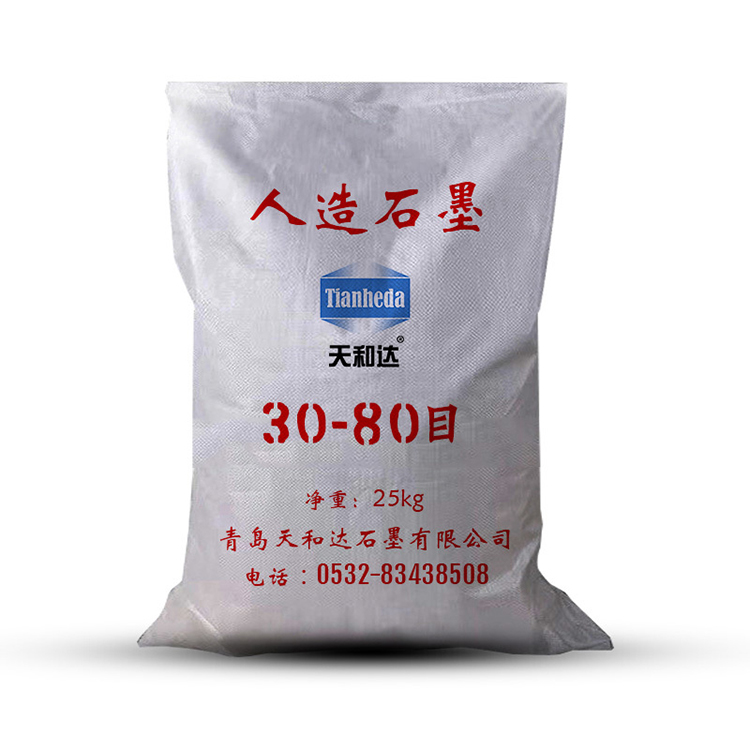
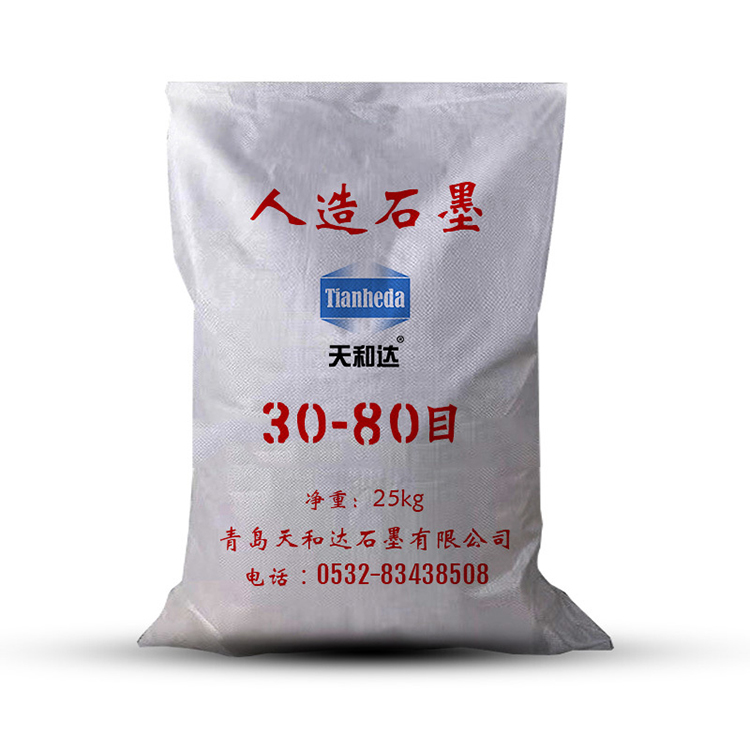











Broadly speaking, any graphite material obtained through organic carbonization followed by high-temperature graphitization can be called artificial graphite, such as carbon fiber, pyrolytic carbon, and foam graphite. In a narrow sense, artificial graphite usually refers to a solid block material produced by processes such as batching, kneading, shaping, carbonization, and graphitization, using low-impurity carbonaceous raw materials as the aggregate and coal tar as the binder.
There are various methods for manufacturing artificial graphite. Commonly, the main raw material is powdered calcined petroleum coke, with asphalt added as a binder, along with a small amount of other auxiliary materials. After properly blending the various raw materials, they are molded into shape, then...Processed in a non-oxidizing atmosphere at temperatures of 2500-3000°C to achieve graphitization.
Particle size:500um-3um
Performance: Artificial graphite boasts superior wear and corrosion resistance, along with low permeability.