












Broadly speaking, any graphite material obtained through organic carbonization and subsequent high-temperature graphitization can be termed artificial graphite, including carbon fibers, pyrolytic carbon, and foam graphite, etc. In a narrow sense, artificial graphite usually refers to a solid block material produced by processes such as blending, kneading, shaping, carbonization, and graphitization, with low-purity carbonaceous raw materials as the aggregate and coal tar as the binder.
There are various methods to manufacture artificial graphite, with a common approach being to use powdered calcined petroleum coke as the main raw material, adding asphalt as a binder, and then incorporating a small amount of other auxiliary materials. After the various raw materials are properly mixed, the mixture is molded into shape, then...Processed at temperatures of 2500-3000°C in a non-oxidizing atmosphere to achieve graphitization.
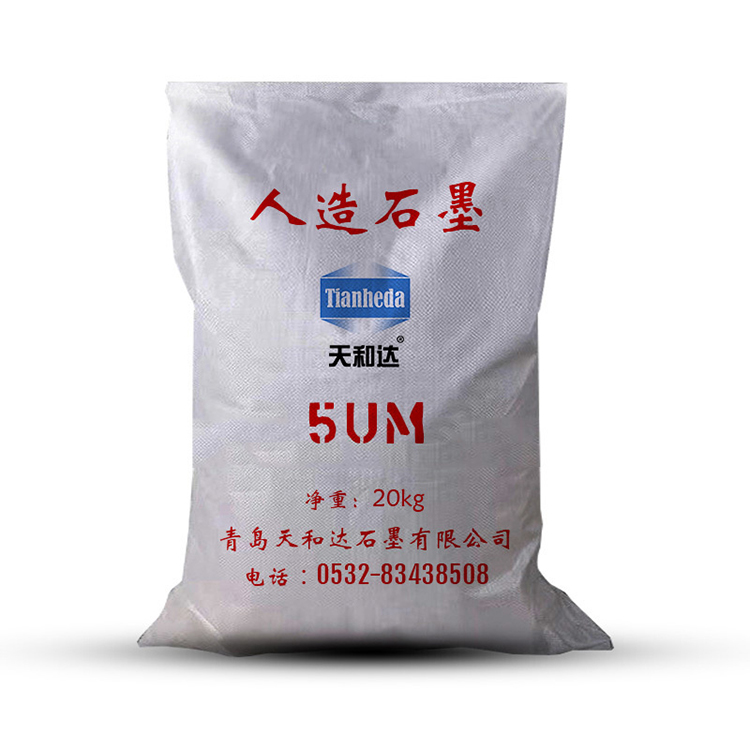
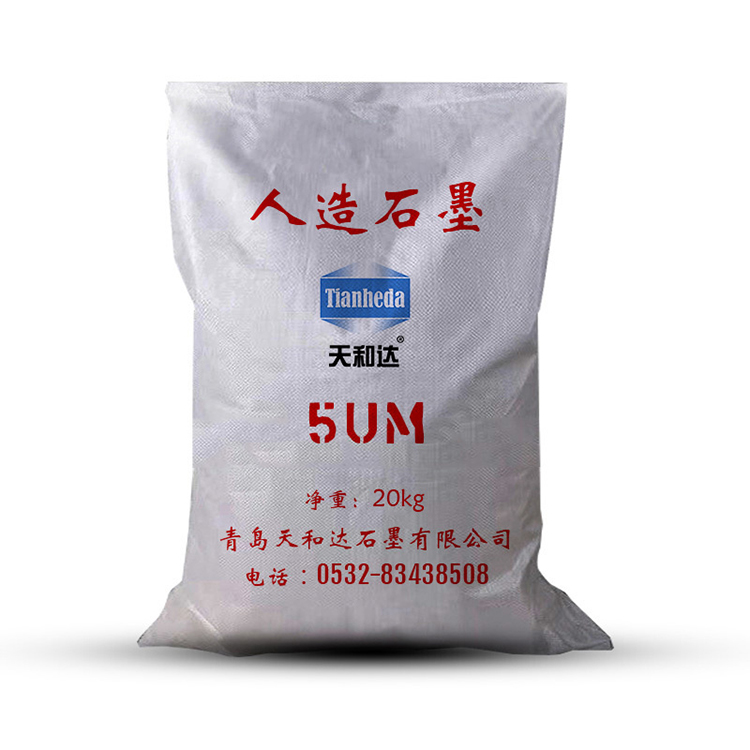
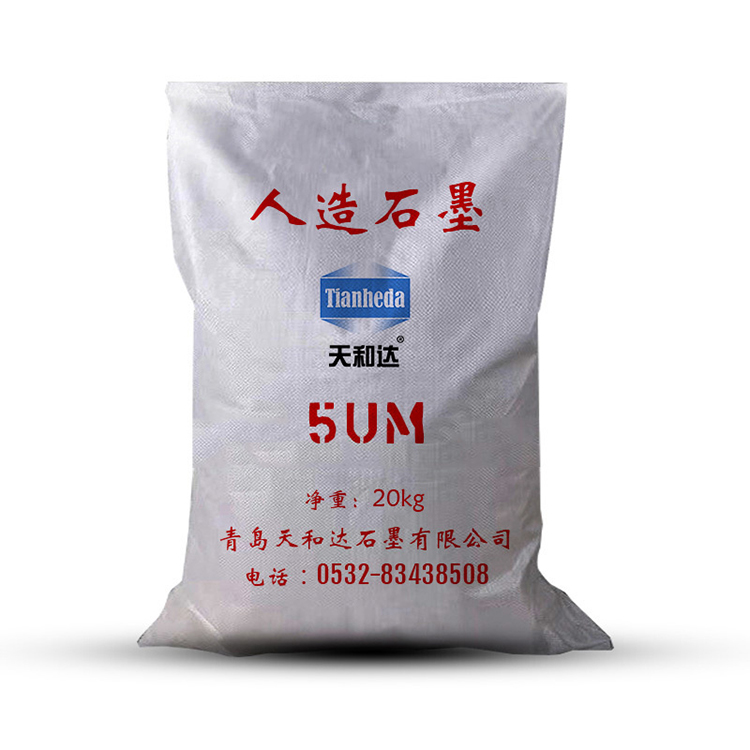
Particle size:500um-3um
Performance: Artificial graphite boasts superior wear and corrosion resistance, along with low permeability.