










Backup generator not in use for a long time, precautions
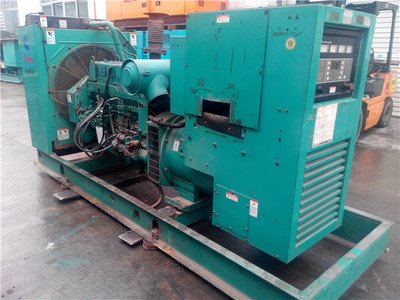
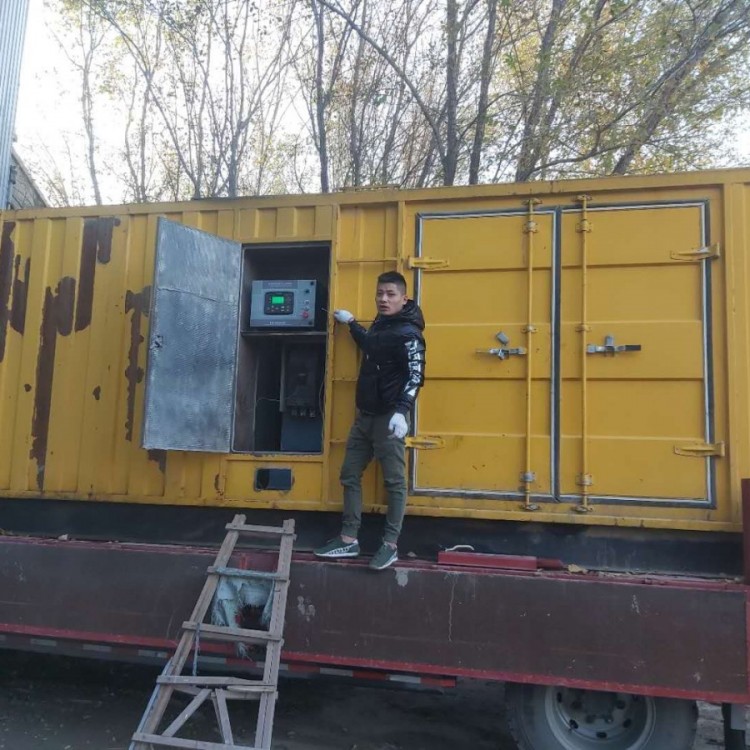
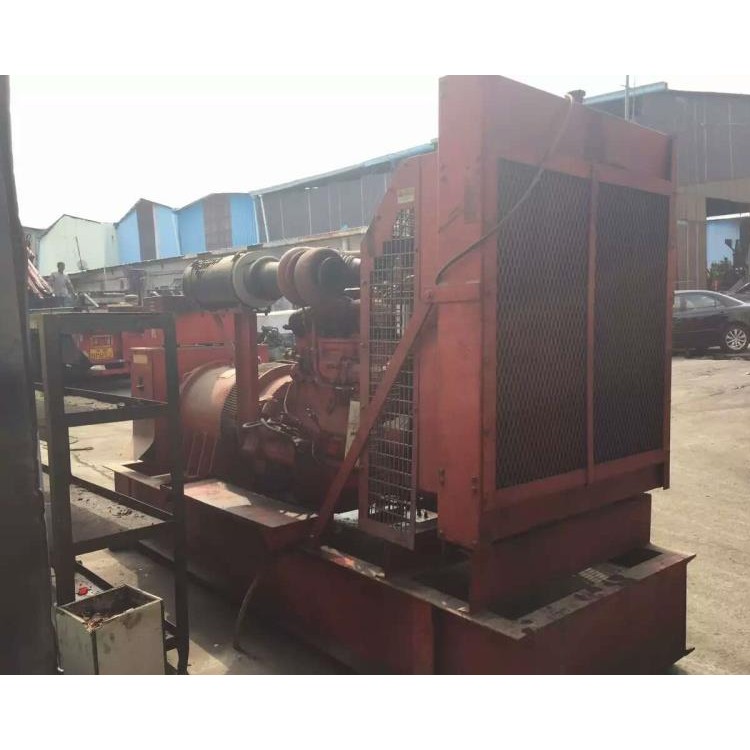
Backup generators play a crucial role during emergencies or scheduled power outages. However, due to infrequent use, long-term idleness can lead to issues with standby generators, so it's important to be aware of the following points.
Firstly, regularly inspect the battery and wiring of the backup generator to ensure they are securely connected. Damaged batteries or poor contacts could prevent the generator from starting, causing unnecessary trouble.
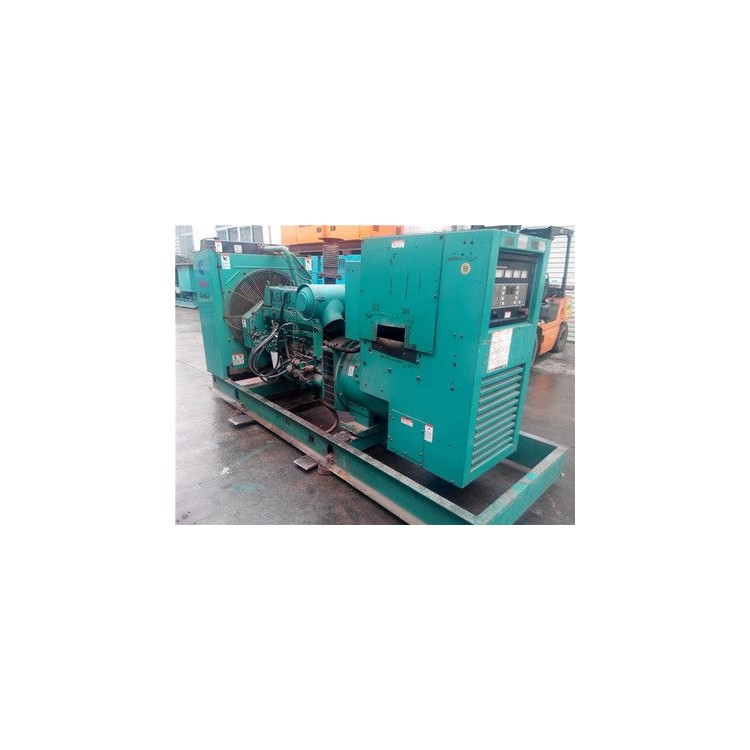
Next, maintain the generator's cleanliness by using compressed air or a soft bristle brush to remove dust and dirt from the surface. Generators not in use for extended periods often accumulate dust, particularly oil stains. Cleaning them can improve efficiency and prolong the generator's lifespan.
Oil change and replacement is a crucial task as well. It's important to regularly change the standby generator's engine oil, as the aging of the oil can not only affect the lifespan of the generator but also its performance, and the reliability and stability of the standby generator during emergencies.
Additionally, to ensure stable operation, regular testing is required: at least once every quarter, with a duration of not less than 20 minutes. During the tests, you can observe the generator's operating conditions and its response speed in emergency situations, which will then allow you to know how to make adjustments.
After installation, any minor issues should be addressed promptly. Failure to fix minor issues in a timely manner can lead to major problems, affecting the generator's stability and unnecessarily impacting emergency situations.
Regular inspections, cleaning, and testing are necessary when the generator is not in use for an extended period. They help maintain the standby generator in optimal condition and ensure it performs effectively during emergencies. I hope this introduction is helpful to you, keeping your standby generator in top shape!