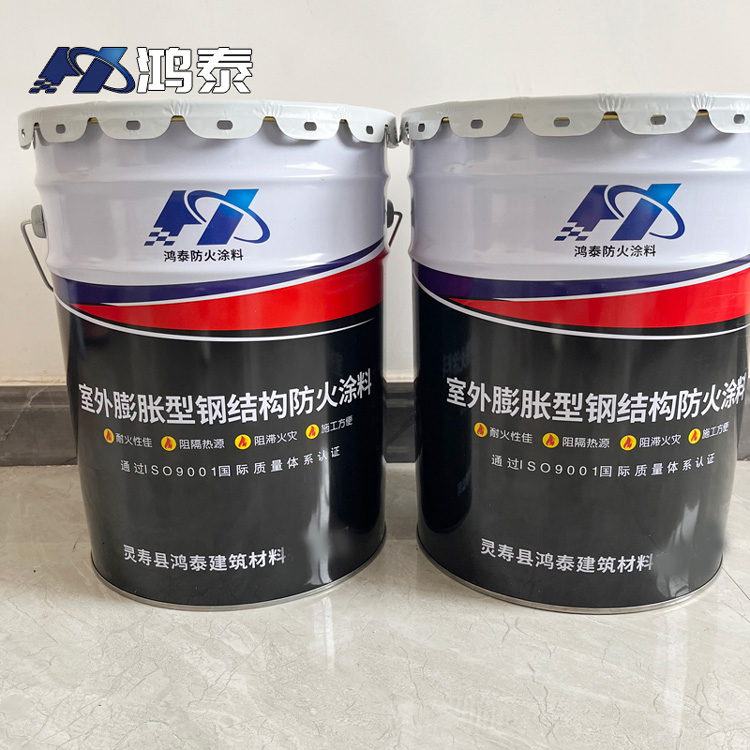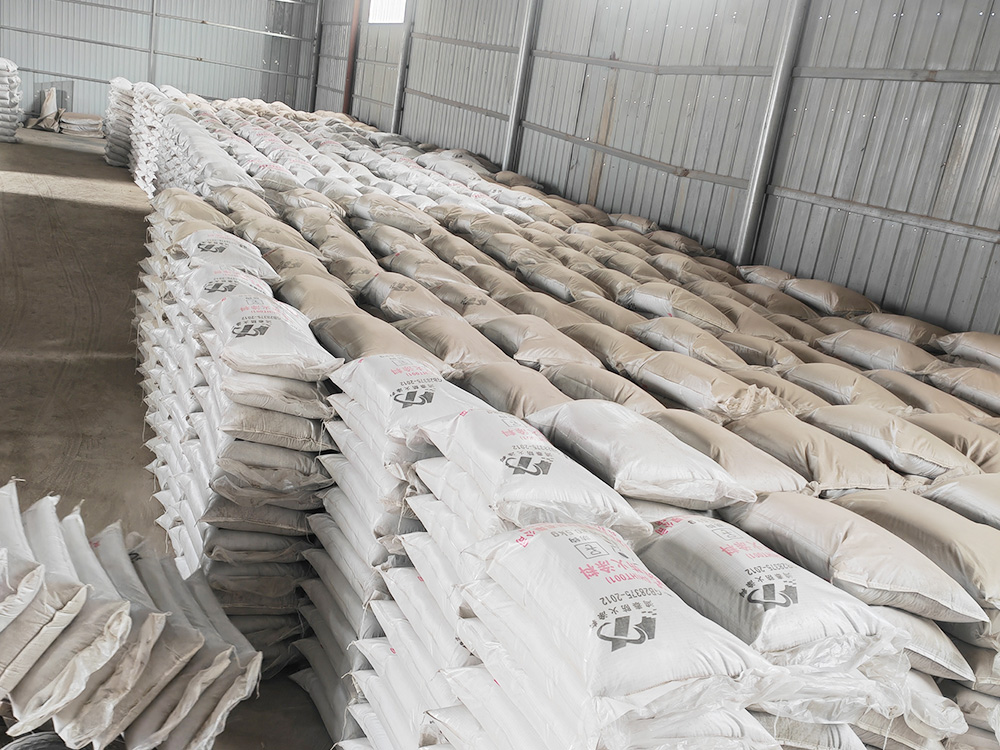

















One, the use of fire-retardant coatings on cables ensures that the cables do not ignite or are flame-resistant in flames, and can continue to operate normally for a certain period. After being exposed to fire, the fire-retardant coating forms a carbonized layer, preventing the spread of flames internally, and serves to protect the cable lines.
Two, compared to other protective measures, flame-retardant cable coating is more energy-efficient and easier to install. Due to its thin thickness and good heat dissipation, experimental results show that it has a negligible impact on the cable's current carrying capacity, which can be disregarded.
When the power cables are laid entirely within fire-resistant raceways or bridge supports, their load-carrying capacity will decrease.
Therefore, during the engineering process, applying fire-resistant coatings is more energy-efficient than installing them in conduits or fire-resistant bridgeways, and it also reduces engineering costs, making it more economical.
Three, applying fire-retardant cable paint is an effective method to prevent the vertical spread of fire.
Cables are generally laid in conduit wells, which are designed to produce a chimney effect during fires, especially in high-rise buildings where this effect is more pronounced. If cables are not fire-retardant, they can easily contribute to the spread and expansion of fires, leading to widespread combustion. Therefore, the flame-retardant properties of cables are crucial in preventing the spread of fires.