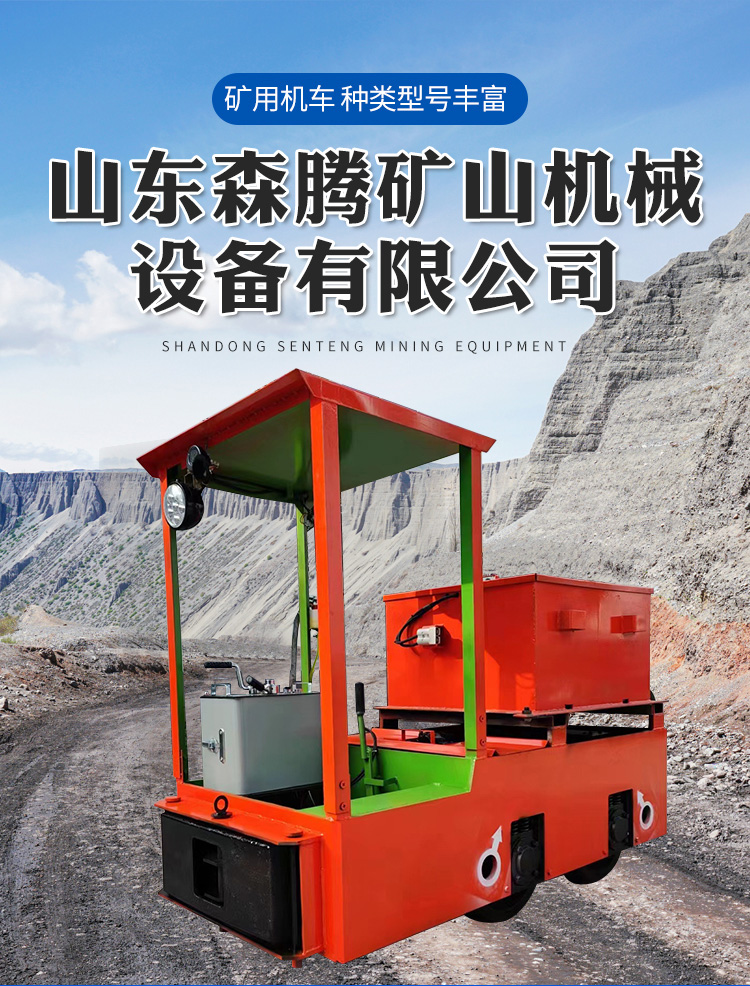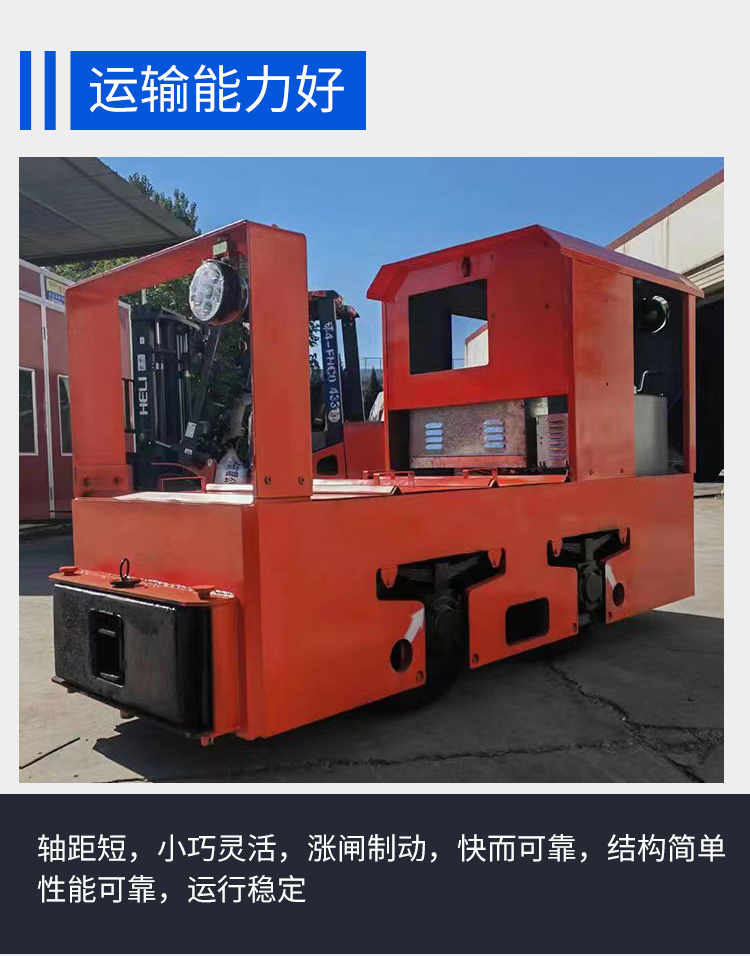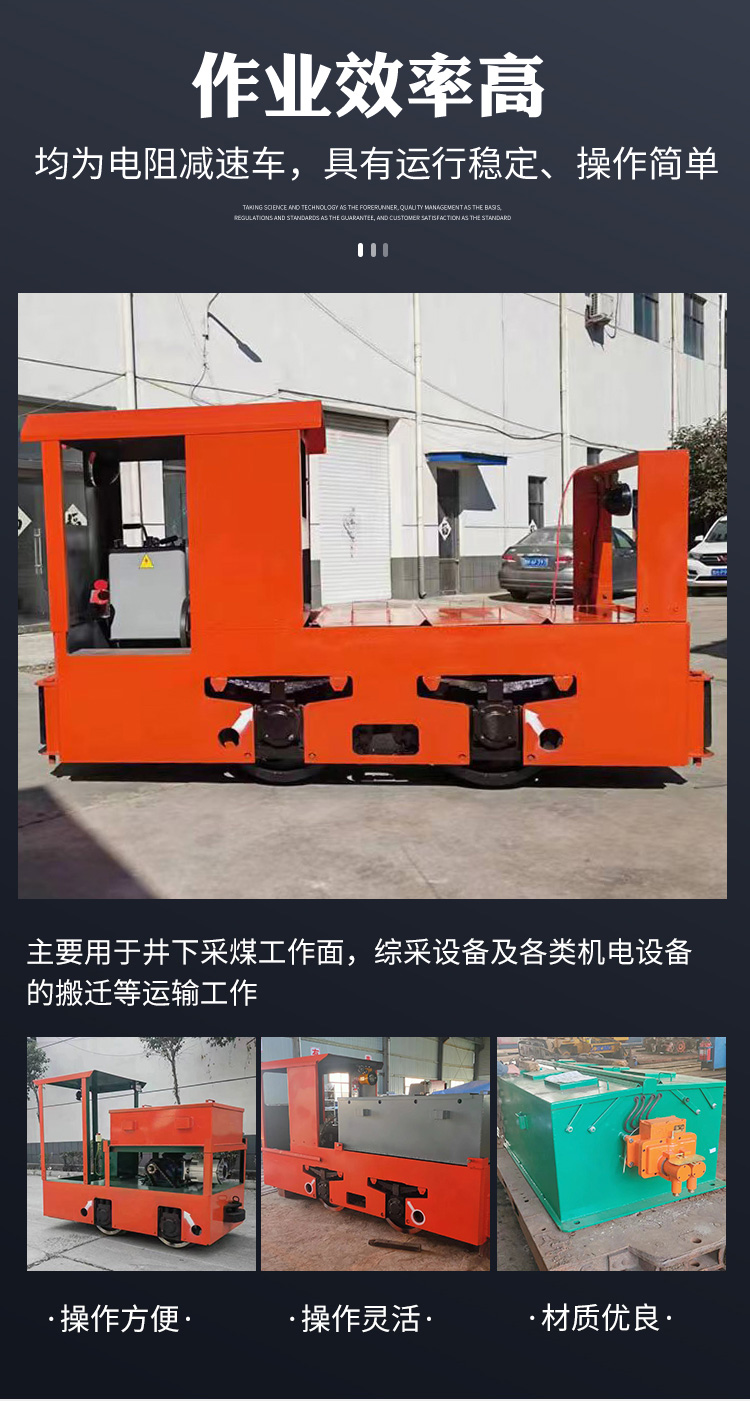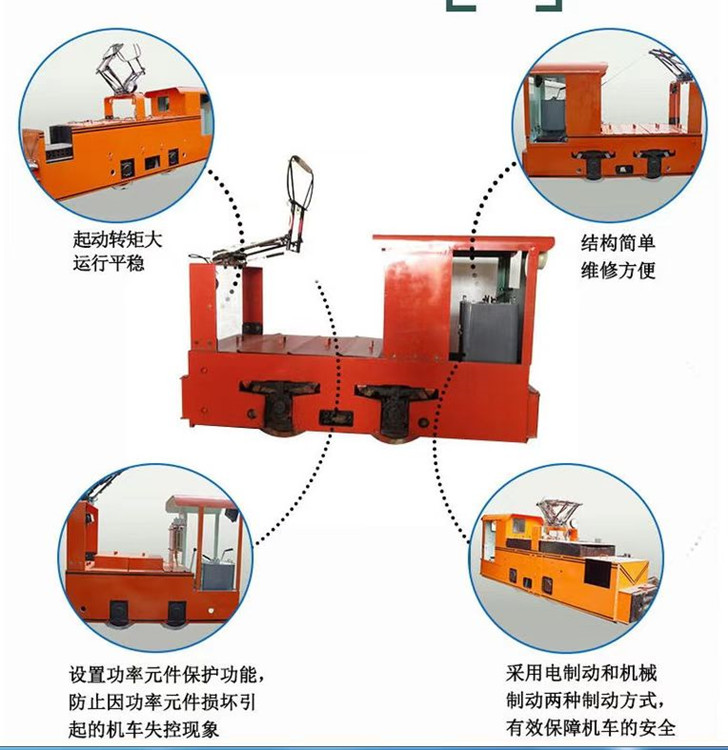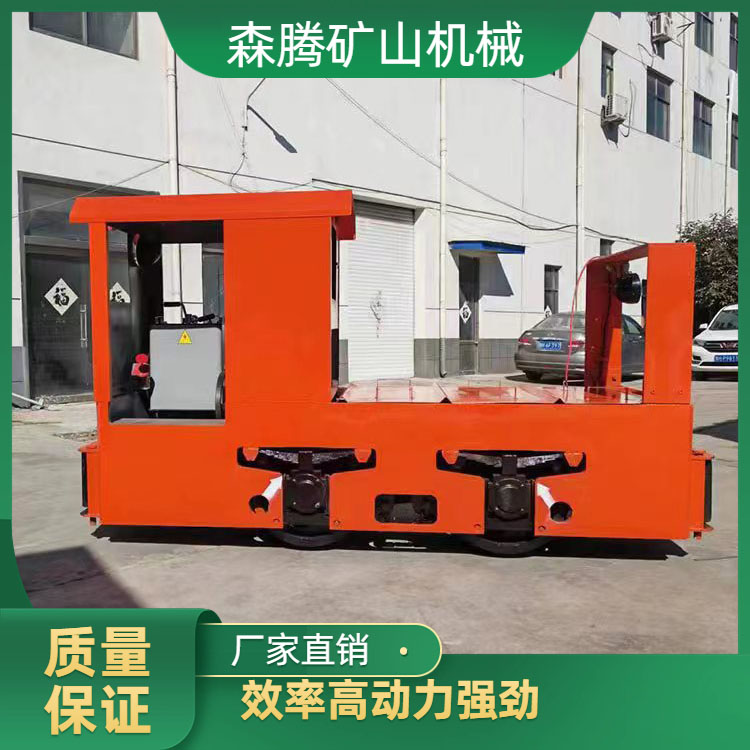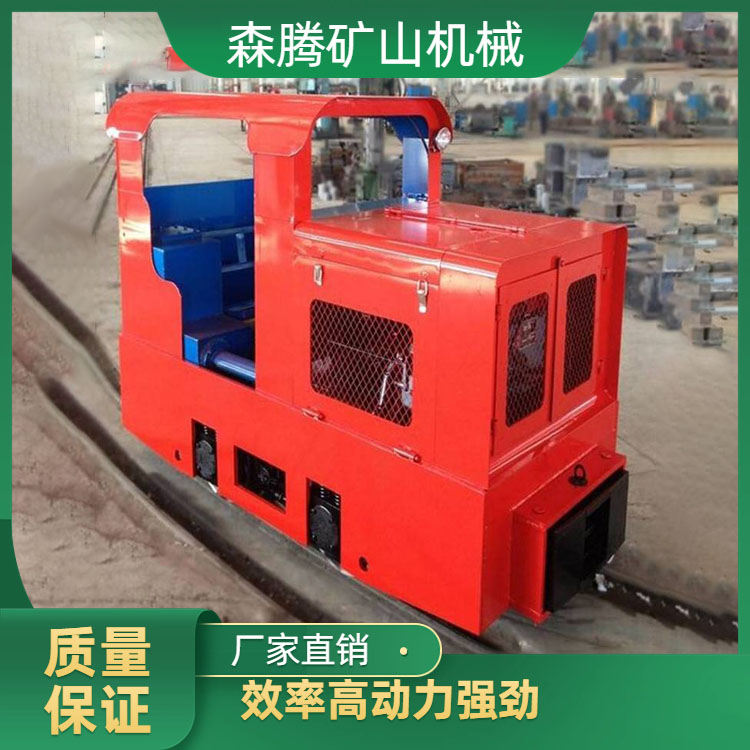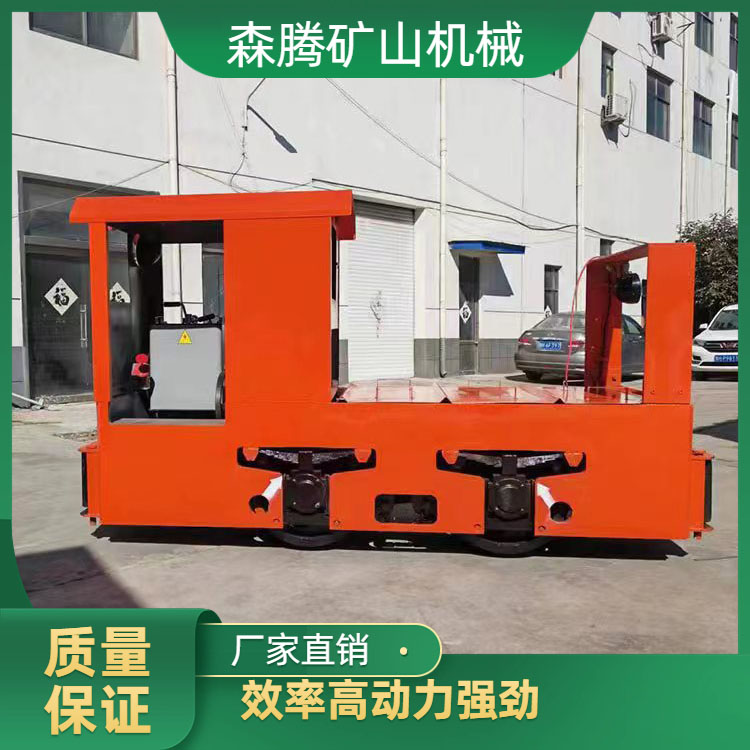
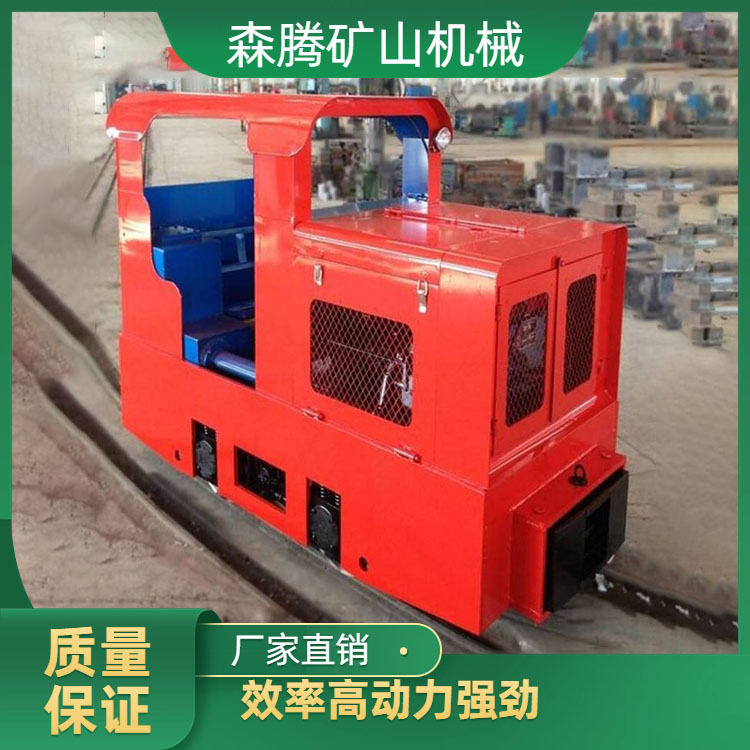













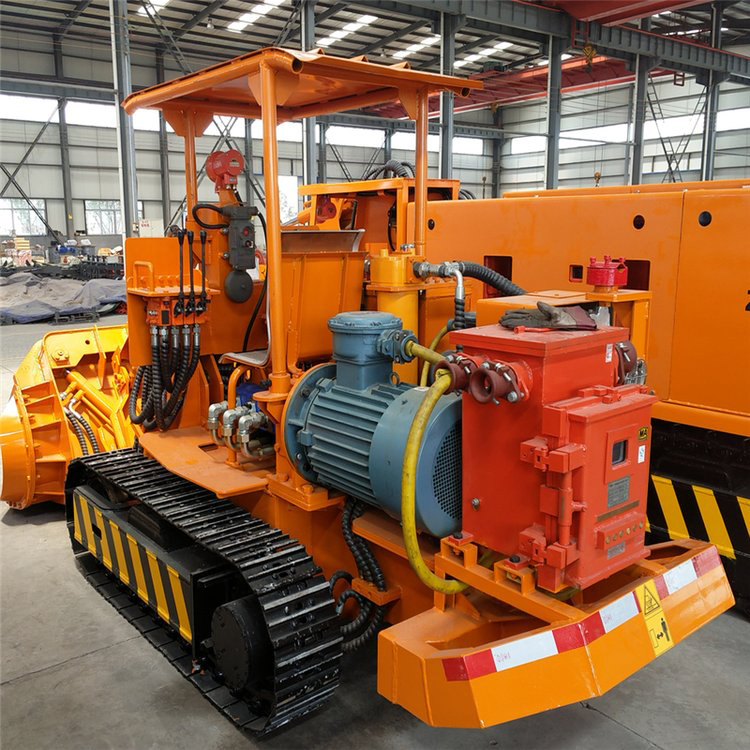


Electric locomotives are traction devices for rail vehicle transport, powered by drive motors that rotate the wheels, utilizing the friction between the wheels and the rail surface to propel the locomotive along the tracks. This mode of operation is limited by both the power of the traction motor (or internal combustion engine) and the friction between the wheels and the rail surface. The gradient capability of locomotive transport is restricted, with the general rail gradient being 3‰, and local gradients not exceeding 30‰. They are categorized structurally into overhead-wire electric locomotives and battery-powered electric locomotives.
Trolley cars are powered by the current supplied to the overhead line from the traction converter, which then enters the circuit and motor of the trolley car before returning to the converter via the track. In China, the DC voltage of underground overhead power grids is either 250V or 550V, while those outdoors are either 550V or 750V.
Advantages: Simple structure, low cost, easy maintenance, high transport capacity, fast speed, high power consumption efficiency, low transportation costs, and wide application.
Drawbacks: Requires rectifying and wiring facilities, lacks flexibility; wiring may affect tunnel dimensions and pedestrian safety; arcing between the pantograph and wiring is common, not suitable for mines with severe gas; initial construction investment is high, but in the long run, the total cost of using wired trolley buses is significantly lower than that of battery-powered trolley buses. Therefore, if the mine conditions permit, the main transportation in the mine should adopt wired trolley buses.