







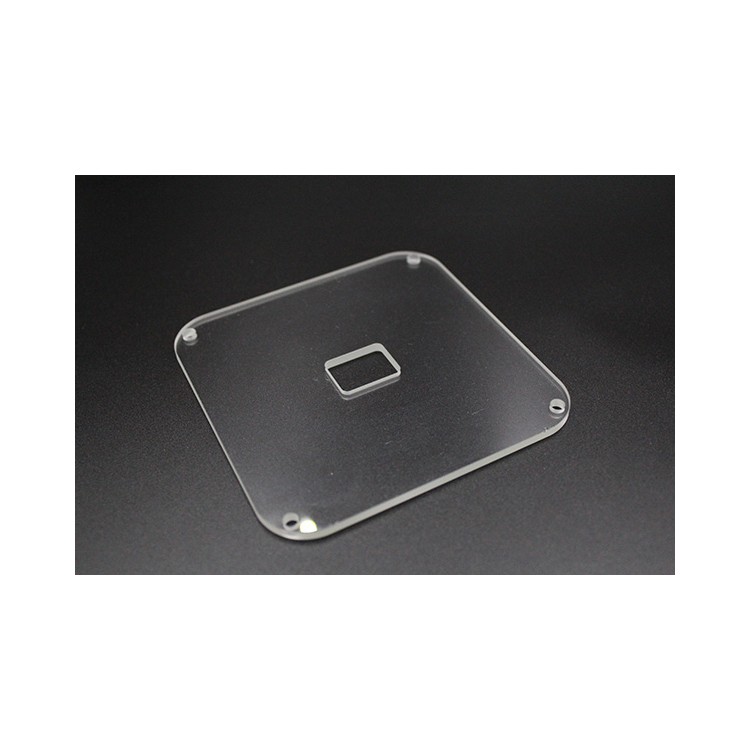
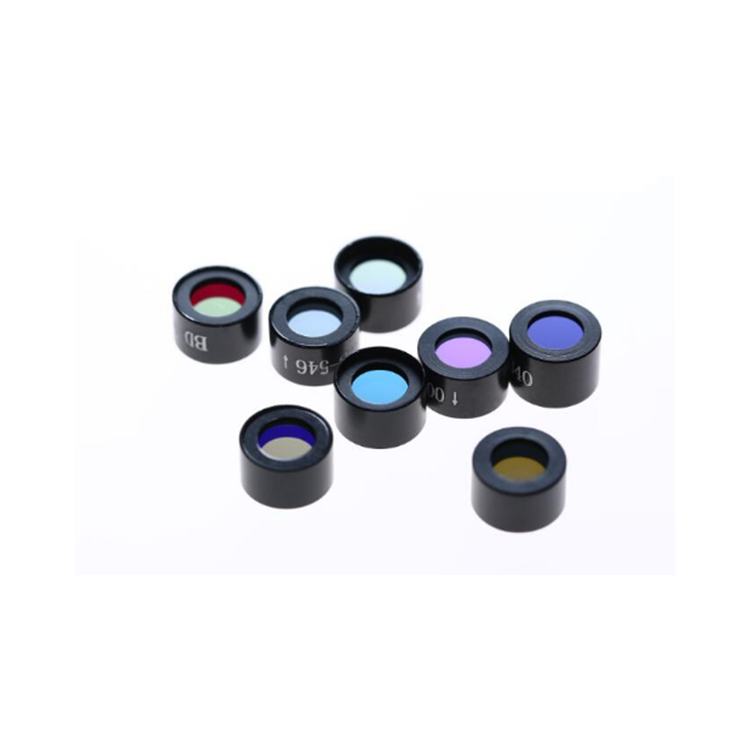
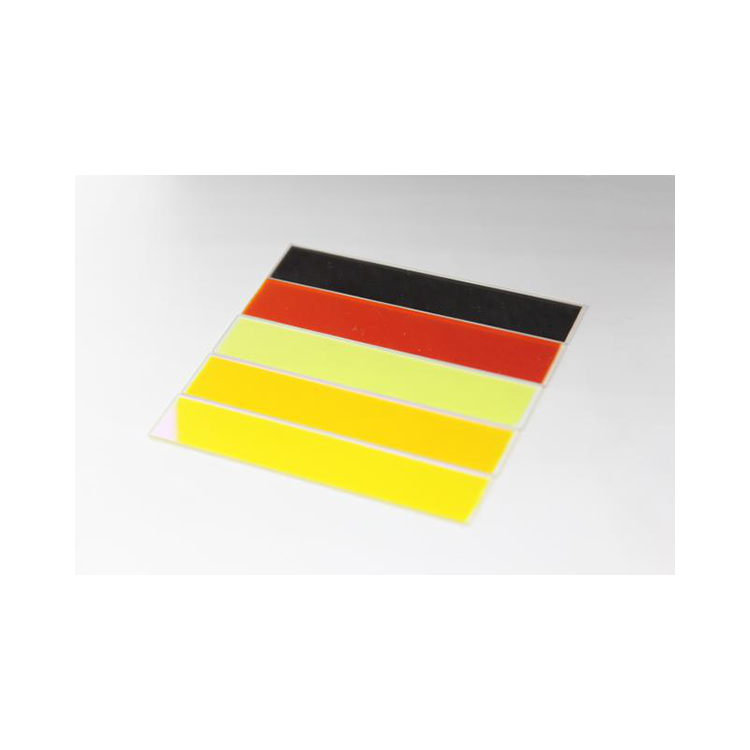
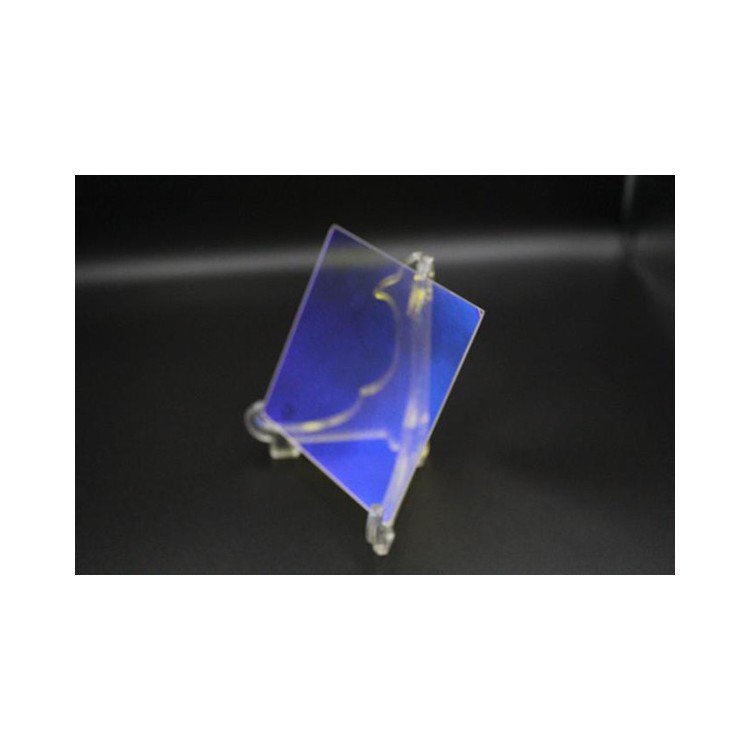
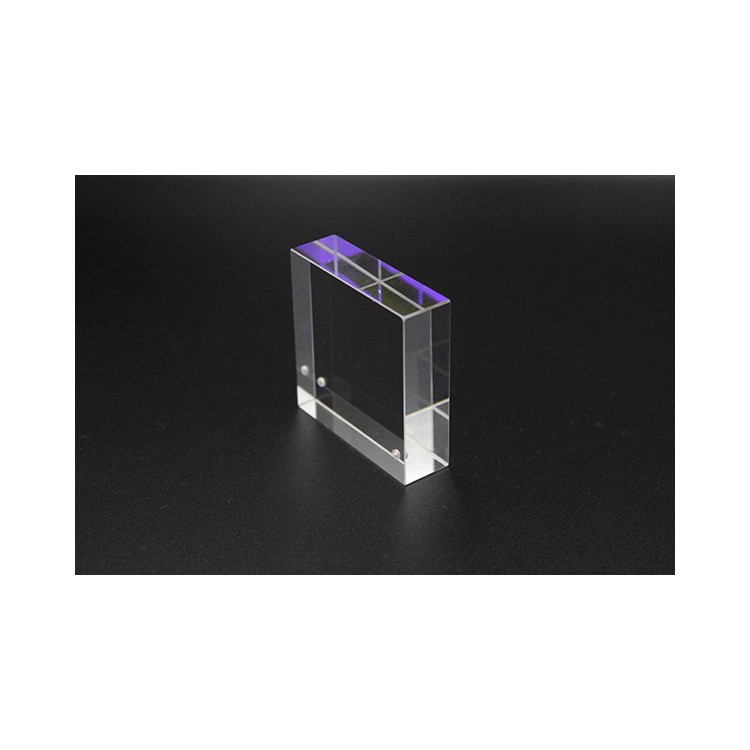
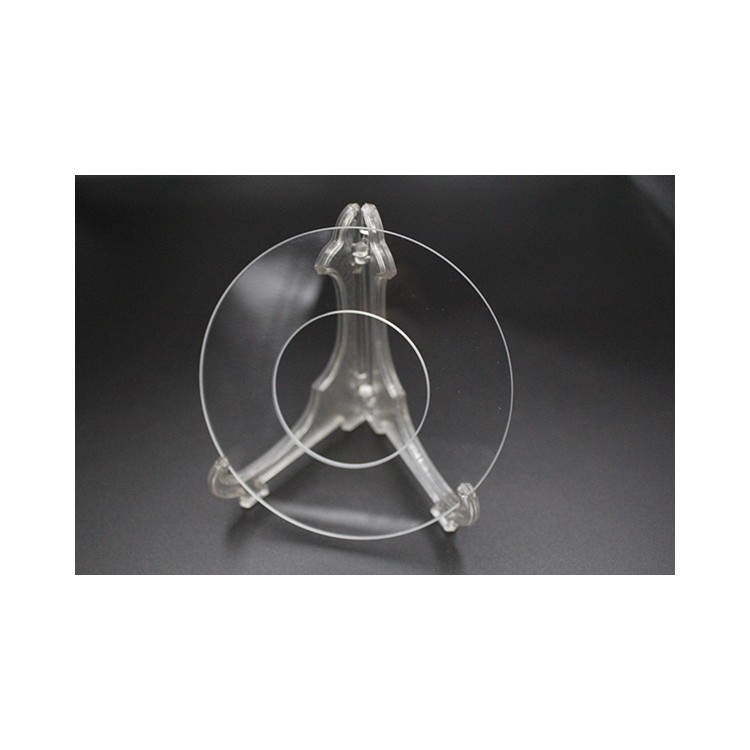
Nantong YinXing Optical Co., Ltd. specializes in the production and processing of optical glass (including filters) and special glass, offering a variety of products such as colored optical filters, clear optical filters, coated optical filters, and other specifications of optical glass.

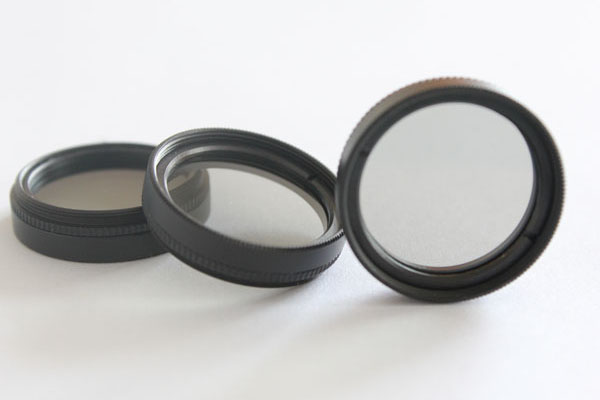
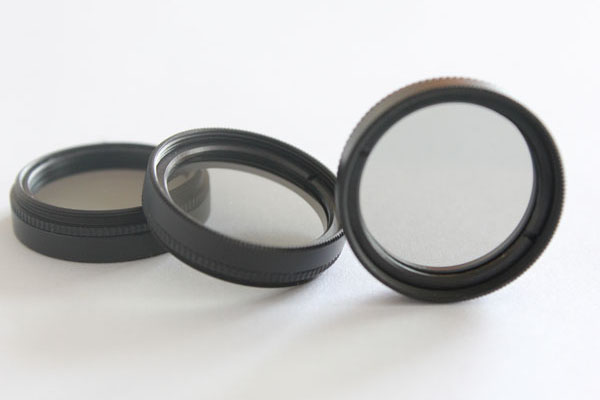
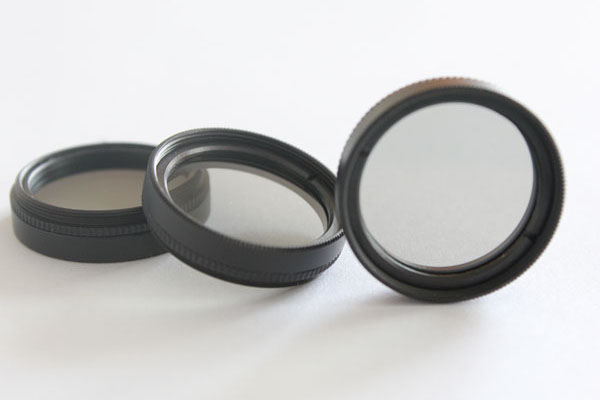
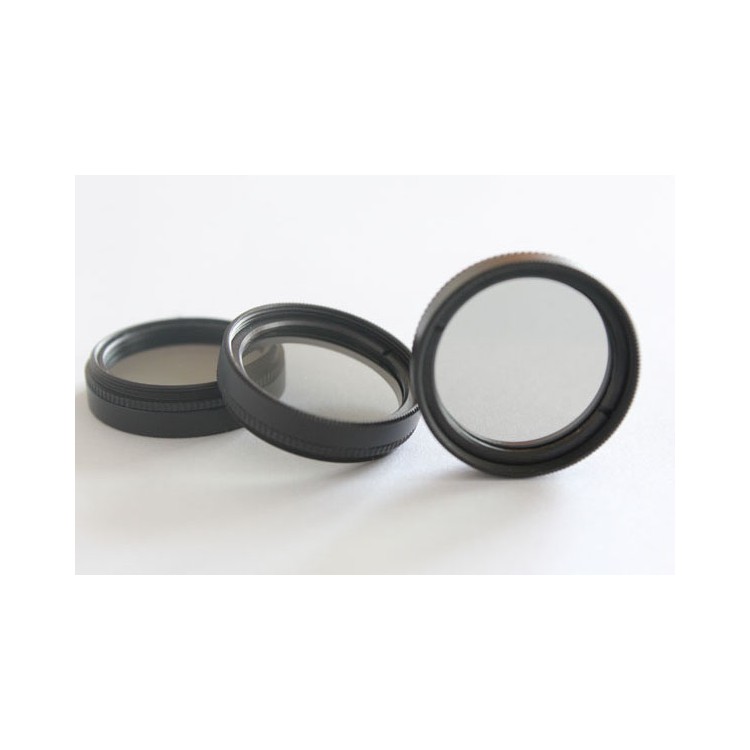
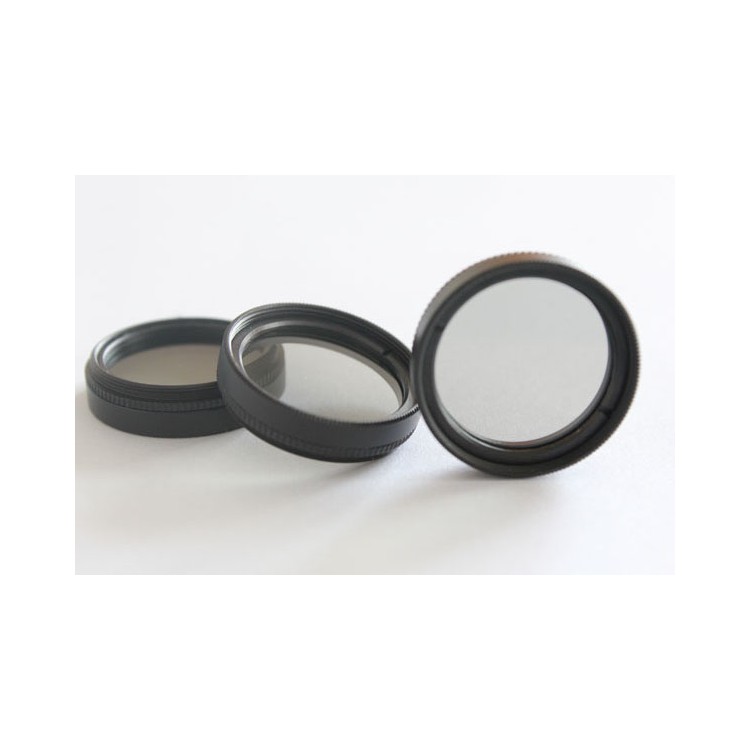
Polarizing Filters (also known as Polaroids), which are categorized into Linear Polarizing Filters (PL Filters) and Circular Polarizing Filters (CPL Filters, also known as Ring Polarizers).
Product Features: Polarizers can convert incident light, composite light, or monochromatic light into linearly polarized light, and then completely extinguish the light through a polarizing sheet.
Product Application: Polarizing filters are an essential optical component used in various fields, including polarized light quantitative measurement, photographic equipment, and polarized light instruments.
Other Notes: (Refer to the first volume of the "Photography Textbook" by the New York Institute of Photography, pages 239-240, excerpted sections)
Polarizing filters are constructed differently from most other types of filters; they consist of two glass plates that are independently mounted within a circular frame and can rotate relative to each other. As they rotate, the polarizing filter removes more and more glare and haze. If we have a single-lens reflex camera, we can actually see this change through the viewfinder.
Polarizing filters help to eliminate unwanted glare caused by any non-metallic surfaces. Whether it's color or black and white photography, polarizing filters are indeed the key to achieving this.
Reflections from glass, water surfaces, smooth wooden surfaces, silk, etc., are all polarized light, which vibrates only in one direction.
What does "polarized light" actually look like? If you don't know, there's no shame, as polarized light is actually not very different from regular light. It's impossible to tell the difference between polarized and regular light with the naked eye.
The scientific term "polarization" vividly describes this phenomenon. Polarization can be understood as vibration within a single plane. The function of a polarizing filter is to block this vibration, thereby eliminating the polarized light.
That's why the polarizing filter must be rotated. As the polarizing filter rotates, it can eliminate the polarized light that would otherwise pass through.