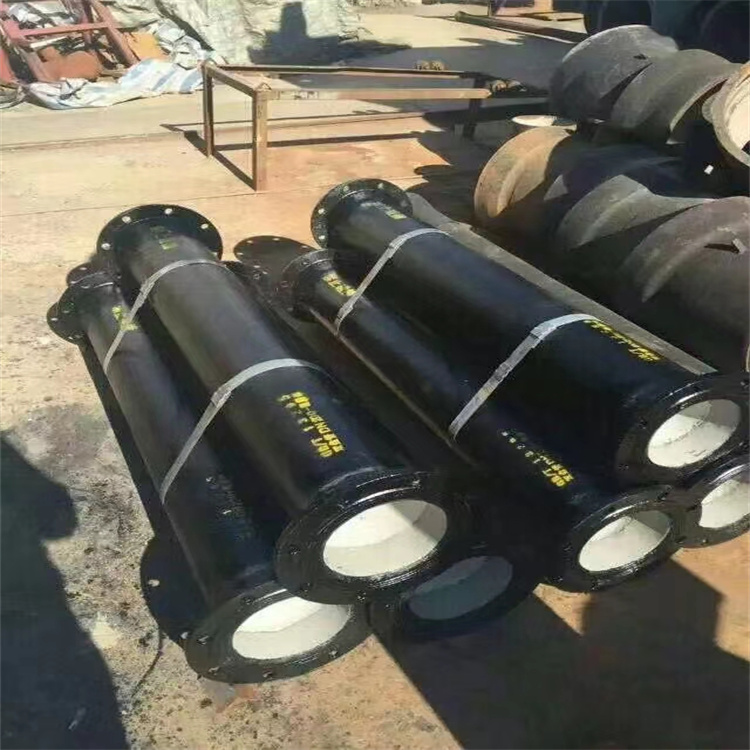

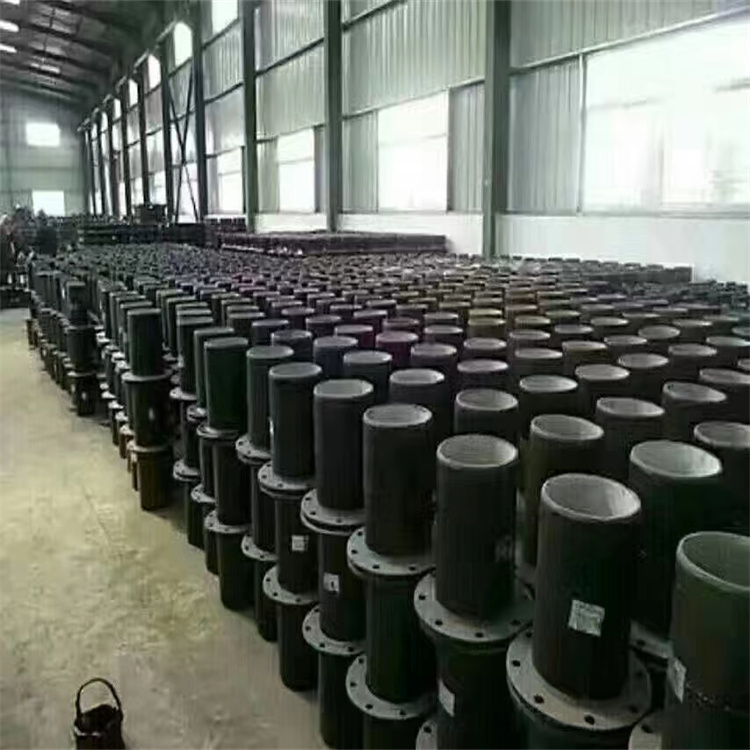
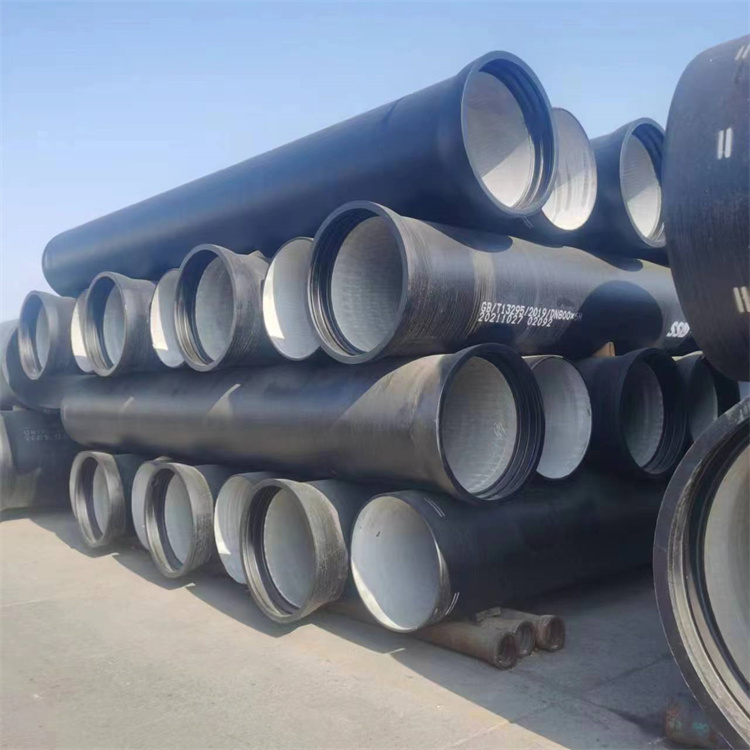












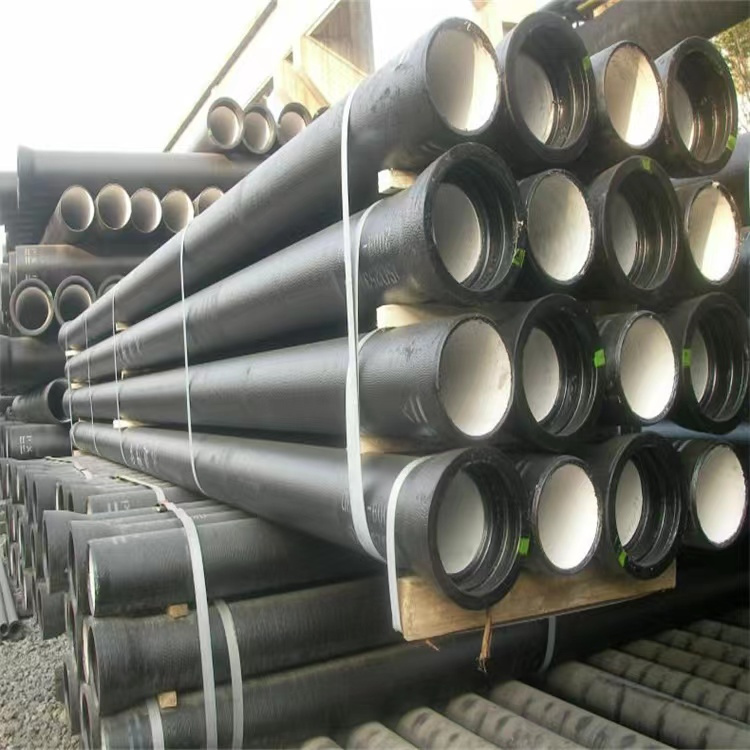

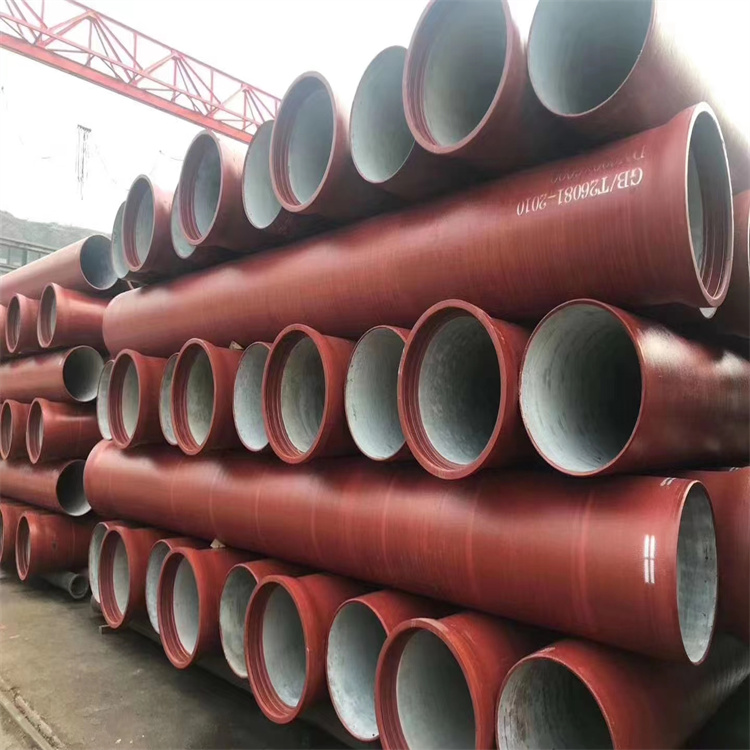

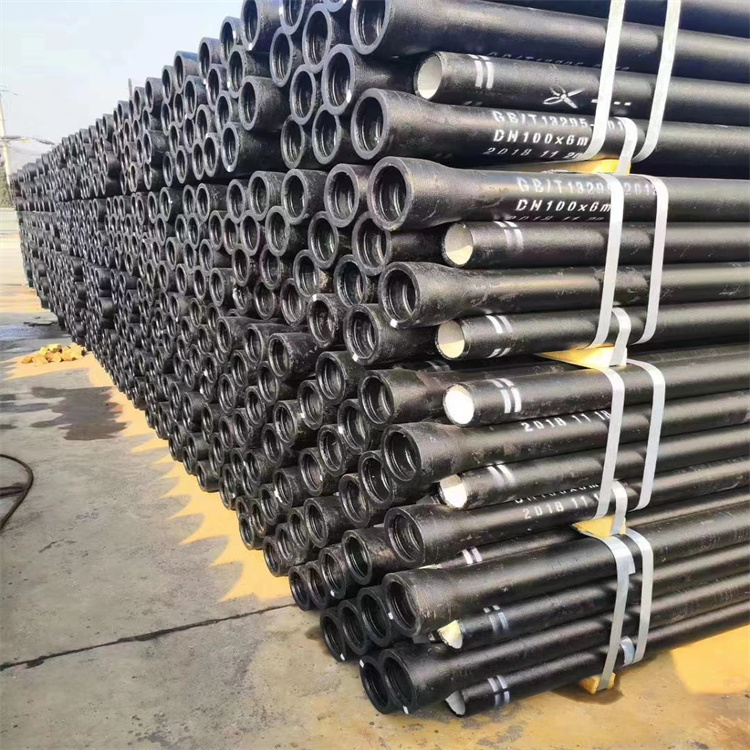
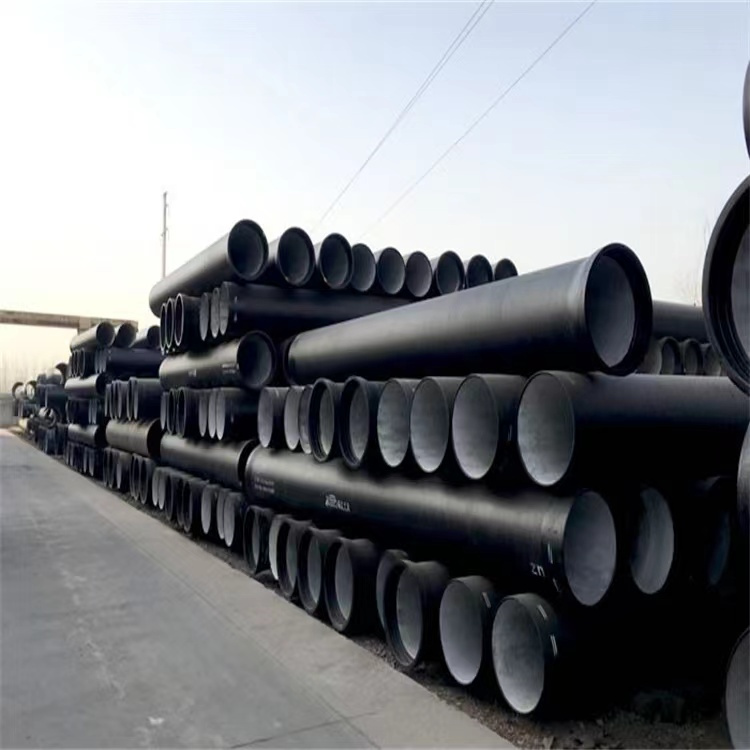
 Hardening brittleness refers to the phenomenon of significant decrease in toughness when parts are tempered within certain temperature ranges after quenching. There are two types of hardening brittleness: hardening brittleness that occurs within the range of 250℃ to 350℃ is classified as type 1 hardening brittleness, also known as "low-temperature hardening brittleness" or "irreversible hardening brittleness." It should be avoided in both carbon and alloy steels. After quenching, alloy steels containing elements like chromium, nickel, and manganese, when tempered within the range of 450℃ to 650℃ and cooled slowly, are prone to type 2 hardening brittleness, also referred to as "high-temperature hardening brittleness" or "reversible hardening brittleness." To prevent type 2 hardening brittleness, small parts can be rapidly cooled during tempering, and larger parts can be made from alloy steels containing tungsten or molybdenum. Many mechanical parts, such as gears, shafts, and cams, operate under friction, impact loads, and alternating loads, requiring the surface of spheroidal cast iron pipes to have high hardness and wear resistance, while the core needs sufficient strength and toughness. Whole heat treatment methods cannot meet these requirements, so surface heat treatment or carbonitriding, nitriding, and other chemical heat treatment methods are widely used in production.
WeChat Official Account

Scan to follow Official Account