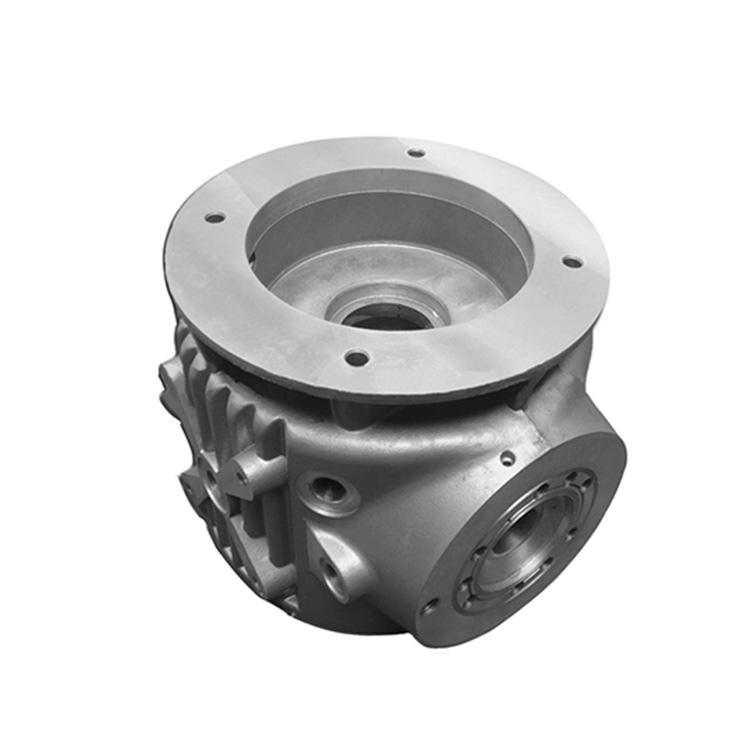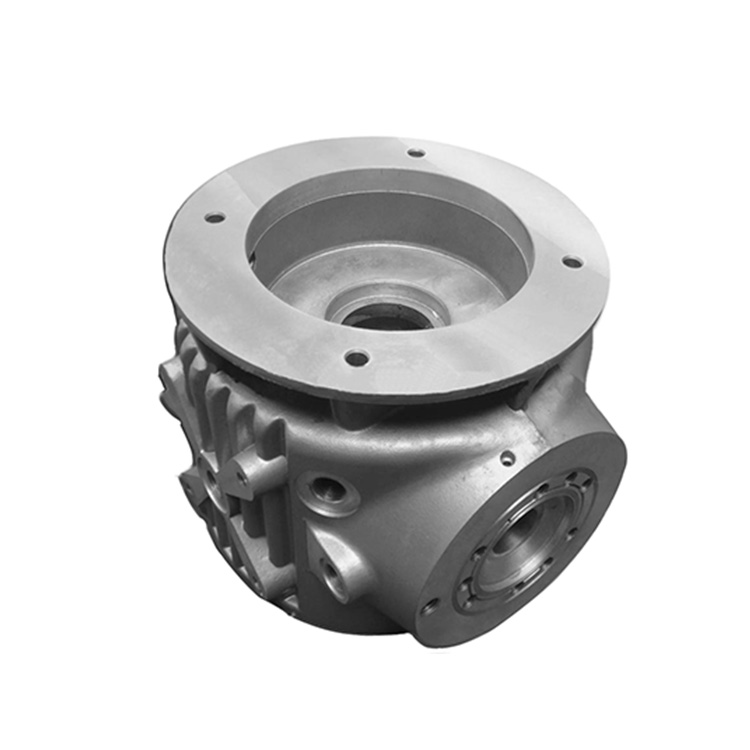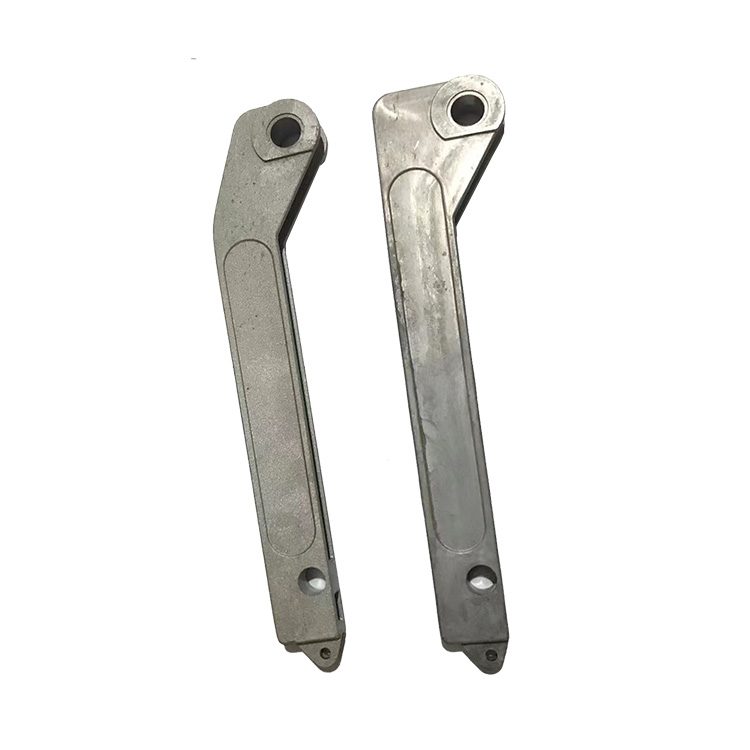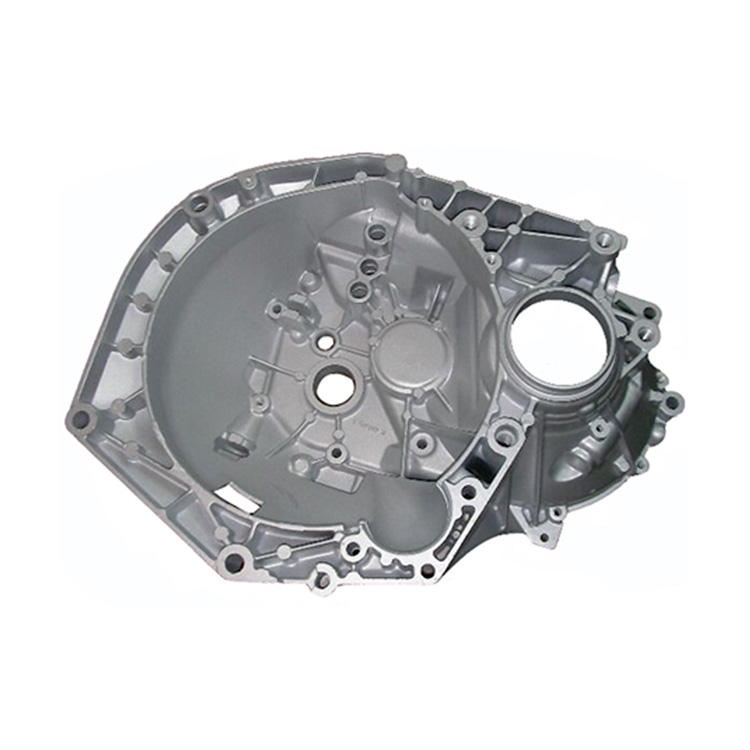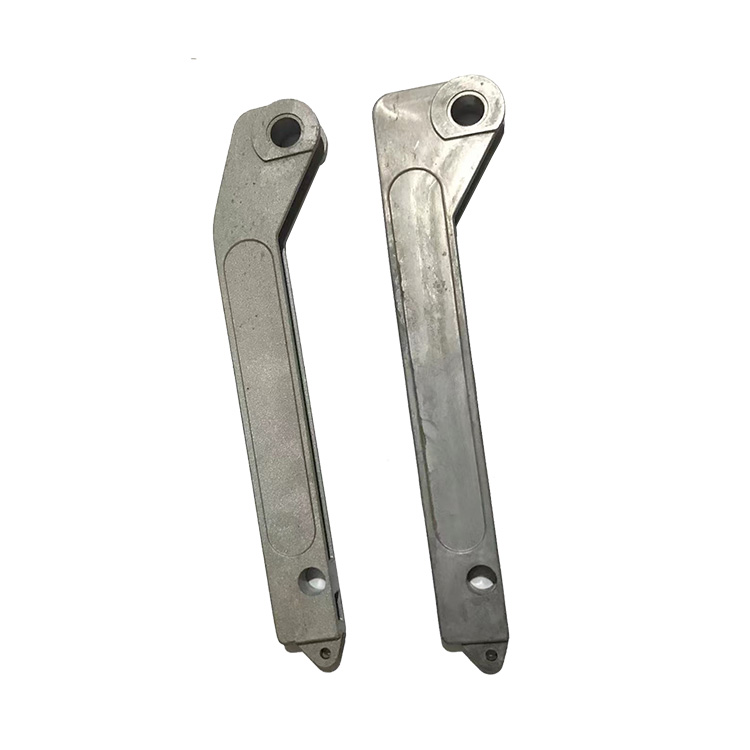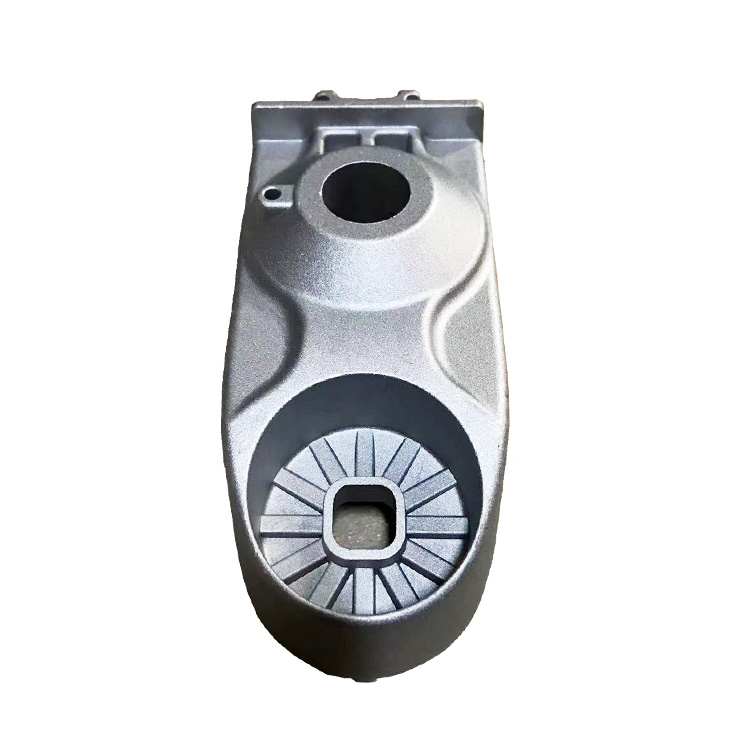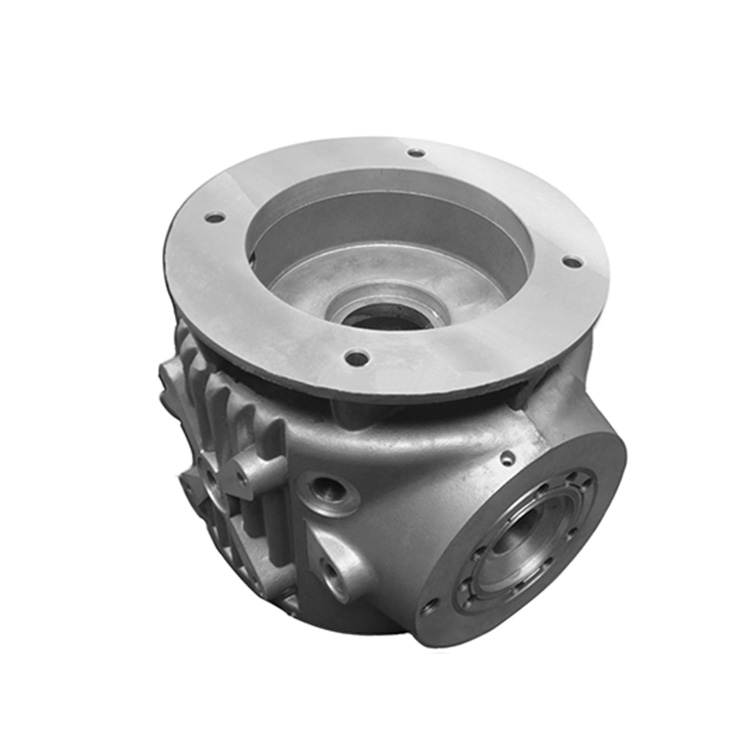

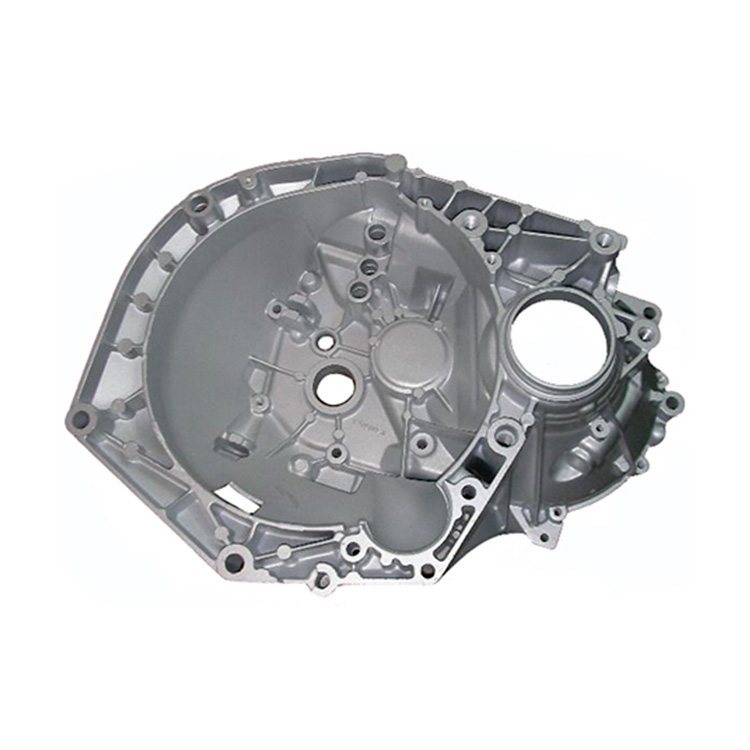


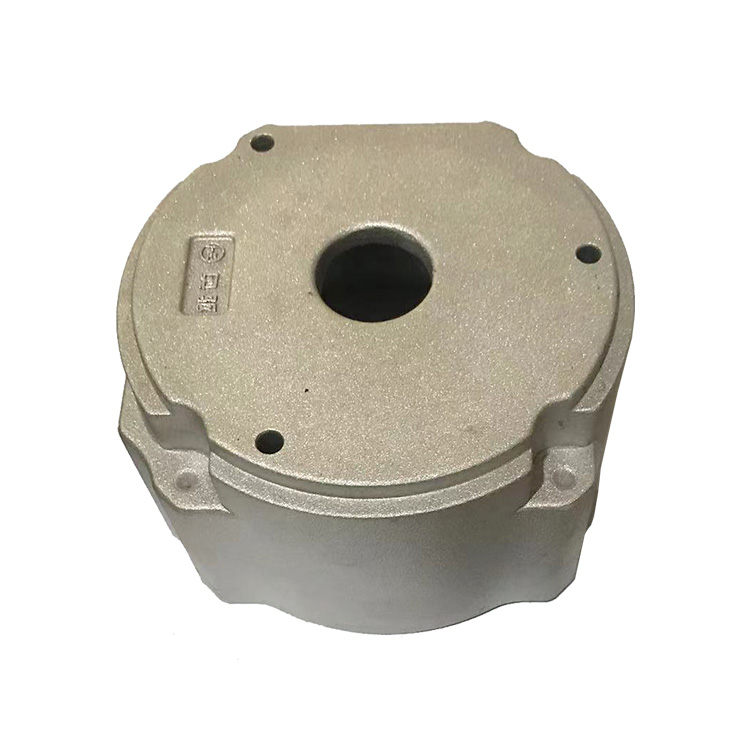
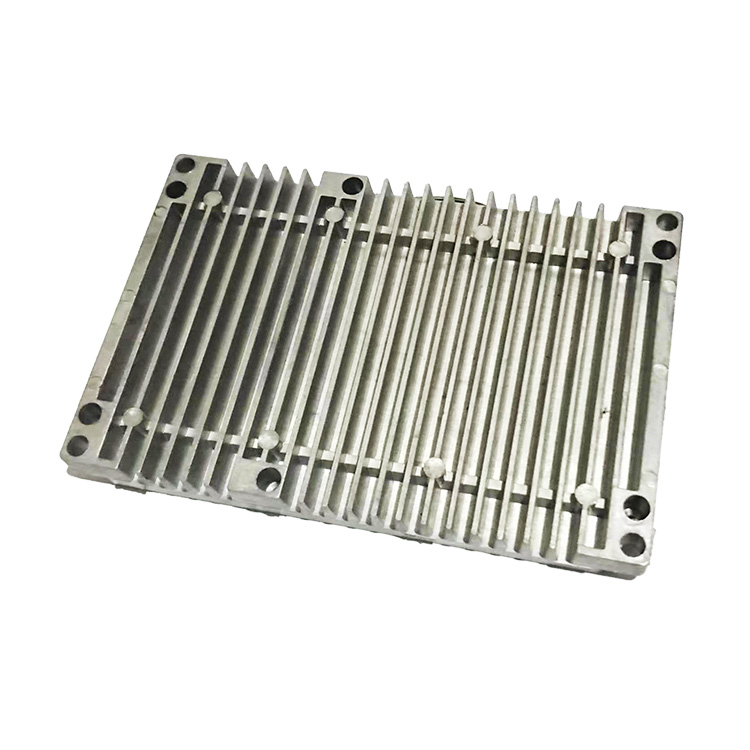
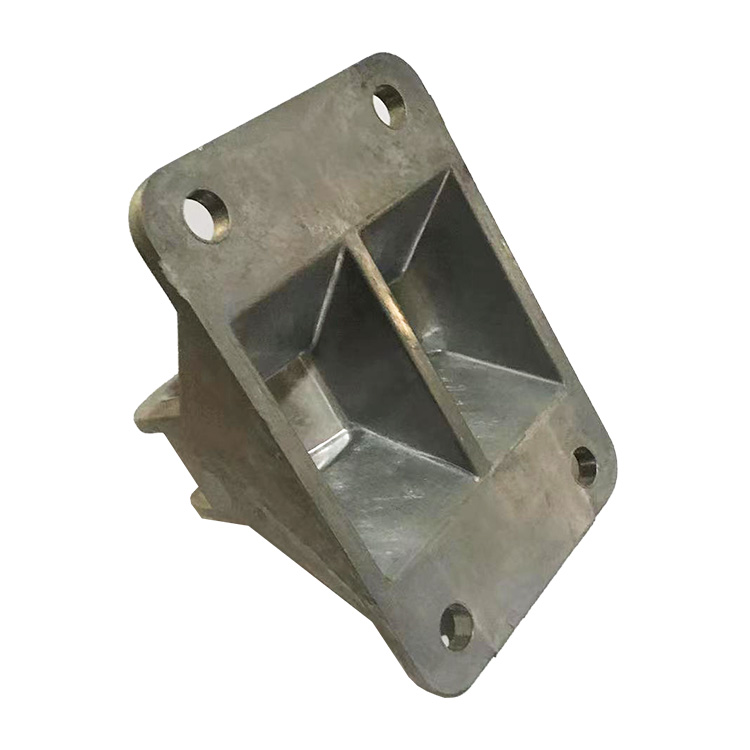
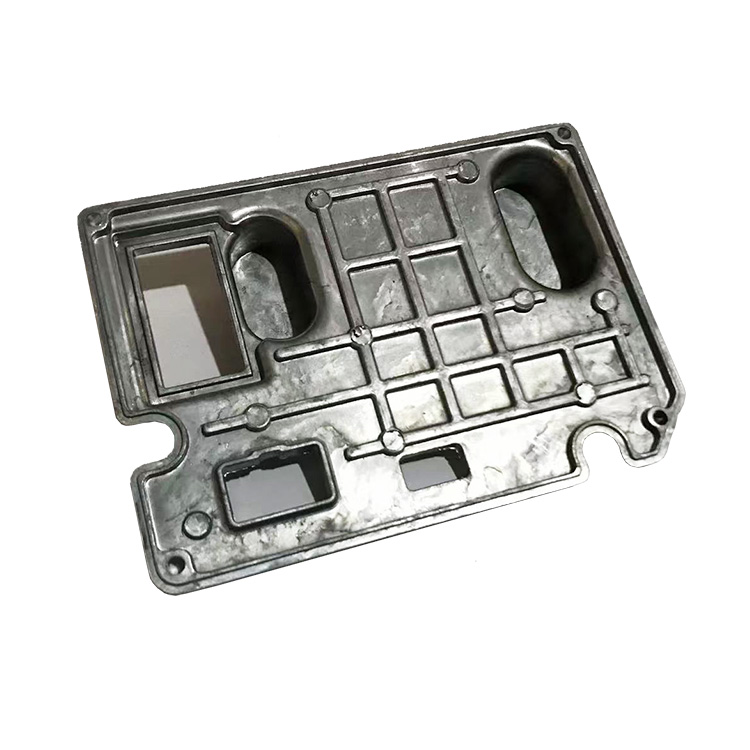
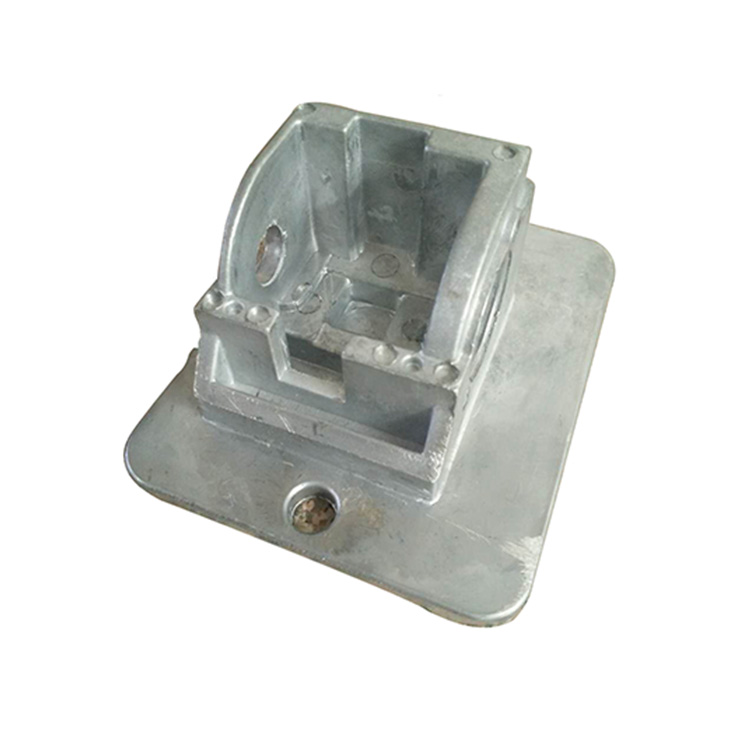





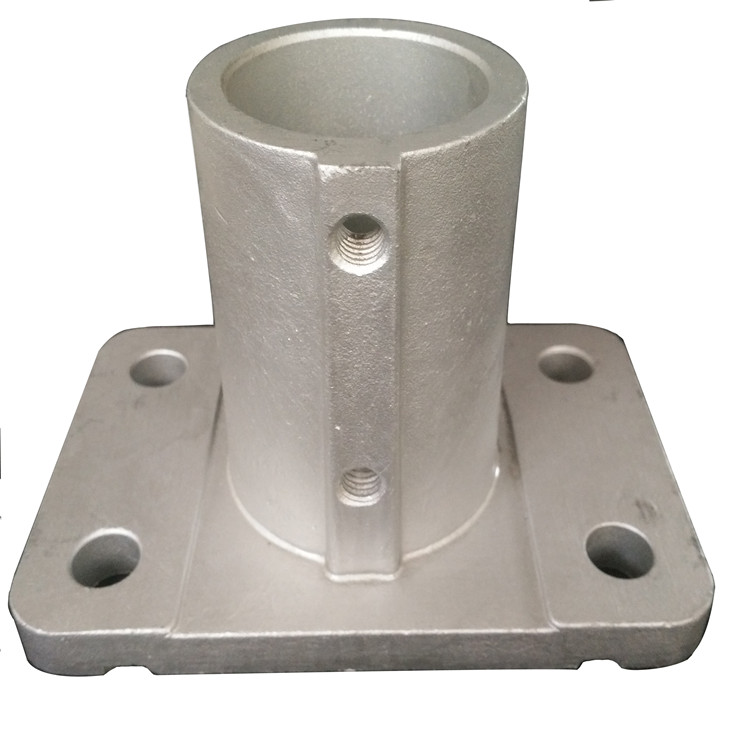
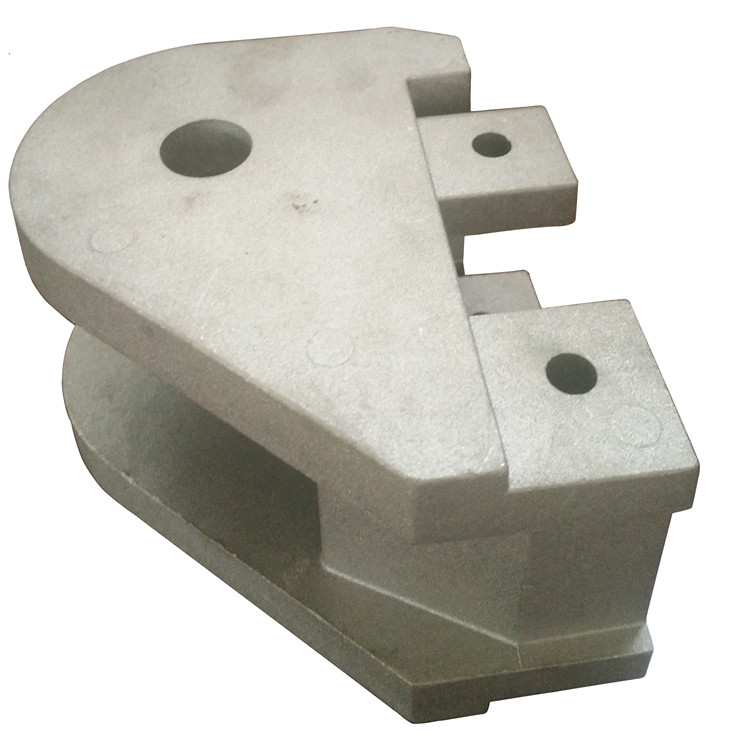
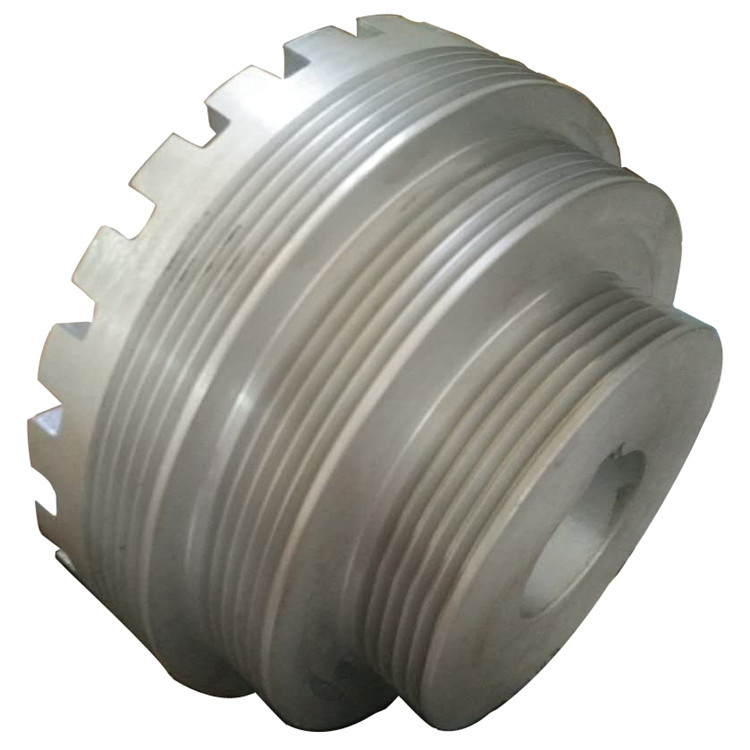
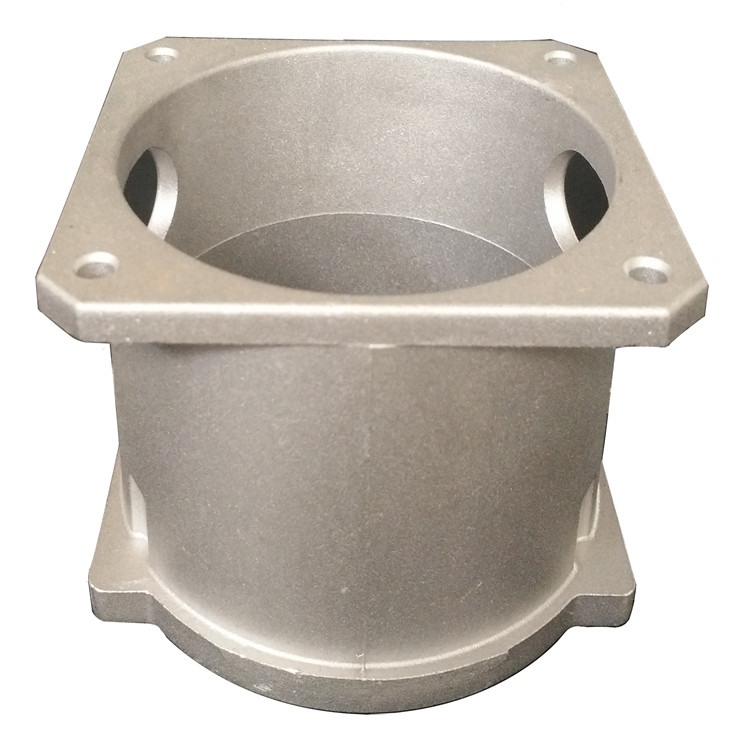
Aluminum die casting is a metal heat processing technique with minimal cutting and close to no cutting during solidification, producing castings that are lightweight, highly wear-resistant, possess high mechanical strength, good thermal and electrical conductivity, can withstand high temperatures, have an aesthetically pleasing appearance, and are energy-efficient. These advantages make it widely used in precision electronic devices for the automotive, home appliance, aviation, and machinery industries. The robust growth in the automotive industry in recent years has made automotive castings a significant supporting industry for the die casting sector. China's output of automotive castings already accounts for over 70% of the country's total die casting production, making aluminum die castings play a crucial role in the automotive industry.
Over the past 20 years, the global energy issue has become increasingly severe, making it crucial for car manufacturers to reduce the weight of vehicles and lower fuel consumption to enhance their competitiveness. Aluminum boasts low density, excellent corrosion resistance, and excellent plasticity in aluminum alloys, which are suitable for casting, forging, and stamping processes, making it ideal for die-casting in automotive parts production. When comparing production costs, part quality, and material utilization, aluminum alloys have become the preferred choice of material. In recent years, aluminum die-cast parts account for about 80% of the total usage in China's automotive die-casting market.