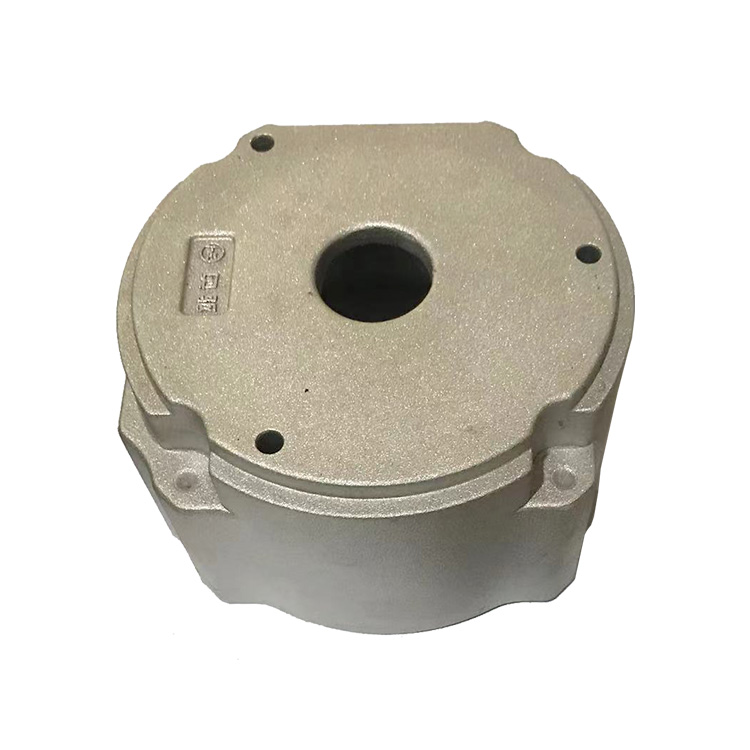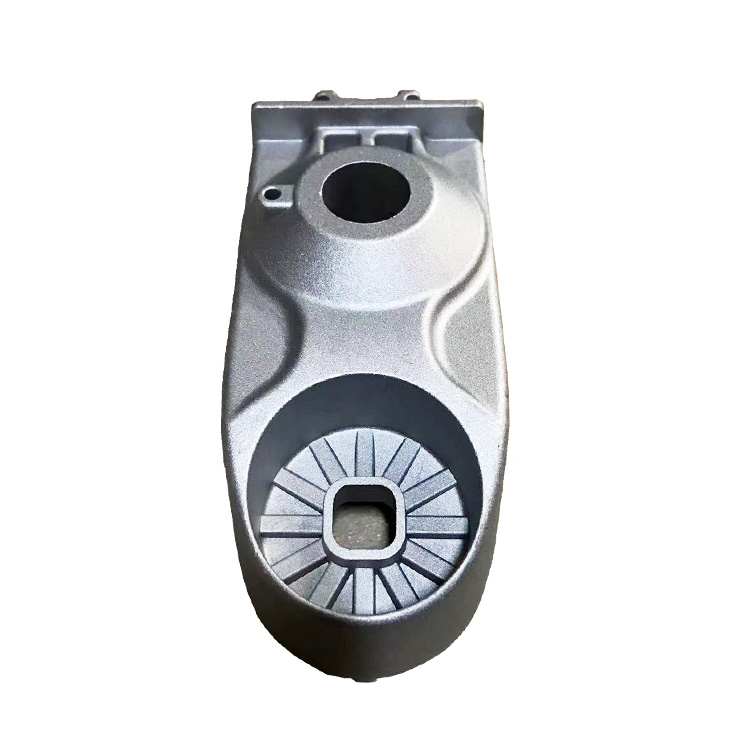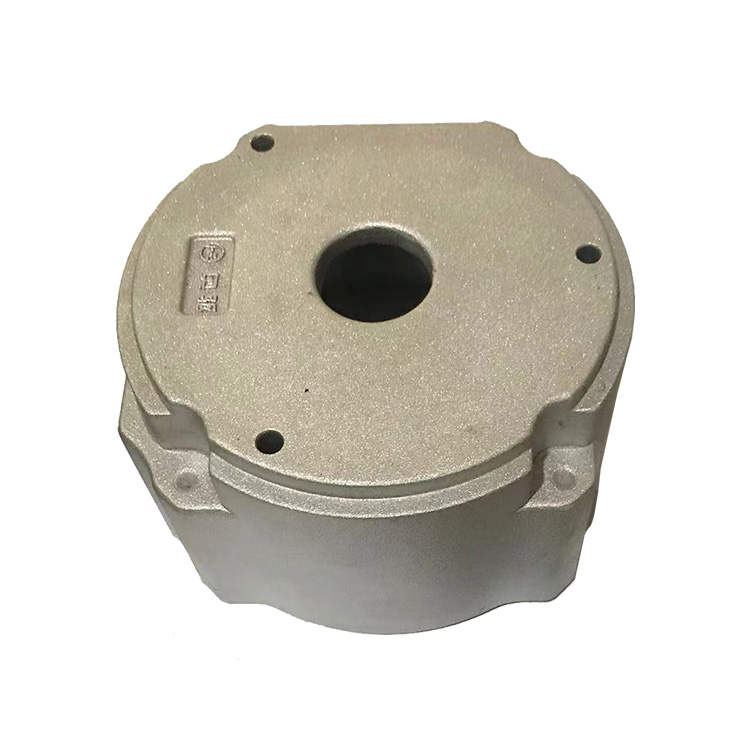

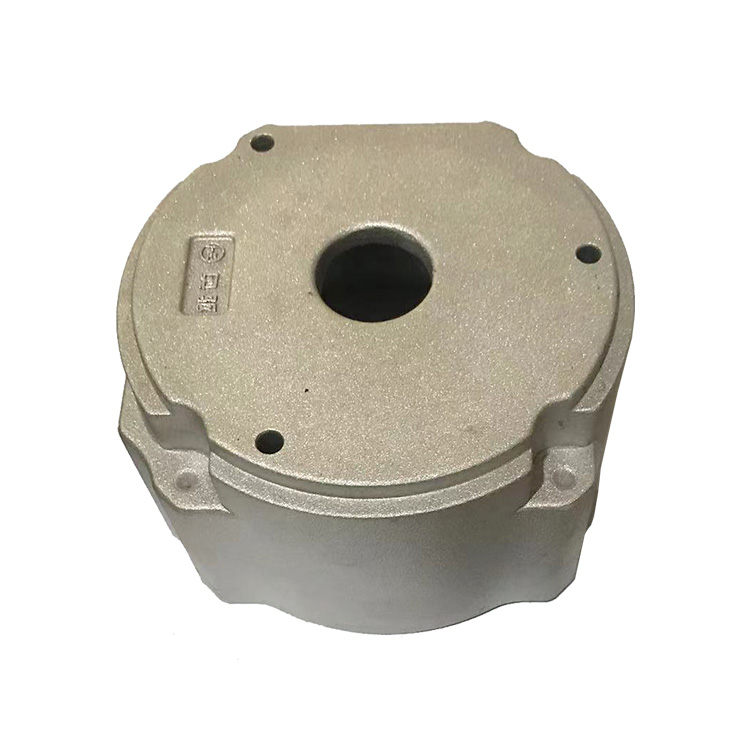
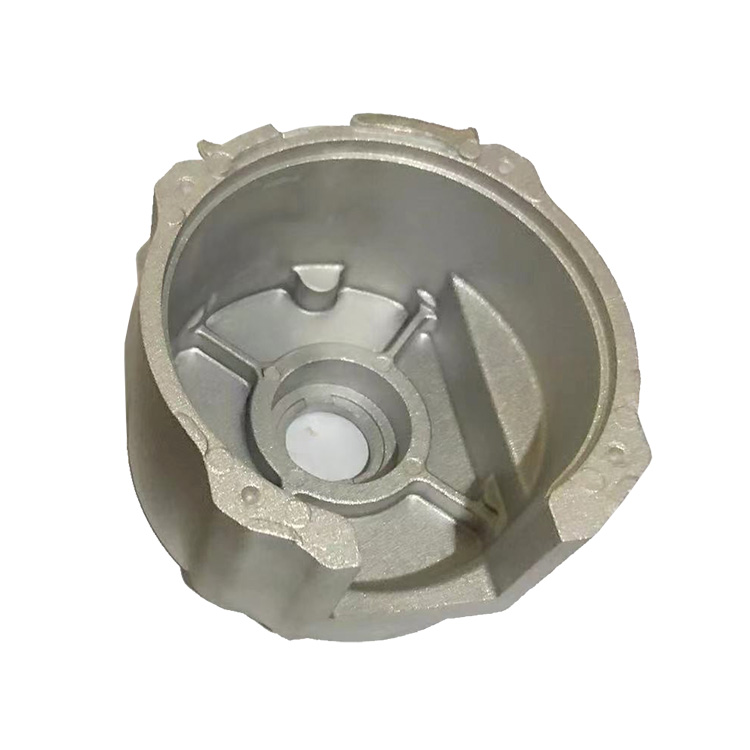


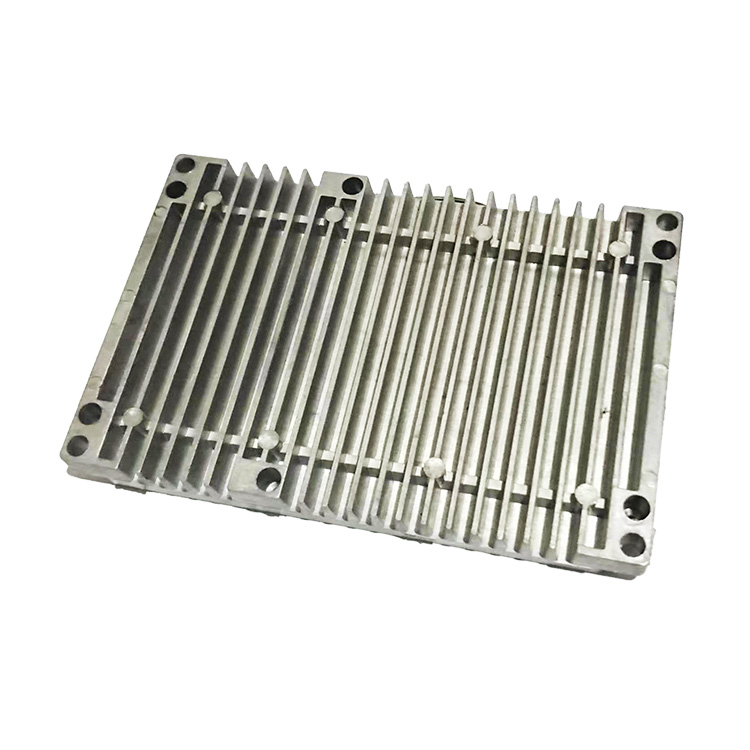
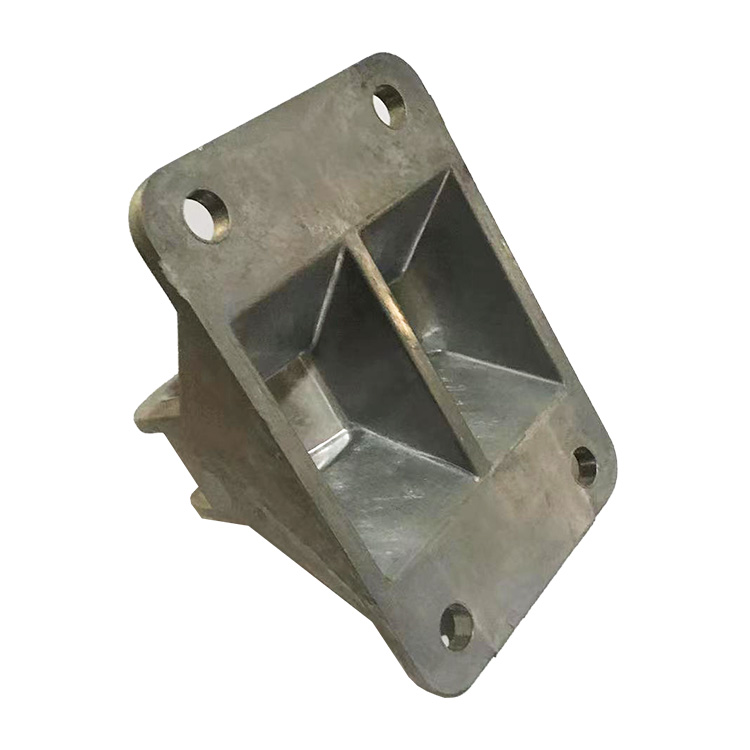
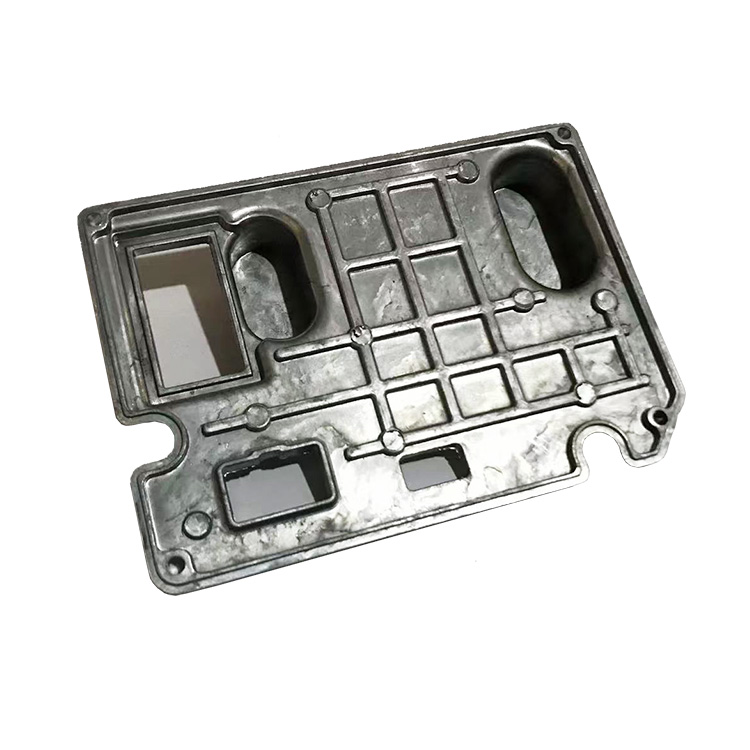





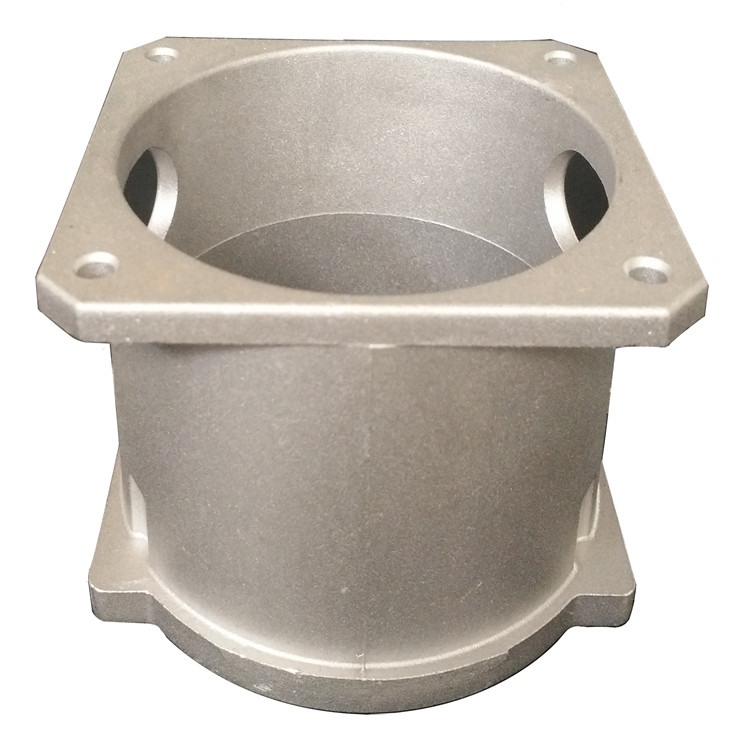
Over the past few decades, most motors have been cast iron motors. Their motor casings are highly durable, resistant to external pressure, and not prone to deformation.
Low price, suitable for use in places with high driving force and poor environment. However, it is heavy and has poor thermal conductivity; not suitable for die casting, poor plasticity, and low elongation; also produces a lot of noise and lacks stability.
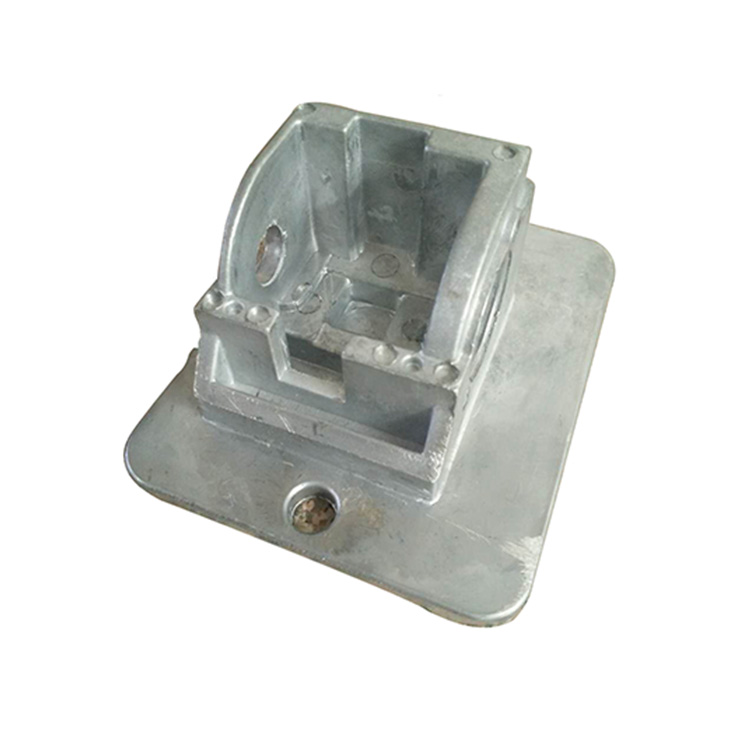
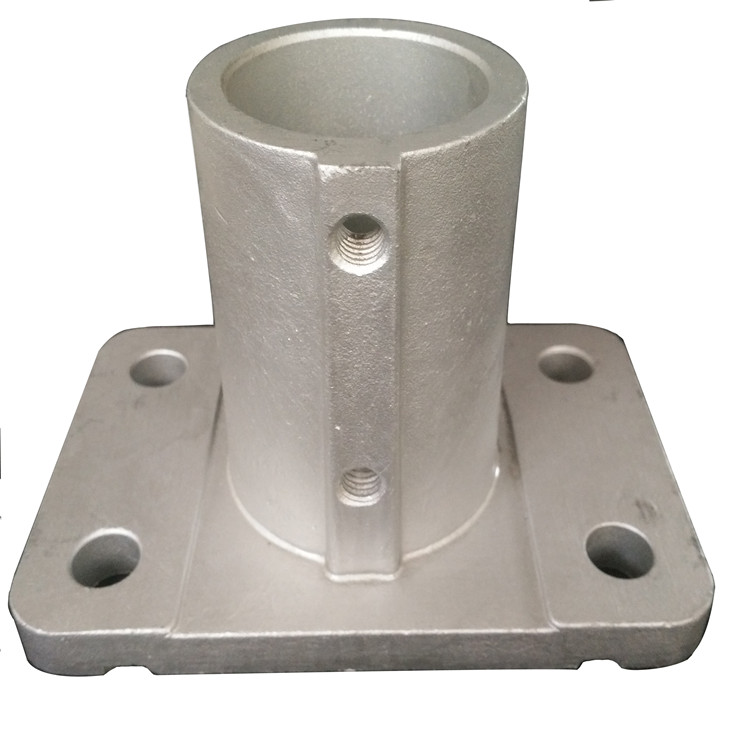
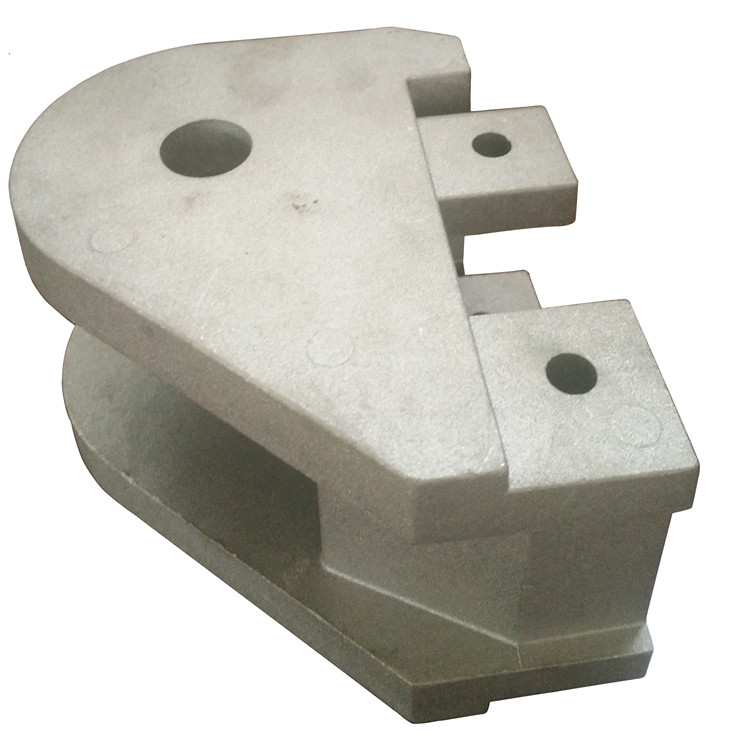
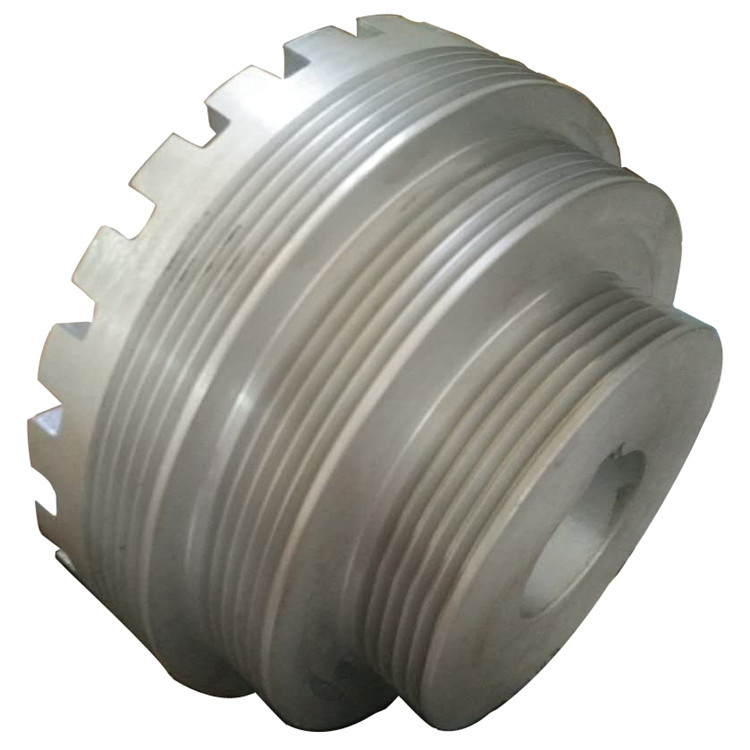
With technological advancements, an increasing number of motors are using aluminum. The advantages of aluminum alloy die-castings include lightweight, excellent heat dissipation, good thermal conductivity, castability, high malleability, elongation higher than iron, low noise, and good motion stability. The drawbacks are higher cost and lower hardness, making them suitable for installations where less force is required.
Motors with aluminum casings are typically used for stable operations, powered by DC, featuring high rotational speeds and are installed in areas not requiring excessive force. Aluminum is soft, making the aluminum casing lighter than iron, better for heat conduction, castable, highly malleable, with higher elongation than iron, but more expensive and lower in hardness.
Considerations for using aluminum casings in small motors include:
The density of aluminum is relatively low, which can reduce the overall weight of the machine.
2. Aluminum has better thermal conductivity than iron, which is beneficial for motor heat dissipation.
3. Aluminum has low strength, which is easy to process and manufacture, saving production costs.