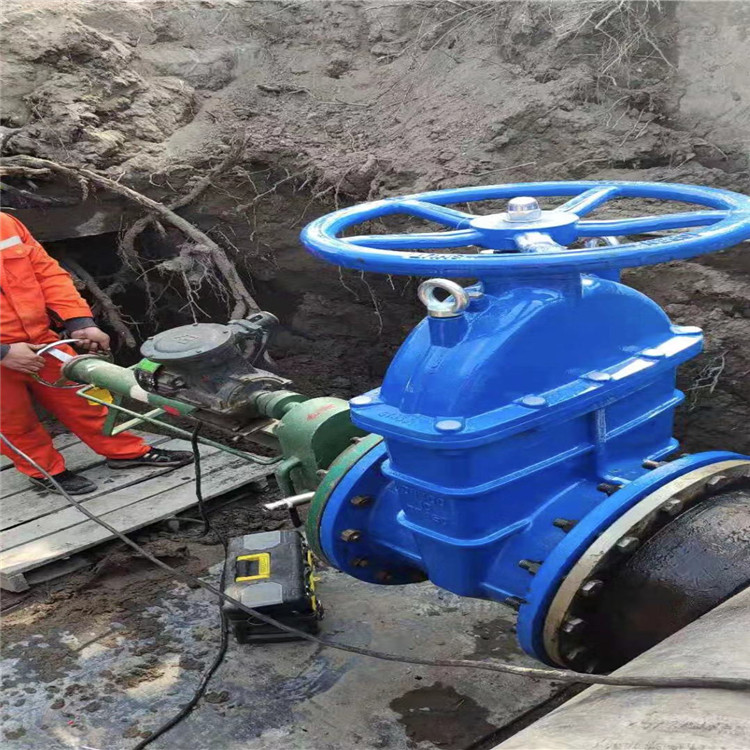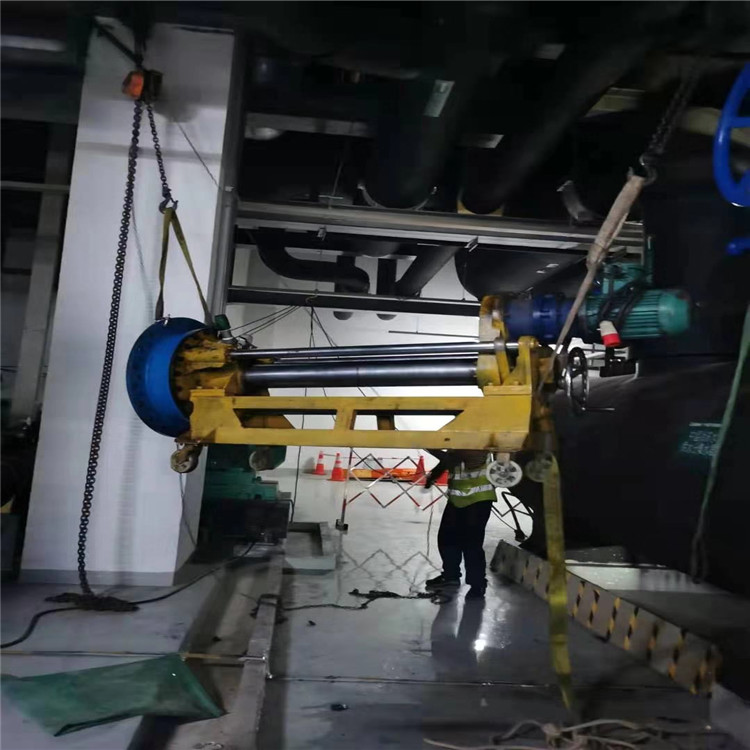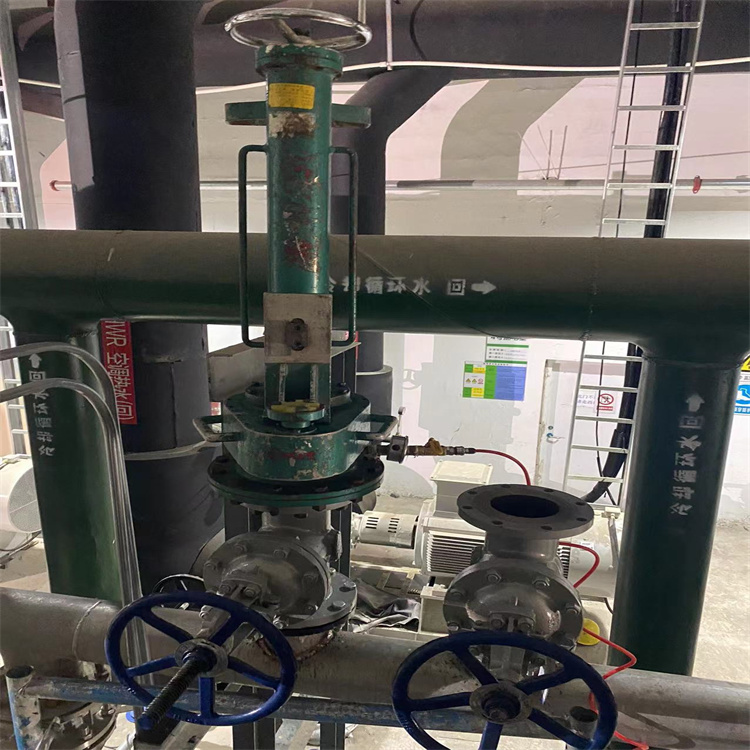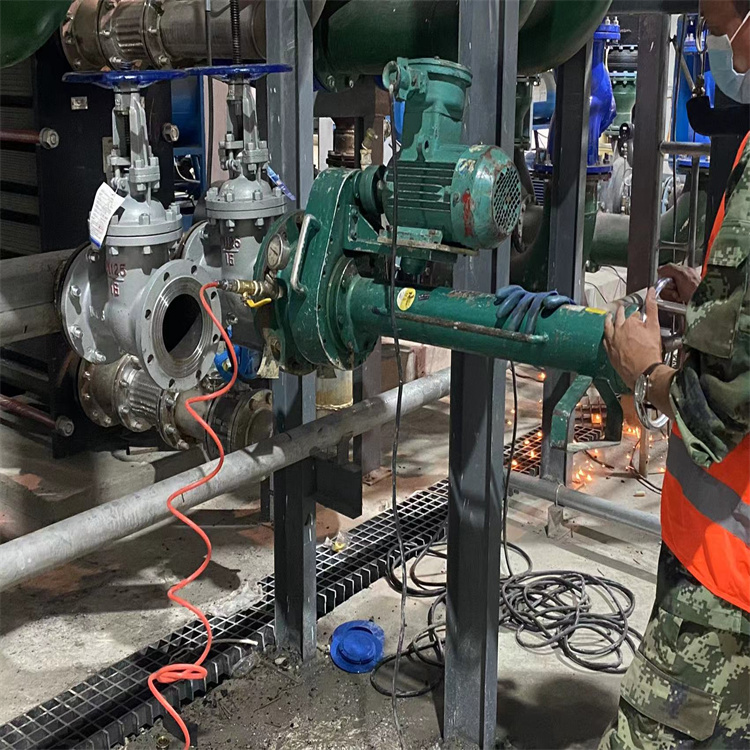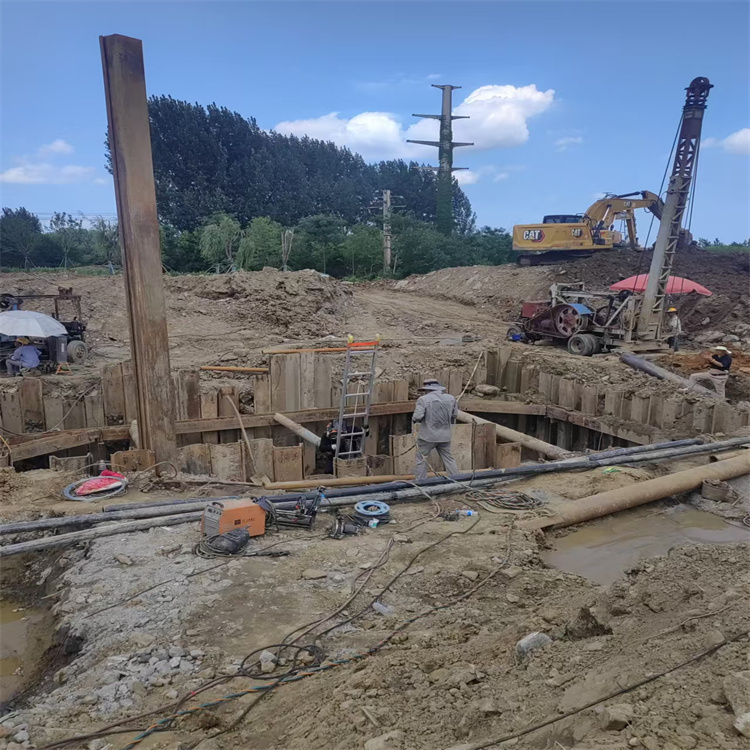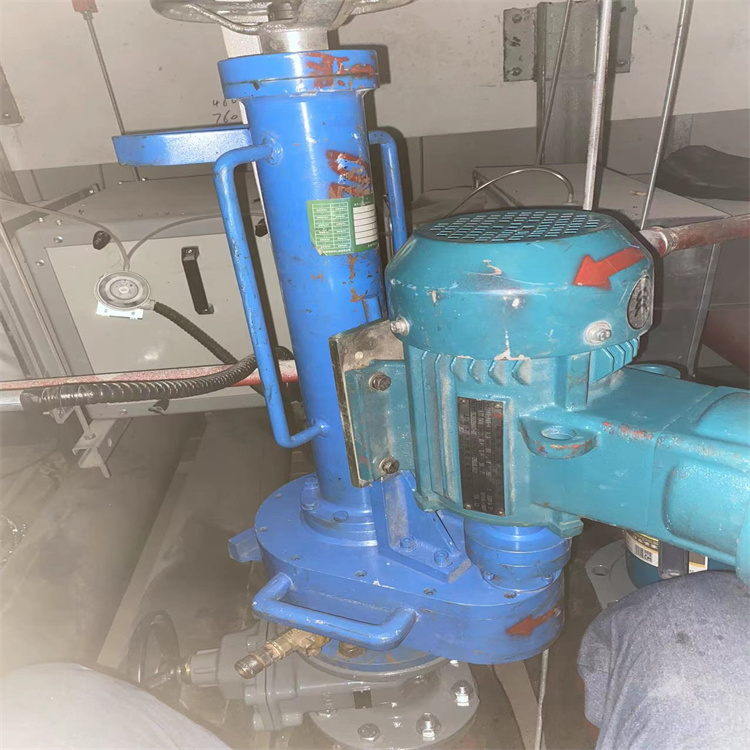

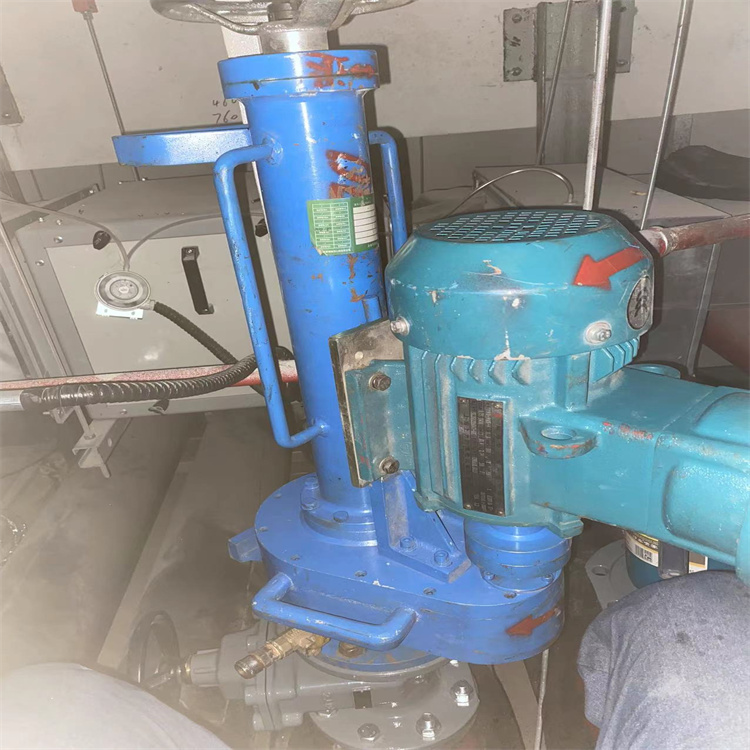
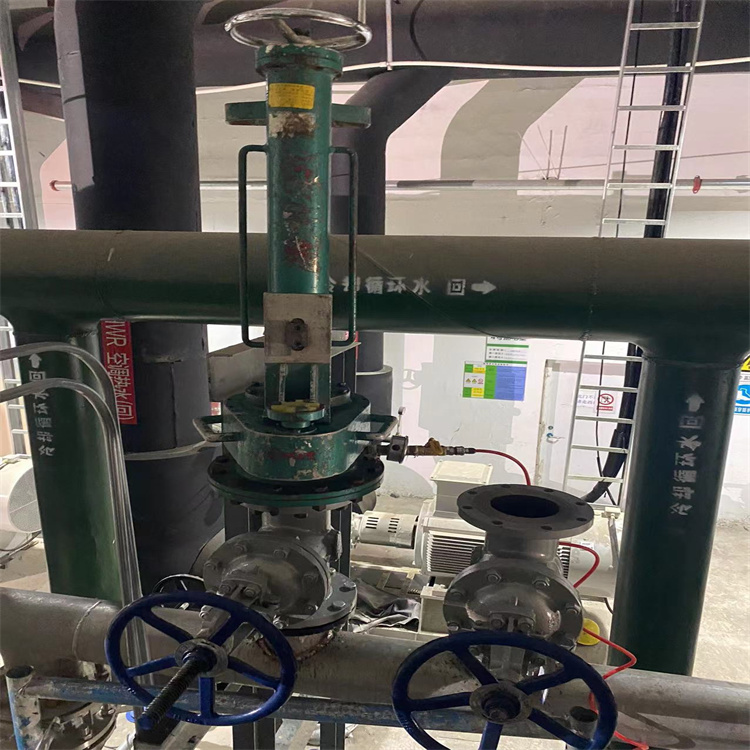
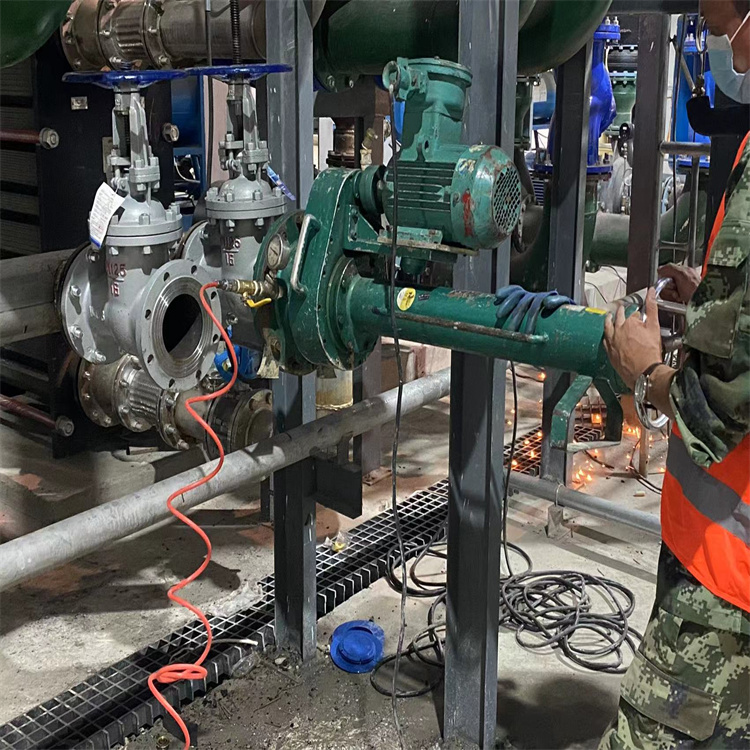


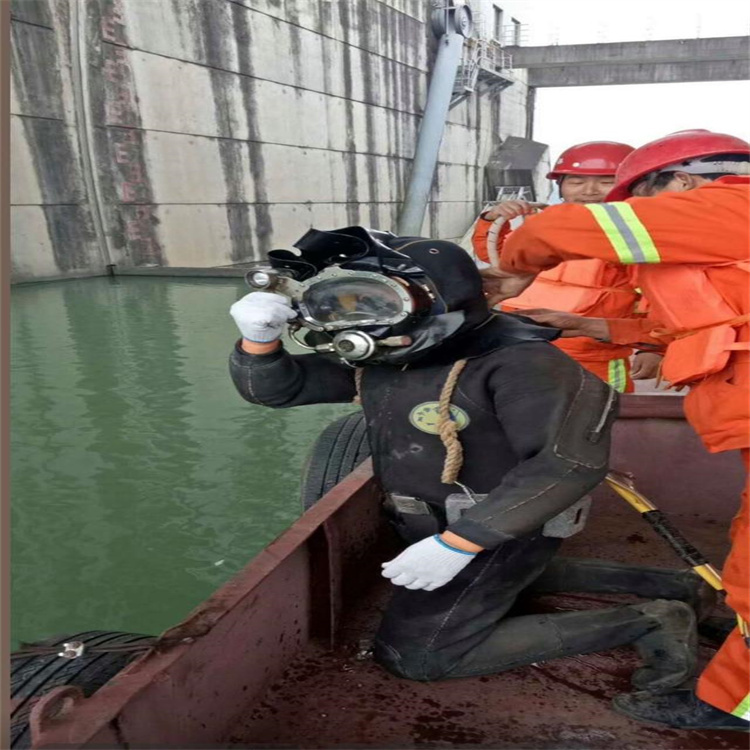
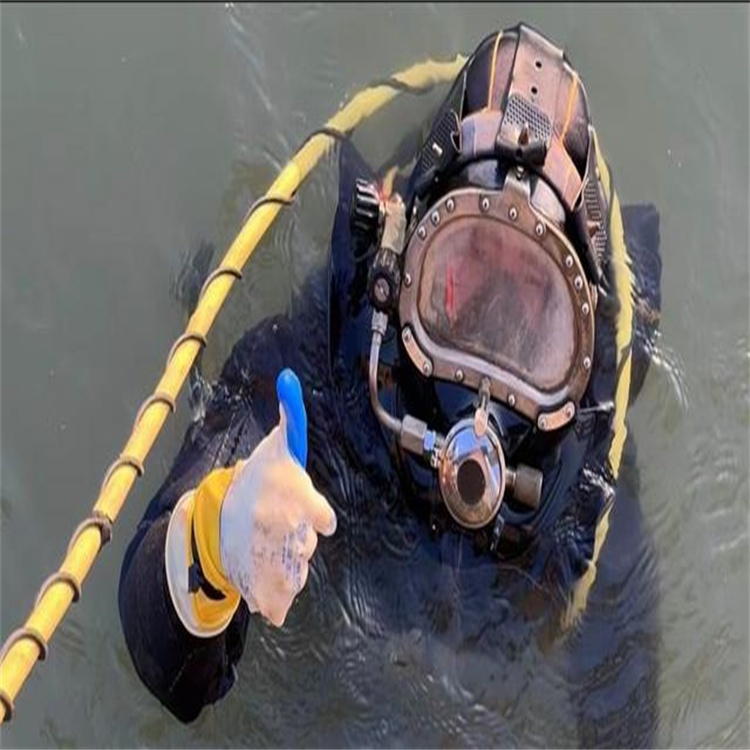
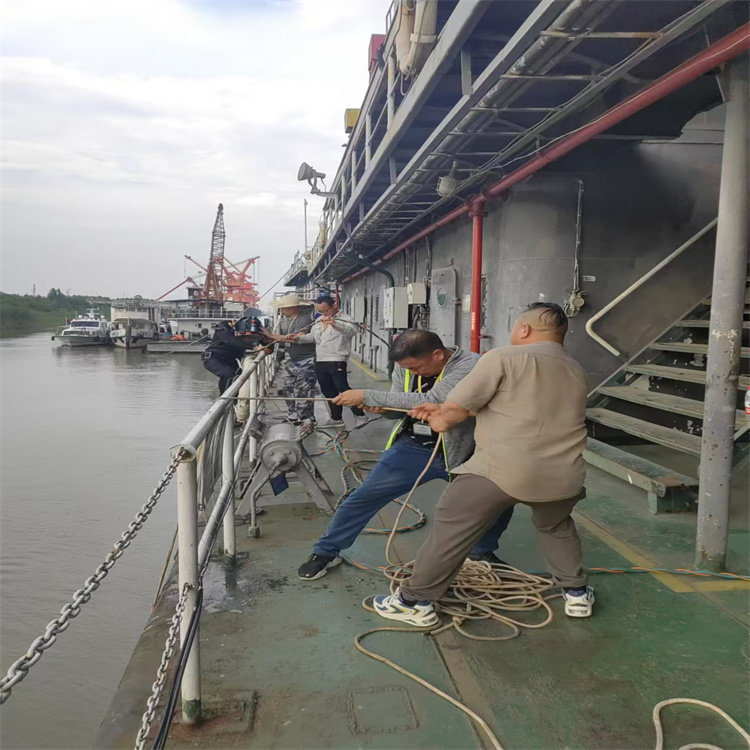

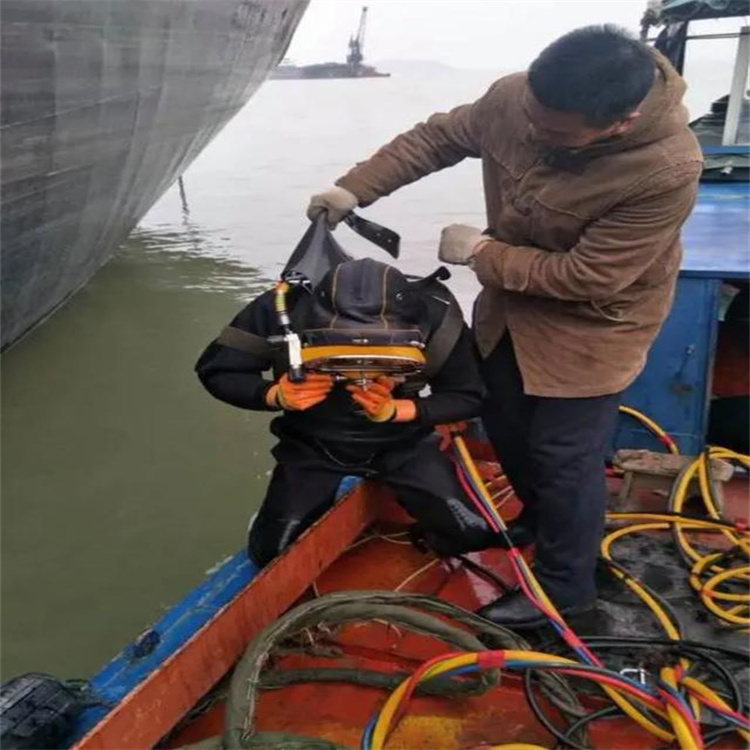





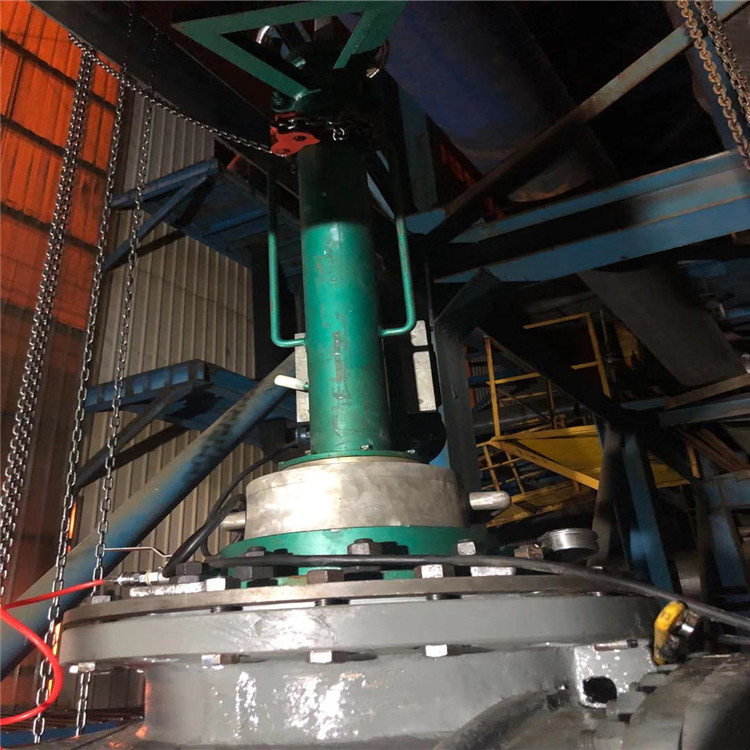
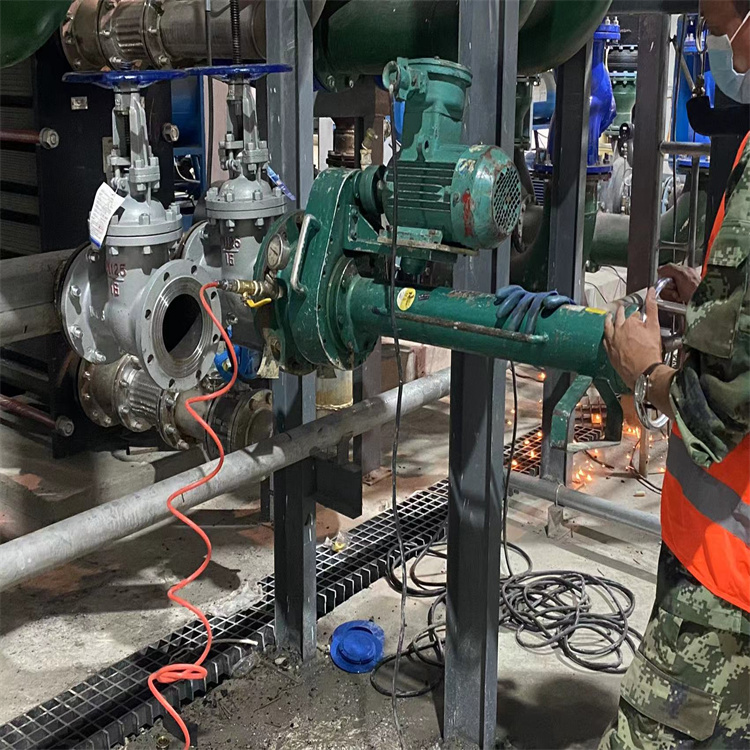
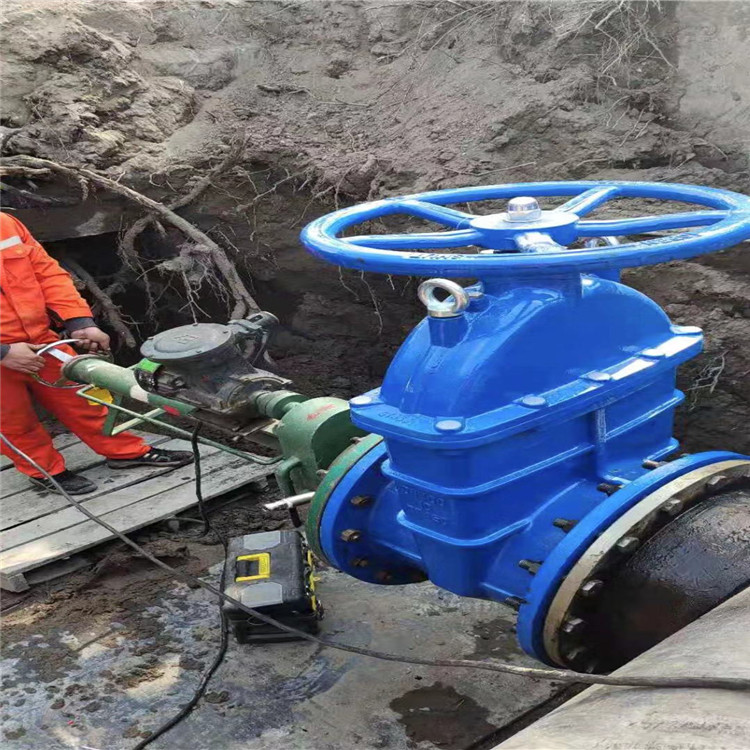
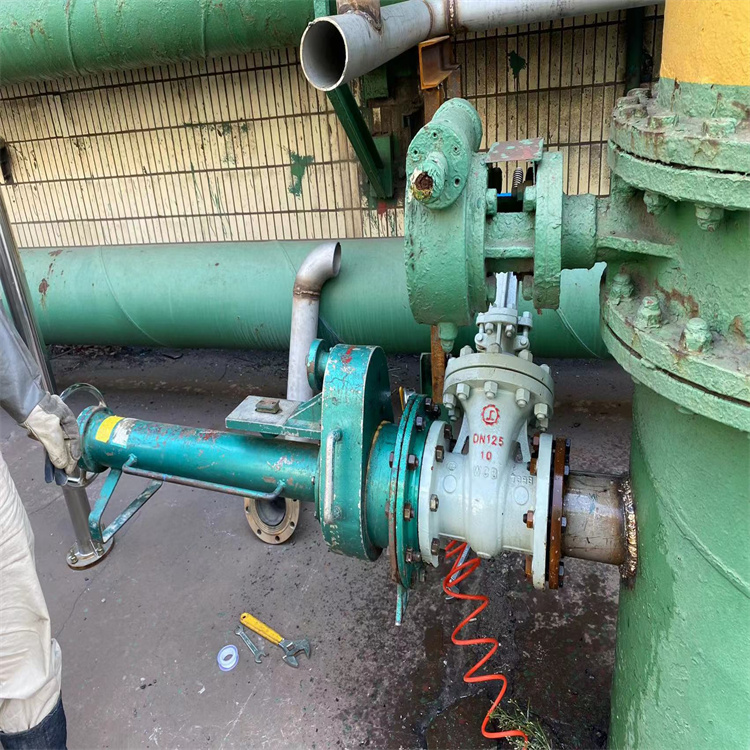
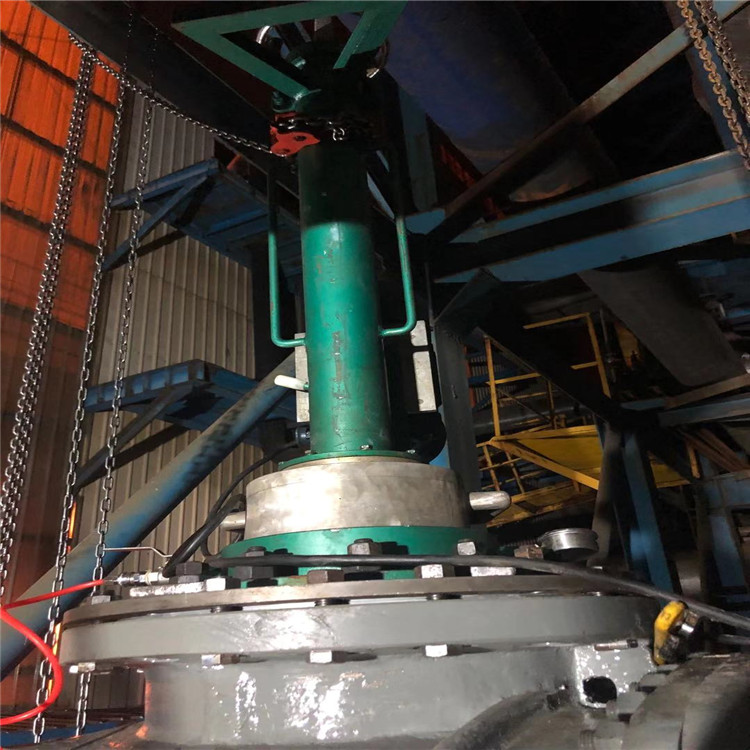
During pipeline shutdownless plug projects, regardless of the medium being transported, in addition to scheduled maintenance and renovations, it is inevitable to have emergency repairs for unforeseen incidents, such as pressure maintenance, replacing corroded pipe sections, installing equipment, and redistributing modifications. The general procedures for pipeline repairs include: 1) Adjusting pipeline routes based on the needs of external environments and other factors; 2) Identifying and addressing potential issues through intelligent detection, then promptly repairing or replacing pipe sections to eliminate hazards; 3) Conducting emergency repairs as soon as possible in the event of an unexpected incident to minimize losses and, particularly, severe environmental damage.
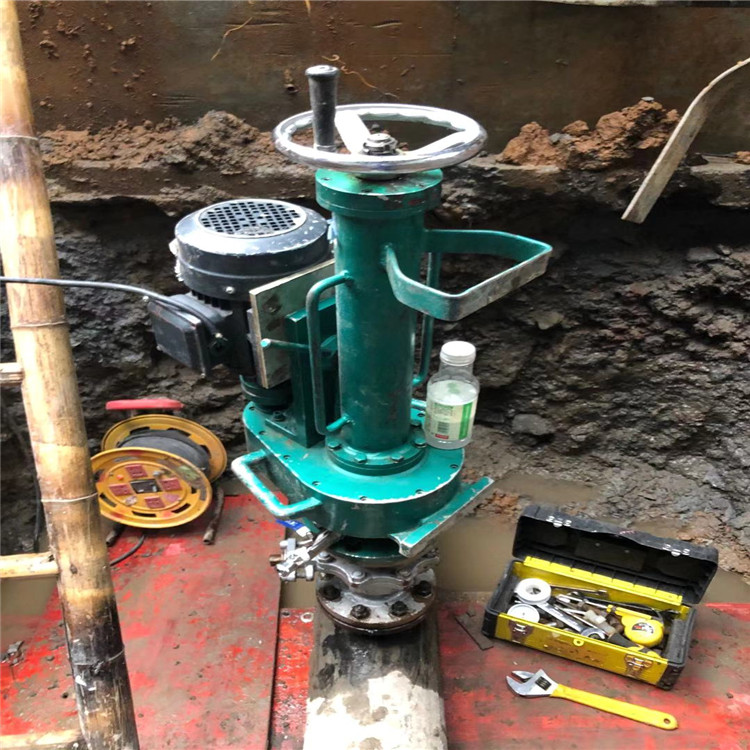
Four physical techniques for pipeline shutdown without flow interruption;
1. Casing Plugging Technology
Pipe sleeve plugging is suitable for pipelines with scaling and corrosion on the inner wall, as well as irregularly deformed pipelines. It is generally used in production pipelines of oil fields and petrochemical systems. This process features tight sealing and is unaffected by the age of the pipeline.
2. Saddle plug technology
Pipe plug valves are suitable for long-distance pipelines with standard diameters and clean, non-corroded inner walls, commonly used for transporting oil, natural gas, and refined oil products, as well as for emergency pipeline repairs. This technology features tight sealing, high pressure-bearing capacity, and rapid construction.
3. Collapsible plug valve
Pipe fold sealing heads are suitable for blocking large-diameter pipelines, featuring the ability to seal large pipes with small holes. They are ideal for long-distance pipelines transporting oil, natural gas, and refined oil products, as well as for pipeline emergency repairs. This technique is characterized by tight sealing and rapid construction.
4. Bladder Plug Technology
Pipe bag sealing refers to a method of sealing pressurized pipelines using air bags. It is mainly used for large-diameter pipelines such as water-gas pipelines, featuring small bore opening and large sealing pipe diameter, with a short construction period. However, due to the influence of pipeline pressure, the sealing pressure is generally below 0.1 MPa.