








Product Introduction
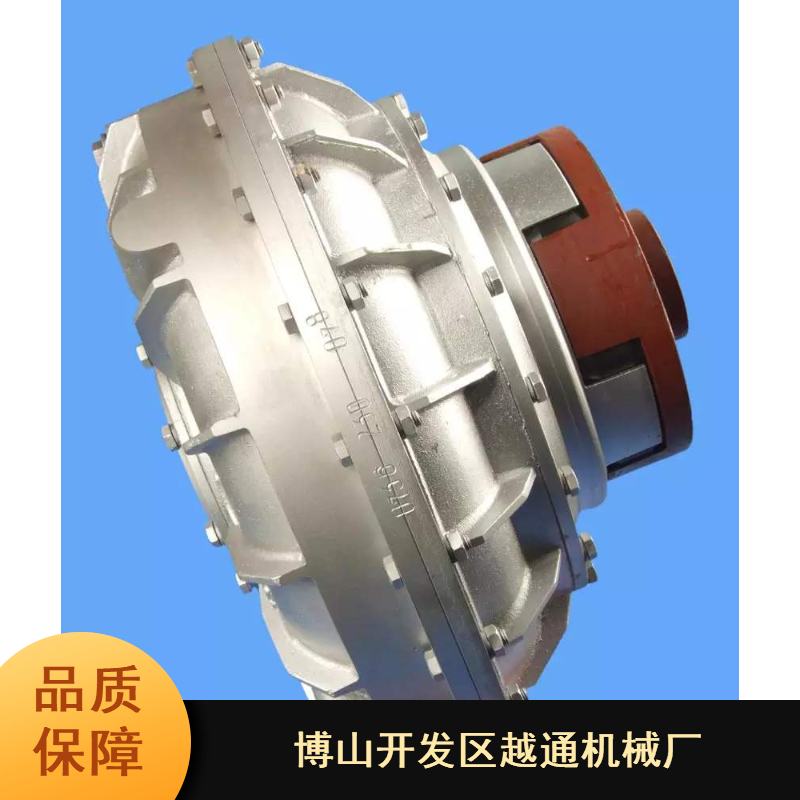
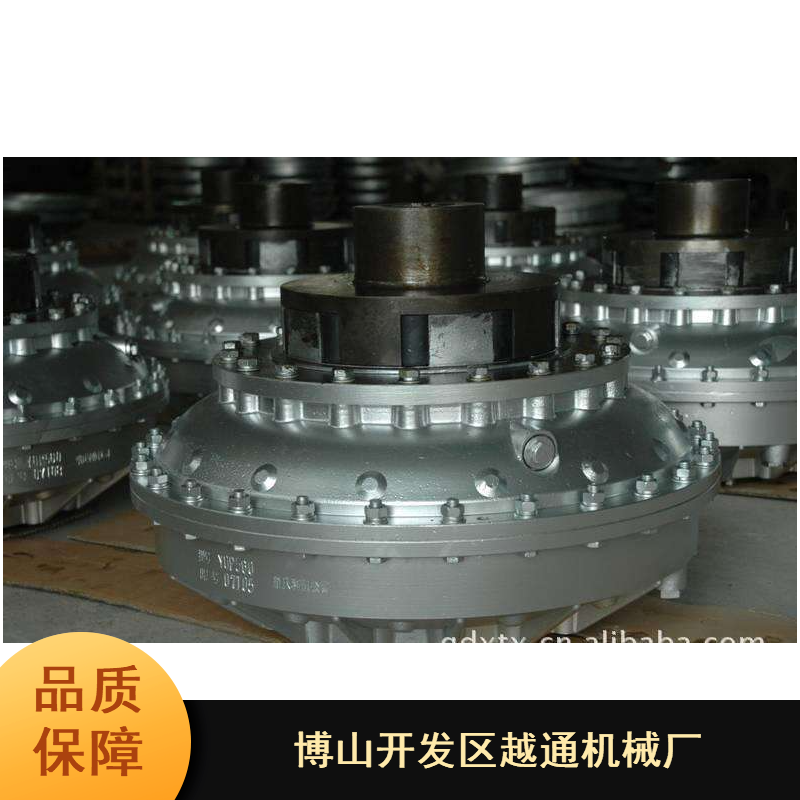
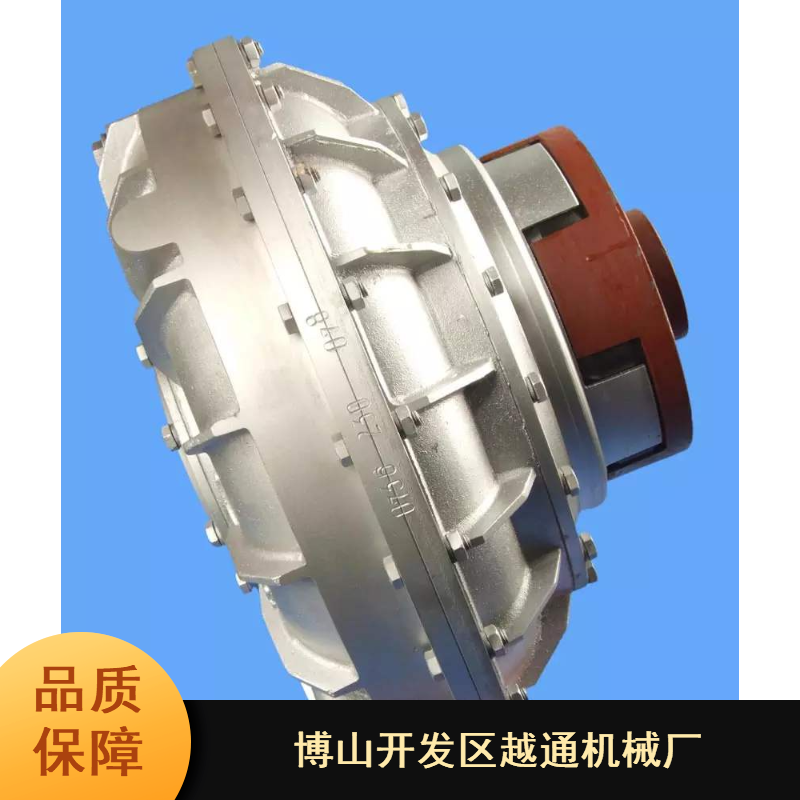
A hydraulic coupler is a mechanical device that transmits rotational speed using a liquid medium. It connects the driven input shaft end to the original driving mechanism and the driven output shaft end to the load shaft end. By adjusting the pressure of the liquid medium, the rotational speed of the output shaft can be changed. Ideally, as the pressure approaches infinity, the output speed equals the input speed, similar to a rigid coupling. As the pressure decreases, the output speed correspondingly reduces. Continuously changing the medium pressure allows for a stepless adjustment of the output speed below the input speed. The principle of power control and speed regulation, as well as the efficiency of the hydraulic coupler, are based on its aforementioned characteristics. The hydraulic coupler is an energy-consuming mechanical speed regulating device; the deeper the speed regulation (the lower the speed), the greater the loss, especially for constant torque loads. Since the original driving input power remains constant, the loss power increases proportionally with the speed loss. For loads like fans and pumps, where the load torque varies with the square of the speed, the original driving input power decreases with the square of the speed, resulting in relatively smaller loss power. However, the output power decreases with the cube of the speed, so the speed regulation efficiency remains low. The speed regulation efficiency curve of the hydraulic coupler shows an average efficiency of around 50%. A non-rigid coupling that uses a liquid as the working medium, also known as a hydraulic coupling.
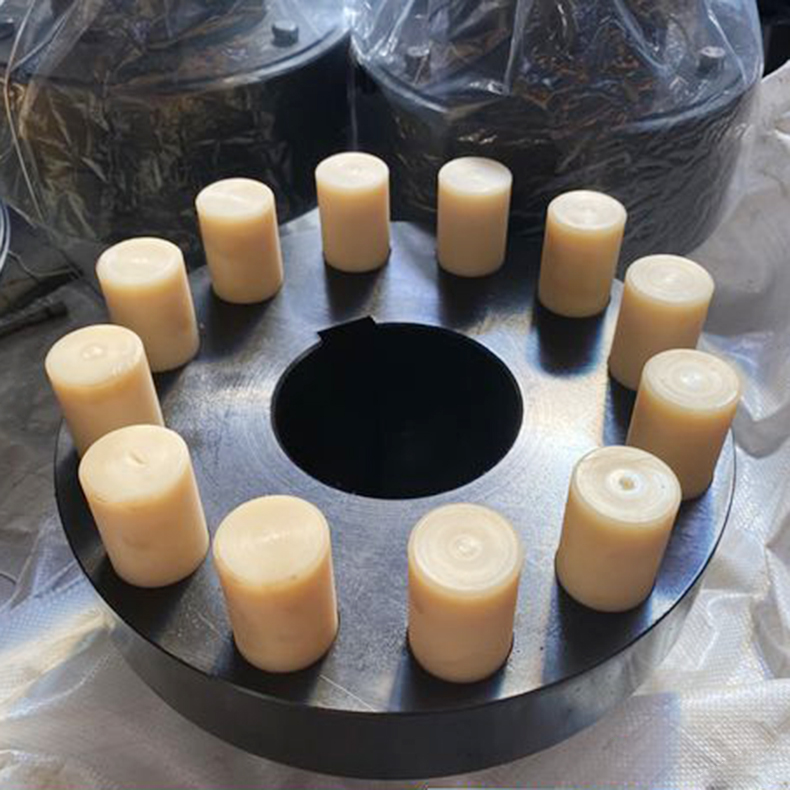
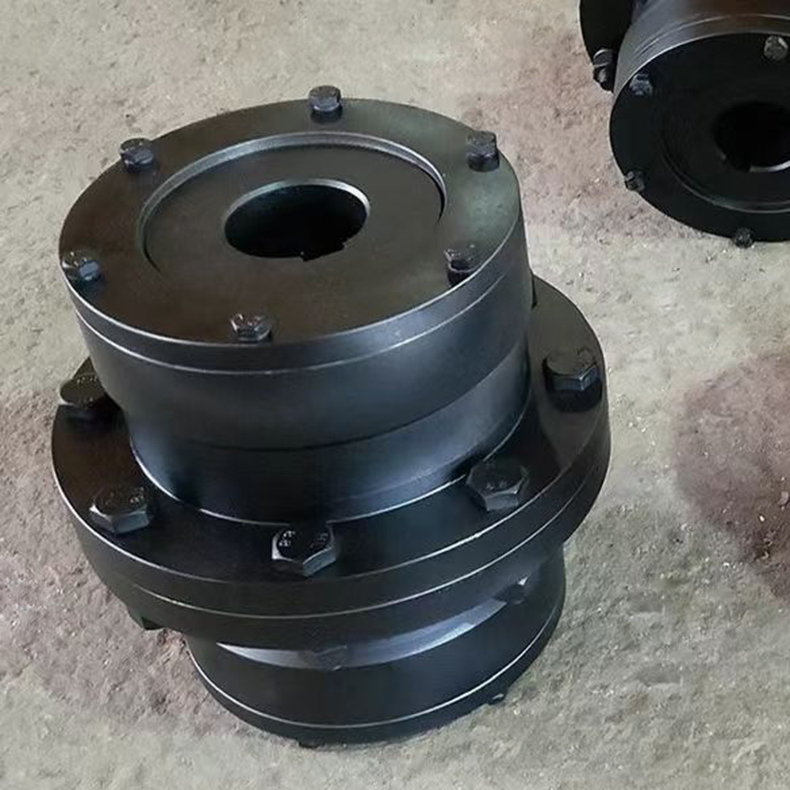
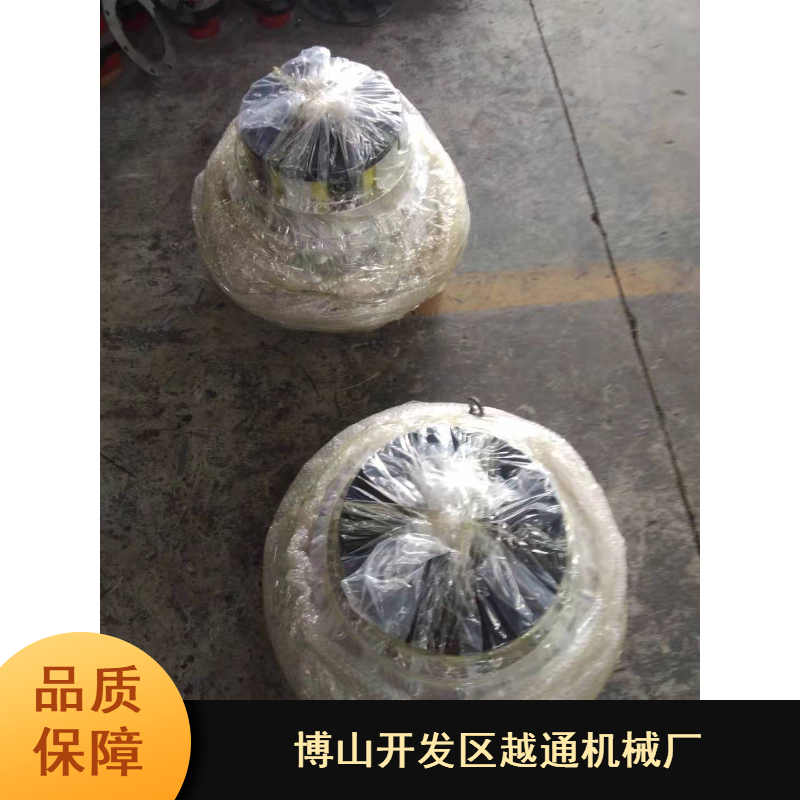
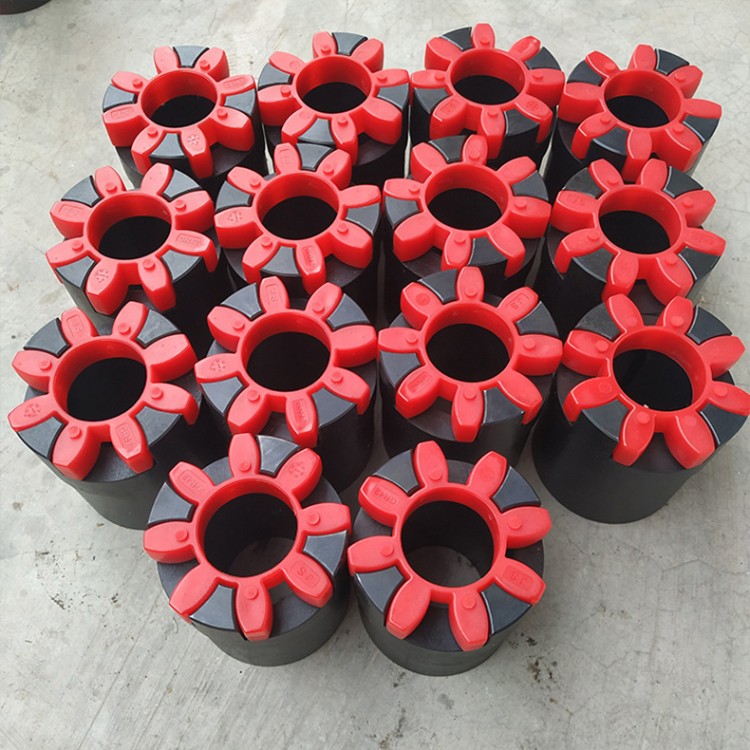
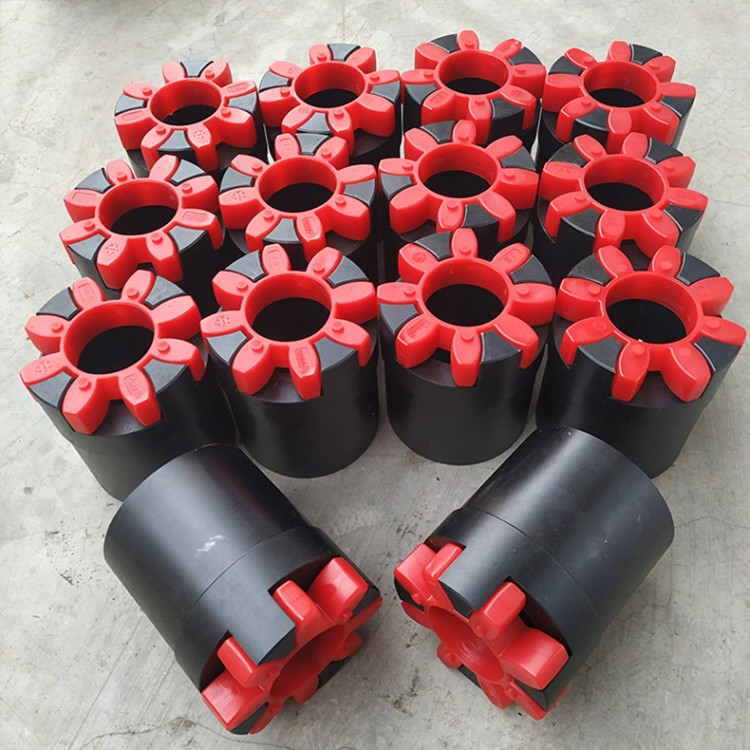
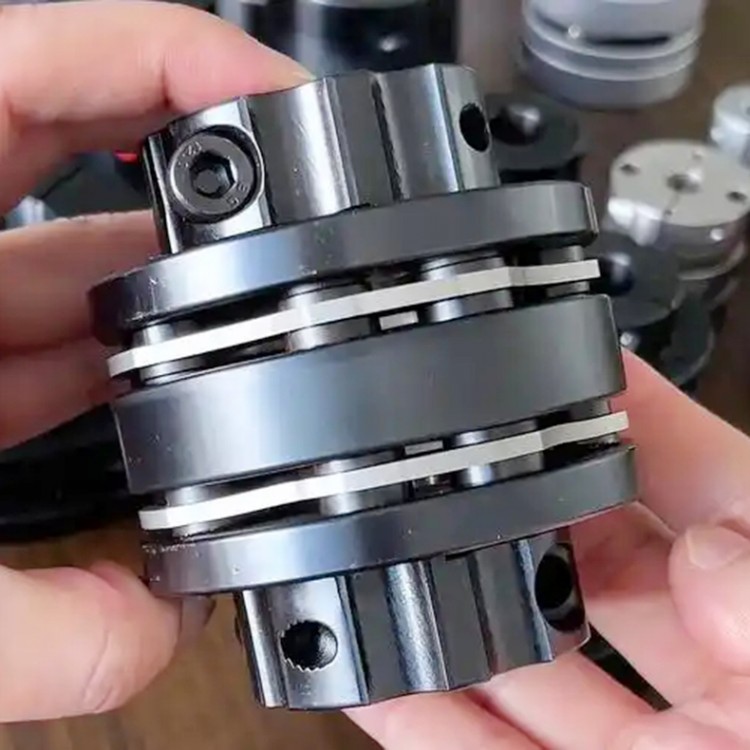
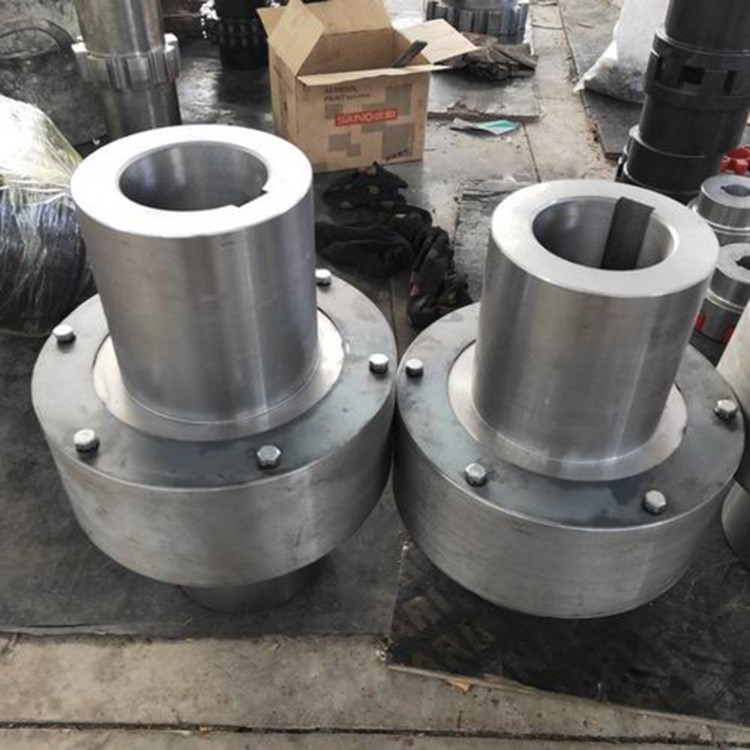
Product Real Photos
Product Features
The pump wheel and turbine of a hydraulic coupling form a sealed working chamber that allows for the cyclic circulation of fluid. The pump wheel is mounted on the input shaft, while the turbine is mounted on the output shaft. As the power unit (internal combustion engine, electric motor, etc.) drives the input shaft to rotate, the fluid is ejected by the centrifugal pump wheel. This high-speed fluid, upon entering the turbine, imparts rotation, transferring the energy obtained from the pump wheel to the output shaft. The fluid then returns to the pump wheel, creating a continuous cycle. The hydraulic coupling transmits torque by the change in momentum due to the interaction between the fluid and the blades of the pump wheel and turbine. Its output torque is equal to the input torque minus the frictional torque, hence it is always less than the input torque. The input and output shafts of the hydraulic coupling are connected by the fluid, and there is no rigid connection between the working components. The characteristics of the hydraulic coupling include: the ability to eliminate shock and vibration; the output speed is lower than the input speed, and the speed difference between the two shafts increases with the load; excellent overload protection and starting performance; when the load is too heavy and the shaft stops, the input shaft can still rotate without damaging the power unit; as the load decreases, the output shaft speed increases until it approaches the input shaft speed. The transmission efficiency of the hydraulic coupling is the ratio of the output shaft speed multiplied by the output torque (output power) to the input shaft speed multiplied by the input torque (input power). Generally, a hydraulic coupling can achieve high efficiency when the rotational speed ratio under normal operating conditions is above 0.95. The characteristics of the hydraulic coupling vary due to the different shapes of the working chamber and the pump wheel and turbine. If the oil in the hydraulic coupling is drained, the coupling is disengaged, serving as a clutch.