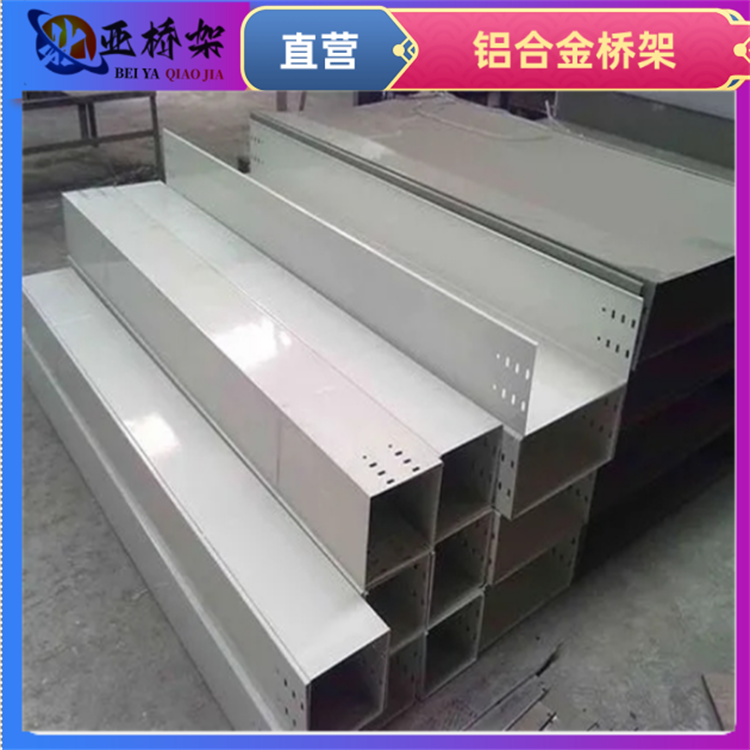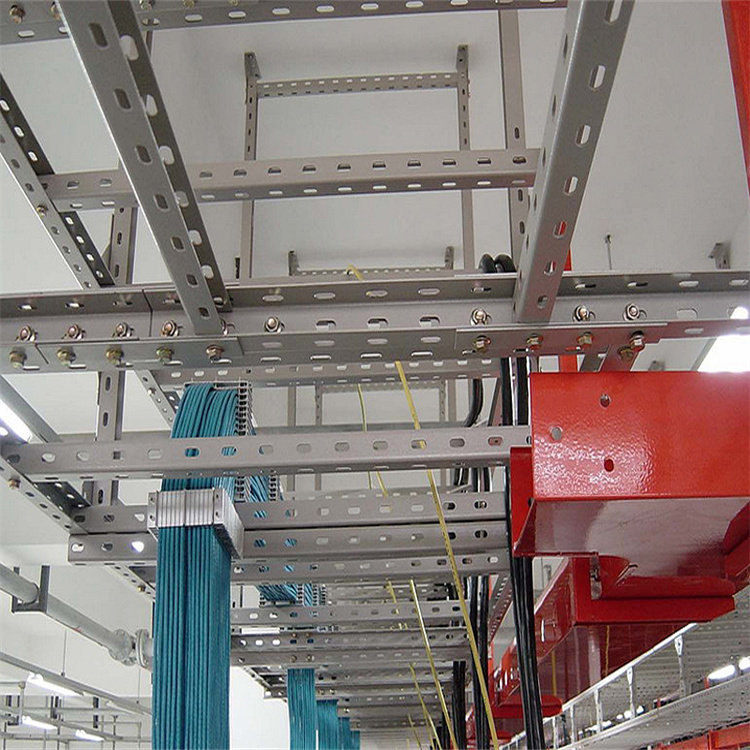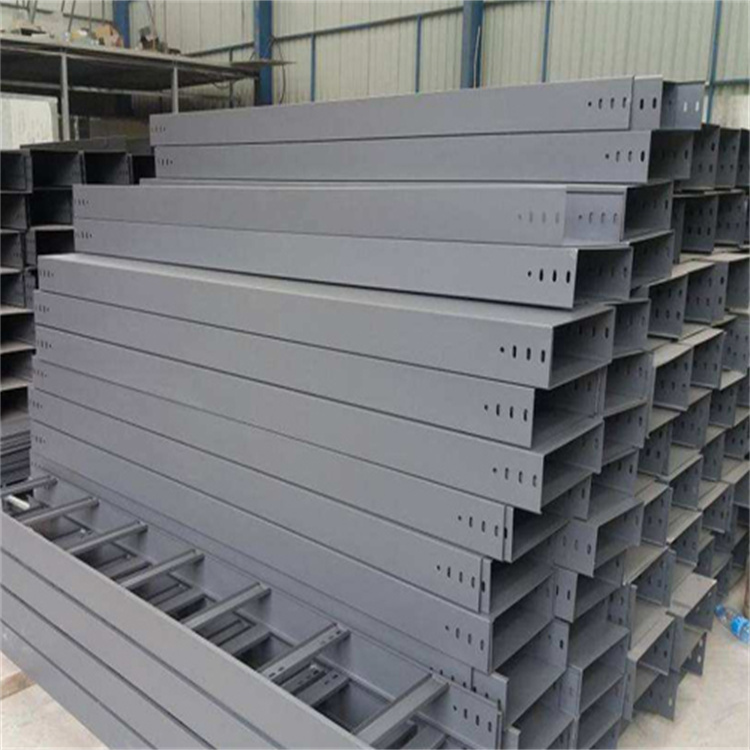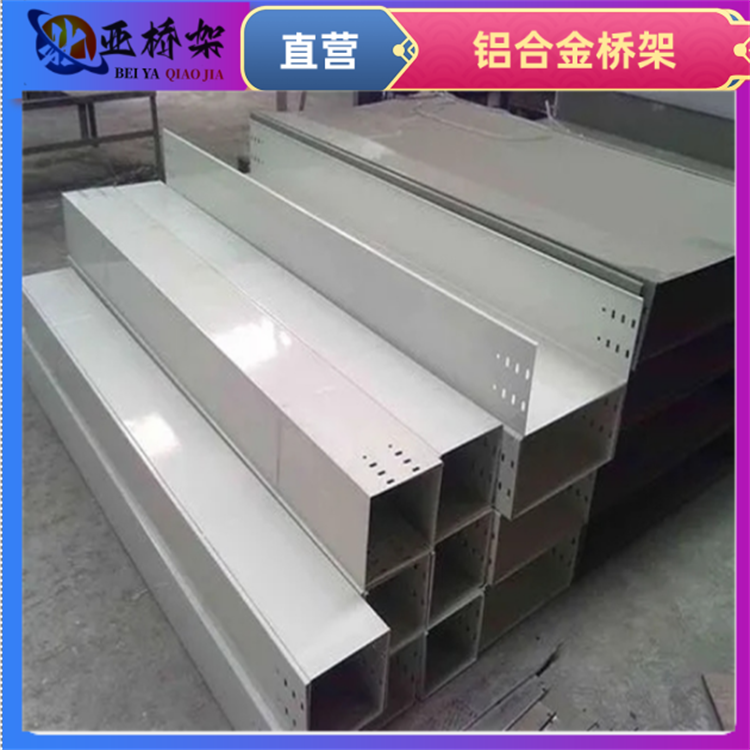


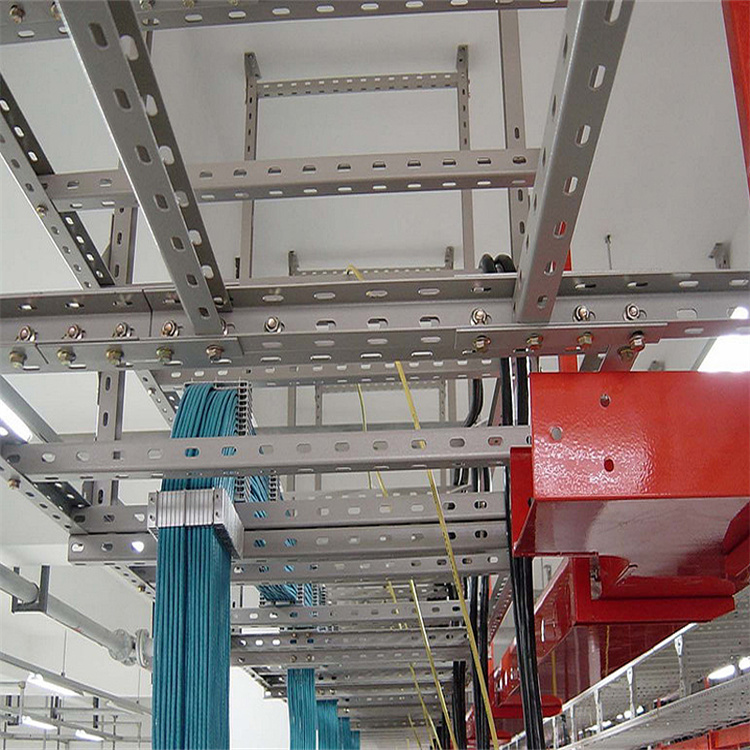













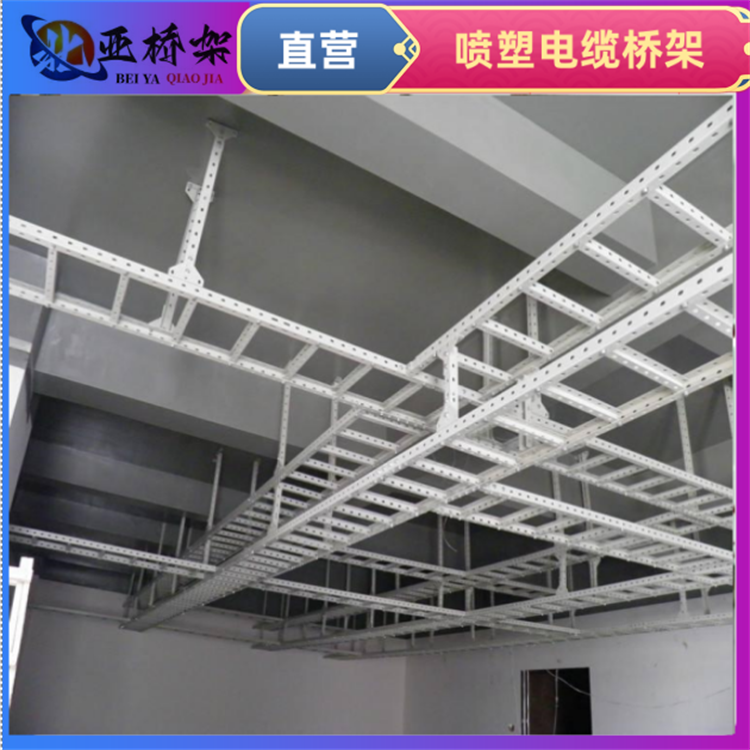


Aluminum alloy bridge supports require consideration of cable routing and detail handling during installation. Moreover, there are various types of bridge supports available for cable installation, each with its unique installation characteristics.
1. Grounding jumper wires can be installed at will on both sides of the bridge or left dangling, avoiding the obvious side. The order of pressing the line nose of the grounding jumper wire with the claw-shaped washer is reversed, some do not have a claw-shaped washer, and the galvanized bridge grounding bolts lack anti-loosening washers.
2. Cable bridge supports are not secured, grounding jumper is missing on the bridge supports, and there is no firestop in place for the fire partition penetration.
3.Aluminum alloy bridge beamInsulation against galvanic corrosion has not been applied between the steel supports. Elbows, tees, and other fittings are not used from the pre-assembled accessories provided with the bridge, but are instead fabricated on-site; the fabrication quality does not meet the standard requirements.
4. During the installation of the screw rod hanger bridge, the anti-vibration bracket was not set according to the specifications, and the steel bracket was not constructed in accordance with the anti-corrosion requirements.
5. The metal cable bridge and its supports are not properly grounded throughout their full length, and expansion joints are not installed as required by regulations.
6. Ceiling tray, channel bridge cover plate missing. The nuts of the fixing bolts for the bridge plate are installed inside the bridge, and there is no grounding connection between the bridge, electrical distribution box/cabinet, and steel pipes for output or input.